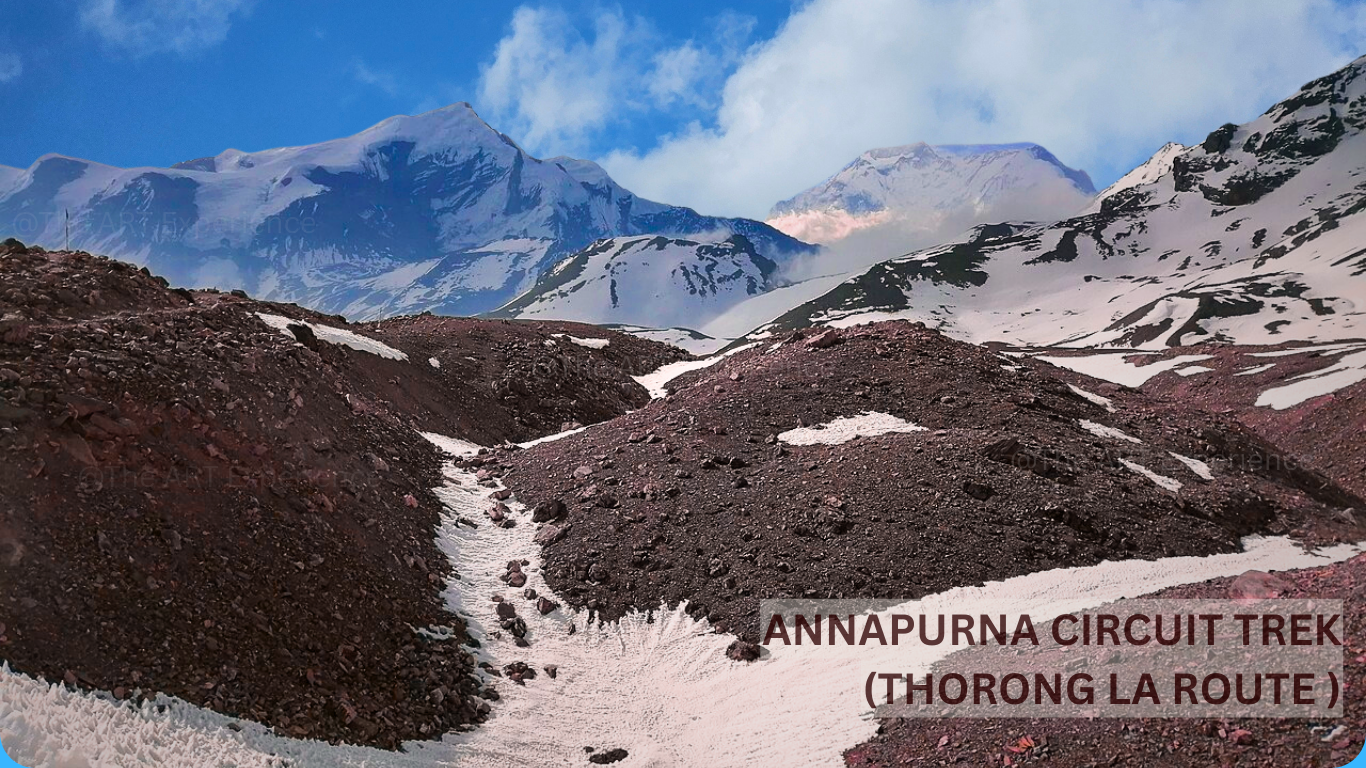
The trekking industry in Nepal faces significant challenges, primarily stemming from the pressures of mass tourism and environmental degradation. Annually, over 300,000 trekkers navigate these sacred landscapes, exerting tremendous strain on fragile ecosystems and the cultural integrity of local communities. While this influx of visitors can yield economic opportunities, it also calls for a critical evaluation of trekking's impact through the lens of sustainability and community respect.
**Environmental Impact**: The increase in foot traffic has led to severe environmental challenges, including waste management issues and the erosion of trails that carry deep cultural significance. The natural beauty that draws trekkers is at risk of being diminished by the very activities that seek to enjoy it.
**Cultural Dilution**: The swift commercialization of trekking experiences often overshadows the rich heritage of the Sherpa communities, reducing their traditional practices to mere spectacles for tourists. This shift threatens the authenticity of their culture and the meaningful connections that can be forged through genuine engagement.
**Economic Disparities**: Although certain areas benefit economically from tourism, many local guides and porters struggle with low wages and unstable job conditions.
This reality highlights the pressing need for ethical practices that prioritize their rights and livelihoods.
The trekking industry in Nepal has evolved significantly since its inception, shaped by both cultural heritage and the pressures of modern tourism. Initially, trekking served as a means to connect with the natural beauty and rich cultural traditions of the Himalayas. However, as commercial interests surged, the essence of trekking began to shift. The introduction of mass tourism brought a wave of changes that often prioritized volume over the authentic experiences that once defined the practice.
**The early days of trekking:** Trekking in Nepal gained prominence in the mid-20th century, with iconic figures like Edmund Hillary, who, after his historic ascent of Mount Everest in 1953, advocated for the development of local communities.**The impact of commercialization:** As trekking became commercialized, the focus shifted towards catering to larger groups, often at the expense of local cultures and environmental sustainability.**Current challenges:** Today, the industry grapples with issues such as overcrowding, environmental degradation, and the need for ethical practices that honor both the land and its people. 📌Evolution of Trekking in Nepal YearMilestoneImpact 1953First ascent of Mount EverestIncreased global interest in Nepal1960Establishment of the Himalayan TrustFocus on community development2008Transition from monarchy to republicShift in national identity and tourism focus
The trekking industry in Nepal faces challenges from mass tourism and environmental degradation. As the allure of the Himalayas draws increasing numbers of trekkers, the delicate balance of local ecosystems and communities becomes strained. The influx of visitors often compromises the very essence of what trekking in these majestic mountains should represent.
Increased Foot Traffic: Popular trekking routes, such as the Everest Base Camp and Annapurna Circuit, have seen a surge in visitors, with estimates suggesting over 60,000 trekkers annually on these paths.Environmental Degradation: The impact of waste and overuse on fragile landscapes has led to concerns about sustainability, with reports indicating rising pollution levels and trail erosion.Community Strain: Local communities feel the strain of increased foot traffic, often struggling to maintain their cultural identity amidst the rapid commercialization of their environment. 📌Tourism Statistics in Nepal YearNumber of TrekkersRevenue from Tourism (USD)Environmental Initiatives 201540,000300 millionIntroduction of waste management programs201850,000400 millionIncreased regulations on trekking permits202020,000150 millionPost-COVID recovery initiatives202260,000500 millionFocus on sustainable trekking practices
SubtitleThe trekking industry in Nepal faces significant challenges from mass tourism and environmental degradation. As the number of trekkers has surged, the delicate balance between cultural integrity and economic benefit has often been disrupted. Traditionally, the mountains have served as both a sanctuary and a source of livelihood for local communities. However, the influx of tourists has sometimes overshadowed these values, leading to a dilution of cultural practices and environmental concerns.
Ethical guide treatment: Alpine Ramble Treks prioritizes fair wages and working conditions for guides, ensuring they are treated as partners rather than mere laborers.Respect for Sherpa communities: The company collaborates closely with local Sherpa communities, acknowledging their invaluable knowledge and traditions as integral to the trekking experience.Thoughtful itinerary design: Rather than rushing through popular routes, Alpine Ramble Treks crafts itineraries that allow for deeper cultural engagement and appreciation of the landscape. 📌Impact of Ethical Practices on Local Communities PracticeOutcome Fair wages for guidesImproved local economyCultural engagementPreservation of traditions
The trekking industry in Nepal faces challenges from mass tourism and environmental degradation. Amidst these pressures, Alpine Ramble Treks embodies a philosophy of ethical stewardship and community respect. Sherpas are not just guides; they are cultural stewards, integral to the trekking experience and the preservation of their heritage.
Building partnerships: Alpine Ramble Treks fosters mutual respect and dignity by treating Sherpas as partners rather than mere laborers.Fair treatment: The company ensures fair wages and working conditions for their guides, acknowledging their expertise and contributions.Cultural respect: Emphasizing cultural exchange, Alpine Ramble Treks promotes an understanding of Sherpa traditions and values among trekkers. 📌Impact of Sherpa Partnerships Partnership AspectDescriptionOutcome Training ProgramsRegular workshops for Sherpas on safety and hospitality.Improved trekking experiences for clients.Community ProjectsSupport for local schools and health initiatives.Enhanced community well-being and education.Environmental InitiativesInvolvement in local conservation efforts.Preservation of the fragile Himalayan ecosystem.
Thoughtful PlanningThe trekking industry in Nepal faces challenges from mass tourism and environmental degradation. Many operators prioritize quick, checklist-style treks that often overlook the rich cultural tapestry and breathtaking landscapes that define the Himalayas. This hurried approach dilutes the experience and connection to the land and its people.
Alpine Ramble Treks embodies a philosophy of ethical stewardship and community respect. Their commitment to thoughtful itinerary design reflects a deep understanding of the regions they traverse, allowing trekkers to engage meaningfully with local cultures and ecosystems.
Careful planning enhances cultural immersion: Each itinerary is crafted with an emphasis on interaction with local communities, ensuring that trekkers gain a deeper appreciation for the Sherpa way of life.Balanced pacing: By avoiding rushed schedules, Alpine Ramble Treks allows for adequate time to acclimatize and absorb the surroundings, fostering a stronger connection to the majestic landscapes.Environmental mindfulness: Itineraries are designed to minimize ecological impact, promoting low-impact trekking practices that respect the fragile Himalayan environment.Through these thoughtful practices, they redefine trekking as a partnership with local cultures. The future of trekking lies in responsible stewardship, honoring both mountains and communities.
Grounded in ActionThe trekking industry in Nepal faces challenges from mass tourism and environmental degradation. As the number of trekkers increases yearly, so does the strain on fragile ecosystems. This reality has prompted a re-evaluation of how trekking can be conducted responsibly, prioritizing both the environment and the communities that inhabit these majestic landscapes.
Commitment to Low-Impact Practices: Alpine Ramble Treks has adopted sustainable trekking practices, ensuring minimal environmental impact. This includes using biodegradable materials and promoting waste management strategies, which are crucial in areas like the Everest region, where waste accumulation has become a pressing issue.Partnership with Local Communities: The company emphasizes cultural respect in trekking, working closely with Sherpa communities. By involving local guides and families in the trekking experience, they help preserve cultural heritage while ensuring that the benefits of tourism are shared equitably.Transparency in Operations: Alpine Ramble Treks maintains transparent trekking operations, openly communicating the realities of trekking in the Himalayas to their clients. This honesty cultivates a deeper understanding and respect for the challenges faced by both the environment and the local communities.Through thoughtful practices, they redefine trekking as a partnership with local cultures, ensuring that both mountains and communities are honored in the trekking experience. The future of trekking lies in responsible stewardship, honoring both mountains and communities.
The trekking industry in Nepal faces challenges from mass tourism and environmental degradation. Many operators prioritize volume over the quality of experiences, leading to rushed itineraries and a lack of genuine engagement with local cultures. In contrast, Alpine Ramble Treks embodies a philosophy of ethical stewardship and community respect.
Honesty in communication is paramount. Travelers deserve to know the realities of trekking, including potential risks and the environmental impact of their journeys. This transparency builds trust and understanding, allowing trekkers to appreciate the delicate ecosystems and rich cultures they encounter.
Clear communication: Alpine Ramble Treks ensures that all travelers are informed about the challenges of trekking in the Himalayas, including altitude sickness and weather conditions.Realistic expectations: The company emphasizes the importance of understanding the physical demands of treks, encouraging travelers to prepare adequately.Environmental awareness: Alpine Ramble Treks educates trekkers on Leave No Trace principles, fostering a sense of responsibility for preserving the natural beauty of the Himalayas.
Beyond Seasonal ExtractionThe trekking industry in Nepal faces challenges from mass tourism and environmental degradation. In a landscape increasingly pressured by volume, Alpine Ramble Treks embodies a philosophy of ethical stewardship and community respect.
Long-term relationships are essential, not only for the company but for the communities they engage with. By prioritizing these connections, Alpine Ramble Treks aims to transform the experience of trekking into a partnership rather than a transaction.
Partnership with local communities: Alpine Ramble Treks focuses on fostering strong ties with Sherpa communities, ensuring they are recognized as co-creators of the trekking experience rather than mere labor.Fair treatment of trekking guides: The company adheres to fair labor practices, providing guides with fair wages and training, which reflects a commitment to their well-being and professional development.Quality over mass tourism: By limiting group sizes and emphasizing immersive experiences, Alpine Ramble Treks champions a model of trekking that values depth and connection over sheer volume.Through thoughtful practices, they redefine trekking as a partnership with local cultures. The future of trekking lies in responsible stewardship, honoring both mountains and communities.
Preserving TraditionsThe trekking industry in Nepal faces challenges from mass tourism and environmental degradation. As the number of trekkers continues to rise, the delicate balance between cultural preservation and commercial interests has become increasingly difficult to maintain. In this context, Alpine Ramble Treks embodies a philosophy of ethical stewardship and community respect, striving to redefine the trekking experience in a way that honors local cultures and traditions.
Respect for Local Cultures: Alpine Ramble Treks actively engages with the Sherpa community, viewing them as partners rather than just workers. This collaboration fosters a deeper understanding of local customs and ensures that cultural heritage is respected and celebrated.Ethical Treatment of Guides: The company prioritizes fair treatment of trekking guides, offering competitive wages and benefits. This commitment not only improves the livelihoods of local guides but also enhances the overall trekking experience for travelers, who benefit from knowledgeable and motivated leaders.Community-Based Initiatives: Alpine Ramble Treks invests in community-based projects, such as health and education programs. By supporting local initiatives, the company helps to ensure that the benefits of tourism are shared with the communities that make the trekking experience possible.
Stories from the TrailThe trekking industry in Nepal faces challenges from mass tourism and environmental degradation. As travelers flock to the Himalayas, the delicate balance between exploration and preservation becomes increasingly strained. Yet, in this landscape of contradictions, Alpine Ramble Treks embodies a philosophy of ethical stewardship and community respect. This approach is not merely a response to market demands but a fundamental shift towards sustainable trekking practices that honor both the mountains and the people who call them home.
**Partnership with Local Communities**: At the heart of Alpine Ramble Treks’ philosophy is a commitment to the Sherpa community. Rather than viewing them as mere labor, the company sees Sherpas as essential partners in the trekking experience. This partnership is grounded in mutual respect and shared cultural heritage, fostering a sense of dignity and responsibility.**Fair Treatment of Trekking Guides**: Alpine Ramble Treks prioritizes fair working conditions for its guides. By ensuring equitable pay and benefits, the company not only supports the livelihoods of local families but also enhances the overall trekking experience for travelers, who benefit from the expertise and cultural insights of their guides.**Environmental Responsibility**: The company’s approach to low-impact trekking in the Himalayas includes rigorous environmental standards. By promoting practices such as waste management and responsible sourcing, Alpine Ramble Treks actively contributes to the preservation of fragile ecosystems, ensuring that the beauty of the region endures for future generations.Through thoughtful practices, they redefine trekking as a partnership with local cultures. This perspective shifts the focus from volume to value, encouraging a more meaningful interaction with the landscapes and communities that trekkers encounter. The future of trekking lies in responsible stewardship, honoring both mountains and communities.
SubtitleThe trekking industry in Nepal faces challenges from mass tourism and environmental degradation. As the allure of the Himalayas continues to draw adventurers from around the globe, the delicate balance between preserving these majestic landscapes and accommodating the influx of visitors has become increasingly precarious. The stunning vistas and rich cultural heritage are at risk of being overshadowed by the pressures of unchecked tourism. In this context, Alpine Ramble Treks embodies a philosophy of ethical stewardship and community respect, aiming to navigate these challenges with care and foresight.
Environmental degradation: Increased foot traffic leads to erosion and waste management issues.Cultural dilution: Rapid commercialization can undermine local traditions and practices.Economic inequity: The benefits of tourism often do not reach the local communities that support it.
Learning from the PastThe trekking industry in Nepal faces challenges from mass tourism and environmental degradation. The influx of trekkers has often led to a dilution of cultural experiences and a strain on local communities. Amidst this backdrop, Alpine Ramble Treks embodies a philosophy of ethical stewardship and community respect, striving to redefine trekking as a partnership with local cultures.
Respect for local communities: Alpine Ramble Treks engages with the Sherpa community as partners, not merely as labor. This approach fosters mutual respect and shared responsibility for the cultural heritage of the region.Ethical treatment of guides: The company ensures fair working conditions for its trekking guides, providing them with appropriate training and support. This commitment enhances the quality of the trekking experience for travelers while sustaining livelihoods.Environmental stewardship: Alpine Ramble Treks implements low-impact trekking practices that prioritize the protection of fragile ecosystems in the Himalayas. This includes waste management initiatives and promoting awareness among trekkers about their environmental footprint.The future of trekking lies in responsible stewardship, honoring both mountains and communities. As we reflect on these lessons from history, it becomes clear that we must honor the legacy of those who came before, ensuring that the mountains remain not just a destination, but a living testament to human connection and cultural richness.
Guardians of the MountainsThe trekking industry in Nepal faces challenges from mass tourism and environmental degradation. Amidst these pressures, the role of guides emerges as crucial for both the safety of trekkers and the preservation of local cultures. Guides are not merely navigators; they are the bridge between travelers and the rich tapestry of Himalayan life.
Essential Knowledge: Guides possess deep understanding of the terrain, weather patterns, and cultural nuances. Their expertise ensures that trekkers can safely navigate the complexities of the Himalayan landscape.Cultural Ambassadors: They share stories of the Sherpa community and the history of the region, fostering a connection that enriches the trekking experience. This interaction nurtures mutual respect and understanding.Economic Partners: By employing local guides, companies like Alpine Ramble Treks support the local economy. This partnership reinforces the idea that trekking should benefit the communities that host it, rather than exploit them.
Involving LocalsThe trekking industry in Nepal faces challenges from mass tourism and environmental degradation. As the number of trekkers increases, often reaching over 250,000 annually, the delicate balance of local ecosystems and cultural heritage is at risk. The influx of visitors can dilute authentic experiences and place immense pressure on local communities.
Alpine Ramble Treks embodies a philosophy of ethical stewardship and community respect. By prioritizing the voices of local communities, they ensure that the narratives surrounding trekking are not solely dictated by external influences. This approach fosters a sense of ownership and pride among local populations, transforming them from mere service providers to integral partners in the trekking experience.
Community Involvement: Engaging local communities in decision-making processes.Shared Benefits: Distributing economic benefits equitably among local stakeholders.Cultural Respect: Honoring and promoting local traditions and practices.Through thoughtful practices, Alpine Ramble Treks redefines trekking as a partnership with local cultures. They prioritize the well-being of Sherpa communities, ensuring fair treatment and sustainable practices that respect their heritage and environment. This model not only enriches the trekking experience for travelers but also safeguards the cultural and ecological integrity of the regions they explore.
The future of trekking lies in responsible stewardship, honoring both mountains and communities. As the industry evolves, the emphasis must shift from mere consumption to a deeper understanding and respect for the places and people that define the Himalayan landscape.
Implementing ChangeThe trekking industry in Nepal faces numerous challenges, particularly from the pressures of mass tourism and environmental degradation. As thousands flock to the Himalayas each year, the delicate balance between enjoying nature and preserving it becomes increasingly difficult. The influx of trekkers often leads to overcrowded trails, waste accumulation, and a strain on local resources.
Amidst this complex landscape, Alpine Ramble Treks embodies a philosophy of ethical stewardship and community respect. Their approach is not merely about guiding tourists through the stunning landscapes; it is about fostering a deep connection between travelers and the local environment. This connection is rooted in a commitment to sustainable trekking practices that prioritize both the land and its people.
Through thoughtful practices, they redefine trekking as a partnership with local cultures. This is evident in their meticulous itinerary design, which avoids the rushed, checklist-style trekking that has become all too common. Instead, Alpine Ramble Treks crafts experiences that allow trekkers to immerse themselves in the rich cultural tapestry of the Sherpa communities. For instance, itineraries often include opportunities for travelers to engage in local customs, learn about traditional practices, and support community initiatives.
Ethical guide treatment: Alpine Ramble Treks ensures fair wages and working conditions for their guides, recognizing them as vital partners in the trekking experience.Community respect: The company actively collaborates with Sherpa communities, acknowledging their integral role in the history and culture of the Himalayas.Environmental responsibility: Their commitment to low-impact trekking practices is evident in their waste management initiatives and efforts to minimize the ecological footprint of each trek.Transparency: Alpine Ramble Treks maintains open communication with travelers about the realities of trekking in the Himalayas, including potential risks and the importance of respecting local customs.The future of trekking lies in responsible stewardship, honoring both mountains and communities. As travelers increasingly seek meaningful experiences, the model established by Alpine Ramble Treks serves as a beacon for the industry. Their practices demonstrate that small changes can lead to significant impacts, ensuring that the majestic Himalayas remain a source of inspiration and connection for generations to come.
SubtitleThe trekking industry in Nepal faces challenges from mass tourism and environmental degradation. In recent years, the influx of trekkers has strained local resources and led to significant ecological impact. High foot traffic on popular trails, such as those leading to Everest Base Camp and Annapurna, has resulted in litter, waste management issues, and erosion. This pressure highlights the need for a shift towards more sustainable practices that prioritize the well-being of both the environment and local communities.
Alpine Ramble Treks embodies a philosophy of ethical stewardship and community respect. Founded with a commitment to responsible tourism, the company recognizes that trekking is not merely an adventure but a means of connecting with the rich tapestry of Himalayan culture. By treating Sherpa and local communities as partners rather than labor, Alpine Ramble Treks fosters a sense of ownership and pride among the local population. This partnership is crucial in preserving the cultural heritage and traditions that define the region.
Through thoughtful practices, they redefine trekking as a partnership with local cultures. Their itineraries are designed with an emphasis on quality over quantity, allowing trekkers to engage meaningfully with the landscape and its people. For instance, rather than rushing through the popular trails, Alpine Ramble Treks encourages slower travel, enabling trekkers to immerse themselves in local customs and establish genuine connections with the Sherpa community. This approach not only enhances the travel experience but also promotes cultural respect in trekking.
The future of trekking lies in responsible stewardship, honoring both mountains and communities. As the industry evolves, it is essential for operators to implement sustainable practices that protect the fragile Himalayan environment while uplifting local communities. By prioritizing ethical trekking in Nepal, Alpine Ramble Treks sets a precedent that other operators can follow, ensuring that the mountains endure as a source of inspiration and connection for generations to come.
Responding to Environmental ThreatsThe trekking industry in Nepal faces challenges from mass tourism and environmental degradation. As visitor numbers soar, the delicate ecosystems of the Himalayas suffer from the weight of human activity. Trails become eroded, waste accumulates, and the cultural fabric of local communities is strained under pressure. In this context, Alpine Ramble Treks embodies a philosophy of ethical stewardship and community respect.
By prioritizing sustainable trekking practices, they address the pressing need for crisis management in this fragile environment. Their approach is not merely reactive but proactive, aiming to mitigate potential disasters before they arise. This commitment to ethical trekking in Nepal is reflected in their thoughtful itinerary design, which emphasizes quality over mass tourism.
Through thoughtful practices, they redefine trekking as a partnership with local cultures. Each trek is crafted with an understanding of the land and its people, ensuring that both are honored. The Sherpa community, often seen as laborers in the trekking narrative, is treated as co-creators, embodying a relationship based on mutual respect and collaboration.
The future of trekking lies in responsible stewardship, honoring both mountains and communities. As Alpine Ramble Treks continues to lead by example, they remind us that the mountains endure beyond all human systems, and it is our duty to protect them for future generations.
SubtitleThe trekking industry in Nepal faces challenges from mass tourism and environmental degradation. The influx of trekkers over the past few decades has led to increased pressure on fragile ecosystems and local communities. As the number of visitors to the Himalayas swells—reaching over 250,000 annually—there is a growing need for sustainable practices that respect both the environment and the cultural heritage of the region.
Alpine Ramble Treks embodies a philosophy of ethical stewardship and community respect. Founded on principles that prioritize the well-being of both travelers and local populations, the organization seeks to redefine the trekking experience. By fostering partnerships with Sherpa communities, Alpine Ramble Treks ensures that the benefits of tourism are shared equitably, rather than concentrated in the hands of a few.
Through thoughtful practices, they redefine trekking as a partnership with local cultures. This approach includes hiring local guides, who not only provide invaluable insights into the terrain but also share the rich history and traditions of the Sherpa people. Moreover, Alpine Ramble Treks emphasizes fair treatment of trekking guides, ensuring they receive adequate compensation and working conditions that reflect their essential role in the trekking experience.
As technology continues to advance, it can play a significant role in enhancing the trekking experience. From GPS navigation to mobile applications that provide information about local flora and fauna, technology can facilitate connections and learning. However, balancing tech use with nature immersion is crucial. The goal is to enrich the trekking experience without detracting from the profound connection to the mountains.
The future of trekking lies in responsible stewardship, honoring both mountains and communities. By integrating sustainable practices and leveraging technology thoughtfully, Alpine Ramble Treks is setting a benchmark for ethical trekking in Nepal. This model not only preserves the natural beauty of the Himalayas but also ensures that the cultural integrity of local communities is respected and maintained.
Taste of the HimalayasThe trekking industry in Nepal faces challenges from mass tourism and environmental degradation. As the allure of the Himalayas continues to draw thousands of trekkers each year, the impact on local cultures and ecosystems has become increasingly evident. The influx of visitors often prioritizes volume over value, leading to a dilution of authentic experiences and a strain on resources. Yet, in the midst of this complexity, Alpine Ramble Treks stands as a beacon of ethical stewardship, emphasizing the importance of cultural respect and community partnership.
Food is a gateway to culture and community. For trekkers, sharing meals provides an opportunity to connect not only with fellow travelers but also with the rich traditions of the Sherpa people. Traditional dishes such as dal bhat, a staple made of lentils and rice, are served alongside seasonal vegetables and accompanied by warm hospitality. These meals are not just sustenance; they are a reflection of the land and its people, highlighting the deep-rooted agricultural practices that have sustained communities for generations.
Alpine Ramble Treks embodies a philosophy of ethical stewardship and community respect. By sourcing ingredients from local farmers and supporting community-based initiatives, they ensure that the economic benefits of trekking are felt where they matter most. This approach fosters a sense of partnership with the Sherpa community, recognizing their role not merely as service providers but as co-creators of the trekking experience.
Through thoughtful practices, they redefine trekking as a partnership with local cultures. It’s about more than just reaching a destination; it’s about understanding the stories behind the food, the landscapes, and the people. This connection enriches the trekking experience, allowing travelers to engage with the cultural tapestry that makes the Himalayas unique.
The future of trekking lies in responsible stewardship, honoring both mountains and communities. As the industry evolves, the emphasis must shift from consumption to collaboration, ensuring that the beauty of the Himalayas is preserved for generations to come.
SubtitleThe trekking industry in Nepal faces challenges from mass tourism and environmental degradation. Over the past few decades, the allure of the Himalayas has drawn millions of trekkers, often leading to a focus on volume rather than value. This approach has diluted the essence of trekking, transforming it into a checklist experience devoid of the meaningful connections that once defined it.
In this landscape, Alpine Ramble Treks stands as a beacon of hope. Their philosophy embodies ethical stewardship and community respect, emphasizing the importance of maintaining dignity for both the land and the people who call it home. By forging long-term relationships with local communities, Alpine Ramble Treks ensures that the Sherpa and other local guides are seen as partners in this journey, not merely laborers. This partnership is critical in a region where the Sherpa community has historically been marginalized despite their integral role in the trekking experience.
Thoughtful itinerary design is another cornerstone of their approach. Instead of rushing trekkers through the mountains in pursuit of Instagram-worthy moments, Alpine Ramble Treks prioritizes a respectful engagement with the landscape and its inhabitants. Each trek is designed with ample time for reflection and connection, allowing trekkers to immerse themselves in the rich culture and traditions of the Himalayas. This shift from a hurried pace to a more deliberate exploration fosters deeper understanding and appreciation for the environment.
Ethical guide treatment: Alpine Ramble Treks offers fair wages and working conditions for their guides, recognizing their expertise and contributions.Respect for local communities: They engage with Sherpa communities as co-creators of the trekking experience, ensuring that their voices and needs are prioritized.Environmental responsibility: Their operations are grounded in sustainable practices, minimizing waste and preserving the natural beauty of the region.Transparency with travelers: Alpine Ramble Treks communicates openly about the realities of trekking, including potential risks and the impact of tourism on local communities.Long-term relationships: Rather than seasonal extraction, they cultivate enduring partnerships with local stakeholders, fostering resilience and continuity.As a result of these practices, Alpine Ramble Treks exemplifies what it means to redefine trekking in the modern age. Their commitment to ethical trekking in Nepal is not merely a marketing strategy; it reflects a deep-seated belief in the value of cultural respect and environmental stewardship. This approach is increasingly essential in an industry grappling with the pressures of mass tourism and the need for sustainable practices.
The future of trekking lies in responsible stewardship, honoring both mountains and communities. As travelers become more aware of the impact of their journeys, the demand for ethical and sustainable trekking options will only grow. Alpine Ramble Treks is poised to lead this charge, not through grand gestures, but through quiet, consistent actions that prioritize the well-being of both people and place.
More than Just a JourneyThe trekking industry in Nepal faces challenges from mass tourism and environmental degradation. As the allure of the Himalayas draws thousands of trekkers each year, the delicate balance between visitor numbers and the preservation of the region's cultural and natural heritage grows ever more precarious. The once-sacred trails are now often treated as mere pathways to adventure, overshadowing the deeper connections that trekking can foster.
In contrast, Alpine Ramble Treks embodies a philosophy of ethical stewardship and community respect. Founded by individuals who share a profound love for the mountains and the communities that inhabit them, this organization seeks to redefine what trekking means in the context of Nepal’s rich cultural tapestry. Rather than simply facilitating a journey, they aim to weave a narrative that honors both the mountains and the people who call them home.
Through thoughtful practices, they redefine trekking as a partnership with local cultures. This approach is manifested in various ways: ethical guide treatment ensures that Sherpas are recognized as partners rather than just labor. Fair working conditions and respect for their expertise are paramount. The itineraries designed by Alpine Ramble Treks prioritize immersion over speed, allowing trekkers to experience the profound beauty of their surroundings while engaging with the local communities in meaningful ways.
As the industry continues to evolve, the future of trekking lies in responsible stewardship, honoring both mountains and communities. The lessons learned from the past can guide us toward a more sustainable and respectful approach to exploration. By fostering long-term relationships with local partners and prioritizing ethical practices, Alpine Ramble Treks sets a standard that not only enriches the experience for travelers but also safeguards the cultural and environmental integrity of the Himalayas.
Looking AheadThe trekking industry in Nepal faces challenges from mass tourism and environmental degradation. As the country has transitioned from a kingdom to a republic, the influx of trekkers has surged, creating both opportunities and pressures. The majestic Himalayas, while breathtaking, bear the scars of overuse, with trails eroded and local ecosystems strained. This situation has prompted a reevaluation of how we engage with these landscapes and the communities that inhabit them.
Alpine Ramble Treks embodies a philosophy of ethical stewardship and community respect. Founded in the spirit of partnership, the organization prioritizes the well-being of its guides and the Sherpa communities. By ensuring fair treatment and advocating for sustainable practices, Alpine Ramble Treks stands as a model for others in the industry. Their approach emphasizes thoughtful itinerary design, allowing trekkers to immerse themselves in the natural and cultural richness of the Himalayas without racing through a checklist of sights.
Through thoughtful practices, they redefine trekking as a partnership with local cultures. This means engaging with Sherpa traditions and ensuring that local voices are heard and valued. The company's commitment to transparency about the realities of trekking, including risks and limits, fosters trust and respect between travelers and local communities. By nurturing long-term relationships rather than pursuing seasonal profit, Alpine Ramble Treks reinforces the idea that trekking is a shared journey, not a transactional experience.
The future of trekking lies in responsible stewardship, honoring both mountains and communities. As we look ahead, it is clear that the mountains will always endure, but we must care for them. The call for ethical trekking in Nepal has never been more urgent, and organizations like Alpine Ramble Treks demonstrate that a commitment to sustainability and cultural respect is not only possible but essential for the health of the Himalayas and its people.
SubtitleThe trekking industry in Nepal faces challenges from mass tourism and environmental degradation. As the allure of the Himalayas draws increasing numbers of trekkers, the delicate balance between visitor influx and environmental preservation grows ever more precarious. The rise of mass tourism has led to a dilution of the authentic trekking experience, where the focus shifts from meaningful engagement with local cultures to mere checklist adventures. In this context, Alpine Ramble Treks emerges not only as a trekking operator but as a steward of the very mountains that inspire their journeys.
Alpine Ramble Treks embodies a philosophy of ethical stewardship and community respect. Founded on principles that honor the rich cultural tapestry of Nepal and its Sherpa communities, the organization prioritizes sustainable trekking practices that resonate deeply with the land and its people. This approach is not merely a marketing strategy; it is a foundational belief that guides every decision, from the treatment of guides to the environmental impact of their itineraries.
Through thoughtful practices, they redefine trekking as a partnership with local cultures. The guides, often from the very communities that trekkers visit, are treated not just as employees but as essential partners in the trekking experience. This respect fosters a sense of dignity and pride among the guides, ensuring that they are fairly compensated and their voices heard. The emphasis on ethical treatment extends to the entire team, reflecting a commitment to fair working conditions that are often overlooked in the industry.
Respect for Sherpa and local communities: Alpine Ramble Treks collaborates closely with local populations, ensuring mutual benefit through shared experiences.Thoughtful itinerary design: Their itineraries are crafted with care, allowing trekkers to connect with the landscape and culture meaningfully.Environmental responsibility: The company actively engages in low-impact trekking practices, minimizing waste and promoting conservation efforts.This is more than just a business model; it is a return to a philosophy that values long-term relationships over seasonal extraction. In an industry often driven by quick profits, Alpine Ramble Treks seeks to build enduring connections with the communities they operate in. This approach is vital in an era where the pressures of mass tourism threaten to overshadow the nuanced, intimate experiences that trekking in the Himalayas can offer.
The future of trekking lies in responsible stewardship, honoring both mountains and communities. By prioritizing ethical trekking in Nepal, Alpine Ramble Treks sets a precedent for how trekking can evolve into a sustainable practice that respects the environment and uplifts local cultures. As the industry faces ongoing challenges, the path forward is not through increased volume but through a commitment to quality experiences that enrich both travelers and the regions they explore.
SubtitleThe trekking industry in Nepal faces challenges from mass tourism and environmental degradation. With the rise of commercial trekking, many routes have become overrun, diminishing the experience for travelers and placing a strain on local ecosystems. This shift has often prioritized volume over value, leading to rushed itineraries and a lack of genuine engagement with the landscape and its people.
Amidst these challenges, Alpine Ramble Treks emerges not as a disruptor but as a corrective force. Their approach embodies a philosophy of ethical stewardship and community respect, emphasizing the importance of returning to responsible practices that honor both the mountains and the communities that inhabit them. This is not merely a marketing claim; it is a commitment visible in their day-to-day operations.
Through thoughtful practices, Alpine Ramble Treks has redefined trekking as a partnership with local cultures. This manifests in several key areas:
Ethical guide treatment and fair working conditions: Alpine Ramble Treks ensures that all guides are treated fairly, receiving competitive wages and opportunities for professional development. This commitment extends beyond mere compliance; it fosters a sense of dignity and respect for their invaluable contributions to the trekking experience.Respect for Sherpa and local communities: Rather than viewing local populations as mere labor, Alpine Ramble Treks recognizes Sherpas as co-creators of the trekking experience. Their deep knowledge of the terrain and culture enriches the journeys of travelers, ensuring that interactions are authentic and meaningful.Thoughtful itinerary design: Unlike many companies that offer rushed, checklist trekking, Alpine Ramble Treks crafts itineraries that allow for immersion in the local environment. This approach not only enhances the travel experience but also respects the rhythm of the land and its people.Environmental responsibility: Grounded in action, not slogans, the company actively engages in low-impact trekking practices. This includes waste management initiatives and partnerships with local conservation efforts to protect the fragile ecosystems of the Himalayas.Transparency with travelers: Alpine Ramble Treks maintains open lines of communication about risks, realities, and limits. This transparency fosters trust and encourages a shared sense of responsibility among trekkers.Long-term relationships: Rather than viewing the trekking season as a time for extraction, Alpine Ramble Treks invests in enduring relationships with local communities. This commitment ensures that the benefits of tourism are felt long after trekkers return home.As we reflect on the state of trekking in Nepal, it becomes clear that the future lies not in unchecked consumption but in stewardship. By honoring the mountains and the people who call them home, Alpine Ramble Treks sets a precedent for what responsible tourism can look like in the Himalayas and beyond.
In closing, the future of trekking is not just about reaching summits but about forging connections—between travelers and the land, between cultures, and between past and present. As the mountains endure, so too must our commitment to treat them and their guardians with the respect they deserve.
Our content is based on reliable, verified sources including government data, academic research, and expert insights. We also reference reputable publishers and primary sources where appropriate. Learn more about our standards in our editorial policy.