Loading Alpine AI

How Trekking in Nepal is Uniquely Different from the World

Alpine RambleGeneralUpdated: Apr 14, 2026

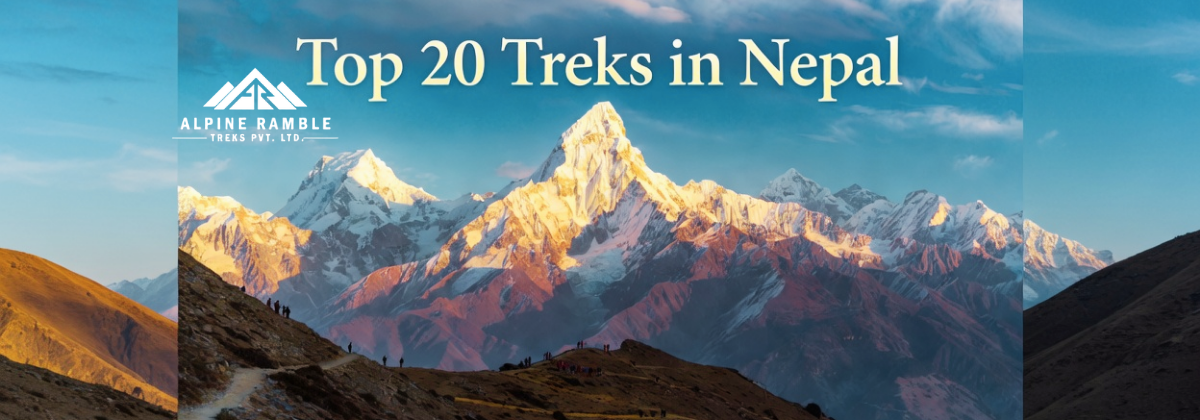
Nepal is home to the majestic Himalayas, including Mount Everest, the highest peak in the world. Trekking in this region offers breathtaking views and a chance to experience the grandeur of these towering mountains. Unlike many other trekking destinations, the Himalayas provide a unique backdrop that is visually stunning and has cultural importance for many local communities.

The diverse range of landscapes, from lush green valleys to rugged mountain terrains, ensures that trekkers encounter a variety of ecosystems and climates, making each trek a unique experience.

Trekking in Nepal is not just about the natural beauty; it is also an immersion into the rich cultural heritage of the region. Trekkers have the opportunity to visit ancient monasteries, traditional villages, and interact with the local communities. Each trek offers a glimpse into the daily lives of the Nepalese people, their customs, and their traditions.

This cultural aspect is often less emphasized in some other trekking destinations, making Nepal a unique place for those looking to combine adventure with cultural exploration.

Nepal boasts an extensive network of trekking routes that cater to all levels of experience. From the popular Annapurna Circuit to the less-traveled routes in the Kanchenjunga region, trekkers can choose from a variety of trails that suit their preferences. This diversity allows trekkers to experience different landscapes, cultures, and challenges, making each trek a completely different adventure.

Nepal offers a plethora of trekking options, ensuring that trekkers can find a trail that matches their skill level and interests.

The trekking routes in Nepal are rich in biodiversity, featuring a wide range of flora and fauna. Trekkers may encounter a variety of species of plants, birds, and animals, some of which are unique to the region. The diverse ecosystems, ranging from subtropical forests to alpine meadows, provide a habitat for various wildlife, making trekking in Nepal a unique experience for nature lovers.

In contrast to other trekking destinations, the opportunity to observe such a variety of wildlife in its natural habitat adds an extra layer of excitement to the trekking experience.

Trekking in Nepal is considered by many to be a significant experience for adventure enthusiasts. The challenging terrains, high altitudes, and unpredictable weather conditions test the limits of trekkers, providing a sense of accomplishment upon completion. The thrill of navigating through rugged trails and reaching high passes is something that many trekkers seek.

While trekking in Nepal offers unique challenges, other locations also provide significant adventure opportunities, making Nepal a prime destination for those looking to push their boundaries and experience true adventure.


The trekking community in Nepal is often described as warm and hospitable by many trekkers. Local guides and porters contribute significantly to a safe and enjoyable trekking experience. Their knowledge of the terrain and culture enhances the trekking journey, providing insights that trekkers might not gain on their own.


This supportive environment fosters a sense of camaraderie among trekkers, making the experience not just about the trek itself but also about the connections made along the way.


Just adding one more line.

Our content is based on reliable, verified sources including government data, academic research, and expert insights. We also reference reputable publishers and primary sources where appropriate. Learn more about our standards in our editorial policy.

No sources listed for this article yet.

Frequently asked questions

Quick answers based on this article.

What is the best time to trek in Nepal?

The best time to trek in Nepal is during the spring (March to May) and autumn (September to November) seasons when the weather is generally stable and the views are clear.

Do I need a guide for trekking in Nepal?

While it is possible to trek independently in some areas, hiring a local guide is recommended for safety, navigation, and cultural insights.

Didn’t find your answer? Contact us

Prefer WhatsApp or a quick call? We reply fast.

ART Experience Reviews

Share your ART experience

Add media, drop your rating, and write a few words. Submissions go to the Review Manager for approval.

Related articles

More reading selected from the same theme.