Blog
The Birth of Light: Lumbini and the Buddha’s Nepal
Exploring Lumbini, the birthplace of the Buddha, and its profound impact on spirituality, culture, and tourism in Nepal's Terai region.
Alpine Ramble
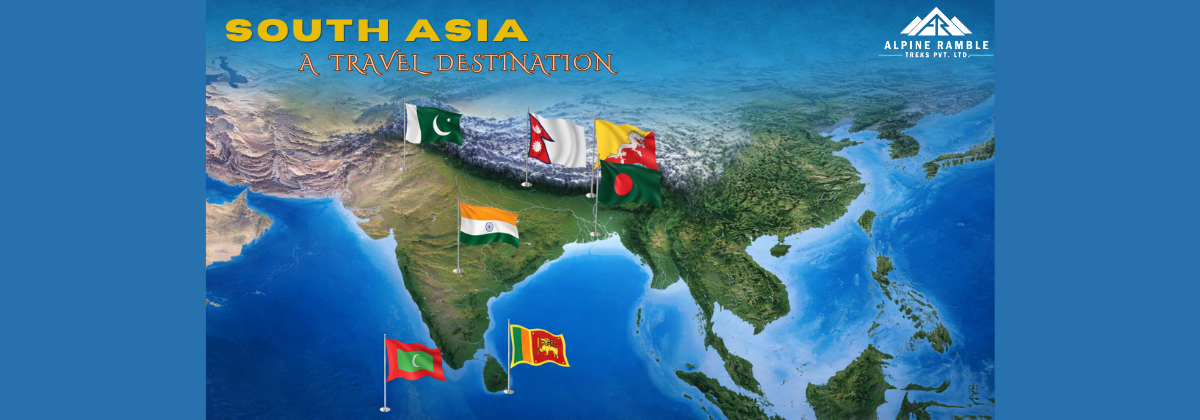
Arriving in South Asia is like stepping into a vibrant tapestry of cultures, landscapes, and experiences. As you set foot in this diverse region, the first thing that strikes you is the rich aroma of spices wafting through the air, a tantalizing hint of the culinary adventures that await. Whether you land in the bustling streets of Delhi, the serene beaches of Sri Lanka, or the lush hills of Nepal, each destination offers a unique flavor of South Asian hospitality.
One of the best ways to write a long-form blog about your arrival is to share your personal story. Describe the feelings of excitement and anticipation as you navigate through the airport, the colorful chaos of the local markets, or the warmth of a stranger’s smile. These anecdotes can draw readers in and create a connection with your narrative. Consider including a list of essential tips for first-time travelers, such as the best time to visit, local customs, and must-try dishes.
As you delve deeper into your experience, it’s helpful to provide practical information that can assist other travelers. For instance, you might want to create a table detailing the various permit requirements for different regions, or an itinerary that highlights key attractions and activities. Sharing insights on the costs associated with your journey can also be invaluable, as it helps others budget for their own adventures.
Moreover, discussing the altitude and difficulty of certain treks or tours can prepare readers for what lies ahead. South Asia is home to some of the highest peaks in the world, and understanding these factors can enhance their travel experience. Include a packing list that outlines essentials for different climates and activities, ensuring that your audience is well-equipped for their journey.
In summary, writing a long-form blog about your arrival into South Asia is an opportunity to weave together personal stories, practical advice, and cultural insights. By focusing on the richness of your experiences and providing valuable information, you can inspire others to embark on their own adventures in this captivating region.
The diverse landscapes of South Asia are not just a feast for the eyes but also a profound influence on the human spirit. From the towering peaks of the Himalayas to the lush greenery of the Western Ghats, each region offers a unique narrative that shapes the consciousness of its visitors. When you write a long-form blog about these experiences, it’s essential to weave in the stories that resonate with the heart and mind.
Begin by exploring the majestic mountains. The Himalayas, often referred to as the roof of the world, provide more than just breathtaking views; they offer a sense of adventure and introspection. As you write, consider including a list of the best trekking routes, showcasing their difficulty levels, altitude, and the ideal times to visit. This can serve as a valuable resource for readers planning their itineraries.
Next, delve into the cultural richness found in the valleys below. Each town and village has its own tale, influenced by the land itself. Highlighting local traditions and festivals can add depth to your narrative. Incorporate tables that outline permit requirements for trekking in protected areas, alongside a packing list tailored for these adventures, ensuring that your readers are well-prepared.
Moreover, the cost of travel in South Asia can vary significantly. A section dedicated to budget planning, including accommodation, food, and transportation, will be invaluable. This practical information can empower readers to make informed decisions, enhancing their overall experience.
Finally, reflect on the emotional impact of the land. The serene beauty of South Asia can evoke a sense of peace and connection to nature. Encourage your audience to embrace this transformative experience, reminding them that the journey is as significant as the destination.
In conclusion, writing a long-form blog about South Asia should encapsulate not just the physical journey but also the profound effect the land has on the human spirit. By integrating stories, lists, tables, and practical advice, you can create a compelling narrative that inspires others to explore this captivating region.
Nepal, nestled in the heart of the Himalayas, serves as a sanctuary for those seeking peace and introspection. The serene landscapes, punctuated by towering mountains and tranquil valleys, create an atmosphere conducive to reflection and stillness. This unique environment not only attracts adventurers but also those who wish to escape the chaos of modern life.
When you write a long-form blog about Nepal, it’s essential to highlight its natural beauty and spiritual significance. Many travelers come to Nepal to experience its rich cultural heritage and to seek solace in its sacred sites. The ancient temples and monasteries scattered throughout the country offer a glimpse into a world where spirituality and nature coexist harmoniously.
In your blog, consider including a detailed itinerary that guides readers through the best locations for experiencing stillness, such as the serene lakes of Pokhara or the tranquil trails of the Annapurna Circuit. These areas are not only stunning but also provide opportunities for meditation and reflection.
Additionally, it’s vital to address the permit requirements for trekking in Nepal, ensuring that your readers are well-informed before embarking on their journey. Highlighting the best times to visit can also enhance their experience, as the tranquility of the region can vary with the seasons.
Discussing the difficulty levels of various treks will help readers choose the right path for their adventure, whether they seek a challenging climb or a leisurely stroll. Furthermore, consider including a section on altitude and its effects on travelers, as this knowledge is crucial for anyone planning to explore the higher altitudes of the Himalayas.
Lastly, a packing list tailored for a journey focused on stillness and reflection will be invaluable for your audience. This list should include essentials that promote comfort and ease, allowing travelers to fully immerse themselves in the peaceful surroundings.
By weaving together these elements, your long-form blog will not only inform but also inspire readers to embrace the stillness that Nepal offers, making it a compelling destination for those looking to escape and rejuvenate.
In the heart of South Asia, spirituality transcends the boundaries of religion and culture, creating a unique tapestry that invites individuals to explore their inner selves. The region is renowned for its rich spiritual heritage, where ancient practices blend seamlessly with modern life. Here, the concept of spirituality is not confined to temples or rituals; it permeates daily existence, offering a profound sense of connection to the universe.
To write a long-form blog about spirituality in South Asia, one must delve into the stories that shape this experience. For instance, consider the narratives of pilgrims who journey to sacred sites, their tales filled with personal transformations and revelations. These stories can serve as a compelling foundation for your blog, illustrating the deep-rooted significance of spirituality in the region.
Additionally, incorporating lists of essential experiences can enhance your blog's appeal. Highlighting must-visit spiritual locations, such as the serene banks of the Ganges or the peaceful monasteries in the Himalayas, provides readers with actionable insights. You can also include tables that compare different spiritual practices, detailing their origins, purposes, and the unique experiences they offer.
When discussing spirituality, it’s essential to address the various itineraries available for those seeking spiritual journeys. These itineraries can guide readers through the best times to visit, the difficulty levels of different spiritual retreats, and even the altitude considerations for high-altitude pilgrimages. Furthermore, it’s important to touch on the costs associated with these spiritual experiences, ensuring that readers are well-informed before embarking on their journeys.
Ultimately, writing a long-form blog about spirituality in South Asia is about weaving together narratives, practical information, and personal reflections. By doing so, you create a rich resource that not only informs but also inspires readers to explore their spiritual paths without separation from the world around them.
When you embark on a journey to South Asia, you quickly realize that the region is a vibrant tapestry woven from diverse languages, rich culinary traditions, and the unique textures of human interactions. Each language spoken here carries the weight of history and culture, offering a glimpse into the soul of its people. From the melodic tones of Nepali to the rhythmic cadences of Hindi, the linguistic variety is as vast as the landscapes themselves, making it a fascinating aspect to explore when you write a long-form blog.
Food, an integral part of South Asian culture, reflects the region's agricultural bounty and historical influences. Dishes like dal, biryani, and momos are not just meals; they are stories of migration, trade, and tradition. When you write a long-form blog, consider including a list of must-try foods or a table comparing regional specialties. This not only enriches your narrative but also serves as a practical guide for readers eager to experience authentic flavors.
Human texture is perhaps the most compelling aspect of South Asia. The warmth and hospitality of its people create an inviting atmosphere that encourages connection. Engaging with locals can lead to unexpected stories and insights, enhancing your blog's narrative depth. Whether it's sharing a meal or participating in a local festival, these interactions provide a rich backdrop for your writing.
As you write a long-form blog about South Asia, remember to weave in the best times to visit these regions, the difficulty of navigating cultural nuances, and even the altitude of various destinations. Discussing permit requirements for trekking or the costs associated with travel can also be invaluable for your audience. Ultimately, your blog should serve as both an informative resource and a captivating story that draws readers into the heart of South Asia.
As travelers venture into the heart of South Asia, they often experience a profound transformation. The vibrant cultures, breathtaking landscapes, and rich histories create an environment ripe for reflection and introspection. In this section, we explore the quiet realizations that often accompany a journey through this mesmerizing region.
One of the most striking aspects of travel in South Asia is the stark contrast it presents to Western lifestyles. Many travelers find themselves immersed in a world where time seems to slow down, allowing them to appreciate the present moment. This shift in perception can lead to a deeper understanding of oneself and the world around them.
For those planning to write a long-form blog about their experiences, it’s essential to capture these realizations. Including stories that highlight personal growth, cultural encounters, and moments of stillness can resonate with readers. Consider creating lists that outline key experiences, such as the best places to meditate or the most impactful conversations with locals.
Travelers may also wish to document their itineraries, detailing the routes taken and the hidden gems discovered along the way. Tables comparing the best times to visit various locations can provide valuable insights for future adventurers. Additionally, discussing permit requirements for trekking in the Himalayas or exploring national parks can be beneficial for those looking to plan their trips carefully.
Furthermore, it’s important to address the challenges faced during travel, including altitude sickness or navigating different cultural norms. Sharing a packing list tailored to the region can help others prepare adequately for their journeys.
Ultimately, the quiet realizations that arise during travel in South Asia are what make the experience truly unforgettable. By weaving these insights into a long-form blog, writers can inspire others to embark on their own transformative journeys.
Traveling through South Asia often sparks profound realizations for Western visitors. This vibrant region, with its rich cultures and stunning landscapes, encourages a slower pace, inviting travelers to savor each moment. As you navigate bustling markets or serene temples, consider documenting your journey to capture these transformative experiences. Create lists of key reflections, such as impactful local conversations or the best meditation spots. Understanding the permit requirements for trekking, especially in the Himalayas, is crucial for planning. It’s equally important to discuss the challenges of altitude and cultural nuances, offering practical advice to future adventurers. By sharing these insights, you can inspire others to embark on their own journeys of self-discovery in South Asia, where every experience can lead to a deeper connection. with oneself and the world.
South Asia has a unique ability to transform those who visit. The region's rich tapestry of cultures, traditions, and landscapes creates an immersive experience that resonates deeply with travelers. Many find that their journey through this vibrant land is not just a physical adventure but a profound emotional and spiritual awakening.
One of the primary reasons people return from South Asia changed is the connection they forge with the land and its people. The warmth and hospitality of locals invite travelers to engage in meaningful conversations, fostering a sense of belonging. This interaction often leads to a deeper understanding of oneself and the world, encouraging visitors to reflect on their own lives and values.
Moreover, the diverse experiences offered—from the serene heights of the Himalayas to the bustling streets of Kathmandu—provide a backdrop for personal growth. Many travelers embark on treks that challenge their physical limits, such as the Everest Base Camp itinerary, which not only tests their endurance but also teaches resilience and perseverance.
Additionally, the spiritual practices prevalent in South Asia, such as yoga and meditation, offer tools for introspection and mindfulness. Engaging in these practices allows individuals to reconnect with their inner selves, often leading to transformative realizations about life and purpose.
Furthermore, the natural beauty of the region, with its breathtaking landscapes, encourages a sense of awe and appreciation for the environment. Witnessing the majestic mountains or tranquil rivers can inspire a shift in perspective regarding nature and one's place within it.
Travelers often leave South Asia with a newfound sense of clarity and purpose, prompting them to reassess their priorities and pursue a more meaningful existence. This change is not merely superficial; it is a profound shift in consciousness that continues to influence their lives long after they have returned home.
In conclusion, the allure of South Asia lies in its ability to challenge, inspire, and transform. Each journey is unique, but the common thread is the lasting impact it leaves on the hearts and minds of those who dare to explore its depths.
As travelers journey through the mesmerizing landscapes of South Asia, they often find themselves immersed in a unique interplay of time and space that shapes their experiences. This region, rich in history and culture, invites visitors to slow down and engage with the present moment. The concept of time in South Asia differs significantly from the hurried pace of the Western world. Here, time is often perceived as cyclical, where past, present, and future intertwine seamlessly.
In the heart of Nepal, for instance, the majestic Himalayas stand as timeless sentinels, reminding us of our place in the vast universe. As you trek through these mountains, each step becomes a meditation, allowing you to connect deeply with your surroundings. The altitude challenges your physical limits, yet it also provides a profound sense of clarity and perspective. Understanding the best time to visit these peaks can enhance your experience, with spring and autumn offering ideal weather for trekking.
Travelers often seek to understand the difficulty of their journeys, weighing the physical demands against the spiritual rewards. The packing list becomes essential, ensuring you are prepared for both the challenges and the wonders that lie ahead. As you navigate through bustling markets and serene temples, the itinerary you create will guide your exploration, yet the most memorable moments often arise spontaneously.
Moreover, the cost of traveling in South Asia can vary greatly, allowing for a range of experiences from luxury to budget-friendly. This flexibility enables travelers to immerse themselves fully in the local culture, whether it’s through food, art, or conversation. Understanding the permit requirements for trekking in certain areas is crucial, as it ensures that your adventure unfolds smoothly.
Ultimately, the allure of South Asia lies in its ability to draw individuals into a dance between time and space. Each journey is a story waiting to be told, filled with rich experiences, vibrant encounters, and the transformative power of travel. Embrace the journey, and let the landscapes of South Asia reshape your understanding of time and existence.
The cultural tapestry of South Asia is a vibrant and intricate blend of traditions, languages, and practices that have evolved over millennia. Each country in this region, from India to Bangladesh, Pakistan to Nepal, contributes unique threads to this rich fabric, creating a diverse and colorful mosaic.
At the heart of South Asia's culture is a deep-rooted history that influences daily life, festivals, and rituals. For instance, festivals like Diwali, Eid, and Dashain not only showcase the region's religious diversity but also highlight the communal spirit that transcends individual beliefs. These celebrations are filled with stories, music, and dance, inviting both locals and travelers to partake in the joy.
Language plays a crucial role in this cultural tapestry. With hundreds of languages spoken across South Asia, each dialect carries its own history and nuances. This linguistic diversity fosters a sense of identity and belonging among communities, while also enriching the experience for those who seek to understand the region's heritage.
Food is another essential element of South Asian culture. The culinary landscape is a reflection of geography, climate, and cultural influences. From the spicy curries of India to the savory momos of Nepal, each dish tells a story of its origins and the people who prepare it. Travelers often find that sharing a meal is one of the best ways to connect with locals and learn about their way of life.
The arts, including music, dance, and crafts, further illustrate the region's cultural richness. Traditional performances often narrate ancient tales, while artisans create beautiful handicrafts that embody the skills passed down through generations. Engaging with these art forms offers a deeper understanding of the values and beliefs that shape South Asian societies.
As travelers explore the cultural tapestry of South Asia, they are invited to immerse themselves in the stories, traditions, and experiences that define this enchanting region. Whether it's participating in a local festival, savoring regional delicacies, or learning a few words of a local language, each encounter adds a new layer to the understanding of South Asia's diverse culture.
Arriving in South Asia is akin to stepping into a vibrant tapestry where every thread tells a story. The moment you land, the rich aroma of spices fills the air, hinting at the culinary wonders awaiting you. Whether you find yourself amidst the bustling streets of Delhi, the serene beaches of Sri Lanka, or the lush hills of Nepal, each destination offers its own unique. flavor of hospitality. To help you navigate this captivating region, consider the following essential tips: 1. **Best Time to Visit**: Spring and autumn provide ideal weather for exploration, while the monsoon brings its own beauty. 2. **Local Customs**: Familiarize yourself with customs to enrich your interactions with locals. 3. **Must-Try Dishes**: Sample regional specialties like biryani, momos, and curry to immerse yourself in the culture. 4. **Permit Requirements**: Research the necessary permits for trekking or...When planning your adventure, consider creating an itinerary that highlights not only the popular spots but also the hidden gems. This can include a list of must-see temples, local markets, and breathtaking viewpoints. Additionally, understanding the permit requirements for trekking in the Himalayas is crucial for a smooth journey. These permits can often dictate the flow of your travels, so it’s wise to incorporate them into your planning.
Timing is everything in South Asia. Knowing the best time to visit can enhance your experience significantly. For instance, the spring months offer stunning blooms and comfortable weather, making it an ideal time for exploration. Conversely, the monsoon season can bring challenges but also a unique beauty to the landscapes.
As you navigate through this diverse region, be mindful of the difficulty levels of various treks and activities. Some paths are accessible to all, while others require a higher level of fitness and preparation. It’s essential to assess your own capabilities and choose accordingly.
Altitude can also play a significant role in your journey. Many areas in South Asia are at high elevations, which can affect your health and enjoyment. Be sure to include tips on acclimatization and hydration in your blog to help future travelers.
Cost is another important factor. Providing a breakdown of costs associated with transportation, accommodations, and activities will help readers budget effectively. A detailed packing list tailored to the region’s climate and culture can further enhance their preparedness.
In summary, to write a long-form blog that resonates with readers, focus on creating a narrative that is rich in detail and practical advice. By combining engaging stories with useful lists and tables, you will inspire others to embark on their own transformative journeys through South Asia.
Our content is based on reliable, verified sources including government data, academic research, and expert insights. We also reference reputable publishers and primary sources where appropriate. Learn more about our standards in our editorial policy.
No sources listed for this article yet.
ART Experience Reviews
Add media, drop your rating, and write a few words. Submissions go to the Review Manager for approval.
More reading selected from the same theme.
%22%2F%3E%3Cpath%20d%3D%22M0%20620c140-120%20260-180%20360-180s220%2060%20360%20180%20260%20180%20480%20180V800H0z%22%20fill%3D%22%23bfdbfe%22%2F%3E%3Ccircle%20cx%3D%22980%22%20cy%3D%22170%22%20r%3D%2272%22%20fill%3D%22%2393c5fd%22%2F%3E%3C%2Fsvg%3E)