Loading Alpine AI
Dingboche and Imja Valley: A High-Altitude Settlement’s Geography

Dingboche and Imja Valley: A High-Altitude Settlement’s Geography

Dil GurungCEOEverest RegionPublished: Apr 14, 2026Updated: Apr 14, 2026Fact-checked by Trabra.ai
PostLinkedInFacebookWhatsApp

Dingboche is a picturesque village nestled in the heart of the Khumbu region of Nepal, situated at an altitude of approximately 4,410 meters (14,469 feet). This high-altitude settlement serves as a vital stopover for trekkers on their journey to the iconic Everest Base Camp. Surrounded by majestic peaks, including the towering Ama Dablam and the impressive Lhotse, Dingboche offers breathtaking views that captivate adventurers and nature enthusiasts alike.

The geographical layout of Dingboche is characterized by its unique valley setting, which provides a sheltered environment against the harsh winds that often sweep through the region. The village is located in the Imja Valley, which is formed by the Imja River, a tributary of the Dudh Koshi River. This river plays a crucial role in the local ecosystem, providing water for agriculture and sustaining the diverse flora and fauna that inhabit the area.

In terms of accessibility, Dingboche is reached via a series of well-defined trekking routes that connect it to neighboring villages such as Namche Bazaar and Pheriche. The trails are often lined with vibrant rhododendron bushes and offer trekkers a chance to experience the rich biodiversity of the region. The geographical features of Dingboche also include terraced fields where local farmers cultivate barley and potatoes, showcasing the harmonious relationship between the community and its environment.

Moreover, the altitude of Dingboche presents unique challenges and benefits to visitors. While acclimatization is essential due to the high elevation, the stunning panoramas and the opportunity to witness the cultural heritage of the Sherpa people make the trek worthwhile. Understanding the geographical context of Dingboche is crucial for planning a successful itinerary, as it influences factors such as weather patterns, trekking difficulty, and the best time to visit.

In summary, Dingboche's geographical overview highlights its significance as a high-altitude settlement that serves as a gateway for trekkers exploring the majestic Himalayas. Its unique location, stunning landscapes, and cultural richness make it a must-visit destination for those seeking adventure in the heart of Nepal.

The Imja Valley, a stunning glacial valley located in the heart of the Himalayas, has a rich geological history that contributes to its breathtaking landscape. Formed by the relentless movement of glaciers over thousands of years, the valley showcases the power of nature in shaping its surroundings. The valley is flanked by towering peaks, including the majestic Island Peak, which rises prominently above the landscape.

The geological processes that led to the formation of Imja Valley began during the last Ice Age, when massive glaciers carved their way through the terrain. As these glaciers advanced and retreated, they sculpted the valley's distinct U-shape, creating a unique topography that is both dramatic and beautiful. The glacial meltwaters have since formed numerous glacial lakes, with the most notable being Imja Tsho, which reflects the surrounding peaks and adds to the valley's allure.

Today, Imja Valley is not only a geological wonder but also a crucial habitat for various flora and fauna. The valley's elevation, which ranges from approximately 4,600 meters to 6,189 meters, presents a unique environment that supports a diverse range of species adapted to high-altitude living. The valley's ecosystem is delicate, with vegetation primarily consisting of hardy shrubs, grasses, and a few resilient tree species that thrive in the harsh conditions.

Visitors to Imja Valley often marvel at the interplay between the geological features and the natural environment. The valley serves as a gateway for trekkers aiming to reach Everest Base Camp, making it an essential part of the trekking experience in the Khumbu region. Understanding the formation of Imja Valley enhances the appreciation of its beauty and the challenges it presents, from altitude acclimatization to navigating the rugged terrain.

In summary, the formation of Imja Valley is a testament to the dynamic processes of the Earth, providing a stunning backdrop for adventurers and nature enthusiasts alike. Its geological history, combined with its ecological significance, makes Imja Valley a remarkable destination for those exploring the wonders of the Himalayas.

Dingboche is nestled among some of the most iconic peaks in the Himalayas, making it a prime location for trekkers and adventurers. The towering mountains that encircle this high-altitude settlement not only offer breathtaking views but also play a significant role in the region's ecology and culture.

To the north of Dingboche lies Ama Dablam, often referred to as the 'Matterhorn of the Himalayas' due to its distinctive shape. Standing at 6,812 meters, Ama Dablam is a favorite among climbers and offers challenging routes that attract experienced mountaineers. Its stunning beauty and challenging climbs contribute to the area's allure, making it a highlight of any travel itinerary.

To the east, Lhotse, the fourth highest mountain in the world at 8,516 meters, looms majestically. Its proximity to Dingboche provides trekkers with an opportunity to witness the grandeur of high-altitude peaks while exploring the trails that lead to the Everest Base Camp. The significance of Lhotse extends beyond its height; it is a key part of the Everest massif and is often included in discussions about the region's climbing challenges and permit requirements.

Another notable peak is Island Peak, also known as Imja Tse. At 6,189 meters, it serves as a popular climbing destination for those looking to gain experience before tackling higher summits. The peak's name derives from its appearance, as it rises like an island from the surrounding glaciers. Its accessibility makes it a focal point for trekkers, and its ascent is often included in guides discussing the best time to visit and the necessary packing list.

The surrounding peaks not only provide a dramatic backdrop but also influence the local climate and biodiversity. The altitude of these mountains creates distinct ecosystems that are home to unique flora and fauna. Understanding the altitude and difficulty of these climbs is essential for anyone planning a trek in this region.

In summary, the peaks surrounding Dingboche are not just geographical features; they are integral to the area's identity and appeal. They offer challenges and adventures that are central to the experience of trekking in the Himalayas, making them a significant aspect of any travel narrative focused on this remarkable region.

Understanding the wind patterns and terrain characteristics of Dingboche and the Imja Valley is crucial for anyone planning to explore this high-altitude region. The unique geography of the area influences not only the climate but also the overall experience of trekkers and climbers.

The Imja Valley, nestled between towering peaks, experiences distinct wind patterns due to its topographical features. The valley is often shielded from the harshest winds by the surrounding mountains, creating microclimates that can vary significantly within short distances. This can impact trekking conditions, making some trails more favorable at certain times of the day.

During the day, the valley typically sees gentle breezes that can provide relief from the sun's intensity. However, as evening approaches, the winds can pick up, particularly in exposed areas. Trekkers should be prepared for these changes, especially when considering the best time to embark on their journey. The shifting winds can also affect temperature, which is an essential factor when planning for altitude acclimatization.

The terrain in and around Dingboche is characterized by rugged landscapes, including rocky paths, glacial moraines, and alpine meadows. These features not only contribute to the stunning scenery but also present varying levels of difficulty for trekkers. Understanding the terrain is vital for creating a comprehensive travel itinerary, as it helps in assessing the physical demands of each segment of the journey.

Additionally, the altitude plays a significant role in the overall trekking experience. Dingboche sits at an elevation of approximately 4,410 meters (14,469 feet), which can pose challenges for those not acclimatized. Wind patterns can exacerbate the effects of altitude, making it essential for trekkers to monitor their physical condition closely.

In summary, the interplay between wind patterns and terrain characteristics in Dingboche and the Imja Valley is a key aspect of the region's geography. By understanding these elements, travelers can better prepare for their adventure, ensuring a safer and more enjoyable experience in this breathtaking high-altitude environment.

The Sherpa people, renowned for their remarkable mountaineering skills and rich cultural heritage, have a fascinating history of migration that has shaped their identity. Originally, the Sherpas migrated from the eastern Tibet region to the Solu-Khumbu area of Nepal around the 15th century. This migration was driven by a combination of factors, including the search for better grazing lands for their livestock and the desire for trade opportunities.

As they settled in the high-altitude regions of the Himalayas, the Sherpas adapted to the challenging environment, developing unique skills and knowledge that would later make them indispensable to mountaineering expeditions. Their deep understanding of the terrain and weather patterns allowed them to thrive in the harsh conditions of the high mountains. Over the centuries, Sherpas have become synonymous with high-altitude climbing, assisting numerous climbers on their journeys to conquer iconic peaks such as Mount Everest.

Throughout their history, the Sherpas have maintained a strong connection to their cultural roots, blending Tibetan Buddhism with their own traditions. This cultural resilience is evident in their festivals, rituals, and communal practices, which continue to thrive despite the pressures of modernization and tourism.

The migration of the Sherpa people is not just a tale of survival; it is a testament to their adaptability and enduring spirit. As they navigate the complexities of contemporary life while preserving their heritage, the Sherpas remain a vital part of the Himalayan landscape, contributing to both the local economy and the global mountaineering community.

Understanding the historical migration of the Sherpa people provides valuable context for appreciating their role in the region today. It highlights the importance of cultural preservation and the challenges faced by indigenous communities in the face of globalization.

Dingboche, nestled in the heart of the Imja Valley, serves as a vibrant hub of cultural exchange, particularly influenced by Tibetan traditions. The region’s proximity to Tibet has fostered a unique blend of cultures, evident in the local architecture, customs, and daily life. The traditional stone houses with their flat roofs, often adorned with colorful prayer flags, reflect Tibetan architectural styles, while the presence of monasteries and stupas signifies the deep-rooted Buddhist faith of the inhabitants.

The Sherpa community, known for their hospitality and resilience, plays a crucial role in this cultural tapestry. Their customs, which are heavily influenced by Tibetan Buddhism, promote values of compassion and community. Visitors to Dingboche often engage in cultural exchanges, participating in local festivals such as Mani Rimdu, where vibrant dances and rituals are performed, showcasing the rich spiritual heritage of the region.

Moreover, the culinary offerings in Dingboche reveal Tibetan influences, with dishes like momos (dumplings) and thukpa (noodle soup) being staples for trekkers and locals alike. These meals not only provide nourishment but also serve as a means of sharing stories and experiences among diverse groups of people.

As travelers explore Dingboche, they are encouraged to respect local customs and engage with the community, fostering a deeper understanding of the Tibetan influence that permeates this high-altitude settlement. The interaction between visitors and locals enriches the travel experience, allowing for a meaningful connection to the cultural heritage that defines Dingboche and the broader Imja Valley.

In conclusion, the cultural exchange in Dingboche, shaped by Tibetan influence, offers a unique perspective on the region's identity. This blend of traditions, hospitality, and shared experiences creates a welcoming atmosphere for all who venture into this remarkable part of the Himalayas.

Dingboche, a high-altitude settlement in the Imja Valley, showcases a unique blend of daily life and culinary traditions shaped by its geographical and cultural context. The residents, primarily Sherpas, have adapted to the harsh climate and rugged terrain, leading to a lifestyle that is both resilient and resourceful.

Daily routines in Dingboche revolve around the natural rhythms of the environment. Most locals engage in agriculture, cultivating barley, potatoes, and other hardy crops that thrive at high altitudes. The short growing season necessitates efficient farming practices, often involving communal efforts during planting and harvesting times. Livestock, particularly yaks, play a crucial role in daily life, providing milk, meat, and transportation for goods across the challenging landscape.

Culinary traditions in Dingboche reflect the availability of local ingredients and the influence of Tibetan cuisine. Meals are typically hearty, designed to provide the necessary energy for the physically demanding lifestyle. A staple dish is 'dal bhat', a combination of lentil soup and rice, often served with pickled vegetables. Additionally, 'momo', or dumplings filled with meat or vegetables, are a popular snack among locals and trekkers alike.

Tea, especially butter tea (cha), is a significant part of daily life, offering warmth and sustenance. This traditional beverage, made from tea leaves, water, and yak butter, is consumed throughout the day and is a symbol of hospitality in Sherpa culture. Visitors to Dingboche are often invited to share a cup, fostering a sense of community and connection.

The culinary practices in Dingboche are not just about sustenance; they also embody the rich cultural heritage of the Sherpa people. Festivals and special occasions are marked by elaborate meals and traditional dishes, showcasing the importance of food in social gatherings. As tourism increases in the region, local culinary traditions are also evolving, with restaurants offering a mix of traditional and contemporary dishes to cater to diverse palates.

Overall, the daily life and culinary traditions of Dingboche provide a fascinating insight into the resilience and adaptability of its people, making it a unique destination for those exploring the Imja Valley.
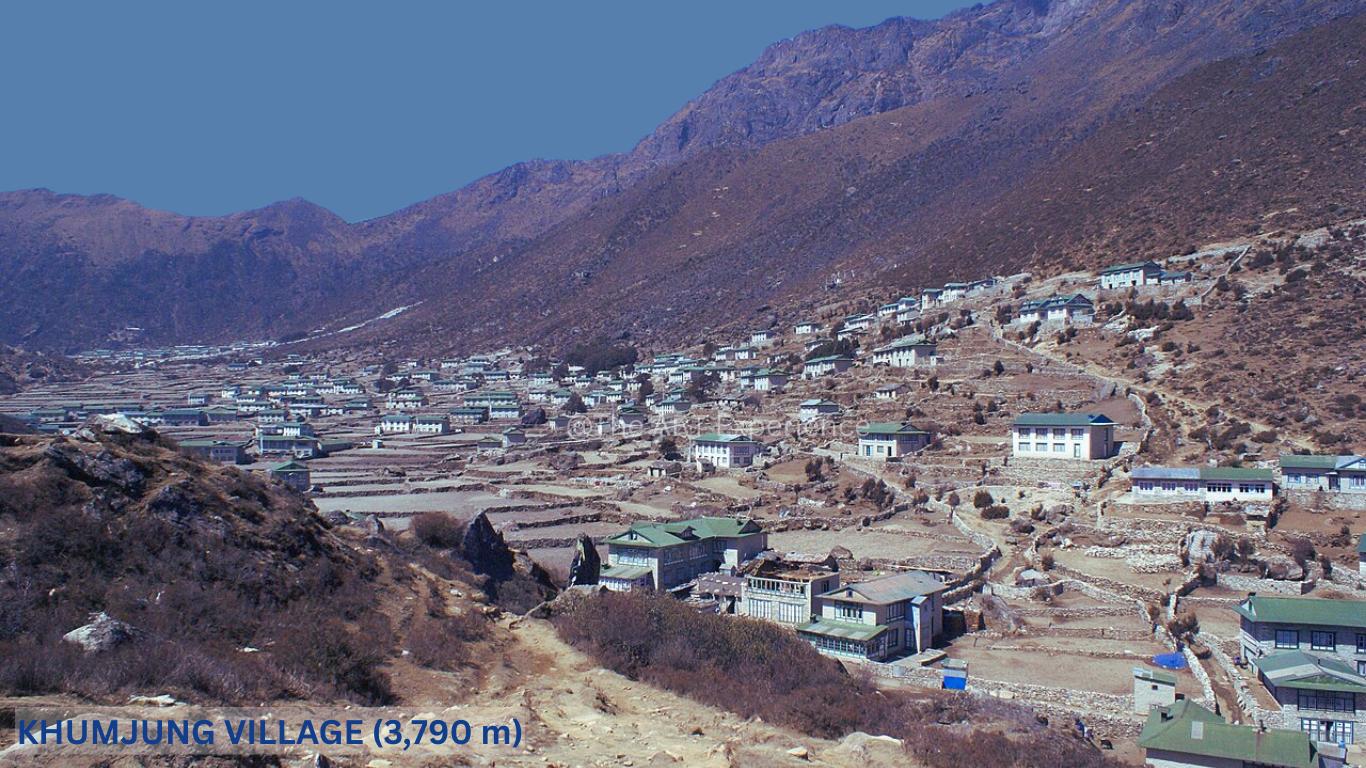
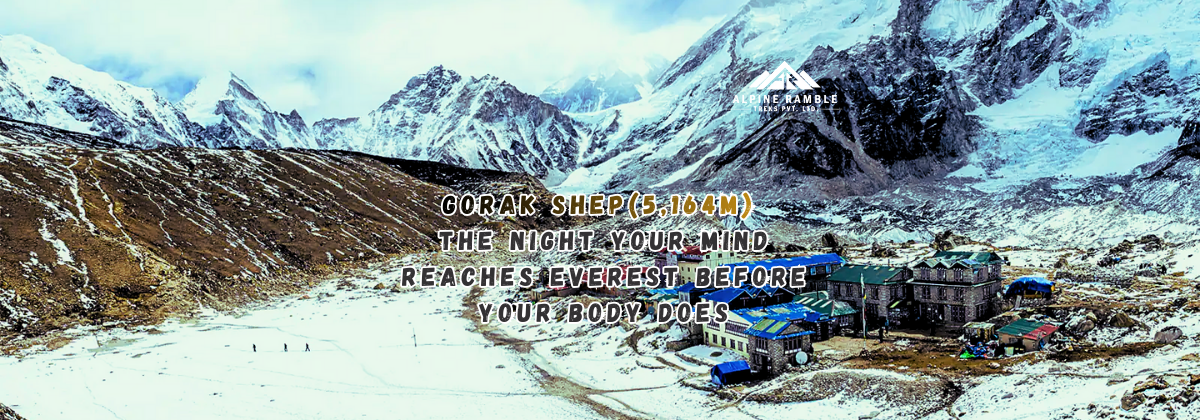
The landscape of Dingboche and the Imja Valley is not only a feast for the eyes but also a canvas of spiritual significance. The towering peaks that encircle this serene settlement are revered by the local Sherpa community and hold deep cultural meaning. For centuries, these mountains have been considered sacred, embodying the spirits of ancestors and deities. The majestic presence of Ama Dablam, often referred to as the 'Mother's Charm,' is particularly notable. This peak is not just a natural wonder; it represents protection and maternal care, making it a focal point for spiritual practices.

In addition to the mountains, the valleys and rivers also play a vital role in the spiritual landscape. The Imja River, flowing through the valley, is seen as a life-giving force, essential for the sustenance of both the land and its people. Local legends often recount tales of how these waters were formed by the tears of gods or the sacrifices of ancient heroes, further enriching the spiritual narrative of the area.

Monasteries and stupas scattered throughout Dingboche serve as places of worship and reflection. These structures are not only architectural marvels but also hubs of spiritual activity. Visitors often partake in rituals and ceremonies, gaining a deeper understanding of the local beliefs. The vibrant prayer flags that flutter in the wind symbolize the interconnectedness of all beings and the importance of compassion in daily life.

Moreover, the changing seasons bring different spiritual practices to the forefront. The best time to experience these elements is during local festivals, where the community comes together to celebrate their heritage through music, dance, and prayer. These events highlight the profound relationship between the people and their environment, showcasing how spirituality is woven into the very fabric of life in Dingboche and the Imja Valley.

Understanding the spiritual elements in this landscape enriches the travel experience, allowing visitors to connect with the culture on a deeper level. As you explore the majestic scenery, take a moment to reflect on the stories and beliefs that have shaped this remarkable region.

The high-altitude regions of Dingboche and the Imja Valley are characterized by unique ecological conditions that significantly influence the flora found in these areas. The harsh environment, with its low temperatures, high winds, and reduced oxygen levels, creates a challenging habitat for plant life. Despite these challenges, a remarkable variety of flora has adapted to thrive in these conditions.

High-altitude flora in Dingboche primarily consists of hardy species that can withstand extreme weather. These plants often exhibit adaptations such as smaller leaf sizes, thicker cuticles, and deeper root systems. Common species include Rhododendron, Juniperus, and various grasses that provide essential ground cover and prevent soil erosion.

During the brief growing season, which is limited by the harsh climatic conditions, these plants play a crucial role in the ecosystem. They not only stabilize the soil but also provide habitat and food for various wildlife, including birds and insects. The presence of these flora contributes to the overall biodiversity of the region, making it a vital area for ecological studies.

Additionally, the unique adaptations of high-altitude plants offer insights into the effects of climate change. As temperatures rise and weather patterns shift, understanding how these species respond can help predict future ecological changes. Conservation efforts are essential to protect these delicate ecosystems from the impacts of tourism and climate change.

In summary, the ecological aspects of high-altitude flora in Dingboche and the Imja Valley reflect a complex interplay between environmental challenges and biological resilience. Studying these plants not only enhances our understanding of high-altitude ecosystems but also underscores the importance of preserving these unique habitats for future generations.

Traveling to remote locations like Dingboche and the Imja Valley can profoundly impact one's mental state. The experience of isolation, often encountered in high-altitude settings, can evoke a mix of emotions ranging from tranquility to introspection. This psychological journey is an integral part of the travel experience, especially in areas where connectivity to the outside world is limited.

Isolation can lead to a deeper connection with nature and oneself. In the serene surroundings of the Imja Valley, travelers often find themselves reflecting on their lives, goals, and aspirations. This self-discovery is a significant aspect of travel psychology, as the quiet and solitude allow for uninterrupted thought processes.

However, isolation can also pose challenges. The lack of social interaction may lead to feelings of loneliness for some individuals. It is essential to prepare mentally for these aspects of travel, especially in high-altitude regions where the environment can amplify emotions. Understanding the potential psychological effects can help travelers manage their expectations and enhance their overall experience.

Moreover, the altitude can influence mood and cognitive function. Travelers should be aware of altitude sickness, which can affect mental clarity and emotional stability. Acclimatization is crucial, and taking the time to adjust physically can also support mental well-being.

Engaging with the local culture and community can mitigate feelings of isolation. Participating in shared meals, local traditions, and conversations with the Sherpa people can foster a sense of belonging. These interactions not only enrich the travel experience but also provide a support system that can alleviate the effects of isolation.

In conclusion, the psychology of travel in high-altitude locations like Dingboche and the Imja Valley is multifaceted. While isolation can lead to profound personal insights, it is vital to recognize and address the potential emotional challenges that may arise. By preparing mentally and embracing the local culture, travelers can navigate their psychological journey and enhance their overall experience.

Our content is based on reliable, verified sources including government data, academic research, and expert insights. We also reference reputable publishers and primary sources where appropriate. Learn more about our standards in our editorial policy.

No sources listed for this article yet.

ART Experience Reviews

Share your ART experience

Add media, drop your rating, and write a few words. Submissions go to the Review Manager for approval.

Related articles

More reading selected from the same theme.