Travel Guide
How to Travel from Sri Lanka to Nepal in 2026 (Complete Route to Visit Nepal)
Discover the ultimate guide on how to travel from Sri Lanka to Nepal in 2026, covering routes, visa requirements, and what to do upon arrival.
Alpine Ramble
Setting out from New York to Nepal for your Everest Base Camp Tour is an exhilarating leap into adventure. The shift from NYC's dynamic streets to the tranquil beauty of the Himalayas is transformative. As you gear up for this remarkable trek, consulting the Nepal Travel Advisory | Travel.state.gov is essential. This resource provides vital insights on safety, health, and entry requirements, paving the way for a seamless journey. Craft an itinerary that includes not only your trekking routes but also cultural experiences, and ensure you understand...
Additionally, be mindful of the altitude challenges you may face as you ascend toward Everest Base Camp. The Nepal Travel Advisory | Travel.state.gov difficulty levels can vary, so it's important to prepare adequately. Budgeting for your trip is another key aspect; the Nepal Travel Advisory | Travel.state.gov cost considerations will help you plan your expenses effectively.
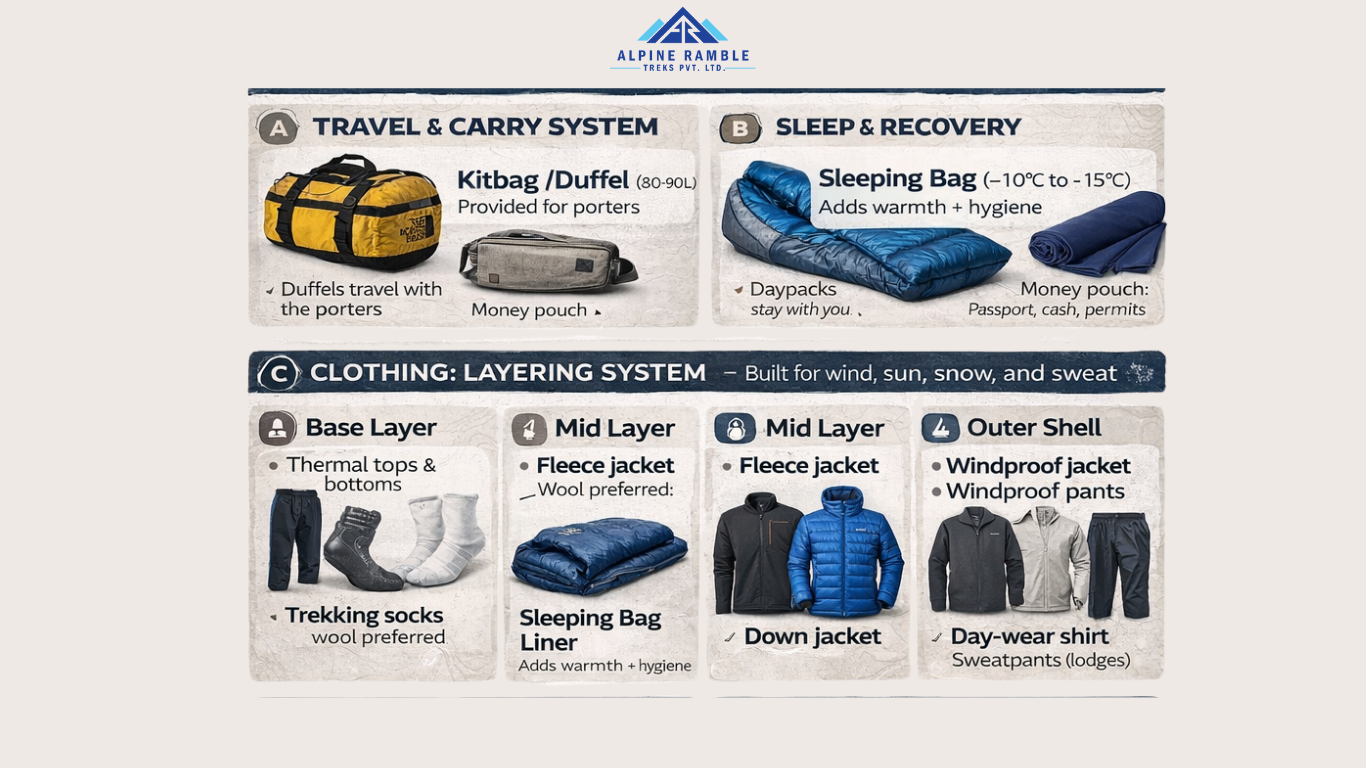
Lastly, don't forget to check the Nepal Travel Advisory | Travel.state.gov packing list to ensure you have all necessary gear for your adventure. From sturdy trekking boots to warm clothing, being well-prepared will enhance your experience in the majestic Himalayas. Your journey from New York to Nepal is just the beginning of a remarkable adventure!
Traveling from New York to Nepal is an adventure that begins well before you set foot in the majestic Himalayas. The journey typically starts with a flight from one of New York's major airports, such as JFK or Newark, to a major international hub like Doha or Dubai. From there, you will catch a connecting flight to Tribhuvan International Airport in Kathmandu, the capital of Nepal.
Upon arrival, you will be greeted by a vibrant culture and stunning landscapes. However, it's crucial to familiarize yourself with the Nepal Travel Advisory | Travel.state.gov to understand the latest safety and health recommendations. This advisory provides essential information on itinerary planning, including permit requirements for trekking in areas like the Everest Base Camp.
As you prepare for your trek, consider the best time to visit Nepal. The spring and autumn months are ideal for trekking, offering clear skies and moderate temperatures. However, be aware of the altitude and difficulty of your chosen trek, as these factors can significantly impact your experience.
Budgeting for your trip is another important aspect. The Nepal Travel Advisory outlines general cost expectations, including accommodation, food, and guide services. It’s advisable to create a packing list tailored to your trek, ensuring you have all the necessary gear for the altitude and climate.
In summary, the journey from New York to Nepal is not just about the destination; it’s about preparing for an unforgettable adventure. Keep the Nepal Travel Advisory | Travel.state.gov in mind as you plan your trip, ensuring a safe and enriching experience in one of the world's most breathtaking landscapes.
Planning your trek to Everest Base Camp from the U.S. involves careful consideration of time and logistics. The Nepal Travel Advisory | Travel.state.gov recommends allocating at least 10 to 14 days for the entire journey. This timeframe allows for travel to and from Nepal, acclimatization, and the actual trek to Base Camp.
When creating your itinerary, consider the following:
In total, you should anticipate a minimum of two weeks for a comfortable experience. This timeframe allows for unexpected delays, such as weather conditions or altitude sickness, which are common in high-altitude trekking. Additionally, familiarize yourself with the Nepal Travel Advisory | Travel.state.gov for permit requirements and safety tips.
Lastly, consider the best time to visit. The ideal trekking seasons are spring (March to May) and autumn (September to November), when the weather is more stable. Remember to pack wisely; a comprehensive packing list is essential for your trek. The Nepal Travel Advisory | Travel.state.gov provides valuable insights into what to bring and the associated costs of your adventure.
Traveling to Nepal is an adventure that many U.S. citizens dream of, especially when planning a trek to Everest Base Camp. One important aspect to consider before your journey is the visa on arrival process, as detailed in the Nepal Travel Advisory | Travel.state.gov. This guide will help ensure a smooth entry into this beautiful country.
U.S. citizens can obtain a visa on arrival at Tribhuvan International Airport in Kathmandu. It is essential to have the required documentation ready, including a valid passport with at least six months' validity, a completed visa application form, and a passport-sized photo. The visa fees vary depending on the length of your stay, so be sure to check the latest costs before your trip.
When planning your itinerary, consider the best time to visit. The peak trekking seasons are spring (March to May) and autumn (September to November), which offer the most favorable weather conditions for hiking. Keep in mind that altitude can be challenging, so acclimatization is vital for a safe trekking experience.
Additionally, understanding the permit requirements is crucial for trekking in the Everest region. Trekkers must obtain a TIMS card and a Sagarmatha National Park entry permit. These can often be arranged through local trekking agencies or at the airport.
As you prepare your packing list, remember to include essentials such as trekking gear, warm clothing, and any medications you may need. The cost of your trip can vary widely based on your travel style, so budget accordingly to ensure a comfortable experience.
In summary, the visa on arrival process for U.S. citizens is straightforward, but being well-prepared will enhance your Nepal travel experience. For more detailed information, refer to the Nepal Travel Advisory | Travel.state.gov.
When planning your adventure to Nepal, especially for treks like Everest Base Camp, it’s crucial to be informed about local embassies, emergency contacts, and key political figures. The Nepal Travel Advisory | Travel.state.gov provides essential information that can enhance your experience and safety.
First, familiarize yourself with the U.S. Embassy in Nepal, located in Kathmandu. They can assist with various issues, from lost passports to emergency evacuations. Keep their contact number handy: +977 1 423 4000. Additionally, knowing the local emergency numbers, such as 100 for police and 102 for ambulances, can be invaluable during your travels.
Understanding the political landscape is also vital. The current Prime Minister and other political leaders can influence travel conditions, especially in remote areas. Stay updated through reliable news sources or the Nepal Travel Advisory | Travel.state.gov for any changes that might affect your itinerary.
Moreover, knowing the permit requirements for trekking in Nepal is essential. Most treks, including Everest Base Camp, require specific permits, which can be arranged through local agencies. The Nepal Travel Advisory | Travel.state.gov outlines these requirements and the best times to visit, ensuring you’re well-prepared.
Lastly, consider the altitude and difficulty of your trek. The Nepal Travel Advisory | Travel.state.gov offers insights into altitude sickness and the physical demands of trekking in the Himalayas. Being aware of these factors will help you pack appropriately and plan your journey effectively.
In conclusion, leveraging resources like the Nepal Travel Advisory | Travel.state.gov will not only enhance your travel experience but also ensure your safety and preparedness as you embark on your unforgettable journey to Nepal.
Arriving in Nepal is a sensory experience that starkly contrasts the hustle and bustle of the United States. From the moment you step off the plane in Kathmandu, you are enveloped in a vibrant tapestry of sights, sounds, and aromas. The chaotic streets, filled with honking rickshaws and the scent of spices, provide a sharp departure from the structured environment of American cities.
One of the most noticeable differences is the pace of life. In Nepal, time seems to flow differently. The laid-back attitude of the locals encourages you to slow down and immerse yourself in the experience. This cultural shift is essential for any traveler, especially those planning an itinerary that includes trekking to Everest Base Camp.
As you navigate through the bustling markets and historic sites, you may also notice the distinct architectural styles, which reflect a rich cultural heritage. The colorful temples and traditional homes are a feast for the eyes, offering a glimpse into the spiritual heart of the country.
When considering your Nepal Travel Advisory | Travel.state.gov, be aware of the altitude changes, especially if you plan to trek in the Himalayas. The journey to Everest Base Camp can be physically demanding, so understanding the permit requirements and difficulty levels is crucial for a safe adventure.
Moreover, the best time to visit Nepal is typically during the spring and autumn months, when the weather is favorable for trekking. Take note of the packing list recommendations to ensure you are well-prepared for the varying conditions.
In terms of cost, traveling in Nepal can be significantly more affordable than in the United States, allowing you to stretch your budget further while enjoying the local cuisine and hospitality. Embrace the differences and prepare for an unforgettable journey that contrasts sharply with your experiences back home.
When planning your Nepal Travel Advisory | Travel.state.gov itinerary, it’s essential to consider cultural customs. Nepali culture is deeply rooted in traditions, and showing respect for local customs is crucial. For instance, removing your shoes before entering homes or temples is a common practice. Additionally, understanding the significance of gestures, such as how to greet someone or the importance of the right hand in giving and receiving, will help you navigate social interactions smoothly.
Communication extends beyond language. The warmth and hospitality of the Nepali people are integral to the trekking experience. Engaging with local guides and porters not only enriches your journey but also supports the local economy. They can provide insights into the region’s history, culture, and the challenges faced by the communities living in the shadow of the Himalayas.
As you prepare for your trip, consider the Nepal Travel Advisory | Travel.state.gov packing list, which should include items that respect local customs. This includes modest clothing for visiting religious sites and practical gear for trekking. Understanding the Nepal Travel Advisory | Travel.state.gov permit requirements is also vital, as certain areas require special permits.
Lastly, awareness of altitude effects is crucial during your trek. The Nepal Travel Advisory | Travel.state.gov provides guidance on acclimatization, which is essential for a safe and enjoyable experience. By being culturally sensitive and prepared, your Everest Base Camp adventure can be both rewarding and memorable.
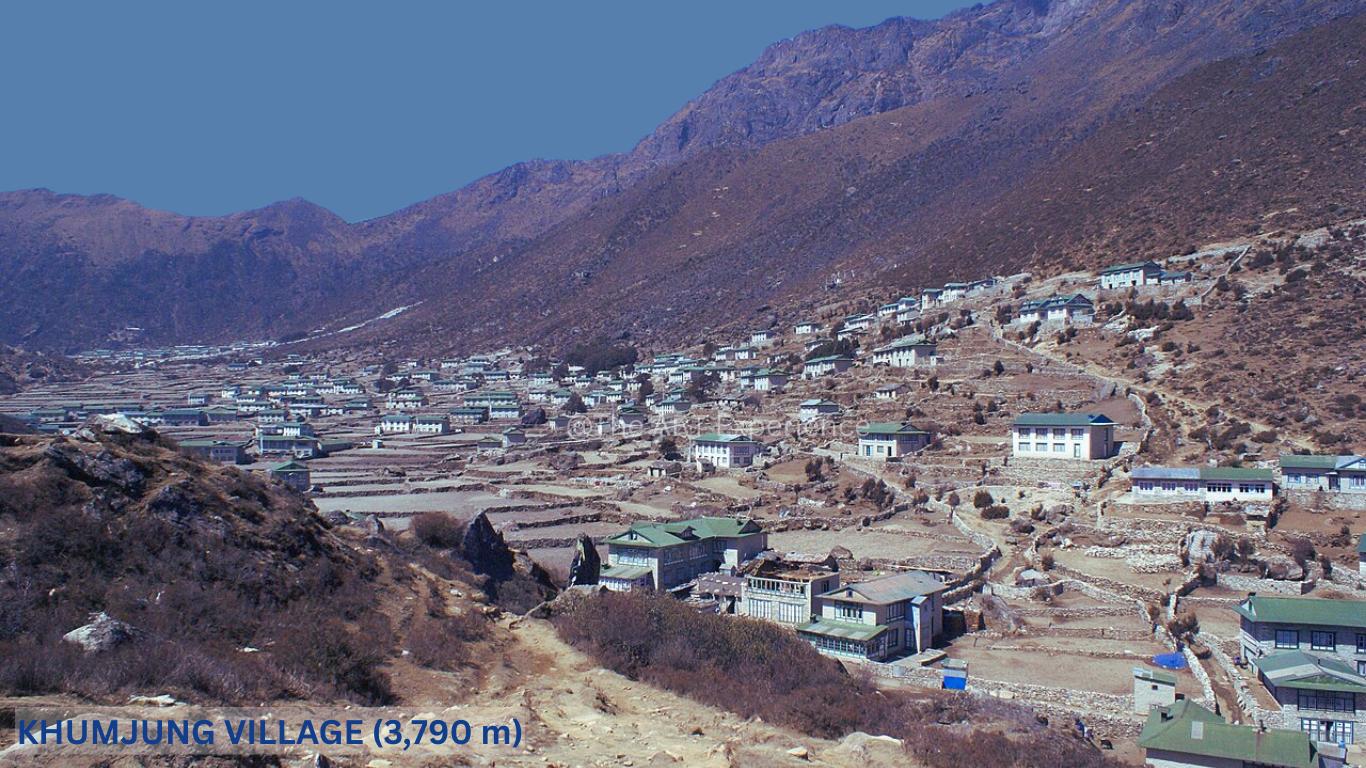
Continuing on, the path takes you to Tengboche, home to the famous monastery that offers a serene atmosphere and breathtaking vistas. As you ascend to Dingboche and Lobuche, be mindful of your body’s response to the altitude. The Nepal Travel Advisory | Travel.state.gov provides valuable insights into altitude sickness and how to manage it effectively.
Finally, the journey culminates at Gorak Shep, the last stop before the Everest Base Camp. Here, trekkers can reflect on their experiences and prepare for the final push to the base camp. Remember to consider the best time to visit, as weather conditions can significantly impact your trek. The Nepal Travel Advisory | Travel.state.gov also outlines permit requirements and costs associated with your trek, ensuring you are well-prepared.
As you traverse this iconic route, each village and vista contributes to the overarching story of your adventure. With careful planning and adherence to the Nepal Travel Advisory | Travel.state.gov, your journey from Kathmandu to Gorak Shep will be an unforgettable chapter in your travel narrative.
Planning a trek to Everest Base Camp is an exciting adventure, but understanding the costs involved is crucial for first-time trekkers.
First, consider the permit requirements. A TIMS card and an entry permit for the Sagarmatha National Park are necessary, which can total around $50. Additionally, factor in the cost of local guides and porters, which can enhance your experience and safety.
Next, accommodation and food expenses vary significantly. In Kathmandu, budget hotels range from $10 to $30 per night, while teahouses along the trekking route offer meals for $5 to $10. It's wise to budget around $30 to $50 per day for food and lodging during your trek.
Transportation is another key expense. Flights from Kathmandu to Lukla, the starting point for the trek, typically cost between $150 and $200. Be sure to check the Nepal Travel Advisory | Travel.state.gov for the latest updates on flight availability and prices.
When considering the best time to visit, prices can fluctuate based on the season. Peak trekking seasons, such as spring and autumn, may lead to higher costs due to increased demand.
Lastly, don't forget to account for gear. A proper packing list is essential, with costs for quality trekking equipment ranging from $200 to $500, depending on what you already own.
In summary, a well-planned budget for your Everest Base Camp trek should encompass permits, accommodation, food, transportation, and gear. The Nepal Travel Advisory | Travel.state.gov is a valuable resource for understanding these costs and ensuring your adventure is both memorable and financially manageable.
For budget travelers, round-trip flights can range from $600 to $900. These fares often require flexible travel dates and may involve layovers. It's advisable to book in advance and keep an eye on flight deals to secure the best prices.
For those seeking a more comfortable experience, expect to pay between $1,000 and $1,500. This range typically includes better airlines and more convenient flight times. Comfortable travelers might also consider adding a few extra days to their itinerary to explore more of Nepal.
If luxury is your goal, round-trip costs can soar to $2,000 or more. This option often includes direct flights, premium services, and additional amenities. Luxury travelers may also want to invest in guided tours or exclusive experiences while in Nepal.
In conclusion, whether you're a budget, comfortable, or luxury traveler, planning your round-trip cost from New York to Nepal is a key step in ensuring a memorable Everest Base Camp experience.
Our content is based on reliable, verified sources including government data, academic research, and expert insights. We also reference reputable publishers and primary sources where appropriate. Learn more about our standards in our editorial policy.
No sources listed for this article yet.
ART Experience Reviews
Add media, drop your rating, and write a few words. Submissions go to the Review Manager for approval.
More reading selected from the same theme.
%22%2F%3E%3Cpath%20d%3D%22M0%20620c140-120%20260-180%20360-180s220%2060%20360%20180%20260%20180%20480%20180V800H0z%22%20fill%3D%22%23bfdbfe%22%2F%3E%3Ccircle%20cx%3D%22980%22%20cy%3D%22170%22%20r%3D%2272%22%20fill%3D%22%2393c5fd%22%2F%3E%3C%2Fsvg%3E)