Why Climbing Mt Manasu is Harder than Climbing Mt Everest?
Explore the challenges and dangers of climbing Mt Manaslu compared to the iconic Mt Everest. Understand why many climbers consider Manaslu to be the more difficult ascent.
Nepal, a landlocked country nestled in the heart of the Himalayas, is renowned for its breathtaking landscapes and rich biodiversity. Among its many natural treasures, freshwater resources stand out as a vital asset. The question, Why Nepal is Rich in Freshwater?, can be attributed to several geographic and climatic factors that contribute to the abundance of water in this region.
One of the primary reasons for Nepal's wealth in freshwater is its unique topography. The country boasts numerous rivers, lakes, and glaciers that originate from the towering peaks of the Himalayas. These rivers, including the Koshi, Gandaki, and Karnali, are not only crucial for irrigation and drinking water but also play a significant role in hydropower generation.
With an estimated hydropower potential of over 80,000 megawatts, Nepal has the potential to become a powerhouse in renewable energy.
Additionally, the monsoon season, which typically lasts from June to September, brings substantial rainfall to the region. This seasonal influx of water replenishes rivers and lakes, ensuring that freshwater remains accessible throughout the year. The diverse climatic zones of Nepal also contribute to varying ecosystems, supporting a rich array of flora and fauna that depend on these freshwater sources.
While discussing the question of whether Nepal is a rich or poor country, it is essential to recognize that its freshwater resources are a significant factor in its potential for economic development. The abundance of water not only supports agriculture, which is the backbone of the Nepalese economy, but also attracts tourism, particularly in areas known for trekking and adventure sports.
In conclusion, the richness of Nepal in freshwater resources is a result of its geographical features, seasonal rainfall, and the ecological diversity that thrives in this unique environment. Understanding these factors is crucial for appreciating the importance of water conservation and sustainable management in ensuring that Nepal's freshwater remains a vital resource for generations to come.
Nepal, often referred to as the water tower of Asia, boasts a remarkable abundance of freshwater resources, primarily due to its unique geographical features. The country is home to the majestic Himalayas, which not only shape its stunning landscape but also play a crucial role in the hydrological cycle.
The towering peaks of the Himalayas are the source of numerous rivers, including some of the largest in the region, such as the Koshi, Gandaki, and Karnali. These rivers originate from glaciers and snowmelt, ensuring a continuous supply of freshwater throughout the year. As these rivers descend from the mountains, they carve out deep valleys and create fertile plains, further enhancing the availability of water.
Additionally, Nepal's diverse topography contributes to its rich freshwater resources. The country features a range of elevations, from the lowland Terai plains to the high-altitude regions of the Himalayas. This variation in altitude creates different climatic zones, resulting in a variety of precipitation patterns.
The monsoon season brings heavy rainfall, replenishing rivers, lakes, and groundwater reserves.
Moreover, the presence of numerous lakes and wetlands across the country adds to its freshwater wealth. These bodies of water serve as vital ecosystems and support a diverse range of flora and fauna. They also play a significant role in regulating water flow and maintaining the overall health of the environment.
In summary, the geographical features of Nepal, including its towering mountains, diverse topography, and abundant lakes, are key factors that contribute to the country's richness in freshwater. Understanding these natural elements helps clarify why Nepal is considered a vital resource for freshwater in the region.
Nepal's position in the heart of the Himalayas plays a crucial role in its abundance of freshwater resources. The towering peaks of the Himalayas, including Mount Everest, serve as glaciers that accumulate vast amounts of snow during the winter months. As temperatures rise in spring and summer, these glaciers melt, releasing freshwater into the numerous rivers that flow down from the mountains.
The rivers originating from the Himalayas, such as the Koshi, Gandaki, and Karnali, are not only vital for local ecosystems but also support agriculture, hydropower generation, and drinking water supply for millions of people in Nepal and neighboring countries. This natural water supply is essential for sustaining life and economic activities in a region where agriculture is a primary source of livelihood.
Moreover, the unique topography of the Himalayas creates a diverse range of microclimates, which further contributes to the region's hydrological cycle. The monsoon season brings heavy rainfall, replenishing rivers and lakes, and ensuring that freshwater remains abundant throughout the year. This natural phenomenon is a significant factor in determining whether Nepal is a rich or poor country in terms of water resources.
The Koshi River, often referred to as the 'Sorrow of Bihar,' is one of Nepal's most important rivers, contributing significantly to the country's irrigation and hydropower generation. Its extensive basin supports agriculture in the Terai region, which is essential for food production.
Similarly, the Gandaki River is renowned for its rich biodiversity and is a lifeline for many communities. It supports agriculture, fishing, and tourism, particularly in areas like the Annapurna Circuit, which attracts trekkers from around the globe.
The Karnali River, the longest river in Nepal, is vital for its ecological and economic significance. It is a primary source of hydropower, and its waters are harnessed for energy production, which is crucial for Nepal's development. Additionally, the river's natural beauty and adventure sports opportunities, such as white-water rafting, draw tourists, contributing to the local economy.
These rivers not only sustain livelihoods but also maintain the ecological balance in their respective regions. They provide habitats for various aquatic species and support the overall health of the environment. The interconnectedness of these rivers with the landscape highlights why Nepal is rich in freshwater resources.
In summary, the major rivers of Nepal are indispensable for the country's agriculture, energy production, and ecological health. Understanding their importance is key to appreciating why Nepal is rich in freshwater and how these resources can be sustainably managed for future generations.
Nepal is home to numerous lakes that play a crucial role in its rich freshwater ecosystem. These lakes, ranging from high-altitude glacial bodies to lowland wetlands, are not only vital for biodiversity but also serve as important water sources for both human and wildlife populations. The ecological significance of these lake systems cannot be overstated, as they support a variety of flora and fauna, contributing to the overall health of the environment.
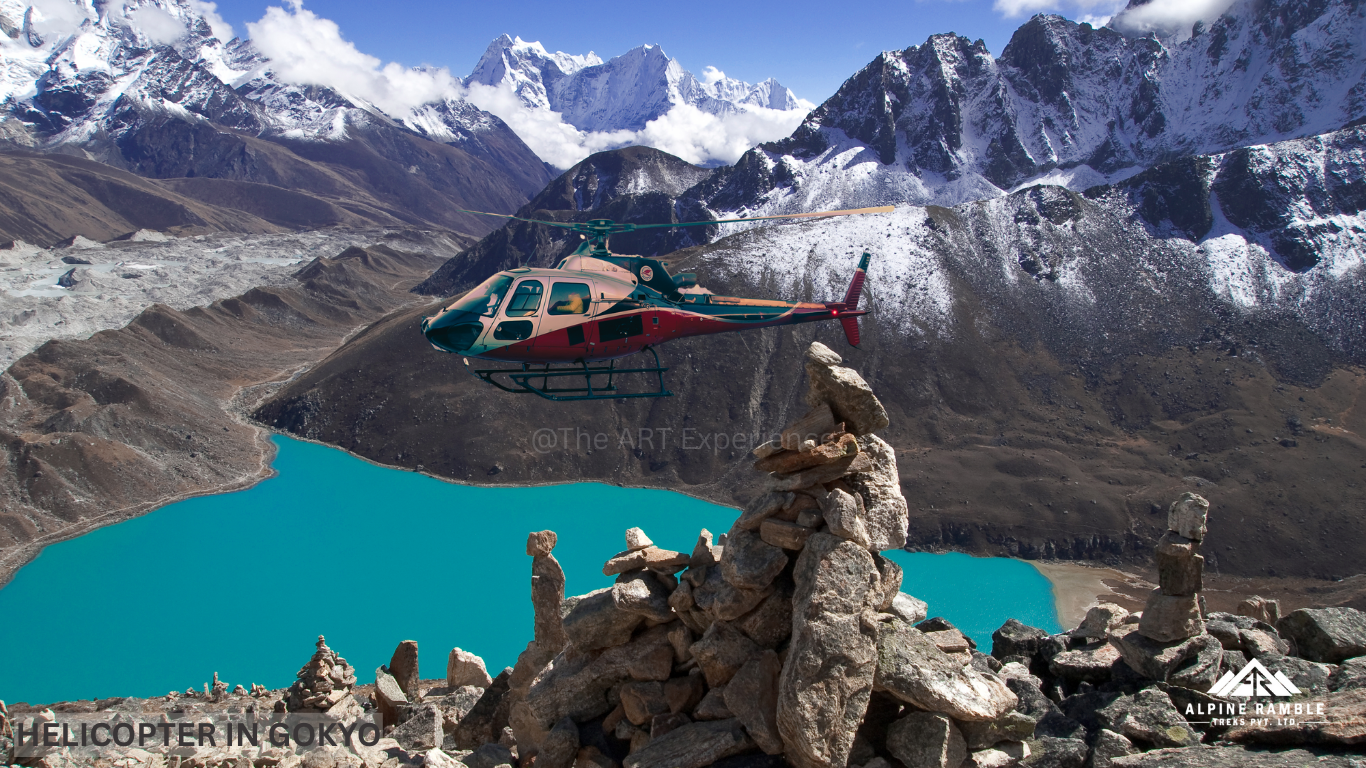
Many lakes in Nepal, such as Gokyo Lake, Rara Lake and Phewa Lake, are known for their stunning beauty and ecological diversity. They provide habitats for various species of fish, birds, and aquatic plants, making them essential for maintaining ecological balance. Additionally, these lakes act as natural reservoirs, helping to regulate water flow and mitigate the impacts of floods and droughts, which are increasingly common due to climate change.
The lakes also play a significant role in local economies, supporting fishing, tourism, and agriculture. Communities around these water bodies often depend on them for their livelihoods, showcasing the interconnectedness of natural resources and human well-being. Furthermore, the preservation of these lake systems is critical in the face of urbanization and environmental degradation, as they are vulnerable to pollution and over-exploitation.
The lake systems of Nepal are not only beautiful landscapes but also vital ecological assets. Their preservation is essential for sustaining biodiversity, supporting local economies, and ensuring a rich supply of freshwater in a country that is already recognized for its abundant water resources. Understanding the ecological significance of these lakes enhances our appreciation of why Nepal is rich in freshwater.
Nepal's freshwater resources are significantly influenced by the monsoon season, which typically lasts from June to September. During this period, the country experiences heavy rainfall, contributing to the replenishment of rivers, lakes, and groundwater systems. The annual monsoon rains are crucial for maintaining the hydrological balance, ensuring that the freshwater supply remains abundant throughout the year.
The monsoon not only enhances the volume of water in major rivers but also supports the intricate ecosystems that rely on these water bodies. As rainwater flows into rivers and lakes, it helps sustain aquatic life and supports the livelihoods of communities that depend on fishing and agriculture. This seasonal influx of water is vital for irrigation, especially in rural areas where agriculture is the backbone of the economy.
Moreover, the monsoon's impact on freshwater availability extends beyond immediate water supply. It plays a critical role in shaping the landscape of Nepal, contributing to soil fertility and supporting diverse flora and fauna. However, the intensity of monsoon rains can also lead to challenges such as flooding and landslides, which can disrupt water systems and affect access to freshwater.
Despite these challenges, the monsoon remains a key factor in understanding why Nepal is rich in freshwater. The seasonal rains are essential for replenishing water resources and ensuring that the country can sustain its rich biodiversity and agricultural productivity. As such, the monsoon is not just a weather phenomenon; it is a lifeline for Nepal's freshwater ecosystems and the communities that depend on them.
Water holds immense cultural significance in Nepal, deeply intertwined with the daily lives and spiritual practices of its people. The abundance of freshwater resources not only sustains the population but also shapes the cultural identity of various communities across the country. In many regions, rivers and lakes are revered as sacred entities, often associated with deities and spiritual beliefs.
For instance, the Bagmati River, which flows through Kathmandu, is considered holy and is a site for numerous religious rituals, including cremation ceremonies. This reverence for water is evident in festivals such as the Indra Jatra, where the city celebrates the importance of water in agriculture and daily life. The connection between water and spirituality fosters a sense of responsibility among the people to protect and preserve these vital resources.
Moreover, the agricultural practices in Nepal are heavily reliant on freshwater availability. Traditional farming methods, which have been passed down through generations, emphasize the importance of water management and conservation. Communities often engage in collective efforts to maintain irrigation systems that are crucial for crop production, showcasing a communal respect for water as a life-giving resource.
In addition to agriculture, water plays a significant role in social gatherings and cultural events. Festivals often feature water-related activities, symbolizing purification and renewal. This cultural appreciation for water not only enhances community bonds but also reinforces the understanding of why Nepal is rich in freshwater resources.
Nepal, despite its abundance of freshwater, faces several challenges that threaten the sustainability of its water resources. Rapid population growth and urbanization have increased the demand for water, straining existing supplies. As cities expand, the risk of pollution in freshwater bodies rises, impacting both human health and aquatic ecosystems.
Additionally, climate change poses a significant threat to Nepal's freshwater resources. The melting of glaciers in the Himalayas, which are a crucial water source, can lead to both flooding and reduced water availability in the long term. This dual threat complicates water management efforts and necessitates adaptive strategies to ensure a reliable supply of freshwater.
Another challenge is the lack of infrastructure for water distribution and management. Many rural areas still rely on traditional methods for water collection, which can be inefficient and unsustainable. Investment in modern infrastructure is essential to improve access to clean water and reduce wastage.
Nepal, often celebrated for its breathtaking landscapes and rich cultural heritage, is also recognized for its abundant freshwater resources. This leads to the question: is Nepal a rich or poor country? To answer this, we must consider various factors, including natural resources, economic conditions, and social indicators.
Freshwater is a vital resource for any nation, and Nepal is home to some of the highest concentrations of freshwater in the world. The country’s extensive river systems, glaciers, and lakes provide not only drinking water but also support agriculture, hydropower, and biodiversity. The significance of these resources cannot be overstated, as they play a crucial role in sustaining local communities and the economy.
Economically, while Nepal faces challenges such as poverty and limited infrastructure, its wealth in freshwater presents opportunities for growth. The potential for hydropower generation is immense, with estimates suggesting that Nepal could produce over 80,000 MW of hydroelectricity. This could significantly boost the economy and improve the living standards of its citizens.
Nepal's abundant freshwater resources are a vital asset that not only supports its diverse ecosystems but also plays a crucial role in the livelihoods of its people. As we explore the question of why Nepal is rich in freshwater, it becomes clear that the country's unique geographical features and climatic conditions create an ideal environment for water generation and preservation.
However, the future of these resources is under threat from various challenges, including climate change, pollution, and unsustainable development practices. It is essential for Nepal to adopt effective management strategies that ensure the sustainable use of its freshwater resources. This includes enhancing water conservation efforts, promoting responsible tourism, and engaging local communities in water management initiatives.
Furthermore, international cooperation and investment in infrastructure can help bolster Nepal’s capacity to harness and protect its freshwater resources. As the world increasingly recognizes the importance of water security, Nepal stands at a crossroads where it can leverage its natural wealth to improve the quality of life for its citizens while contributing to regional stability and ecological health.
The question of whether Nepal is a rich or poor country extends beyond mere economic indicators; it encompasses the richness of its natural resources, particularly freshwater. With proactive measures and sustainable practices, Nepal can secure a future where its freshwater resources continue to thrive, benefiting both present and future generations.
Our content is based on reliable, verified sources including government data, academic research, and expert insights. We also reference reputable publishers and primary sources where appropriate. Learn more about our standards in our editorial policy.
No sources listed for this article yet.
ART Experience Reviews
Add media, drop your rating, and write a few words. Submissions go to the Review Manager for approval.
More reading selected from the same theme.