Travel
Nepal: A Journey from the Divine Himalayas to the Fertile Terai
Explore the sacred geography of Nepal, where the divine meets humanity across the majestic Himalayas and the lush Terai.
Alpine Ramble
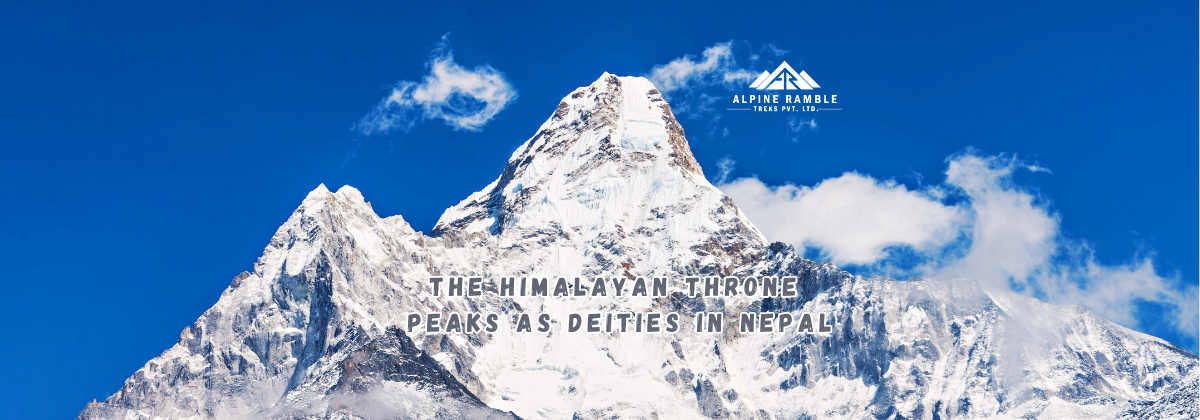
In the heart of the Himalayas, where the air is thin and the spirit is high, Nepal emerges as a sacred realm. Known as Dev Bhumi, or the land of the gods, this region is more than just a geographical wonder. Here, mountains are revered deities, embodying the divine essence that has shaped the beliefs and practices of the people for millennia.
Standing tall, Mount Everest, known as Sagarmatha to the Nepali people, and the majestic Annapurna range are guardians of ancient traditions. They represent spiritual journeys and the vibrant tapestry of human experience woven through the ages.
As we embark on this exploration of the Himalayan pilgrimage Nepal, we delve into the intertwining of spirituality, culture, and tourism. The sacred landscapes invite adventurers and seekers of truth alike. With each step taken along the trails, from the bustling streets of Kathmandu to the serene monasteries nestled in the high valleys, we encounter a living testament to the enduring relationship between humanity and the divine.
| Peak Name | Elevation (m) |
|---|---|
| Mount Everest | 8,848 |
| Annapurna I | 8,091 |
| Langtang Lirung | 7,227 |
In the heart of Nepal, where the air is thin and the spirit soars, the towering peaks of the Himalayas rise like ancient sentinels. Revered by the local populace as divine beings, this sacred land, known as Dev Bhumi, is not merely a backdrop for adventure. It is a living tapestry woven with threads of spirituality, culture, and community.
As you trek through the majestic landscapes of the Himalayan pilgrimage Nepal, each step becomes a pilgrimage. You connect to the essence of the mountains and the rich traditions of the people who call this place home.
The journey begins in the Sagarmatha Region, where Mount Everest, or Sagarmatha as it is known in Nepali, stands at an awe-inspiring [Elevation: 8,848 m]. This peak, considered the roof of the world, is not only a challenge for climbers but a sacred site for the Sherpa spirituality. The Sherpa community believes that the mountain is the abode of gods.
As you walk the trails, you can feel the reverence in the air, punctuated by the fluttering of prayer flags and the distant sound of gongs from monasteries nestled in the valleys.
| Peak Name | Elevation (m) | Significance |
|---|---|---|
| Mount Everest | 8,848 | Considered the highest peak in the world, a sacred site for Sherpas. |
| Mount Annapurna | 8,091 | A revered peak in Hinduism, known for its beauty and danger. |
| Langtang Lirung | 7,227 | Significant for the Tamang community, linked to local deities. |
The Civilizational Thread of Nepal connects its rich cultural heritage with the spiritual significance of its Himalayan peaks. This thread weaves through the practices and beliefs of local communities. Here, mountains are not merely natural formations but revered deities.
The Sherpa spirituality encapsulates this reverence, particularly towards Everest, which is regarded as sacred. The Annapurna region is equally significant, embodying the culture and traditions of the people who inhabit its foothills. Trekking in Nepal serves as a pilgrimage, offering both physical and spiritual journeys.
The following aspects illustrate this intertwining of civilization and the sacred:
| Mountain | Significance |
|---|---|
| Everest | Symbol of aspiration and spirituality |
| Annapurna | Center of cultural practices |
| Lhotse | Site of ancient rituals |
| Manaslu | Connection to spiritual journeys |
In the heart of the Himalayas, where the jagged peaks of Sagarmatha and Annapurna rise majestically, spirituality intertwines with daily life. These mountains are not just geographical features; they are revered as deities, embodying the divine presence in the lives of the people who inhabit their shadows. The Sherpa, Gurung, and Tamang communities honor these peaks through rich traditions and spiritual practices, offering a glimpse into a world where the sacred and the mundane coexist.
The Himalayas have long been a site of pilgrimage and reverence, with local legends and religious texts intertwining to create a tapestry of beliefs. The Sherpa, who often refer to Everest as Sagarmatha, view the mountain as a mother figure, a protector that watches over them. Similarly, Annapurna, known as the goddess of nourishment, holds a special place in the hearts of the Gurung people, who conduct rituals to seek her blessings for a bountiful harvest.
| Festival | Significance |
|---|---|
| Mani Rimdu | A key Sherpa festival, celebrating the Buddha's teachings with rituals and dances. |
| Dumji | Honors local deities and ancestors, featuring vibrant community celebrations. |
Nepal's majestic mountains are not just a backdrop; they are the very essence of the people who inhabit this sacred land. The Sherpa, Tamang, and Gurung communities embody the spirit of the Himalayas, serving as guardians of the sacred. Through their customs, languages, and spirituality, they weave a rich tapestry that connects the divine and the terrestrial.
The Sherpa people, renowned for their unparalleled mountaineering skills, have a deep spiritual connection with the peaks, especially Sagarmatha (Mount Everest). Their language, Sherpa, is a dialect of Tibetan, encapsulating the profound respect they hold for the mountains. Their rituals and traditions, such as the Dumji festival, celebrate their heritage and reinforce their bond with the land.
The Tamang community, primarily found in the Langtang region, also shares this reverence, blending Buddhist practices with indigenous beliefs. Their language, Tamang, carries the weight of ancestral memory, often expressed through songs and oral traditions that recount the stories of their ancestors and the divine nature of their surroundings.
| Community | Language | Key Festival |
|---|---|---|
| Sherpa | Sherpa | Dumji |
| Tamang | Tamang | Sonam Lhosar |
| Gurung | Gurung | Tihar |
The art and architecture of Nepal reflect the profound spirituality and cultural richness of its Himalayan pilgrimage Nepal. Temples, stupas, and monasteries are not merely structures; they embody the divine. These sites serve as focal points for worship and reflection. In this sacred land, every sculpture and painting tells a story of devotion, connecting the earthly to the celestial.
Key elements include:
Engaging with this art and architecture provides deeper insights into the spiritual landscape of the Himalayan pilgrimage Nepal. Here, every element serves a purpose beyond aesthetics, fostering a connection to the divine.
In the heart of the Himalayas, where the peaks rise like ancient deities, the culinary arts serve not only as sustenance but also as a profound expression of spirituality and cultural identity. The food of Nepal, especially in the regions surrounding Everest and Annapurna, is deeply intertwined with ritual, offering a connection to the divine. Each dish reflects the land's rich agricultural heritage and the spiritual beliefs of its people.
Among the Sherpa and Gurung communities, food is prepared during religious festivals and everyday life to honor the mountains, seen as sacred guardians. The preparation of traditional dishes such as dal bhat, a staple made from lentils and rice, is accompanied by prayers and rituals. This transforms cooking into an offering to the gods. Similarly, momos, steamed dumplings filled with meat or vegetables, are often presented at altars during festivals, symbolizing nourishment and gratitude.
| Dish | Spiritual Significance |
|---|---|
| Dal Bhat | Nourishment and gratitude to the gods |
| Momos | Offerings during festivals for blessings |
In the heart of the Himalayas, festivals serve as vibrant expressions of faith and community. They echo the ancient rhythms of life intertwined with the sacred. The festivals of Nepal, particularly those celebrated in the Himalayan pilgrimage Nepal regions of Everest and Annapurna, honor the divine and reinforce the cultural fabric that has persisted for over 7000 years.
Each event is a living testament to the spiritual narratives that have shaped the identity of local communities, such as the Sherpa, Tamang, and Gurung. These groups have long revered the mountains as deities.
Among the most significant festivals are Mani Rimdu and Dumji, which encapsulate the spiritual essence of Sherpa spirituality. Mani Rimdu, celebrated in the autumn months, typically around October, is a vibrant festival blending Buddhist teachings with local traditions.
It features elaborate rituals, traditional dances, and communal feasting, drawing participants from various regions to the monasteries of Tengboche and Thame. Dumji, on the other hand, is a Sherpa festival held in the spring, showcasing the community’s gratitude to the deities for their protection and blessings.
| Festival | Date | Significance |
|---|---|---|
| Mani Rimdu | October | Buddhist teachings and community unity |
| Dumji | April | Gratitude to deities and protection |
| Losar | February/March | Tibetan New Year celebration |
As travelers set foot in Nepal, the Dev Bhumi, they embark on a sacred journey through the heart of the Himalayas. The majestic peaks of Everest and Annapurna stand not only as formidable challenges for trekkers but as revered deities in the local spiritual landscape. Each step taken on these ancient trails is a pilgrimage, a pathway connecting the human spirit to the divine.
High-end hospitality awaits at various lodges and boutique hotels, providing comfort and cultural immersion, making each visitor's experience memorable.
The best seasons for trekking in these regions are spring (March to May) and autumn (September to November). During these times, the weather is clear, and the trails are alive with vibrant flora and the sounds of local festivals. Visitors are encouraged to embrace the local customs, such as greeting the Sherpa and Tamang communities with a simple 'Namaste,' which embodies respect and acknowledgment of their rich heritage.
| Route | Duration | Elevation (m) | Best Season |
|---|---|---|---|
| Everest Base Camp | 12-14 days | [Elevation: 5,364 m] | March - May, Sept - Nov |
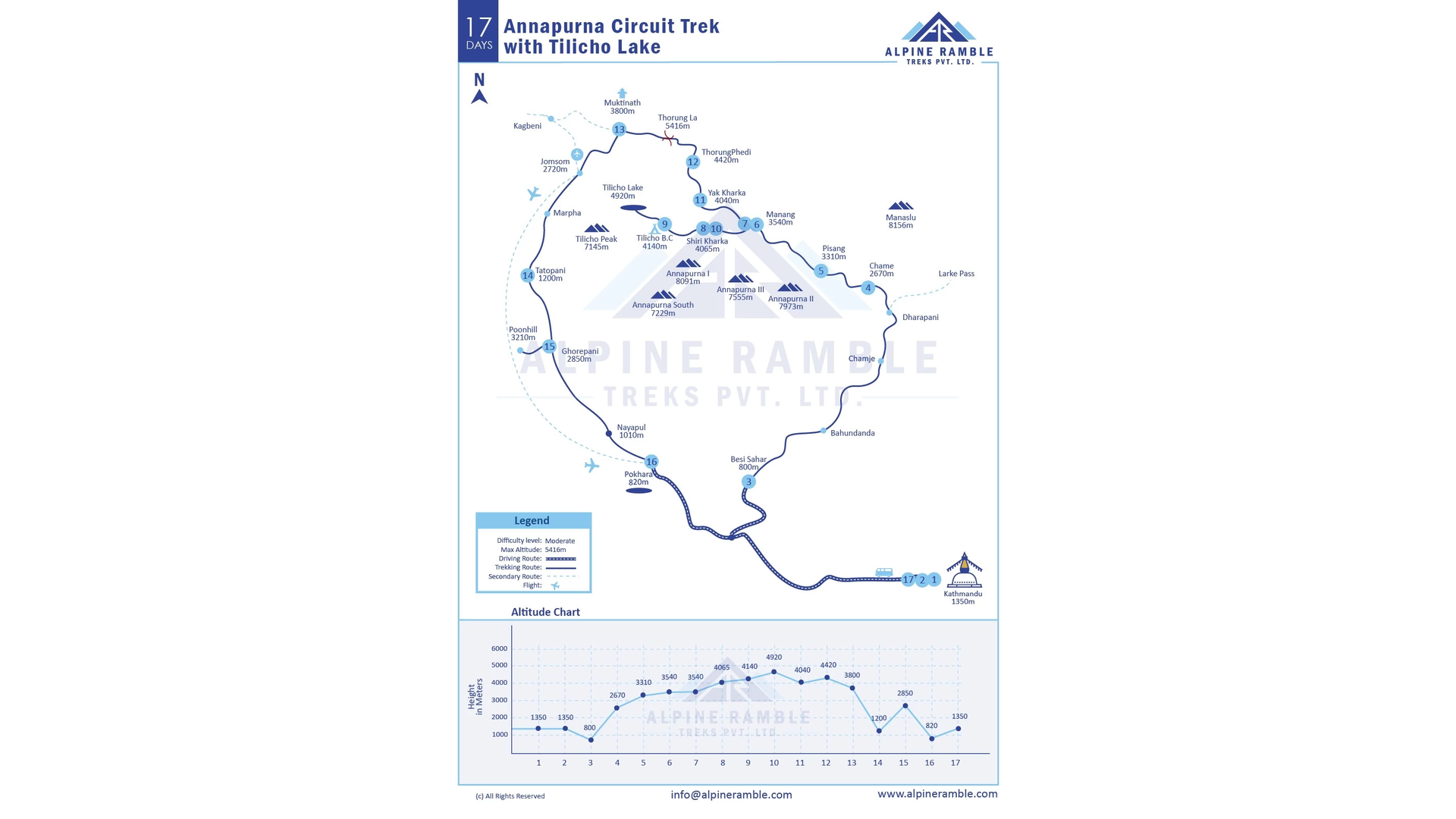
| Annapurna Circuit | 15-20 days | [Elevation: 5,416 m] | March - May, Sept - Nov |
| Langtang Valley | 7-10 days | [Elevation: 4,850 m] | March - May, Sept - Nov |
| Gosaikunda Trek | 8-10 days | [Elevation: 4,380 m] | March - May, Sept - Nov |
Himalayan pilgrimage Nepal reveals its sacred peaks, where Everest sacred and Annapurna stand as symbols of reverence. Sherpa spirituality permeates the culture, enhancing the trekking experience. Mountain monasteries offer profound insights into this rich heritage.
Engage with the land's essence through exploration, understanding its significance beyond mere travel. Embrace the journey; it shapes perception and fosters profound connections.
The Everest sacred site embodies the mountain's revered status, drawing trekkers into its majestic presence. Annapurna culture highlights the rich traditions intertwined with the peaks, reflecting the deep-rooted respect for nature.
Sherpa spirituality enhances the journey, providing insights into the sacredness of the land. Trekking Nepal reveals not just physical challenges but also a path toward spiritual enlightenment.
Mountain monasteries serve as sanctuaries, fostering reflection and connection to the divine. Engage with the landscape's spiritual essence through these key points:
The Sherpa people, renowned as the guardians of the Himalayas, embody a rich tapestry of spirituality and culture interwoven with the towering peaks of Sagarmatha (Everest) and Annapurna. Their legacy is not merely one of mountaineering prowess but also of profound spiritual connection to the land they inhabit. With elevations soaring above 8,848 meters, the Sherpas view these mountains as sacred deities, a belief deeply rooted in their Buddhist traditions and practices.
Historically, the Sherpa community has played a pivotal role in the exploration of these majestic landscapes. In the early 20th century, they assisted Western climbers, including Sir Edmund Hillary and Tenzing Norgay, in their quests to conquer Everest. This collaboration not only showcased their exceptional skills as climbers but also introduced the world to their unique culture. The Sherpa's understanding of the mountains extends beyond physical navigation; it is imbued with spiritual significance. High-altitude passes like the Kongma La ([Elevation: 5,535 m]) are not just routes but sacred pathways that connect the physical and spiritual realms.
As custodians of the Himalayas, the Sherpa people's spirituality manifests through rituals and festivals, such as Dumji, which celebrates the protector deity, and Mani Rimdu, a festival that incorporates vibrant dances and prayers to honor the sacred peaks. These events are a testament to the Sherpa's commitment to preserving their cultural identity while sharing their spiritual heritage with the world.
The Sherpas' language, a member of the Tibeto-Burman family, carries the weight of their history and rituals. Words spoken during ceremonies and prayers echo the collective memory of their ancestors, reinforcing their connection to the divine. The Sherpa's oral traditions, rich with legends and songs, offer insights into their reverence for the mountains, portraying them as living entities imbued with power and wisdom.
In the contemporary context, the Sherpa community is navigating the delicate balance between preserving their traditions and adapting to the influx of tourism. The growth of trekking Nepal has brought economic benefits, yet it also poses challenges to their cultural integrity. As visitors embark on sacred trekking routes through the Everest and Annapurna regions, it is vital to approach this experience with respect and awareness of the Sherpa's profound spiritual relationship with the land.
To truly appreciate the Sherpa legacy, one must engage with the community, participate in their festivals, and learn about their traditions. This engagement not only enriches the visitor's experience but also fosters a deeper understanding of the Sherpa's role in the broader narrative of Himalayan pilgrimage Nepal. The Sherpas are more than guides; they are the spiritual stewards of a landscape revered as divine.
In the heart of the Himalayas, language is more than a means of communication; it is a vessel of memory and history. The diverse linguistic tapestry of Nepal reflects the rich cultural heritage of its people. With over 120 languages spoken, the region is a mosaic of dialects, including Nepali, Sherpa, Tamang, and Gurung, each carrying the weight of ancestral stories and spiritual beliefs.
The Sherpa language, for instance, is deeply intertwined with their spirituality. Ritual words and phrases are embedded in their daily lives, serving as a reminder of their connection to the sacred peaks. The term 'Chomolungma,' meaning 'Goddess Mother of the World' in Tibetan, is used to refer to Mount Everest, emphasizing the reverence with which the mountain is regarded. Similarly, the Tamang community uses the phrase 'Dawa' to signify the importance of the moon in their lunar calendar, which dictates their cultural festivals and agricultural practices.
Language not only encapsulates rituals but also preserves the wisdom of generations. Oral traditions, passed down through songs and stories, keep alive the memories of significant events, such as the first ascents of these majestic mountains or the establishment of ancient trade routes that connected these highland communities with the world below. For instance, the Gurung community celebrates the 'Buddha Jayanti,' a festival honoring the birth of Buddha, through songs that recount their spiritual journey and connection to the Himalayas.
Moreover, the art of storytelling is deeply rooted in the region's cultures. Folk tales narrated in local dialects serve as both entertainment and education, imparting moral lessons and cultural values to the younger generations. This linguistic heritage acts as a bridge between the past and present, ensuring that the sacredness of the land is not forgotten.
As travelers engage with local communities, they are often welcomed into this rich linguistic landscape. Learning a few words in the local dialect can enhance the visitor experience, fostering deeper connections and mutual respect. The act of listening to a Sherpa recount tales of their ancestors or a Tamang elder share wisdom through proverbs reveals the profound relationship between language and the sacred geography of the Himalayas.
In this way, language becomes a living testament to the divine connection that permeates every aspect of life in the Himalayas. It binds communities together, allowing them to navigate their cultural identity amidst the towering peaks that inspire reverence and awe. As we continue our exploration of this sacred land, let us remember the power of words and the memories they carry, echoing through the valleys and across the mountains.
In the heart of Nepal, the sacred mountains rise majestically, embodying the divine essence that has captivated the souls of pilgrims and travelers alike. The peaks of Sagarmatha, known globally as Mount Everest, stand at an awe-inspiring [Elevation: 8848 m], while Annapurna, revered in both Hindu and Buddhist traditions, reaches [Elevation: 8091 m]. The Langtang region, with its breathtaking vistas, boasts peaks like Langtang Lirung at [Elevation: 7246 m]. These elevations not only define the topography of the region but also serve as a tangible connection to the spiritual realm.
The landscape of the Himalayas is a testament to the profound belief that these mountains are not merely geological formations but living deities. In the Sherpa culture, for instance, the spirits of the mountains are deeply respected, with rituals and offerings made to honor them. The Sherpa people, who have long been synonymous with high-altitude trekking, view their relationship with these peaks as a sacred bond, where each ascent is a form of pilgrimage.
As trekkers embark on journeys through the Everest and Annapurna regions, they traverse paths that have been walked for centuries, each step echoing the footsteps of those who have come before. The trails, lined with prayer flags and stupas, guide pilgrims and adventurers alike towards their spiritual destinations. This intertwining of geography and spirituality creates a unique pilgrimage experience that is both physically challenging and profoundly enriching.
Read on to discover how the sacredness of these mountains shapes the cultural fabric of Nepal and the lives of its people.
Our content is based on reliable, verified sources including government data, academic research, and expert insights. We also reference reputable publishers and primary sources where appropriate. Learn more about our standards in our editorial policy.
No sources listed for this article yet.
ART Experience Reviews
Add media, drop your rating, and write a few words. Submissions go to the Review Manager for approval.
More reading selected from the same theme.
%22%2F%3E%3Cpath%20d%3D%22M0%20620c140-120%20260-180%20360-180s220%2060%20360%20180%20260%20180%20480%20180V800H0z%22%20fill%3D%22%23bfdbfe%22%2F%3E%3Ccircle%20cx%3D%22980%22%20cy%3D%22170%22%20r%3D%2272%22%20fill%3D%22%2393c5fd%22%2F%3E%3C%2Fsvg%3E)