
Travel
The Himalayan Throne: Peaks as Deities in Nepal
Discover the sacredness of Nepal's Himalayan peaks, where mountains are revered as deities, and trekking becomes a pilgrimage through a land rich in culture and spirituality.
Alpine Ramble
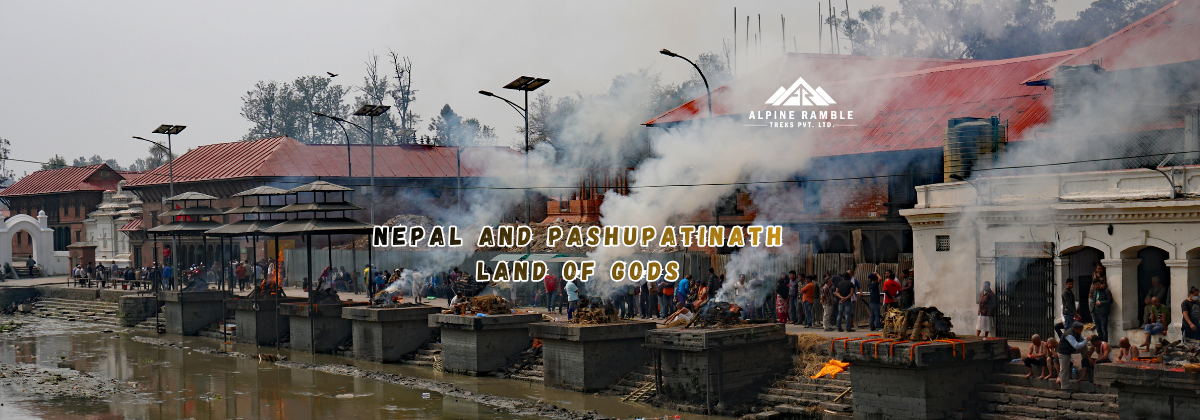

Nepal's sacred geography predates modern borders, defining its civilization. The towering Himalayas have served as a natural barrier and a cultural unifier, fostering a unique identity that interlaces spirituality with daily life. This landscape has cultivated a continuous sacred civilization, where the divine and the mundane coexist seamlessly.
| Feature | Significance |
|---|---|
| Himalayan Range | Natural boundary and spiritual anchor for civilization. |
| Pashupatinath Temple | Central axis of Hindu worship and cultural identity. |
Pashupatinath is not merely a site of worship; its location embodies the intricate relationship between sacred geography and human settlement in Nepal. Situated on the banks of the Bagmati River, this ancient temple complex serves as a focal point in the Kathmandu Valley, a region that has been a cradle of civilization for centuries. The interplay of river, terrain, and settlement is crucial to understanding why Pashupatinath exists where it does.
| Feature | Description | Significance |
|---|---|---|
| River Proximity | Located by the Bagmati River | Essential for rituals and agricultural sustainability |
| Elevation | Situated on a raised platform | Offers protection and visibility |
| Trade Routes | Strategically positioned along historic pathways | Facilitates cultural and religious exchange |
Pashupatinath, revered as the protector of the state, transcends the boundaries of sectarian worship. His significance is deeply embedded in the historical and political fabric of Nepal, where the deity has been a unifying symbol across various dynasties. The Licchavi and Malla dynasties, among others, recognized Pashupatinath not merely as a religious figure but as a central element in the governance and cultural identity of the Kingdom of Nepal.
| Dynasty | Period | Significant Contributions | Notable Rulers |
|---|---|---|---|
| Licchavi | 400-750 CE | Construction of temples and inscriptions | Gunakamadeva |
| Malla | 1200-1769 CE | Festivals and urban sacred planning | Jayasthiti Malla |
| Shah | 1769-2008 CE | Protection of Pashupatinath during unification | Prithvi Narayan Shah |
| Modern Era | 2008-Present | Preservation of rituals and temple management | Various political leaders |
The Licchavi period (circa 400-750 CE) marked a significant transformation in the governance and religious landscape of Nepal. Central to this transformation was the integration of Shaivism into the political framework, particularly through the patronage of the Pashupatinath Temple. The rulers of this era employed inscriptions and temple administration as tools to codify sacred power into their governance structure, thereby intertwining state authority with religious significance.
| Inscriptions | Significance |
|---|---|
| Bhaktapur Inscription | Details royal patronage of Pashupatinath |
| Kirtipur Inscription | Documents the integration of Shaivism into local governance |
The Licchavi rulers’ integration of religious practice into state governance created a model of political continuity that influenced subsequent dynasties, particularly during the Malla period. This interdependence between Pashupatinath and the political landscape of Nepal underscores the temple's role not merely as a religious site but as a cornerstone of state identity and authority.

The Malla Dynasty, which flourished in the Kathmandu Valley from the 12th to the 18th centuries, marks a significant chapter in the history of Nepal. This era is characterized by an extraordinary alignment of art, ritual, and state governance, centering around the Pashupatinath Temple. The Malla kings recognized Pashupatinath not merely as a religious site but as a vital element of their political legitimacy and cultural identity.
| Festival | Significance | Royal Patronage |
|---|---|---|
| Shivaratri | Celebration of Lord Shiva | Attended by Malla kings to showcase devotion |
| Biska Jatra | New Year festival | Involvement of the king in rituals |
| Indra Jatra | Harvest festival | Royal participation to ensure prosperity |
The urban sacred planning during this time was not random but a deliberate effort to create a city that embodied the divine. Each temple, including Pashupatinath, was strategically placed, allowing the city to function as a living representation of the cosmos. The festivals of the Malla era served not only as religious observances but also as a means of reinforcing state authority and communal identity.
Read on to discover how this synergy of art and ritual laid the groundwork for the enduring legacy of Pashupatinath.
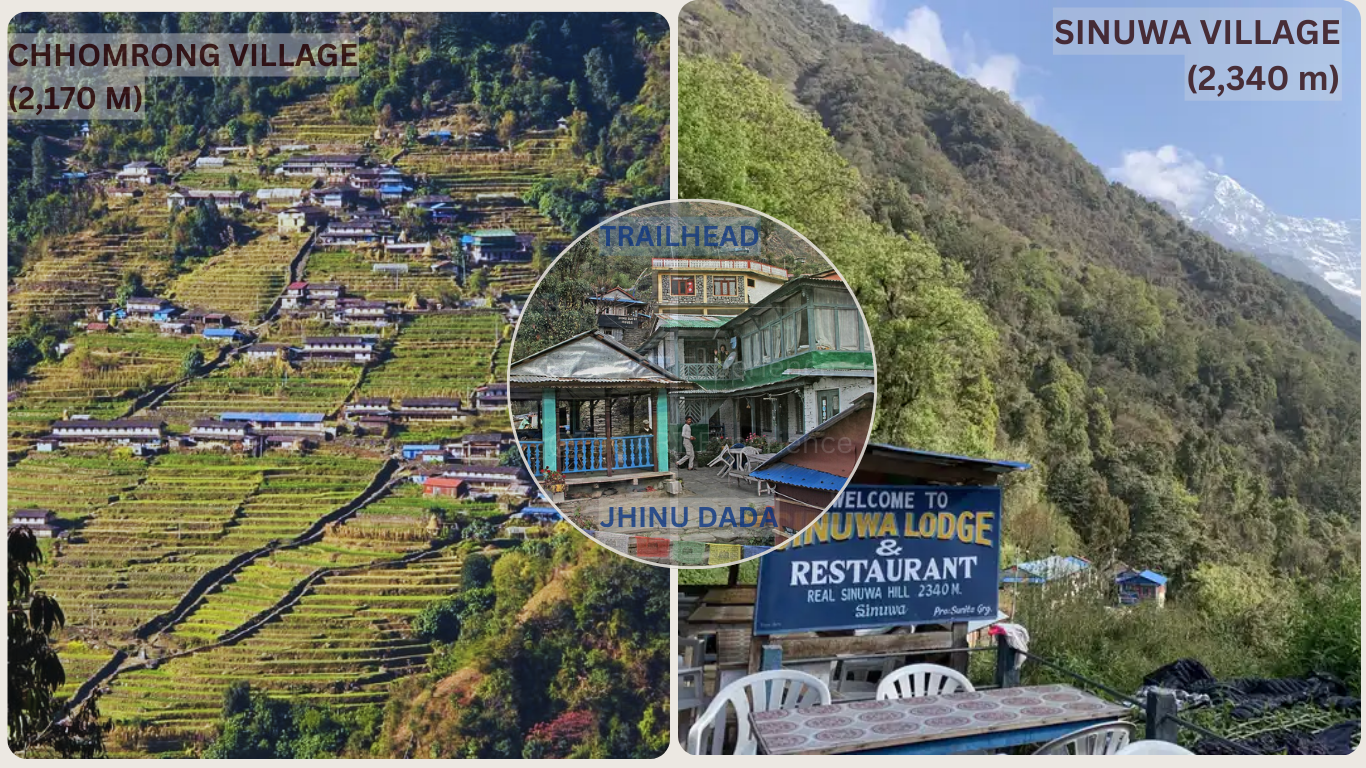
Nepal’s sacred geography has long served as a canvas for the intricate interplay between Hindu and Buddhist traditions. This coexistence is not merely an accident of history; it is a foundational aspect of Nepal's civilizational identity. The Kathmandu Valley, with its rich tapestry of temples and stupas, exemplifies this unique harmony, where sacred spaces are shared rather than contested.
The roots of this continuity can be traced back to the Licchavi Dynasty (circa 400-750 CE), which embraced both Hinduism and Buddhism. Under their reign, the valley flourished as a cultural hub. Temples dedicated to Lord Shiva, such as the Pashupatinath Temple, coexisted alongside stupas honoring the Buddha, illustrating a mutual respect and integration of beliefs.
In this landscape, it is essential to recognize that Hindu and Buddhist practices often overlap, creating a syncretic culture that is distinctly Nepali. Festivals such as Indra Jatra and Dashain not only draw upon Hindu narratives but also incorporate Buddhist elements, reflecting a shared cultural heritage. This blending of traditions has allowed for a seamless coexistence that has endured for centuries.
Moreover, the concept of sacred geography in Nepal is crucial to understanding this continuity. Sites like Swayambhunath (also known as the Monkey Temple) and Boudhanath Stupa are not merely religious landmarks; they are integral components of a broader spiritual landscape that transcends sectarian divides. This geographical intermingling of Hindu and Buddhist sites emphasizes the idea that Nepal is a living Sanatan civilization, where spiritual beliefs are interwoven with daily life.
Historically, the Malla Dynasty (12th to 18th centuries) further solidified this coexistence. The Malla kings patronized both Hindu and Buddhist institutions, commissioning magnificent temples and stupas. Their reign marked an era where art, architecture, and religious practices flourished in tandem, creating a vibrant urban sacred planning that still resonates today.
In contemporary Nepal, this legacy continues to manifest in daily rituals and communal celebrations. The ongoing reverence for both Pashupatinath and Boudhanath exemplifies how these traditions coexist without conflict, fostering a sense of unity among diverse communities. The priesthoods of both Hindu and Buddhist sites often collaborate, demonstrating a shared commitment to preserving this rich heritage.
As we explore the depths of Nepal’s sacred geography, it becomes evident that the Hindu–Buddhist continuity is not merely a historical curiosity but a living testament to the resilience of a civilization that embraces diversity. The enduring legacy of this coexistence serves as a model for cultural integration, highlighting the importance of mutual respect and understanding in a rapidly changing world. Read on to discover how Pashupatinath, as a state-level deity, has played a crucial role in this narrative of coexistence.
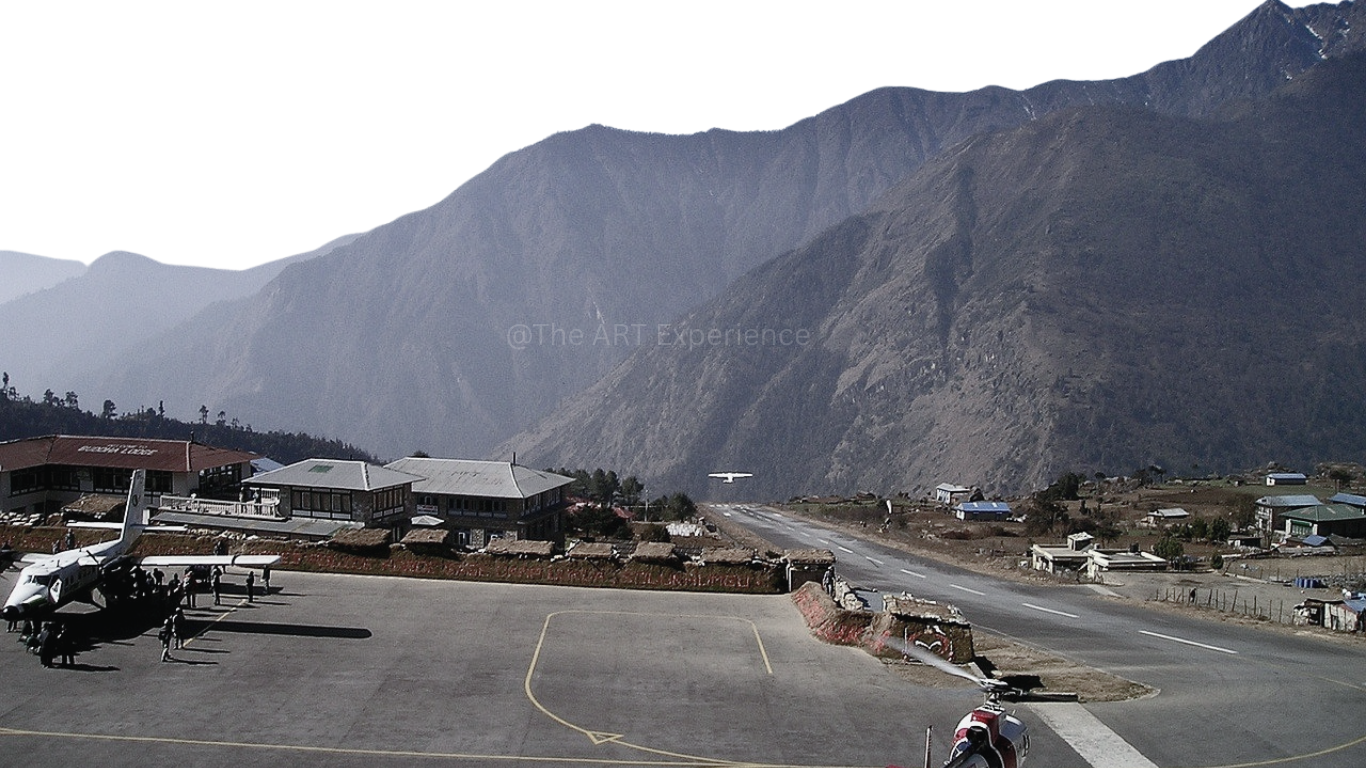
The Pashupatinath Temple, a UNESCO World Heritage Site, stands as a testament to the enduring belief in the cycle of life and death within the sacred geography of Nepal. This sacred site, located on the banks of the Bagmati River in Kathmandu, serves not only as a religious monument but also as a crucial cremation ground, where the rituals surrounding death are deeply intertwined with the notion of immortality. It is here that the essence of Sanatan Dharma manifests, emphasizing the continuity of existence beyond physical demise.
At Pashupatinath, the cremation ghats are a focal point for the observance of death as a continuum rather than an end. Thousands gather to witness the rites performed for the deceased, reinforcing the belief that life persists in different forms. This perspective is deeply rooted in the teachings of Lord Shiva, who is worshiped here as Pashupati, the Lord of Animals, embodying the cycle of birth, life, death, and rebirth. The rituals conducted by priests, often from the priestly lineage of the temple, reflect a continuity of tradition that has been maintained for centuries.
The significance of Pashupatinath extends beyond its religious implications; it also plays a vital role in the socio-political fabric of Nepal. As a cremation ground, it underscores the connection between the living and the dead, a theme prevalent in the Himalayan way of life. The practice of cremation at this site is believed to ensure that the soul attains moksha, or liberation from the cycle of rebirth, further solidifying Pashupatinath's status as a spiritual axis of Nepal.
The Bagmati River, flowing beside the temple, is regarded as a sacred entity, enhancing the sanctity of the cremation grounds. The river's waters are believed to purify the souls of the deceased, facilitating their journey to the afterlife. This geographical positioning is not merely coincidental; it reflects a deep understanding of sacred geography, where natural elements are integrated into the spiritual narrative of the region.
Throughout history, Pashupatinath has witnessed the evolution of various dynasties, including the Licchavi and Malla, each contributing to its legacy as a state-level deity. The royal patronage offered to the temple has ensured its prominence within the Kingdom of Nepal, reinforcing the notion that the political and spiritual realms are inextricably linked.
In modern times, the significance of Pashupatinath remains undiminished. The temple continues to draw pilgrims and tourists alike, who seek to engage with its profound history and cultural heritage. The daily rituals performed at the temple reflect a living Sanatan civilization, where the past and present coalesce into a vibrant tapestry of belief and practice.
The enduring legacy of Pashupatinath as a site of immortality and continuity is a reminder of Nepal's rich civilizational history. It illustrates how the sacred geography of the region not only shapes its cultural identity but also serves as a foundation for understanding the complexities of life, death, and rebirth.
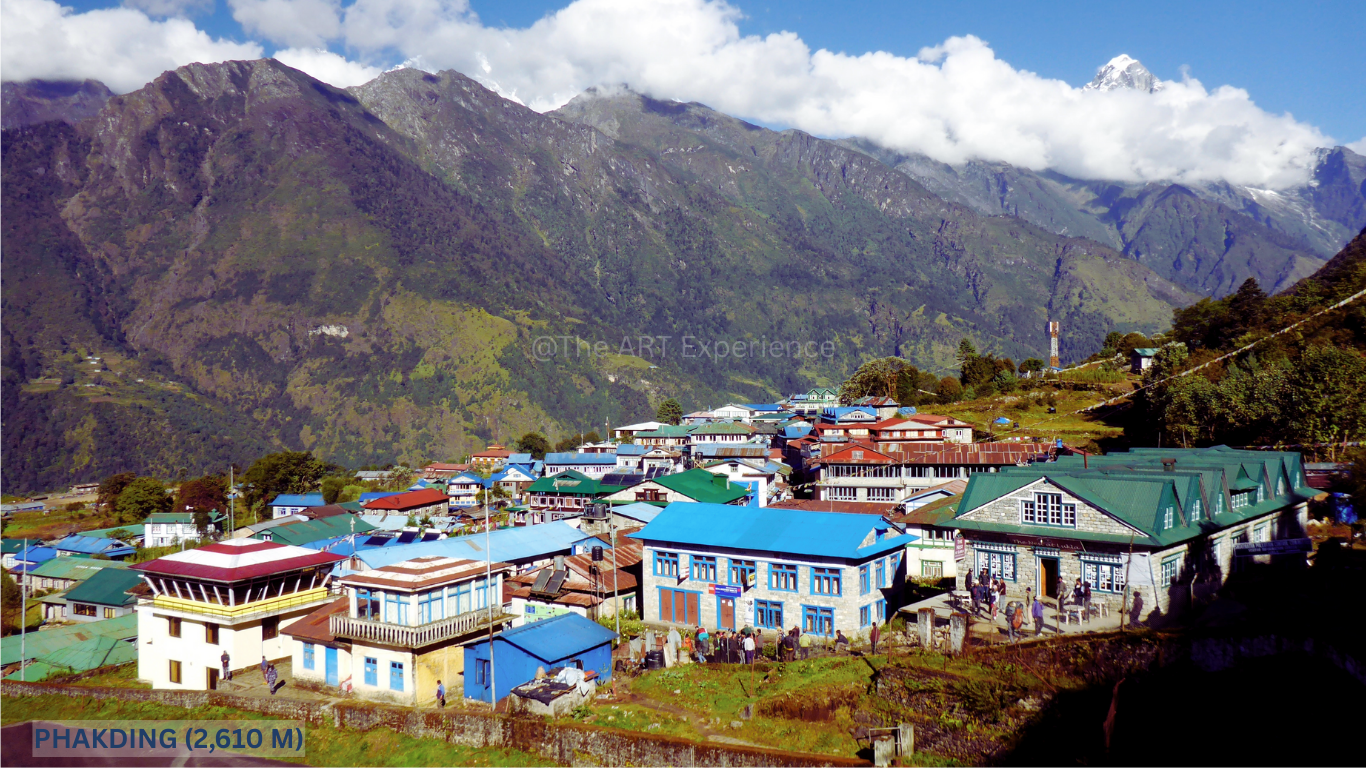
The history of Nepal is interwoven with the enduring presence of Pashupatinath, a sacred site that has remained central to the nation's cultural and spiritual identity. The Shah kings, who unified Nepal in the 18th century, recognized the significance of Pashupatinath as not merely a religious site but as a symbol of national unity and continuity. Their governance reflected a commitment to safeguarding this sacred geography, ensuring that Pashupatinath remained untouched by the tides of political change.
Throughout the Kingdom of Nepal's history, the Shah dynasty maintained Pashupatinath as a vital component of its royal patronage. This relationship was not just ceremonial; it reinforced the political legitimacy of the kings as protectors of the sacred. The kings undertook various initiatives to preserve Pashupatinath, including funding renovations and ensuring the temple's administration was aligned with the prevailing Shaivite traditions, which served as the governance logic of the time.
As the political landscape evolved, the Shah kings continued to uphold Pashupatinath's sanctity. Their role as guardians was evident in their policies that prioritized the temple's preservation amidst external threats and internal strife. This commitment ensured that the temple remained a focal point of Nepal's sacred geography, reinforcing the notion that the nation itself is organized around Pashupatinath, rather than the temple being an isolated entity within a larger state.
The historical significance of this protection is profound. It speaks to a broader understanding of how Nepal's sacred geography has shaped its civilizational identity. Pashupatinath, as a living Sanatan civilization, embodies the continuity of cultural practices and beliefs that transcend individual dynasties. The Shah kings' efforts to safeguard this site established a legacy of reverence and respect for the divine, which continues to resonate in modern Nepal.
Today, Pashupatinath stands not only as a temple but as a testament to the enduring relationship between governance and spirituality in Nepal. The Shah kings' role in protecting this sacred core reveals the intricate ties between political power and religious devotion, illustrating why Pashupatinath remains a vital axis around which the identity of Nepal revolves. Read on to discover how this relationship has evolved through time and what it signifies for contemporary Nepal.

The colonial era of South Asia, marked by British expansion in the 19th century, presented unique challenges and opportunities for Nepal. Unlike many of its neighbors, Nepal managed to maintain its sovereignty, a feat that can be partially attributed to its deeply embedded sacred identity, particularly centered around the Pashupatinath Temple. This temple, dedicated to Lord Shiva, is not just a religious site; it is a cornerstone of Nepal's cultural and civilizational identity.
Throughout the colonial period, Pashupatinath remained untouched by desacralization efforts that affected other regions. The British recognized the strategic importance of Nepal as a buffer state against their imperial rivals. The temple's significance as a sacred site ensured that it was treated with a level of respect that preserved its sanctity. This is evident from the various treaties and agreements that acknowledged Nepal's unique position, allowing it to navigate colonial pressures while maintaining its internal governance structure.
Moreover, the resilience of Pashupatinath during this period can be understood through the lens of the state's relationship with its sacred geography. The temple served as a symbol of continuity and stability in a time of political upheaval. The British, aware of the temple's influence on the Nepali populace, adopted a policy of strategic restraint, allowing traditional practices and governance to continue relatively unimpeded. This approach not only preserved the temple but also reinforced the idea of Nepal as a living Sanatan civilization.
As a result, Pashupatinath became a focal point for national identity, weaving together the threads of Hindu and Buddhist traditions that have coexisted in the Kathmandu Valley for centuries. The temple's enduring presence symbolizes a collective memory and shared heritage that transcends colonial narratives. It stands as a testament to the resilience of Nepal's sacred geography, which has historically anchored the nation's identity.
The preservation of Pashupatinath during colonial times is a profound reflection of how geography, belief, and strategic restraint can align to protect a civilization's core. This alignment has allowed Nepal to emerge from the shadows of colonialism with its sacred identity intact, continuing to function as a vital axis around which the nation's cultural and spiritual life revolves.
Read on to discover how modern Nepal continues to uphold this legacy through the ongoing reverence for Pashupatinath.
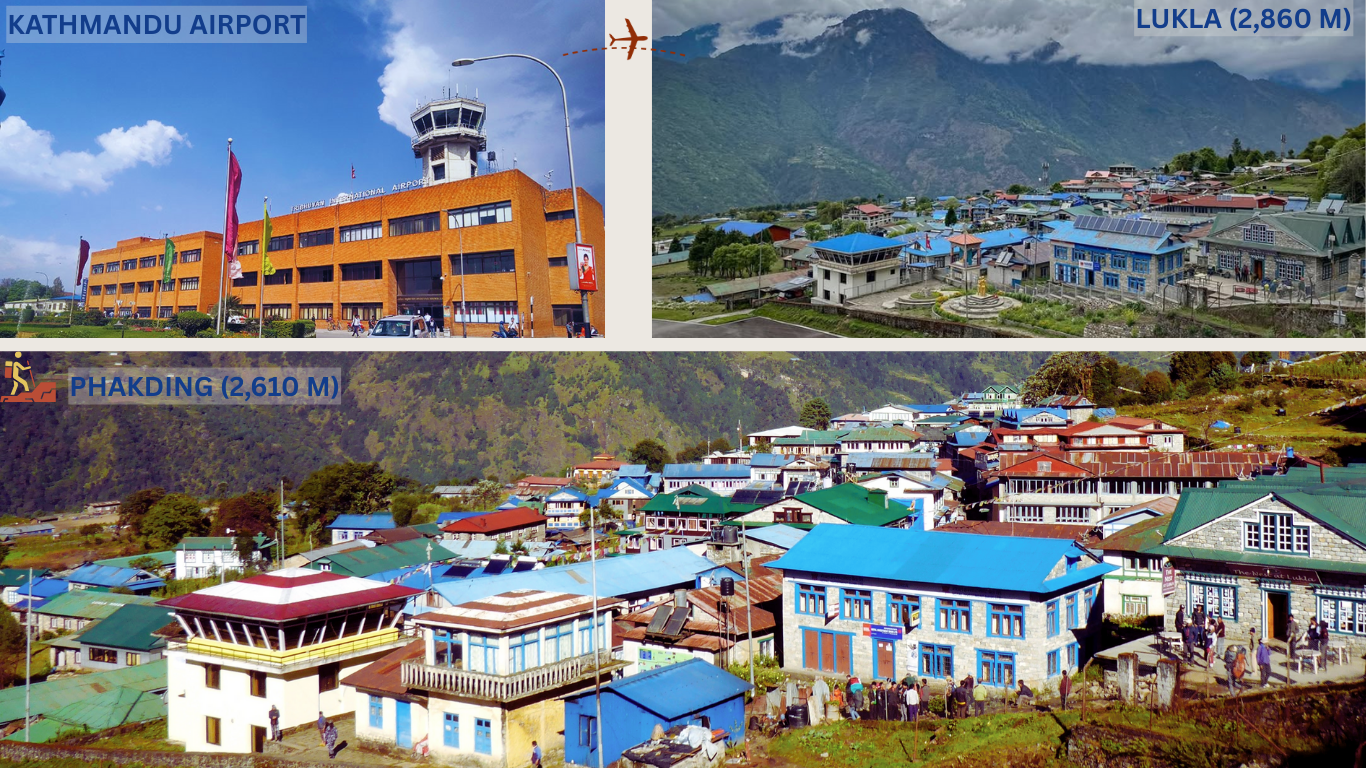
The landscape of modern Nepal is marked by significant political shifts, yet the essence of Pashupatinath remains unaltered. Established as a critical axis in the sacred geography of Nepal, Pashupatinath continues to embody the spiritual and cultural identity of the nation. This temple, recognized as a UNESCO World Heritage Site since 1979, is not merely a historical artifact but a living entity that reflects the enduring traditions of the Sanatan Dharma.
As Nepal navigates the complexities of modern governance, Pashupatinath stands as a testament to the resilience of its civilizational ethos. The temple attracts millions of pilgrims and visitors annually, serving as a focal point for the practices of Shaivism in the Himalayas. The daily rituals, performed by the resident priests, maintain an unbroken lineage that connects the past with the present, illustrating how the temple functions as a conduit for cultural memory.
Furthermore, the political changes that have swept through Nepal, including the transition to a federal democratic republic in 2008, have not diminished the significance of Pashupatinath. Instead, the temple has adapted to contemporary realities while preserving its core identity. The Shah kings, historically seen as protectors of the temple, have been replaced by a diverse political landscape, yet the reverence for Pashupatinath remains a unifying force among the populace.
The temple's continued prominence in national consciousness is evident through the various festivals celebrated throughout the year, such as Maha Shivaratri, which draws hundreds of thousands to the site. These events not only reinforce the temple's spiritual importance but also serve as a reminder of Nepal's historical continuity as a living Sanatan civilization.
In this context, Pashupatinath is emblematic of the broader sacred geography of Nepal, where Hindu and Buddhist traditions coexist harmoniously. This coexistence reflects the historical reality of the Kathmandu Valley civilization, where temples and stupas are woven into the fabric of daily life, creating a rich tapestry of cultural heritage that transcends modern political boundaries.
As Nepal continues to evolve, the persistent presence of Pashupatinath underscores a critical truth: civilizational identity is not easily extinguished by the forces of change. Rather, it endures, shaped by geography, belief, and a collective commitment to preserving the sacred. The survival of Pashupatinath, amidst the trials of modernity, illustrates the profound interconnectedness of Nepal's spiritual and civic life, ensuring that this ancient temple remains a vital part of the nation's narrative.
Our content is based on reliable, verified sources including government data, academic research, and expert insights. We also reference reputable publishers and primary sources where appropriate. Learn more about our standards in our editorial policy.
Quick answers based on this article.
Pashupatinath serves as a civilizational axis, representing the historical and spiritual continuity of Nepal.
Pashupatinath is integral to Nepal's identity, reflecting its sacred geography and historical governance.
Both dynasties contributed to the codification of sacred power and the architectural development of Pashupatinath.
Pashupatinath exemplifies the continuity and coexistence of Hindu and Buddhist practices within Nepal's sacred landscape.
The ongoing rituals and practices at Pashupatinath demonstrate the resilience and continuity of Nepal's living Sanatan civilization.
Pashupatinath has received royal patronage throughout various dynasties, emphasizing its importance in state governance.
Temple inscriptions and historical records provide documented evidence of Pashupatinath's significance in Nepal's history.
Pashupatinath is situated in a location that embodies the spiritual and geographical significance of the Kathmandu Valley.
Pashupatinath is recognized as one of the sacred Jyotirlingas, symbolizing the divine presence of Lord Shiva.
Despite political changes, Pashupatinath remains a vital part of Nepal's cultural and spiritual identity.
Prefer WhatsApp or a quick call? We reply fast.
ART Experience Reviews
Add media, drop your rating, and write a few words. Submissions go to the Review Manager for approval.
More reading selected from the same theme.

%22%2F%3E%3Cpath%20d%3D%22M0%20620c140-120%20260-180%20360-180s220%2060%20360%20180%20260%20180%20480%20180V800H0z%22%20fill%3D%22%23bfdbfe%22%2F%3E%3Ccircle%20cx%3D%22980%22%20cy%3D%22170%22%20r%3D%2272%22%20fill%3D%22%2393c5fd%22%2F%3E%3C%2Fsvg%3E)