Travel
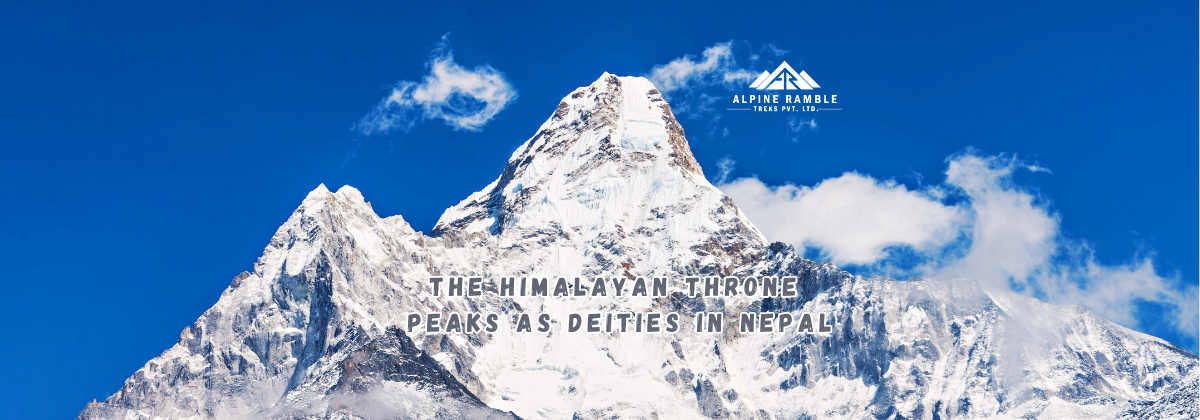
The Himalayan Throne: Peaks as Deities in Nepal
Discover the sacredness of Nepal's Himalayan peaks, where mountains are revered as deities, and trekking becomes a pilgrimage through a land rich in culture and spirituality.
Alpine Ramble
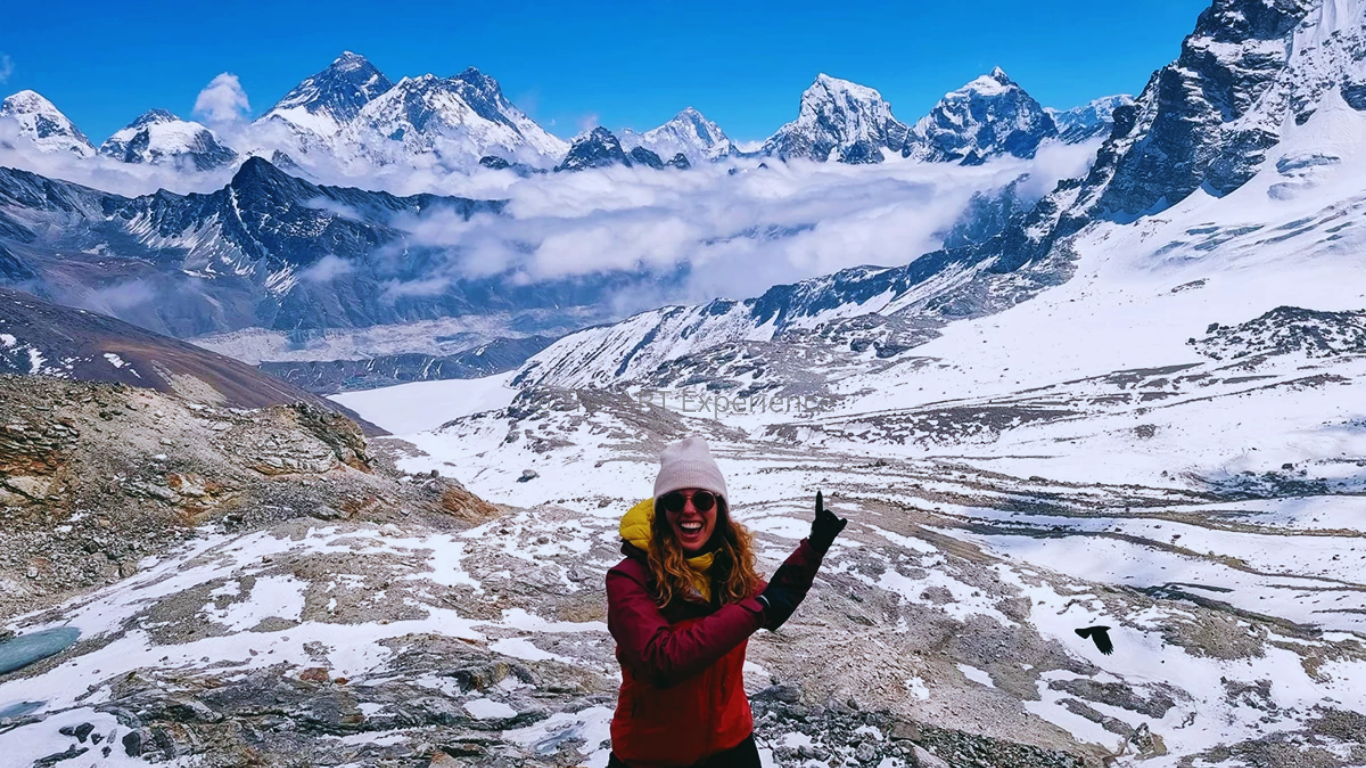
In the heart of Nepal Dev Bhumi, the towering peaks of the Himalayas rise majestically, framing the landscape with an aura of the divine. This formidable mountain range, with its highest point, Mount Everest, reaching [Elevation: 8848 m], has long been perceived as a bridge between the earthly and the celestial. The Himalayas are not merely geographical features; they embody the spiritual essence of Nepal Dev Bhumi, the Land of the Gods. Here, the divine and the human exist in a delicate dance, where every summit and valley tells a story of sacred geography.
The transition from the heights of the Himalayas to the lush Terai plains exemplifies the vertical identity of Nepal. As one descends from the snow-capped peaks to the fertile lowlands, the landscape transforms, revealing an intricate tapestry of cultures and traditions that have flourished over thousands of years. This journey across Nepal’s diverse terrains is not just a physical descent but a spiritual pilgrimage through time, reflecting the profound connection between geography and destiny.
| Feature | Elevation/Location |
|---|---|
| Mount Everest | [Elevation: 8848 m] |
| Annapurna | [Elevation: 8091 m] |
| Koshi River | Originates in the Himalayas |
The Terai region of Nepal Dev Bhumi stretches along the southern border with India, presenting a vibrant contrast to the towering Himalayas. This lowland area is rich in biodiversity and agricultural abundance, serving as a vital artery for cultural exchange and sustenance. Characterized by lush fields and dense forests, it is home to a variety of flora and fauna that define the ecological landscape of Nepal.
The elevation here ranges from [Elevation: 60 m] to [Elevation: 300 m], providing a stark yet harmonious juxtaposition to the heights of the Himalayas. Historically, the Terai has been a melting pot of cultures, where indigenous tribes blend seamlessly with the Brahmin and Chhetri communities who migrated from the hills.
Today, the Terai is not only a critical agricultural zone but also a focal point for tourism. It offers unique experiences that highlight its natural beauty and cultural richness. Visitors can explore the Chitwan National Park, a UNESCO World Heritage Site, famed for its diverse wildlife, including the one-horned rhinoceros and Bengal tiger.
The Terai's towns, such as Lumbini, the birthplace of Buddha, and Janakpur, known for its rich Mithila art, showcase the vibrant traditions and spiritual heritage of the region. The Terai embodies the essence of Nepal Dev Bhumi, where the divine is interwoven with everyday life.
| Feature | Description | Significance |
|---|---|---|
| Chitwan National Park | Home to diverse wildlife including rhinoceros and tigers. | UNESCO World Heritage Site, vital for conservation. |
| Lumbini | Birthplace of Siddhartha Gautama (Buddha). | Major pilgrimage site, rich in spiritual significance. |
| Janakpur | Known for Mithila art and culture. | Center of cultural heritage and traditional practices. |
Tracing the arc of civilization in Nepal Dev Bhumi reveals a tapestry woven over 7,000 years. Each thread represents the confluence of geography, spirituality, and culture. From the ancient settlements in the Kathmandu Valley, existing since approximately [c. 5000 BCE], to the flourishing kingdoms of the medieval era, this land has been a crucible of human experience and divine interaction.
The Himalayas, towering at elevations above [8,848 m] with Mount Everest, serve not merely as physical landmarks but as spiritual sentinels. They shape the identity of the people who dwell within their shadows.
In the medieval period, from approximately [12th to 18th centuries CE], the rise of the Malla kings marked a significant cultural renaissance. This era saw the construction of iconic temples, such as the Pashupatinath Temple and the Swayambhunath Stupa, which remain central to Nepal's spiritual life today.
The Malla period also fostered the development of the Newar community. Their rich traditions of art, language, and festivals are living testaments to this continuity.
Today, as we navigate through the sacred geography from the Himal to Terai, we witness how these historical layers influence contemporary life. This embodies the essence of Nepal Dev Bhumi. Each community, from the Brahmin and Chhetri to the Newar and beyond, contributes to this ongoing narrative, ensuring that the divine remains interwoven with the human experience.
Read on to discover the spiritual dimensions that breathe life into this land.
Nepal Dev Bhumi is a land where the divine is woven into the very fabric of everyday existence. This sacred geography is not merely a backdrop; it is a living entity that interacts with its inhabitants. It shapes their spiritual practices, societal norms, and cultural expressions. From the towering peaks of the Himal to the lush valleys of the Terai, the spirituality of Nepal blends Hindu and Buddhist traditions, enriched by indigenous beliefs that have thrived for millennia.
In the high altitudes of the Himalayas, where the air is thin and the mountains touch the sky, communities like the Sherpas and Tamangs practice a form of spirituality deeply tied to the land. The Himalayas, revered as the abode of the gods, are not just geographical features; they are sacred entities that command respect and devotion.
Festivals such as Maha Shivaratri, celebrated in honor of Lord Shiva, draw thousands to Pashupatinath Temple in Kathmandu. Here, rituals resonate with the rhythm of ancient traditions. This annual event, held on the 14th night of the dark fortnight in the month of Phalgun (March), is a vibrant display of faith, where devotees offer prayers and partake in communal celebrations.
As one descends from the heights of the Himalayas into the verdant hills and eventually the Terai plains, the spiritual landscape transforms yet remains interconnected. The Newar community in the Kathmandu Valley, with their rich tapestry of festivals and rituals, exemplifies this continuity. Celebrations such as Dashain, marking the victory of the goddess Durga over the buffalo demon, are not just religious observances; they are cultural affirmations that bind families and communities together.
During Dashain, which falls in September or October, families gather to honor their ancestors, reinforcing the ties between the past and present. The language of spirituality is also evident in the scripts and songs that resonate through the valleys. The predominant languages—Nepali, Newari, and various indigenous tongues—carry not only communication but also the weight of history and belief.
Ritual words and hymns echo the sentiments of devotion and remembrance, illustrating how language serves as a vessel for cultural memory. In essence, the spirituality of Nepal is a symphony of diverse traditions, where every community contributes to a larger narrative of devotion and reverence.
The sacred geography of Nepal Dev Bhumi is not only a reflection of its physical landscape but also a testament to the enduring spirit of its people. It invites visitors to engage with a culture that honors the divine in everyday life.
The cultural landscape of Nepal Dev Bhumi is a rich tapestry woven from diverse communities. Each group contributes to the identity of this sacred land. The Brahmin, Chhetri, and Newar communities stand out as pivotal forces in shaping the spiritual and social fabric of the nation. Their unique traditions, languages, and histories echo through the valleys and hills of Nepal, from the towering heights of the Himal to the fertile plains of the Terai.
The Brahmin community, historically seen as the priestly class, plays a crucial role in preserving Nepal's Hindu rituals and ceremonies. Renowned for their knowledge of the Vedas and Sanskrit, they are the custodians of spiritual wisdom. Major festivals such as Maha Shivaratri are significant gatherings for Brahmins, who conduct elaborate pujas (rituals) in honor of Lord Shiva. These events draw thousands of devotees to sacred sites like Pashupatinath Temple in Kathmandu.
The Chhetri community, known for their warrior lineage, has been instrumental in the political history of Nepal. Predominantly found in the hilly regions, particularly in districts like Gorkha and Dhading, they embody the valor and resilience of the nation. Their participation in the Dashain festival celebrates the victory of the goddess Durga over the buffalo demon Mahishasura, reflecting their deep-rooted connection to the land and its divine narratives.
The linguistic tapestry of Nepal Dev Bhumi is a profound reflection of its diverse cultural heritage. From the ancient scripts of the Brahmins to the vibrant expressions of the Newars, language serves as a vessel for memory and tradition. Nepali, the official language, unites the nation, while dialects such as Newari, spoken in the Kathmandu Valley, and the languages of the Tamang and Gurung communities echo the region's rich history.
Each word and phrase carries the weight of ancestral stories, rituals, and wisdom, ensuring that the past remains alive in the present. Language evolves but retains its roots, as seen in the traditional songs and oral histories passed down through generations. These narratives preserve the identity of various ethnic groups, such as the Chhetri and the Limbu, while reinforcing the spiritual connection to the land.
For instance, the sacred verses recited during the Maha Shivaratri festival resonate with the devotion of the Brahmin community. Meanwhile, the Newar rituals during Indra Jatra illustrate the intricate relationship between language, culture, and spirituality.
In this way, language in Nepal acts as a bridge between the divine and the earthly, offering insights into the sacred geography of the nation. The very names of places—like Pashupatinath, the revered temple complex, or the tranquil lakes of Pokhara—are imbued with cultural significance. They reflect the interplay of language and spirituality that characterizes Nepal Dev Bhumi.
As visitors traverse the landscapes from the majestic Himal to the lush Terai, they will encounter breathtaking views and the living lexicon of a civilization that has thrived for over 7000 years. The stories told in local dialects, the prayers whispered in temples, and the communal gatherings during festivals all serve as reminders of the enduring power of language in shaping Nepal civilization.
Read on to discover how the artistry of Nepalese culture manifests through its crafts and architecture, further illuminating the divine connection between heaven and earth.
The artistry of Nepal is a reflection of its divine geography. Each temple, stupa, and hand-crafted item embodies the sacred narratives of the land. The craftsmanship found in the Kathmandu Valley, particularly in the Newar community, showcases a legacy that spans over 7000 years.
The intricate wood carvings and stone sculptures in places like Patan and Bhaktapur are not merely artistic expressions. They serve as spiritual conduits, connecting the earthly with the divine.
Temples such as the Pashupatinath, dedicated to Lord Shiva, and the Swayambhunath Stupa, also known as the Monkey Temple, are architectural masterpieces. They draw visitors not only for their beauty but for their spiritual significance.
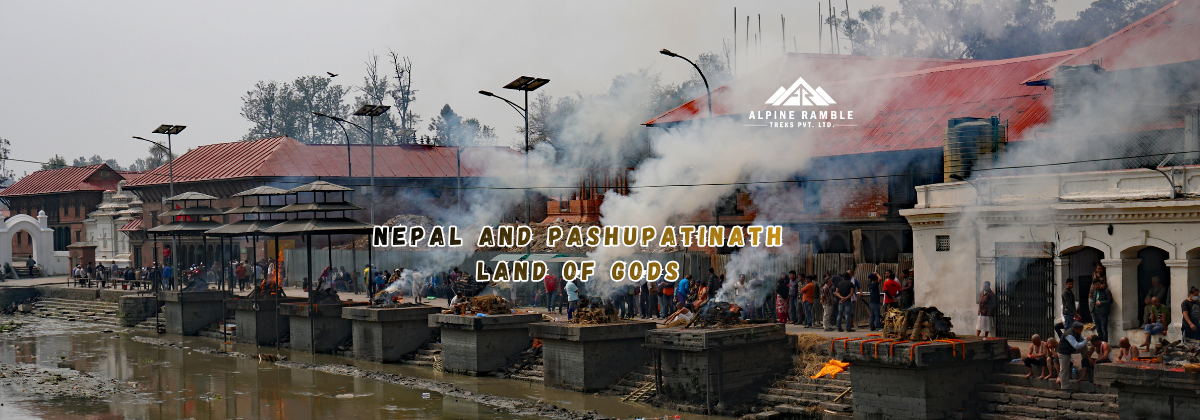
Pashupatinath, perched alongside the sacred Bagmati River, is a UNESCO World Heritage site. It attracts thousands of pilgrims annually, especially during Maha Shivaratri in February or March, when devotees gather to honor the deity.
The Newars, predominantly found in the Kathmandu Valley, are known for their unique blend of Hindu and Buddhist traditions. This is evident in their festivals, architecture, and culinary arts.
Their mastery of wood, metal, and stone has resulted in a vibrant cultural tapestry. This tapestry is both a celebration of their religious beliefs and a testament to their artistic skills.
In the highlands, the Sherpa community adds another layer to Nepal's artistic heritage. Their traditional homes, or ‘chhodey,’ constructed from stone and wood, reflect their close relationship with the rugged terrain of the Himal.
The villages of Namche Bazaar and Thame are gateways to Everest. They also showcase the Sherpas' rich heritage through their unique architectural styles and vibrant festivals.
Food plays a crucial role in this artistry. Traditional dishes such as momo (dumplings) and dal bhat (lentil soup with rice) are not just meals; they are rituals that connect families and communities.
The preparation and sharing of these dishes during festivals like Dashain in October reflect the deep-rooted cultural values of unity and gratitude.
As visitors journey through Nepal, they encounter a living canvas of artistry intertwined with spirituality. Each piece of art, whether a sculpture, a building, or a dish, tells a story of the land and its people.
This artistry embodies the essence of Nepal as Dev Bhumi—a place where the divine and human experience intertwine.
In Nepal, culinary arts extend beyond mere sustenance; they are a vital part of cultural and spiritual expression. The act of preparing and sharing food is deeply intertwined with rituals, festivals, and the social fabric of communities. Dishes such as dal bhat, a staple made from lentils and rice, are not just daily meals but are central to festive occasions and religious ceremonies, symbolizing abundance and community.
The Terai region, with its fertile plains, yields an array of ingredients that shape the culinary landscape. Here, the influence of indigenous practices meets the rich traditions of the Brahmin and Chhetri communities. They often prepare elaborate feasts during festivals like Dashain and Maha Shivaratri. Each ingredient carries significance; for instance, ghee is not only a cooking medium but also an offering to the deities during pujas, blending the sacred with the everyday.
Food preparation is often a communal activity, reflecting the collective spirit of the Newar community, known for their vibrant culinary heritage. Traditional dishes such as yomari—steamed dumplings filled with sweet coconut and jaggery—are made during festivals, showcasing the artistry of handmade cuisine. The act of cooking together fosters bonds and preserves culinary knowledge across generations.
Moreover, the culinary landscape of Nepal is a tapestry woven with the influences of various ethnic groups, such as the Gurung, Tamang, and Sherpa. Each group contributes to a diverse gastronomic culture. Festivals play a crucial role in this continuum, with offerings of food symbolizing respect and devotion. For example, during Dashain, families prepare special meals that honor ancestors and deities, reinforcing the connection between the living and the divine.
As visitors traverse from the majestic peaks of the Himal to the lush Terai, they are invited to partake in this rich culinary tradition. High-end hospitality experiences often include cooking classes, where travelers can learn to prepare traditional dishes, connecting them to the spiritual essence of Nepal Dev Bhumi.
Through the lens of culinary arts, one can appreciate how food serves as a bridge between the sacred and the secular. This is a testament to Nepal's identity as Dev Bhumi, where the divine and human realms converge through shared meals and cultural rituals.
The vibrant tapestry of festivals in Nepal Dev Bhumi serves as a testament to its rich cultural heritage and the continuity of its traditions. In a land where the divine and the earthly coexist, festivals are profound expressions of the sacred that connect people to their spiritual roots. Two of the most significant festivals, Maha Shivaratri and Dashain, encapsulate the essence of Nepal's cultural resilience and deep reverence for the divine.
Maha Shivaratri, celebrated annually in honor of Lord Shiva, draws thousands to sacred sites across the country, particularly to the Pashupatinath Temple in the Kathmandu Valley. This festival, which falls on the 14th night of the dark fortnight in the month of Phalgun (usually in February or March), is marked by night-long vigils, chanting of mantras, and offerings of fruits and flowers. The atmosphere is charged with devotion, as devotees believe that observing this night can lead to liberation from the cycle of rebirth.
The Pashupatinath Temple, a UNESCO World Heritage site, stands at an elevation of [Elevation: 1,013 m], embodying the spiritual significance that draws pilgrims from all over Nepal and beyond.
Dashain, the most important Hindu festival in Nepal, celebrates the victory of the goddess Durga over the buffalo demon Mahishasura. Spanning over 15 days, it usually occurs in September or October, culminating in the day of Vijaya Dashami. Families reunite, feasting on traditional foods and performing rituals that honor their ancestors.
The celebration includes the sacrifice of goats, symbolizing the offering of life to the goddess. The festival's essence lies in the themes of triumph, renewal, and familial bonds, making it a cornerstone of Nepalese identity.
Throughout the Terai region, Dashain takes on unique local flavors. Diverse communities, such as the Tharu, who are indigenous to the area, add their distinct customs to the celebrations. The festival serves as a reminder of the interconnectedness of various ethnic groups within Nepal, including the Brahmin, Chhetri, Newar, and others, each contributing their traditions and languages to the collective cultural heritage.
Festivals in Nepal are not just moments of celebration; they are living heritage that encapsulates the historical narratives, spiritual beliefs, and social fabric of the nation. They serve as a bridge between past and present, demonstrating how ancient rituals continue to thrive in modern society.
As visitors engage with these festivals, they enter a world where the sacred geography of Nepal unfolds before them, revealing the divine essence that makes this land truly Nepal Dev Bhumi. Read on to discover more about how these festivals shape the visitor experience and the profound connections they create.
To traverse Nepal Dev Bhumi is to embark on a pilgrimage through a land where the divine and the earthly intertwine seamlessly. From the towering peaks of the Himal to the lush plains of the Terai, each step reveals a story, a history, and a spirituality deeply embedded in this nation's fabric. The routes taken by visitors showcase breathtaking landscapes and honor the traditions and cultures that define Nepal.
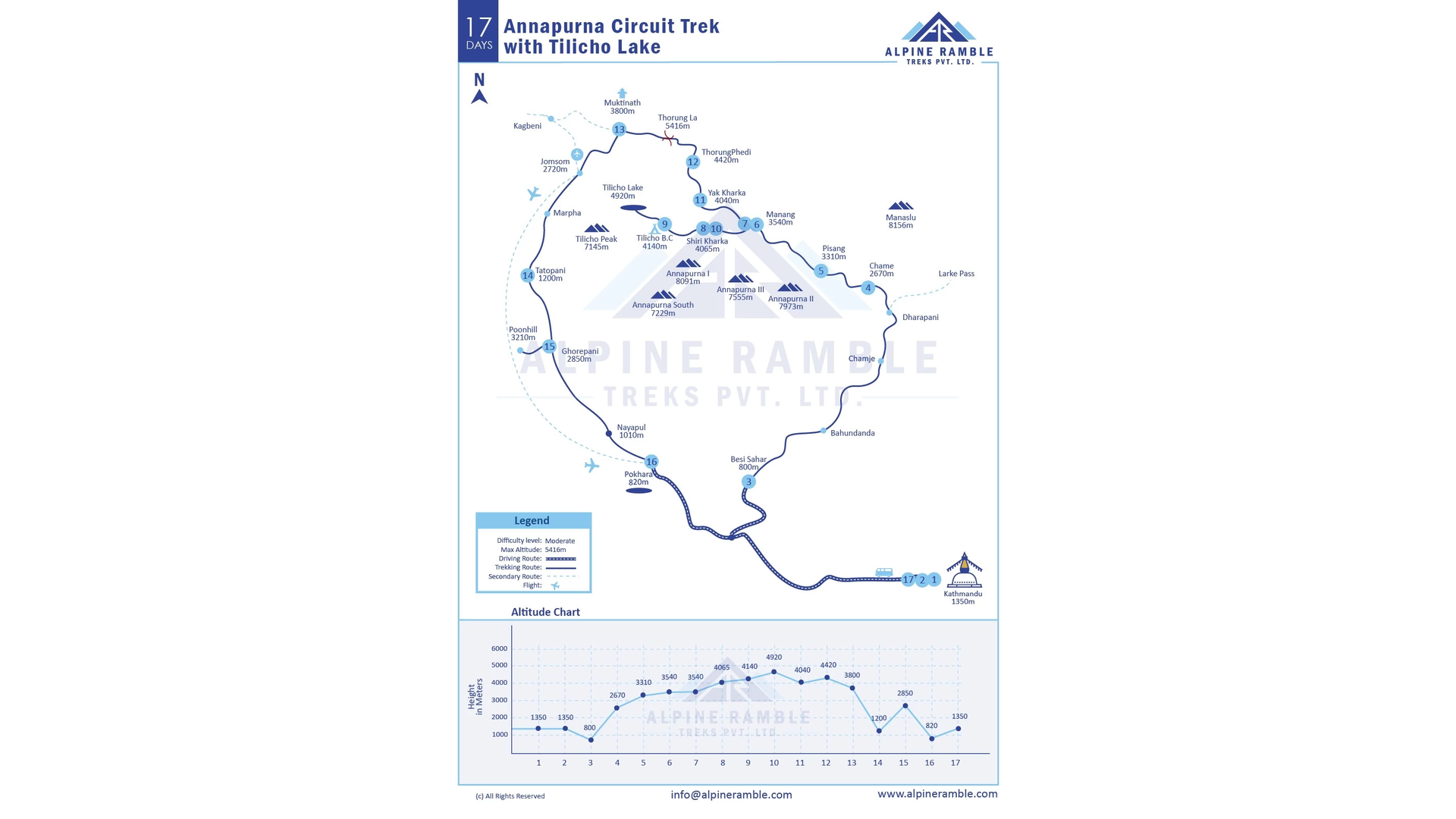
Optimal travel seasons align closely with the rich tapestry of festivals celebrated across the country. The vibrant colors of Dashain in October and the solemnity of Maha Shivaratri in March create a unique atmosphere. This invites travelers to witness the convergence of the sacred and the everyday. Whether hiking the Annapurna Circuit or exploring the ancient streets of Bhaktapur, visitors are encouraged to engage with local customs, partake in rituals, and savor culinary delights.
Luxury accommodations are increasingly available, offering high-end hospitality that respects local cultures while providing comfort. Boutique hotels in the Kathmandu Valley, such as the Dwarika's Hotel, reflect traditional Newar architecture and craftsmanship. In contrast, eco-lodges in the Terai, like the Tiger Tops, immerse visitors in the region's natural beauty while promoting sustainable tourism practices.
Travelers can begin their journey in Kathmandu, where the UNESCO World Heritage sites of Swayambhunath (Monkey Temple) and Pashupatinath Temple serve as spiritual gateways. From there, routes can lead to the serene lakes of Pokhara or the majestic Annapurna mountain range [Elevation: 4,130 m]. This journey continues to the Terai region, where Chitwan National Park offers a chance to witness diverse wildlife, including the one-horned rhinoceros.
As visitors navigate these landscapes, they are invited to reflect on the deep connections between geography and identity in Nepal. The sacred rivers, such as the Bagmati and Gandaki, nourish the land and serve as spiritual conduits. They draw pilgrims and travelers alike to their banks. Engaging with local communities, such as the Brahmin, Chhetri, and Newar, provides insight into the social fabric that has evolved over millennia.
Before setting out, it is essential for visitors to familiarize themselves with local etiquette and customs. Simple gestures, such as greeting locals with 'Namaste' and respecting sacred spaces, enhance the travel experience. By immersing themselves in the traditions and practices of the land, travelers contribute to a respectful exchange that honors Nepal's rich cultural heritage.
As the journey unfolds from the heights of the Himal to the plains of the Terai, travelers will discover that Nepal is not just a destination but a profound experience. Every corner reveals the touch of the divine.
The landscape of belief in Nepal Dev Bhumi is a profound tapestry woven through millennia of human experience and divine interaction. This 'land of the gods' stretches from the towering peaks of the Himal to the lush plains of the Terai. Each region carries its own spiritual significance and cultural heritage.
The majestic Himalayas, rising to elevations of over 8,848 meters at Mount Everest, are not just physical barriers; they are the abode of the divine. These peaks are believed to be the dwelling place of deities such as Shiva and Buddha. The very name 'Himalaya' translates to 'abode of snow,' symbolizing purity and the celestial.
In stark contrast, the Terai features fertile soil and a subtropical climate, nurturing diverse communities and cultures for centuries. This region acts as a cradle of civilization.
As one descends from the ethereal heights of the Himalayas to the verdant valleys and plains, the landscape transforms. Yet, the spiritual essence remains palpable. Rivers like the Koshi and Gandaki serve as lifelines, supporting agriculture and livelihoods while embodying the flow of life and spirituality.
These rivers are often personified in local legends, considered sacred by both Hindus and Buddhists. They are central to numerous rituals and festivals.
In this exploration, we will traverse the rich history, spirituality, and cultural expressions that define Nepal Dev Bhumi. This is a land where the divine and humanity coexist harmoniously. From the ancient traditions of the Brahmin and Chhetri communities to the vibrant festivals celebrated by the Newar, each layer of Nepal's civilization contributes to its identity as Nepal Dev Bhumi.
Nepal, often revered as Dev Bhumi, is a land where the ethereal and the terrestrial converge. This unique spiritual geography is shaped by its magnificent landscapes. From the towering peaks of the Himal to the lush plains of the Terai, the country narrates a story of divine interaction with humanity.
The Himalayas, with their snow-capped summits, rise majestically, representing the abode of gods. In contrast, the Terai symbolizes fertility and sustenance, embodying the essence of life itself. This delicate balance creates a profound relationship between the people and their environment, emphasizing the sacredness of every river, mountain, and valley.
The journey through Nepal’s geographical expanse is not merely a physical descent but a spiritual pilgrimage through time and space. Each region holds its own narrative, intertwined with the lives and beliefs of diverse communities. As one traverses from the heights of the Himalayas—where peaks like Mount Everest ([Elevation: 8,848 m]) loom large—to the verdant fields of the Terai, the transition illustrates the divine geography that has shaped Nepal's cultural identity for millennia.
Understanding this sacred geography requires an appreciation for the historical and spiritual tapestry woven over 7,000 years. The ancient civilizations that flourished here, from the early settlers around the Kathmandu Valley to the vibrant Newar community, have left an indelible mark on the cultural landscape. Festivals like Maha Shivaratri, celebrated in February or March, and Dashain, typically held in September or October, serve as living testaments to the continuity of traditions that honor the divine presence in daily life.
This journey through Nepal is an invitation to explore the intricate connections between geography, spirituality, and community. Read on to discover how the sacred landscapes of Nepal shape its identity as a divine realm.
Nepal Dev Bhumi, a land where the divine and the earthly converge, exemplifies the deep connection between geography and spirituality. The journey from the lofty Himal to the lush Terai showcases a rich tapestry of culture, history, and sacred geography. As we traverse ancient pathways and vibrant communities, we encounter the living legacy of Nepal, where every mountain and river tells a story of divine descent.
In exploring Nepal Dev Bhumi, we see how its sacred landscapes shape the beliefs and practices of its people and the nation’s identity. From the towering peaks of the Himalayas, revered in both Hindu and Buddhist traditions, to the fertile plains of the Terai, each region pulses with divine energy. Festivals like Maha Shivaratri and Dashain invite both locals and visitors to partake in the sacred rhythms of life.
The communities inhabiting this land—the Brahmin, Chhetri, Newar, and many others—carry a rich cultural heritage expressed through language, art, and culinary traditions. Their stories weave into the fabric of Nepal’s identity, creating a vibrant tapestry of human experience intertwined with the divine. Travelers seeking to understand the essence of Nepal are invited to engage with its people, taste its culinary delights, and witness its architectural marvels while respecting the sacredness of this land.
Ultimately, Nepal is not merely a destination but a journey through the divine geography that has shaped its civilization for over 7000 years. As we conclude this exploration, let us carry forward the understanding that Nepal, as Dev Bhumi, is a sacred space where the divine dwells among humanity, inviting us to connect with its profound spirituality and cultural richness.
Our content is based on reliable, verified sources including government data, academic research, and expert insights. We also reference reputable publishers and primary sources where appropriate. Learn more about our standards in our editorial policy.
No sources listed for this article yet.
ART Experience Reviews
Add media, drop your rating, and write a few words. Submissions go to the Review Manager for approval.
More reading selected from the same theme.
%22%2F%3E%3Cpath%20d%3D%22M0%20620c140-120%20260-180%20360-180s220%2060%20360%20180%20260%20180%20480%20180V800H0z%22%20fill%3D%22%23bfdbfe%22%2F%3E%3Ccircle%20cx%3D%22980%22%20cy%3D%22170%22%20r%3D%2272%22%20fill%3D%22%2393c5fd%22%2F%3E%3C%2Fsvg%3E)