Travel
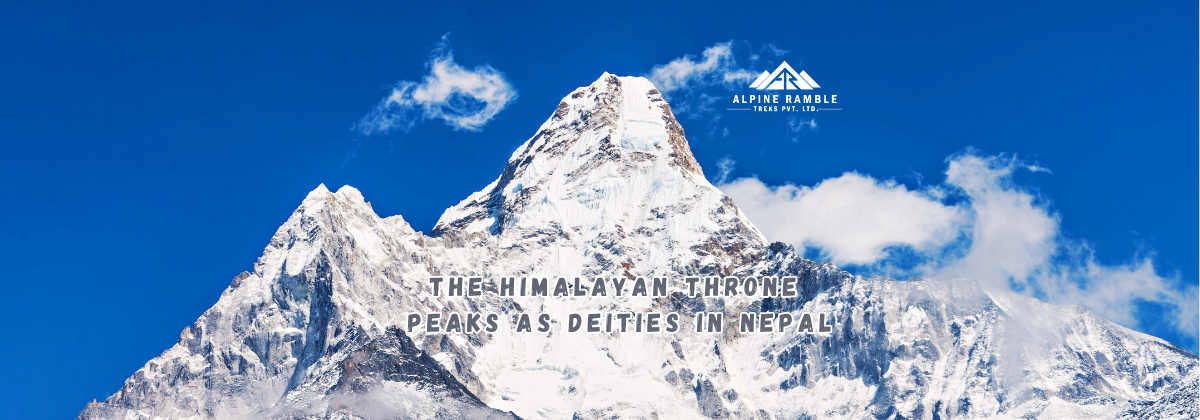
The Himalayan Throne: Peaks as Deities in Nepal
Discover the sacredness of Nepal's Himalayan peaks, where mountains are revered as deities, and trekking becomes a pilgrimage through a land rich in culture and spirituality.
Alpine Ramble
Gosaikunda, nestled in the Langtang National Park of Nepal, is more than just a picturesque alpine lake; it serves as a sanctuary of spiritual devotion for both Hindus and Buddhists. According to local beliefs, Gosaikunda is the abode of Lord Shiva. He created the lake by piercing the mountains with his trident to provide water to thirsty gods. This mythological origin imbues Gosaikunda with profound cultural significance, making it a vital pilgrimage site.
Each year, thousands of devotees embark on the arduous trek to Gosaikunda, particularly during the full moon of August, known as Janai Purnima. This festival sees pilgrims performing rituals and offering prayers, reinforcing the lake's status as a nexus of faith and culture. The serene environment, surrounded by snow-capped peaks, fosters introspection and spiritual connection, drawing visitors beyond mere adventure tourism.
| Event | Date |
|---|---|
| Janai Purnima | August Full Moon |
| Shivaratri | February/March |
Gosaikunda, located at an altitude of 4,380 meters in Langtang National Park, is more than just a beautiful alpine lake. It is a sacred site revered in both Hindu and Buddhist traditions. According to legend, the lake was formed by the divine tears of Lord Shiva, who created it to quench his thirst after consuming poison during the churning of the ocean, known as Samudra Manthan. This rich mythology attracts many pilgrims, especially during the full moon of August, when thousands gather for the Gosaikunda Mela, celebrating its spiritual significance.
The lake's historical importance is highlighted in several ancient texts, including the lore of the 'Manaslu' and 'Langtang' regions. Here, Gosaikunda is depicted as a site of healing and spiritual awakening. The narrative surrounding Gosaikunda encompasses not only its natural beauty but also the transformative experiences it offers to devotees who undertake the challenging trek to its shores.
| Year | Event | Significance |
|---|---|---|
| 1961 | Establishment of Langtang National Park | Protected the lake and surrounding ecosystem |
| 1980 | First recorded pilgrimage | Marked the lake's growing importance as a spiritual site |
| 2000 | Gosaikunda designated as a sacred site | Formal recognition of its spiritual significance by government |
Gosaikunda, nestled in the Langtang National Park of Nepal, is not just an adventure destination; it holds deep spiritual significance for both Hindus and Buddhists. At an elevation of 4,380 meters, the lake is revered as a sacred site where pilgrims come to seek blessings and purification. Each year, during the full moon of August, thousands embark on the Gosaikunda pilgrimage to participate in the annual festival, known as Janai Purnima, where they perform rituals and offer prayers.
The history of Gosaikunda is steeped in mythology. According to Hindu beliefs, the lake was created by Lord Shiva when he plunged his trident into the mountains to extract water for his thirst. This divine act has solidified Gosaikunda's status as a pilgrimage site. The surrounding mountains are also believed to be the abodes of various deities, further enhancing the spiritual atmosphere.
| Rituals | Significance | Participants | Frequency |
|---|---|---|---|
| Bathing in the lake | Purification of the soul | Pilgrims | Annually |
| Offering prayers | Seeking blessings | Hindus and Buddhists | Daily |
| Janai Purnima festival | Celebration of renewal | Thousands | Annually |
| Candlelight vigils | Spiritual reflection | Local and foreign visitors | During festivals |
Gosaikunda serves not only as a spiritual haven but also as a vital economic lifeline for local communities. Every year, thousands of pilgrims trek to this sacred site, particularly during the Gosaikunda Mela in August. This annual gathering sees over 30,000 devotees, significantly boosting local businesses and services.
Pilgrimage as a means of cultural preservation: The influx of visitors fosters the continuation of age-old traditions and rituals. Locals engage in the sale of traditional handicrafts and food, allowing them to preserve their cultural identity while benefiting economically. This blend of spiritual devotion and economic necessity reinforces the community's connection to their heritage.
As the pilgrimage culture thrives, it becomes clear that Gosaikunda's significance extends beyond personal spirituality. It impacts the very fabric of local society. Read on to discover how these spiritual journeys transform both the pilgrims and the communities they touch.
Gosaikunda, revered in both Hindu and Buddhist traditions, has been a transformative site for countless pilgrims. The lake, located at an altitude of 4,380 meters, is said to be the abode of Lord Shiva. Every year, thousands embark on the trek to Gosaikunda, not merely for adventure but to seek spiritual enlightenment.
Many pilgrims recount profound experiences upon reaching the tranquil waters of Gosaikunda. One visitor described a moment of overwhelming peace while meditating beside the lake, feeling a connection to the divine that transcended the physical realm. Another shared how the journey to the lake, fraught with challenges, mirrored personal struggles, leading to a powerful realization about resilience and faith.
This sacred site has been a focal point of pilgrimage for centuries, with its origins rooted in ancient Hindu texts. The myth surrounding Gosaikunda tells of a legendary battle between gods and demons, where the lake was formed from the churned waters of a celestial ocean. Such narratives deepen the spiritual significance of the site, as pilgrims come to honor the legends that have shaped their beliefs.
As the sun sets over Gosaikunda, the lake reflects a serene glow, symbolizing the inner transformations that pilgrims often experience. Read on to discover more about the historical narratives that have shaped this sacred site.
Gosaikunda is not just a destination; it is a sacred site enveloped in breathtaking natural beauty. Nestled at an altitude of 4,380 meters in the Langtang National Park, this alpine lake is surrounded by towering peaks, including the majestic Langtang Lirung. The crystal-clear waters reflect the sky and mountains, creating a tranquil atmosphere that invites introspection.
The serene environment plays a crucial role in fostering spirituality. For centuries, Gosaikunda has been a pilgrimage site for Hindus and Buddhists alike, especially during the full moon in August. Thousands gather for the Gosaikunda Mela, an annual event that highlights the lake’s significance as a spiritual haven. Here, rituals and prayers resonate against the backdrop of nature's grandeur.
Geographically, Gosaikunda is part of a larger glacial system, contributing to its stunning scenery and unique ecosystem. The surrounding landscapes, dotted with rhododendron forests and alpine meadows, enhance the spiritual experience for visitors. This offers a sense of peace that is often sought in modern life.
As you stand by the lake, the cool mountain breeze and the sounds of nature draw you into a deeper connection with your surroundings. This provides a stark contrast to the adrenaline-fueled adventures that attract many trekkers to Nepal. The lake’s spiritual essence is palpable, urging visitors to reflect on their inner journeys.
Read on to discover how these natural elements intertwine with the spiritual narratives of Gosaikunda.
Gosaikunda is not merely a destination for adventure seekers; it serves as a profound site for spiritual rituals deeply embedded in the cultural fabric of Nepal. The lake, sitting at an altitude of 4,380 meters, is revered by both Hindus and Buddhists. It attracts thousands of pilgrims each year, particularly during the full moon in August when the sacred festival of Janai Purnima occurs.
During this time, pilgrims engage in several significant rituals:
The myths surrounding Gosaikunda enhance its spiritual allure. According to legend, it was created by the god Shiva when he struck the ground with his trident to obtain water for his thirsty followers. This mythological backdrop adds layers of meaning to the rituals performed at the lake.
In contrast to the adrenaline-fueled activities often associated with trekking in the Himalayas, Gosaikunda offers a sanctuary for reflection and personal transformation. The serene environment encourages pilgrims to connect with their spirituality, often leading to profound inner revelations.
As Gosaikunda continues to attract both spiritual seekers and adventure tourists, the delicate balance between preserving its sacred essence and catering to tourism demands becomes critical. The lake, situated at an altitude of 4,380 meters, is not just a geographical marvel but a focal point for the annual Gosaikunda Mela, drawing thousands of pilgrims each August.
Historically, Gosaikunda has been revered in Hindu and Buddhist traditions. It is said that Lord Shiva created the lake by piercing a glacier to obtain water for his thirsty army. This mythological narrative enhances its spiritual allure, making it a significant pilgrimage site.
However, with increasing foot traffic, the challenge lies in maintaining the sanctity of the site. The introduction of eco-friendly initiatives, such as regulated visitor numbers and sustainable waste management practices, can help safeguard its spiritual atmosphere.
Moreover, engaging local communities in preserving their cultural heritage is vital. By promoting traditional rituals and responsible tourism, visitors can experience the deeper spiritual significance of Gosaikunda while contributing positively to the local economy.
The future of Gosaikunda hinges on a collective effort to ensure that its spiritual legacy is not overshadowed by the thrill of adventure. As pilgrims and trekkers navigate this sacred landscape, the opportunity for personal transformation remains profound.
Read on to discover how Gosaikunda can remain a sanctuary for the soul amidst the encroaching tides of modern tourism.
Our content is based on reliable, verified sources including government data, academic research, and expert insights. We also reference reputable publishers and primary sources where appropriate. Learn more about our standards in our editorial policy.
No sources listed for this article yet.
ART Experience Reviews
Add media, drop your rating, and write a few words. Submissions go to the Review Manager for approval.
More reading selected from the same theme.