Why Climbing Mt Manasu is Harder than Climbing Mt Everest?
Explore the challenges and dangers of climbing Mt Manaslu compared to the iconic Mt Everest. Understand why many climbers consider Manaslu to be the more difficult ascent.
Traveling from Texas to Nepal for an unforgettable adventure at Everest Base Camp requires careful planning and preparation. This journey is not just about reaching a destination; it’s about experiencing the rich culture of Nepal and the breathtaking landscapes that await you. First, consider the best time to embark on this journey. The ideal months are typically from September to November and March to May, when the weather is most favorable for trekking.
When planning your itinerary, it’s essential to account for the various permit requirements necessary for entering the Everest region. These permits can be obtained through local agencies and should be arranged well in advance to avoid any last-minute complications.
As you prepare for your trek, understanding the difficulty level is crucial. The trek to Everest Base Camp is considered moderate to challenging, with varying altitudes that can affect your acclimatization process. It’s advisable to train beforehand and be aware of the altitude sickness symptoms.
Cost is another significant factor to consider. Budgeting for your trip should include flights, permits, accommodations, food, and trekking gear. A well-planned packing list is vital for ensuring you have all the necessary equipment for your journey. Essential items include sturdy hiking boots, warm clothing, and a reliable backpack.
By carefully planning your trip and considering these factors, you can create a deeply practical, traveler-centric, high-trust blog that guides others in their journey from Texas to Nepal. This approach will not only enhance your experience but will also provide valuable insights for fellow travelers.
When planning your trip to Everest Base Camp, one of the most crucial factors to consider is how many days you really need. The journey from Texas to Nepal involves not just travel time but also acclimatization to the altitude. Generally, a well-structured itinerary for a trek to Everest Base Camp spans around 12 to 16 days. This allows for a comfortable pace, ensuring you can fully enjoy the breathtaking scenery while minimizing the risk of altitude sickness.
It's essential to factor in the days required for travel to and from Kathmandu, as well as the necessary permits. The best time to embark on this adventure is typically during the pre-monsoon (March to May) and post-monsoon (September to November) seasons, when the weather is most favorable. The trekking difficulty can vary, but with proper preparation and a solid packing list, even moderate hikers can tackle the challenge.
As you plan your trip, consider the total cost, including flights, accommodations, and daily expenses. Each aspect of your journey should be carefully evaluated to ensure a seamless experience. Ultimately, writing a deeply practical, traveler-centric, high-trust blog about your expedition will not only help others prepare but also enhance your own adventure.
When planning your adventure to Everest Base Camp, understanding the visa and entry process is crucial for a smooth journey. As a U.S. traveler, you will need a tourist visa to enter Nepal. This visa can be obtained upon arrival at Tribhuvan International Airport in Kathmandu, making it convenient for travelers. Ensure that your passport is valid for at least six months beyond your planned departure date from Nepal.
For your visa application, be prepared to provide a passport-sized photo, and you may be asked about your travel itinerary. It's advisable to have a copy of your itinerary, including your trek details, as this can expedite the process. The cost of a 30-day tourist visa is approximately $30, and you can extend it if necessary.
It's also important to consider the best time to visit, as the trekking season typically runs from September to November and March to May. During these months, weather conditions are favorable, and the trails are less challenging. Remember to check the altitude and difficulty levels of your trek, as they can impact your overall experience. Preparing a packing list that includes essential gear for high-altitude trekking will enhance your journey.
By understanding the visa and entry process, you can focus on what truly matters: enjoying the breathtaking views and the incredible journey to Everest Base Camp. This preparation will help you write a deeply practical, traveler-centric, high-trust blog about your experiences, ensuring that fellow travelers benefit from your insights.
Traveling from Texas to Nepal offers a stark contrast in culture, landscape, and experience. While Texas boasts vast plains and modern cities, Nepal is characterized by its breathtaking mountains and rich traditions. Understanding these differences can greatly enhance your journey.
When planning your itinerary, consider the unique cultural experiences available in Nepal. From bustling markets in Kathmandu to serene monasteries, each moment can feel deeply enriching. Additionally, understanding the permit requirements for trekking is crucial, as they differ significantly from what you might expect in Texas.
Cost is another factor to weigh when comparing these two regions. While Texas may have its own expenses, traveling in Nepal can offer a variety of options that cater to different budgets. A well-thought-out packing list will ensure you are prepared for the varying climates and terrains.
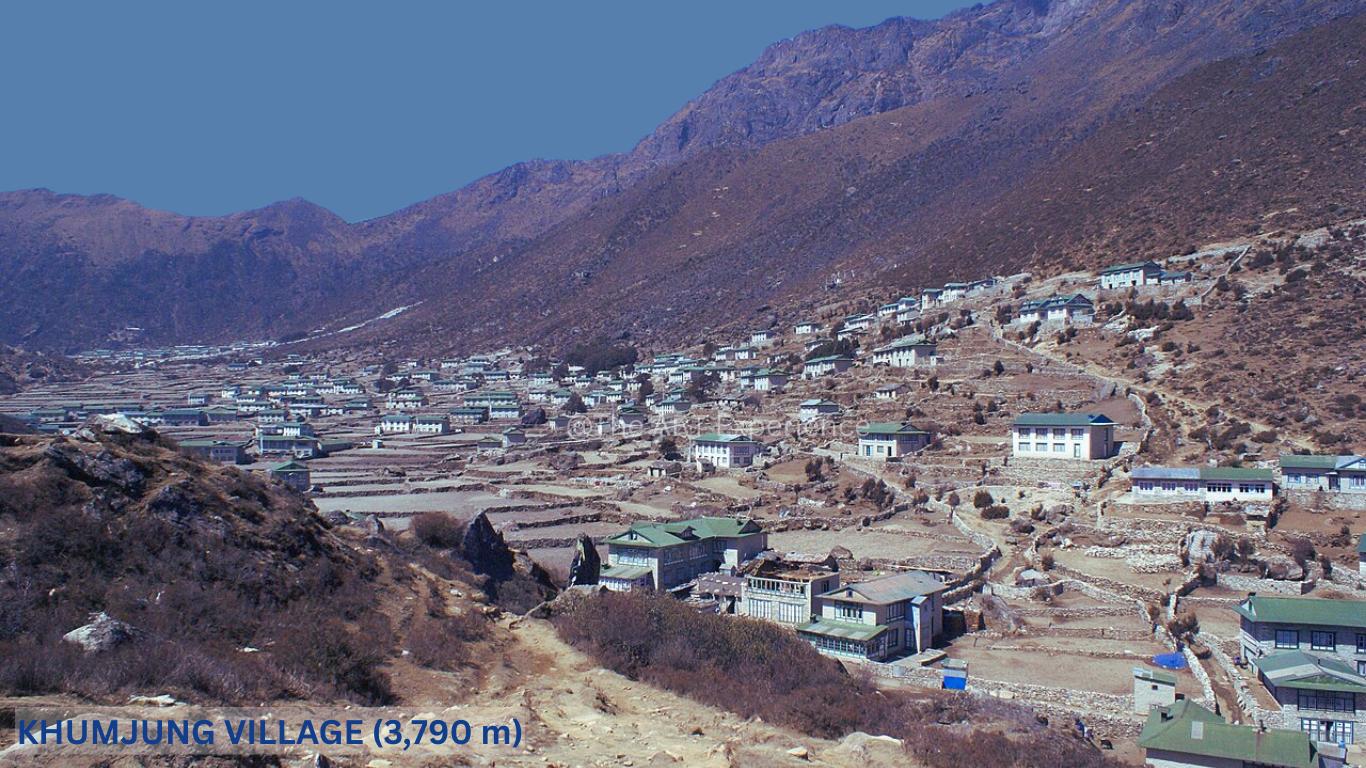
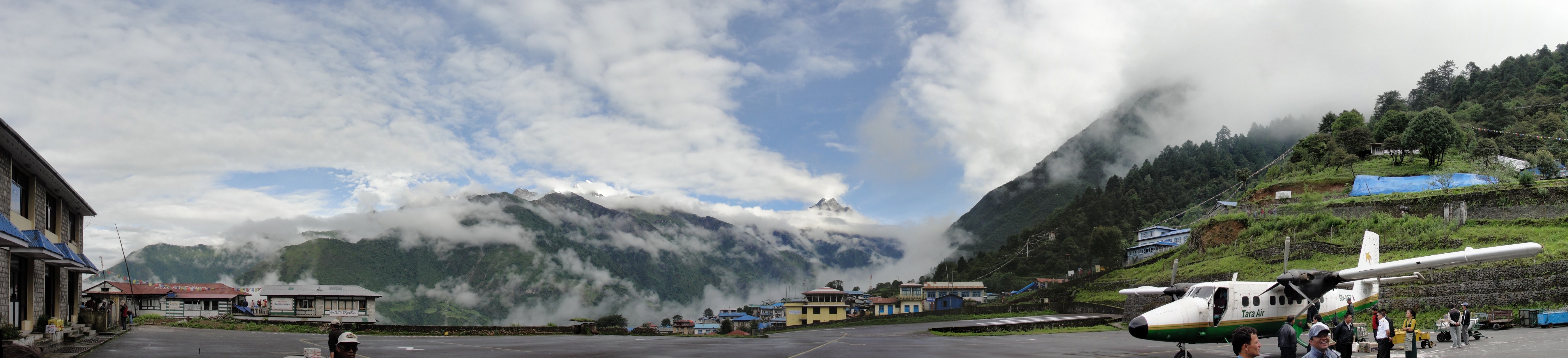
When planning your adventure to Everest Base Camp, it's essential to understand the route you'll be taking. The journey begins in Lukla, where you'll land at one of the world's most thrilling airports. From there, the trail winds through picturesque villages like Namche Bazaar, a vital acclimatization stop. This town not only offers stunning views but also serves as a hub for trekkers, providing essential services and supplies.
As you ascend, you'll encounter various terrains, from lush forests to rocky paths, each presenting its own challenges. The difficulty of the trek varies, so it's crucial to prepare adequately. Familiarize yourself with the altitude changes, as the elevation can lead to altitude sickness if not managed properly. It's advisable to take your time, allowing your body to acclimatize.
Understanding the best time to visit is vital for a successful trek. The months of March to May and September to November are popular due to favorable weather conditions. Additionally, knowing the cost involved can help you budget effectively. Expenses can include permits, guides, and accommodation, all of which contribute to a memorable experience.
Creating a detailed itinerary will enhance your journey. Be sure to include rest days, as they are crucial for acclimatization. Lastly, a well-thought-out packing list will ensure you have all necessary gear, from warm clothing to trekking poles, making your trek smoother and more enjoyable.
When planning your journey to Everest Base Camp, understanding the costs involved is crucial for a successful trip. Writing a deeply practical, traveler-centric, high-trust blog requires transparency about expenses to help travelers budget effectively. From flights to accommodations, the costs can vary widely based on your choices and timing.
First, consider the flight expenses. Round-trip flights from Texas to Nepal can range from $800 to $1,500, depending on the season. Booking in advance can often yield better deals. Once in Nepal, you’ll need to budget for your trek, which typically costs between $1,200 and $2,000. This includes permits, guides, and accommodations along the way.
Additionally, it's essential to factor in the cost of gear and packing. A well-thought-out packing list can help you avoid unnecessary purchases. Investing in quality gear upfront can save you money in the long run. Don’t forget to account for food and miscellaneous expenses, which can add up quickly during your trek.
Understanding the best time to visit can also impact your budget. Peak seasons may have higher costs but offer better weather conditions. Overall, by breaking down each component, you can create a detailed itinerary that aligns with your financial plan, ensuring a smooth and enjoyable adventure to Everest Base Camp.
Additionally, trekkers must obtain a Trekkers' Information Management System (TIMS) card, which helps authorities monitor the flow of tourists in the region. Both permits can be secured in Kathmandu, and it's advisable to check the latest regulations as they can change frequently.
When exploring the area, be mindful of the rules set by local authorities to ensure the preservation of this beautiful environment. This includes respecting local customs, staying on designated trails, and minimizing waste. Understanding the best time to visit, along with the altitude and difficulty levels, will further enhance your planning process.
Lastly, it's vital to consider the costs associated with obtaining these permits, as they can vary. A well-prepared packing list will also ensure you have all necessary documentation and gear for a successful trek. By addressing these permit requirements and rules, your blog will serve as a comprehensive resource for travelers aiming to conquer Everest Base Camp.
The trek to Everest Base Camp offers a variety of food choices, ranging from local Nepali dishes to familiar Western options. In teahouses along the route, you can expect staples such as dhal bhat, a nutritious lentil soup served with rice, which is a favorite among trekkers. Additionally, momos (dumplings) and noodles are popular choices that provide a hearty meal after a long day of hiking.
It's important to consider the best time for your trek, as food availability can vary with the seasons. During peak trekking seasons, more teahouses are open, offering a wider selection of meals. However, in the off-season, options may be limited, so planning ahead is crucial.
As you prepare your packing list, don’t forget to include snacks like energy bars, nuts, and dried fruits. These can be great for quick energy boosts during your hike. Be mindful of altitude and its effects on appetite; some trekkers find they eat less at higher elevations. Staying hydrated is equally important, so ensure you have a reliable method for purifying water.
In terms of cost, meals in teahouses are generally affordable, but prices may increase as you ascend. Knowing the permit requirements for your trek can also help you budget effectively. By planning your meals and understanding the food landscape on the trail, you can focus on enjoying the breathtaking scenery and the camaraderie of fellow trekkers.
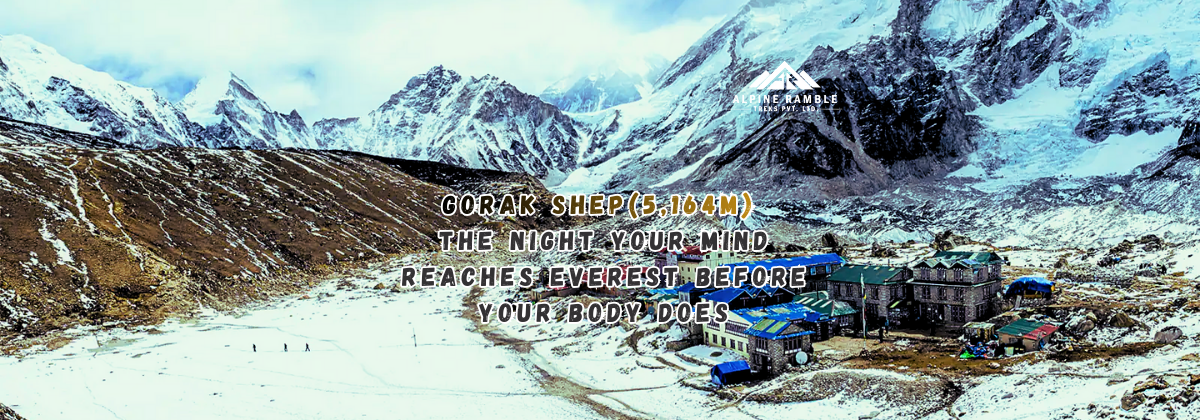
When planning your adventure to Everest Base Camp, it’s crucial to consider the highlights of your journey. The trek to Everest, Kala Patthar, and Ama Dablam is not just about reaching the destination but also about experiencing the breathtaking landscapes and the unique culture of the Khumbu region.
Starting with Everest, the world’s highest peak, the trek offers stunning views and a chance to witness the majesty of nature. The best time to embark on this journey is during the pre-monsoon (March to May) and post-monsoon (September to November) seasons, when the weather is more stable and the skies clearer.
Kala Patthar is a must-visit for any traveler. Standing at 5,545 meters, it provides an unparalleled vantage point to view Everest and the surrounding peaks. The trek to Kala Patthar can be challenging, with significant altitude gains, so it’s vital to acclimatize properly and understand the difficulty level of the trail.
Ama Dablam, often considered one of the most beautiful mountains in the world, is another highlight. Its striking pyramid shape makes it a favorite subject for photographers and trekkers alike. As you plan your itinerary, ensure you allocate enough time to soak in the views and capture the essence of this stunning peak.
Don’t forget to prepare a comprehensive packing list. Essential items include warm clothing, trekking poles, and a good camera to document your journey. Additionally, understanding the cost associated with the trek will help you budget effectively, ensuring a smooth and enjoyable experience.
By writing a deeply practical, traveler-centric, high-trust blog, you can share your insights on the itinerary, permit requirements, and other essential details that will help fellow travelers navigate their own adventures in this magnificent region.
Packing for your trek to Everest Base Camp is crucial to ensure a smooth and enjoyable journey. To write a deeply practical, traveler-centric, high-trust blog, it’s essential to highlight the items that will make your adventure comfortable and safe. Start by considering the best time to visit, as this will influence your packing list significantly. The altitude can be challenging, so prioritize layers that can be added or removed based on the weather conditions.
When planning your itinerary, think about the difficulty of the trek. Ensure you include sturdy hiking boots, moisture-wicking clothing, and a reliable backpack. Don’t forget essential items like a first aid kit, sunscreen, and a reusable water bottle to stay hydrated. Additionally, research permit requirements to ensure you have all necessary documentation before your journey.
As you prepare your packing list, consider the cost of gear and prioritize quality over quantity. Investing in good equipment can save you from discomfort on the trail. Lastly, remember to leave some space in your bag for souvenirs and local crafts you may want to bring back. Packing smart will not only enhance your experience but also ensure you are well-prepared for the adventure that awaits.
Traveling in a group can significantly enhance your experience when embarking on a journey to Everest Base Camp. Not only does it provide a sense of camaraderie, but it also offers practical advantages that can make your adventure smoother and more enjoyable.
One of the primary benefits of group travel is cost savings. When you travel with a group, you can often negotiate better rates for accommodations, permits, and even transportation. This can be particularly advantageous when considering the overall expenses associated with your trip, including the cost of gear and supplies needed for the trek.
Moreover, a group setting allows for shared knowledge and resources, which is invaluable when planning your itinerary. Experienced travelers within the group can provide insights into the best time to visit, packing lists, and permit requirements. This collective wisdom can help you avoid common pitfalls and enhance your overall experience.
Additionally, traveling in a group can mitigate some of the difficulties associated with high-altitude trekking. Having companions can offer emotional support and motivation, especially when facing the challenges of altitude sickness and strenuous hikes. The shared experience of tackling these obstacles can create lasting bonds and memories.
In summary, if you're looking to write a deeply practical, traveler-centric, high-trust blog about your Everest Base Camp journey, consider emphasizing the group travel advantage. Highlight the savings, shared knowledge, and emotional support that come from traveling with others, making the trek not just a physical journey, but a memorable adventure.
As you prepare for your adventure from Texas to Nepal, remember that a successful journey to Everest Base Camp is built on careful planning and informed decisions. Writing a deeply practical, traveler-centric, high-trust blog can serve as an invaluable resource for fellow travelers seeking guidance on their own expeditions. From crafting an itinerary that maximizes your experience to understanding the permit requirements essential for a smooth journey, every detail counts.
Consider the best time to visit, as weather conditions can significantly impact your trek. Moreover, evaluating the difficulty of the trail and the altitude you will encounter is crucial for your safety and enjoyment. Don't forget to budget wisely—knowing the costs involved will help you manage your finances effectively.
A well-thought-out packing list tailored to the unique conditions of the Everest region can make all the difference. By sharing your insights and experiences through a blog, you can help others navigate their own paths with confidence. Ultimately, your journey is not just about reaching a destination; it's about the stories you gather along the way and the connections you make with fellow adventurers.
Embrace the journey, and may your travels inspire others to embark on their own incredible adventures!
Our content is based on reliable, verified sources including government data, academic research, and expert insights. We also reference reputable publishers and primary sources where appropriate. Learn more about our standards in our editorial policy.
No sources listed for this article yet.
ART Experience Reviews
Add media, drop your rating, and write a few words. Submissions go to the Review Manager for approval.
More reading selected from the same theme.