Loading Alpine AI
Namche Bazaar and Its Role in the Everest Region

Namche Bazaar and Its Role in the Everest Region

Dil GurungCEOEverestPublished: Dec 31, 2025Updated: Jan 22, 2026Fact-checked by Trabra.ai
PostLinkedInFacebookWhatsApp
About Namche Bazaar: Introduction

Namche Bazaar, a name that everyone travelling to the Everest Region is familiar with. Locally known as Nauje, it was once a trading hub between Nepal and Tibet; it has turned into a tourist hub. Namche Bazaar remains a mixture of stunning landscapes, unique cultures, and rich histories.


Known as “Gateway to Everest.” Namche Bazaar is not only one of the villages in the Everest Region but also an identity that connects Khumbu to the world. It means Namche Bazaar is a starting point for a number of treks and expeditions in the Khumbu, including the Mount Everest expedition and the Everest Base Camp Trek. 


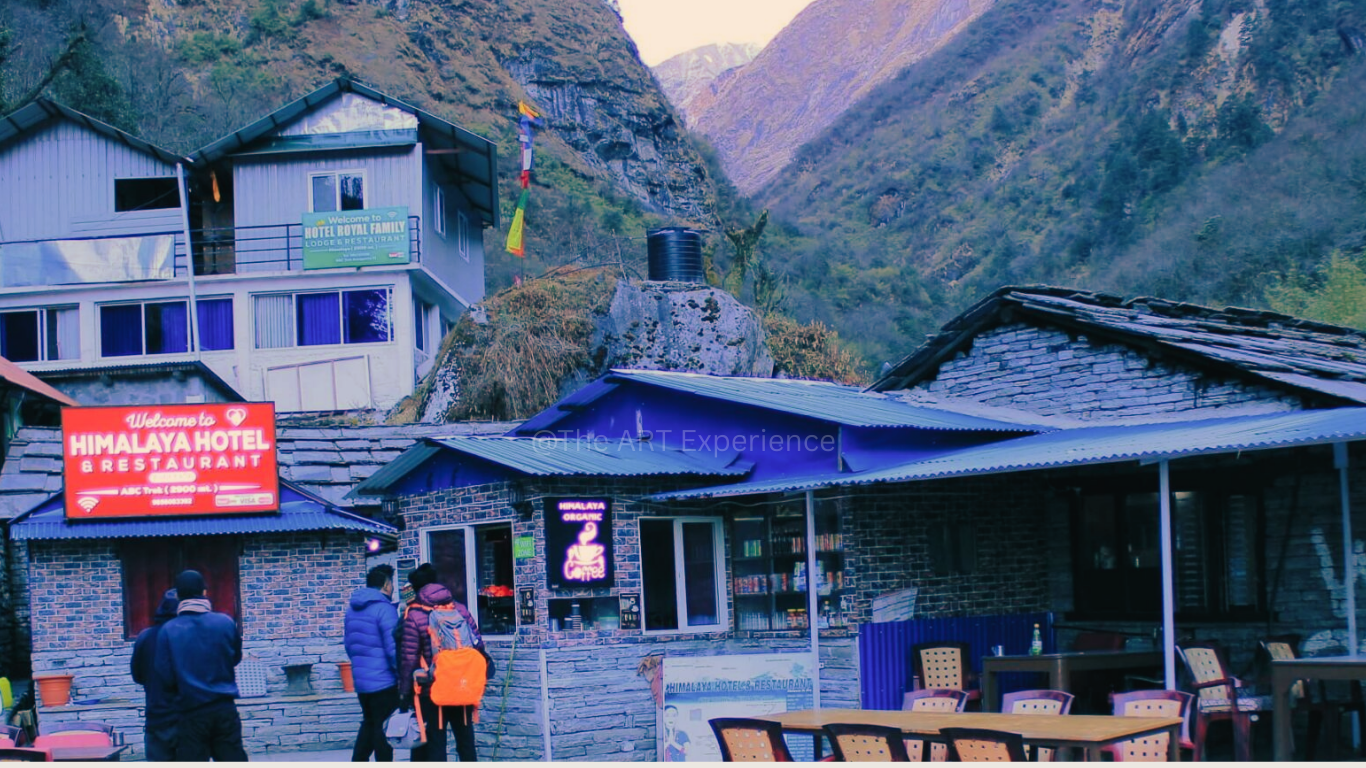
It is a small village with gorgeous stone houses and colorful roofs and filled with the warm hospitality of the Sherpa communities. Yet it has such a prominent impact on everyone, not only the communities living there but also the people travelling to the Everest region as a whole. 


Where is Namche Bazaar? Location, Elevation, and Geography

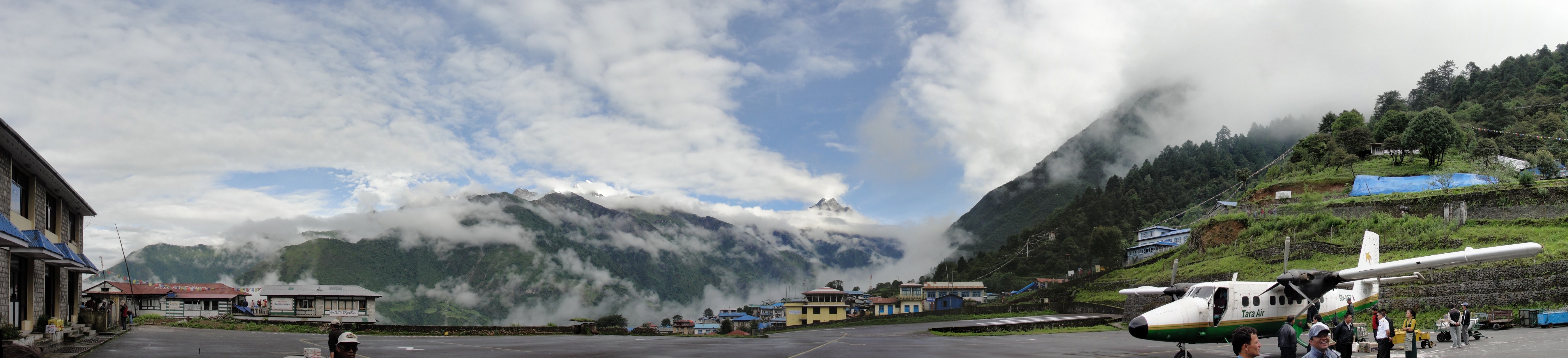
Situated in the northeastern part of Nepal's Everest region lies the Namche Bazaar. A two-day easy hike up the Dudh Koshi valley from the Lukla airport will bring you to the world-famous Namche Bazaar. 


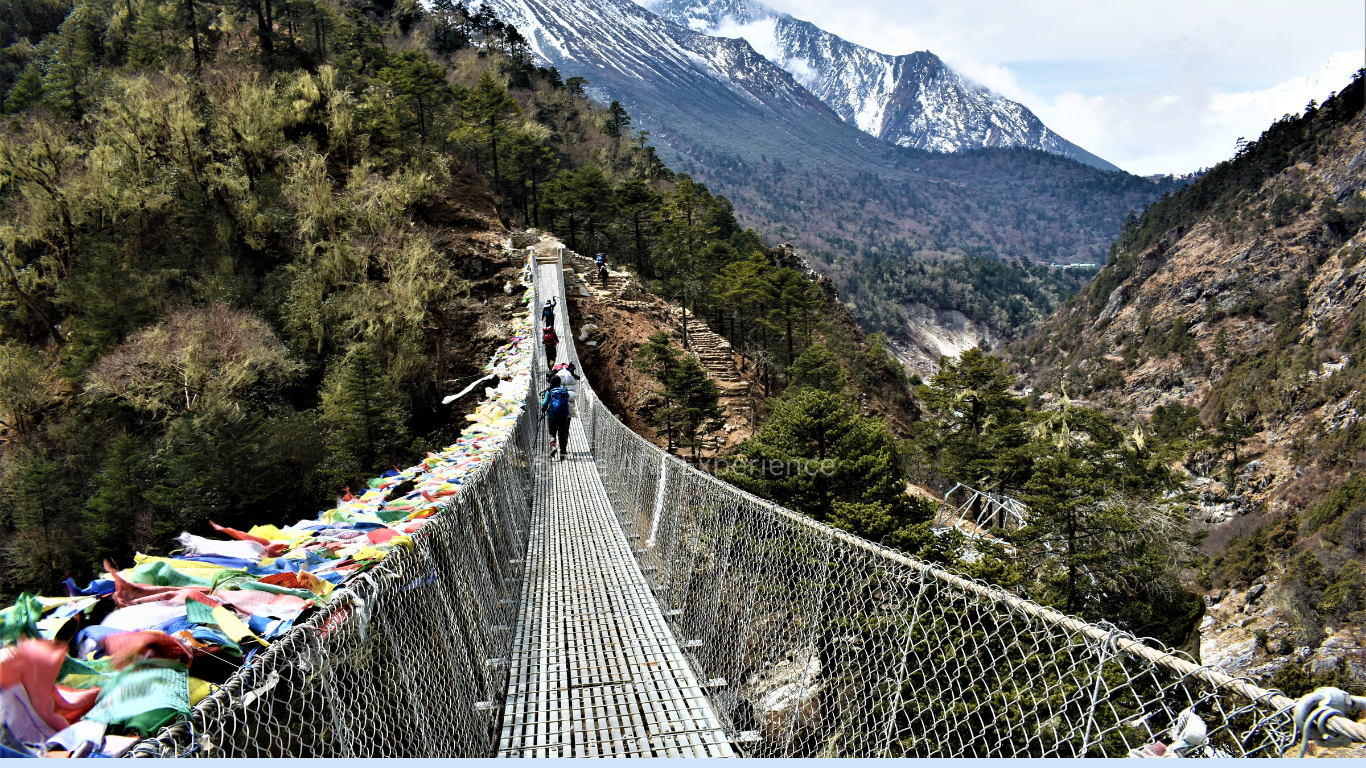
Many tea houses can be found along the route. Popular first-day stops include Phakding and Monjo; the Jorsale checkpoint, where permits are checked, is located just beyond Monjo and serves as the entrance to Sagarmatha National Park. Just a short distance from Jorsale, at the suspension bridge, you can begin to ascend the trail that once followed the Dudh Koshi River; it takes three hours of hiking to reach Namche Bazaar.


At an elevation of 3,500 m, Namche Bazaar is the starting point of expeditions to Mount Everest and other snow-capped mountains in the Everest Region. In addition to being the starting point, Namche Bazaar also serves as an acclimatization point. Trekkers and climbers alike tend to stay at this very location as a part of getting acclimated to the high altitude before eventually carrying on with their journey. 

Landscape of Namche Bazaar

Namche Bazaar is a part of the Sagarmatha National Park, sitting at an elevation of 3,440 meters, and is part of one of the most dramatic landscapes on earth. The village falls on the slanted slope of a hill where the houses have scattered to make a horseshoe-shaped amphitheater overlooking the deep Dudh Koshi valley. 


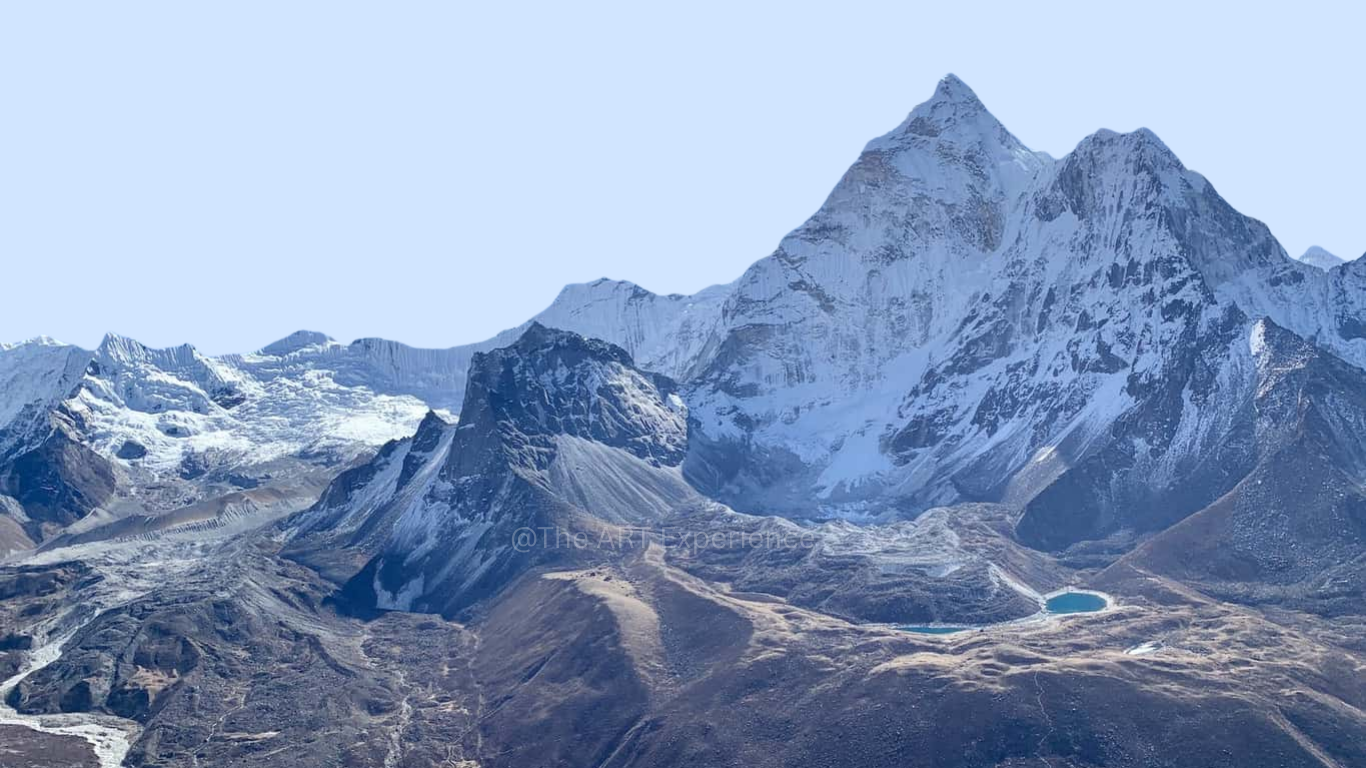
The village has the majestic Kongde Ri (6,187 m) to the west, while the elegant ridges of Thamserku (6,623 m) rise to the east. Namche’s landscape is shaped by its glacial origins and its position above the confluence of major river valleys. 


The surrounding Dudh Koshi and Bhote Koshi river systems carve deep, V-shaped gorges that are the defining features of the park’s rugged terrain. These steep valleys in the Himalayas go up quickly to some of the highest peaks in the world, like Lhotse and Everest. This makes for dramatic changes in elevation over short horizontal distances.


The two major rivers meet at Larcha Dovan below Namche to form the Dudh Koshi river. The Dudh Koshi river flows through the Buffer Zone for nearly 14 km before exiting the BZ below the Surke Village. 


Namche’s distinctive layout, with houses, lodges, and shops layered across terraces, reflects both the steep topography and the Sherpa tradition of adapting settlements to the mountain terrain. Namche Bazaar is often thought of as one of the most beautiful towns in all of Nepal's trekking areas because of its unique landscape that combines human settlement with stunning Himalayan scenery.

History of Namche Bazaar

The history of Namche Bazaar is very intriguing. What now acts as a hub for acclimatization for trekkers and a gateway to Everest served as one of the most important trans-Himalayan trading hubs in the Khumbu region.


The Sherpas migrated from Tibet and settled here centuries ago and their occupation was mostly agriculture, animal husbandry and trade. Sherpa traders bartered Tibetan salt and wool for rice, grains, and goods brought from lower regions.


Namche’s weekly Saturday Market developed from this trading tradition and became a vital supply center for Sherpa communities across the Khumbu. The Government of Nepal’s Journal of Tourism and Himalayan Adventures notes that the market historically served as the primary exchange point for the upper Everest region.


But things changed once the British Expedition Team set their eyes on conquering the world’s highest peak, “Mount Everest.” After the 1953 expedition, the modern era of Namche Bazaar began. As Sagarmatha National Park was established and tourism expanded, Namche became the cultural and economic capital of the Sherpa homeland.


Today, Namche Bazaar blends its trading heritage with its role as the region’s central hub for tourism, services, and Sherpa culture.

Culture, Traditions, People and Communities of Namche Bazaar

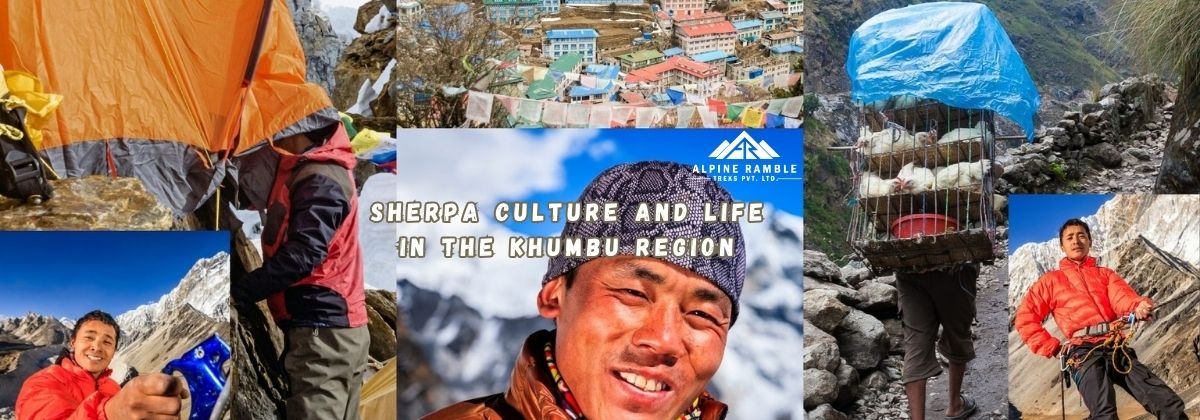
Life in Namche Bazaar naturally reflects the customs and traditions of the Sherpa community. Tibetan Buddhist traditions shape how people live, celebrate, and connect with each other. You see it everywhere in town, from the monasteries and chortens to the prayer wheels and mani walls. It can easily be seen how closely these traditions are tied to the landscape of Sagarmatha National Park.


Most of the people living in Namche and the surrounding areas are Sherpa, and the region has been home to Sherpa families for many generations. Their lives were built around farming, yak herding, and trade, and later as mountaineering and trekking became more prominent sources of income, guiding and hospitality became more common.


Their festivals, family rituals, and monastery events all trace back to their Buddhist roots. Prayer flags, incense, and small pilgrimages are still part of normal daily life.


Namche is also home to the Sherpa Culture Museum, where you can find traditional clothing, tools, old photographs, and objects from the first Everest climbs. It helps visitors understand how Sherpa life has grown and changed in the mountains.


All of this makes Namche Bazaar feel like a community shaped by living traditions rather than just another stop on the trekking route.

Acclimatization in Namche Bazaar

Namche Bazaar is the universal acclimatization stop for all trekkers entering the Everest region. Situated at 3,440 meters, it offers the perfect elevation jump for adjusting safely to thinner Himalayan air before ascending toward Tengboche, Dingboche, and Everest Base Camp. The settlements like Namche play an essential role in supporting trekking and mountaineering activities inside Sagarmatha National Park, making it the region’s most critical staging point.


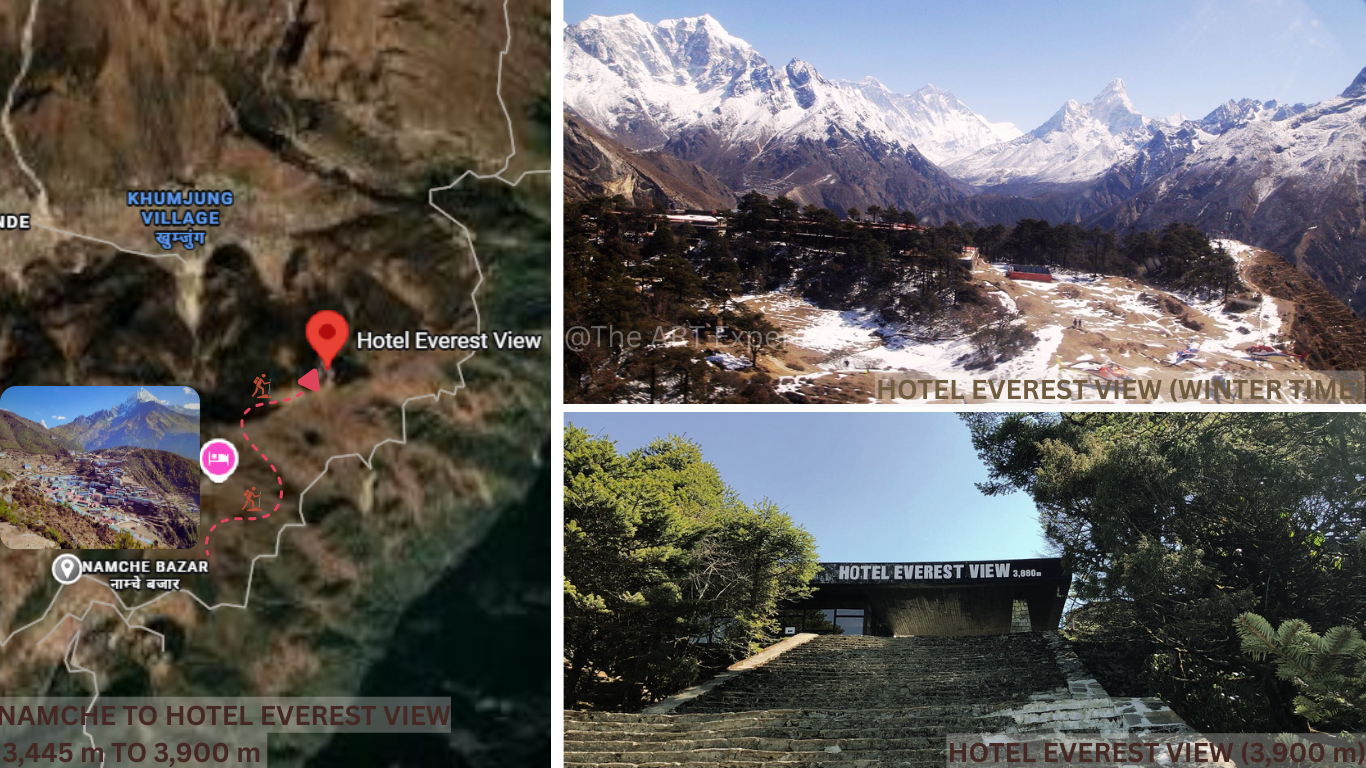
A popular acclimatization activity is the hike to the Everest View Hotel (3,880 m), which provides panoramic views of Everest, Ama Dablam, Lhotse, and other Himalayan peaks. Another rewarding side trip leads to Khumjung Village, one of the oldest Sherpa communities, known for its monastery and Hillary School. These short hikes allow trekkers to “climb high, sleep low,” strengthening altitude adaptation while offering cultural immersion in Sherpa life.

Temperature and Weather

Namche Bazaar experiences a high-mountain climate with cool summers, cold winters, and a distinct monsoon season. Climate research shows that Namche’s average annual temperature is approximately 5°C, with winter lows dropping below freezing and summer temperatures remaining mild.


The best trekking seasons are spring (March–May) and autumn (September–November), when the skies are clearer, temperatures moderate, and trail conditions are most stable. The monsoon season (June–August) brings heavy rainfall and limited visibility, while winter (December–February) is dry but much colder.


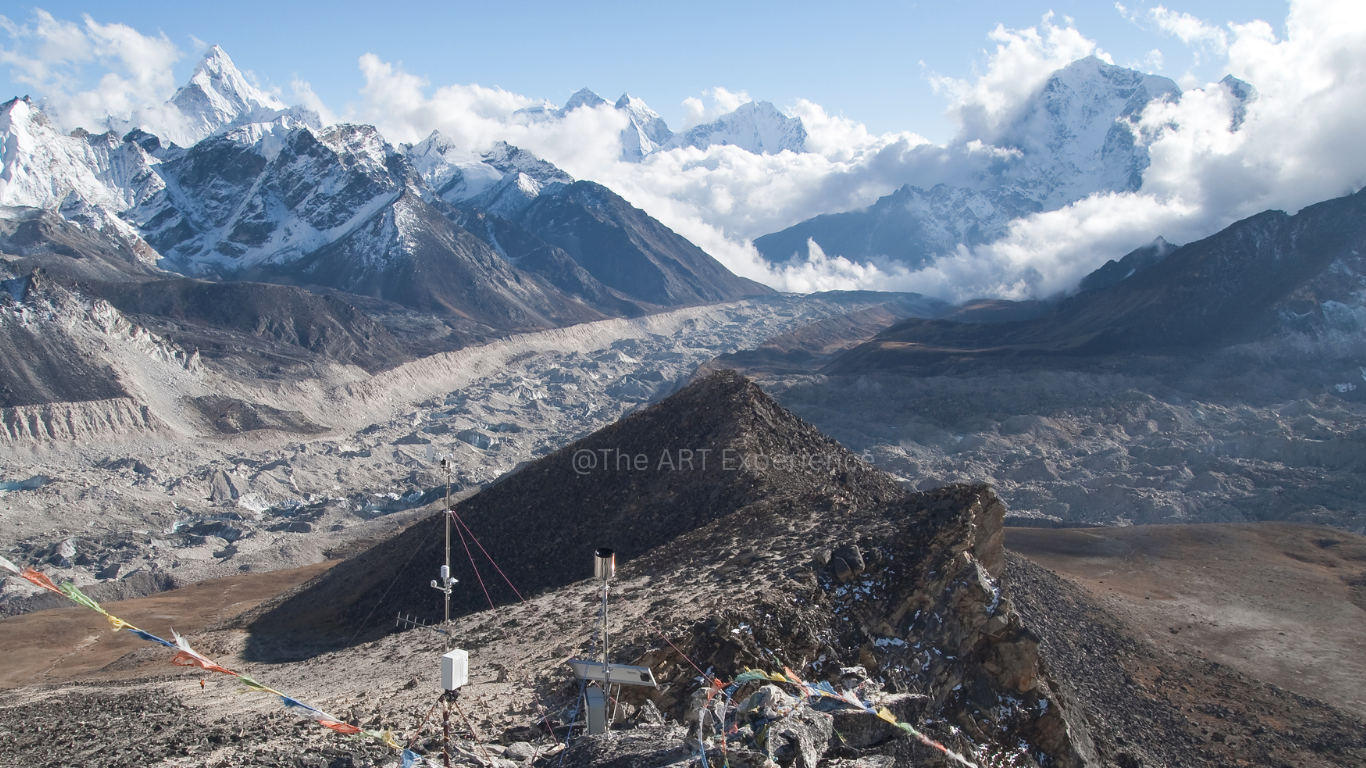
Monthly climate studies, including long-term atmospheric data from the Namche weather station, show pronounced variability influenced by altitude, monsoon winds, and Himalayan topography. These findings help trekkers plan ideal travel windows and prepare for rapid weather changes typical of the Everest region.

Economy of Namche Bazaar

For centuries, Namche Bazaar thrived as a Himalayan trading center, connecting Tibet to lower Nepal. Historical accounts document the exchange of Tibetan salt, wool, and barley for rice and grains brought up from the south. Namche was described as a “non-agricultural settlement” whose economy depended on trade routes rather than farming.


The arrival of mountaineering and trekking in the mid-20th century reshaped the town’s livelihood. Sherpas became renowned guides, porters, and climbing experts, and Namche evolved into the economic heart of the Everest region. Today, the town hosts lodges, tea houses, bakeries, cafes, gear shops, and ATMs, serving thousands of trekkers annually. The Government of Nepal’s tourism journal identifies Namche as the primary service center for the Khumbu, supporting both visitors and local communities.


Traditional Trade Economy

Salt and wool caravans, long-distance barter, and a vibrant Saturday market formed the economic foundation of the Sherpa region.

Tourism-Driven Economy 

Modern income centers include guiding, portering, lodge ownership, and retail businesses that support EBC trekkers and climbers.

How to get to Namche Bazaar?

Namche Bazaar can be reached through several routes:


1. Flight + Trek (Most Common)

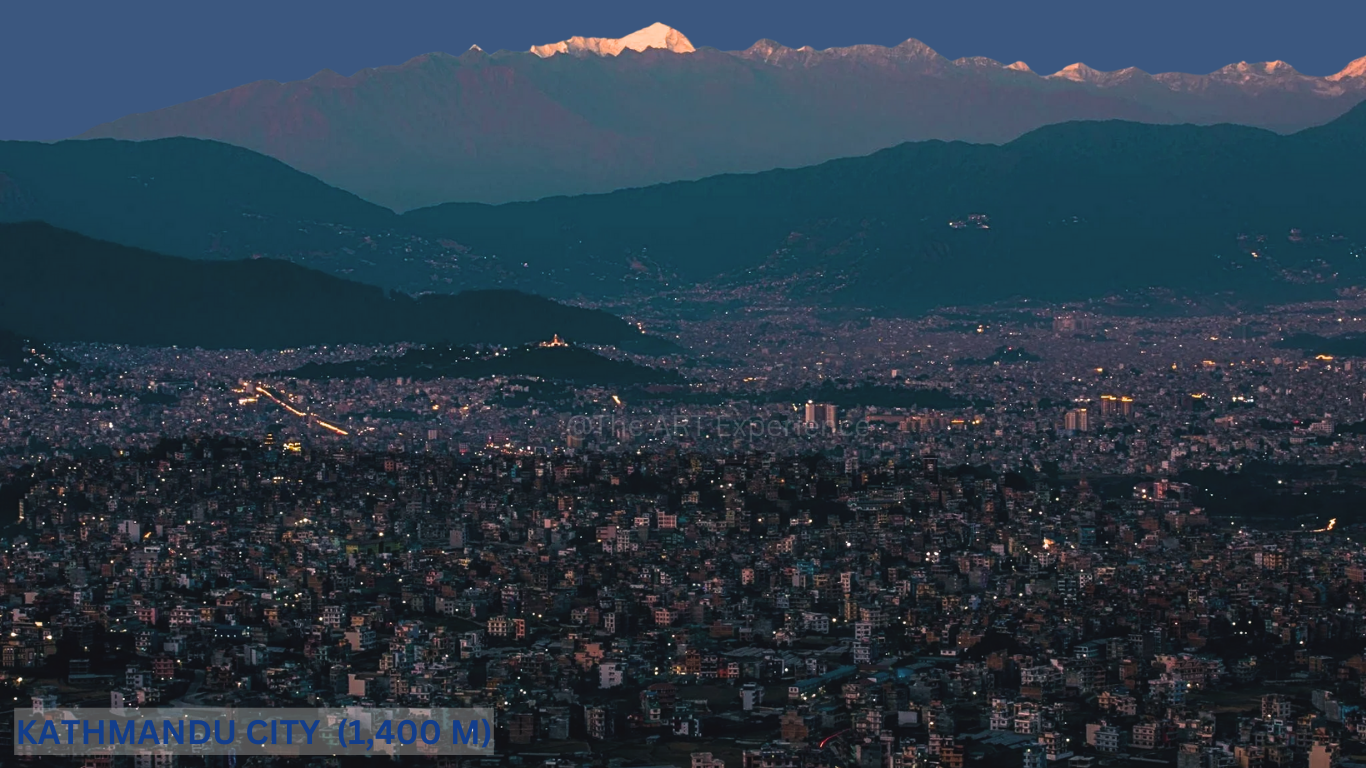
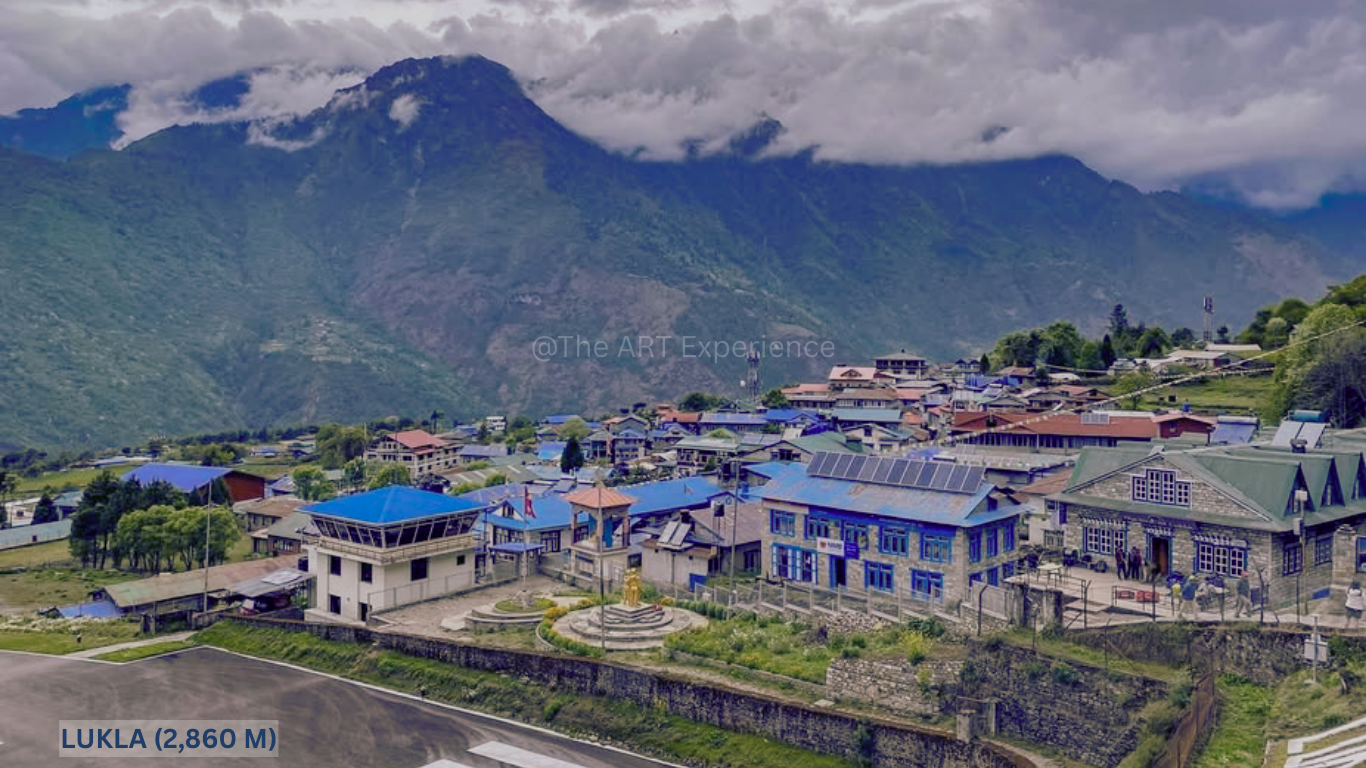
A short flight from Kathmandu or Ramechhap to Lukla (2,860 m), followed by a two-day trek via Phakding and Monjo.


2. Helicopter Direct to Namche

A faster but expensive option used by climbers, medical evacuations, or luxury trekkers.


3. Road + Trek (Emerging Option)

Recent infrastructure developments have brought roads closer to the lower Khumbu. Trekkers can drive to Phaplu or Thamdanda and then trek north toward Lukla and Namche. News reporting highlights how new roads are gradually improving access to the Everest region.

Namche Bazaar: Gateway to Everest

Namche earned its title as the “Gateway to Everest” because it became the first major Sherpa settlement encountered by early mountaineers, including the 1953 British expedition that achieved the first successful summit of Everest. Since then, the town has remained the central logistics point for expeditions and trekkers.

It is the biggest and busiest stop on the Everest Base Camp trek, as well as the gateway to Gokyo Valley, the Three Passes, and numerous Sherpa villages. Namche is also a critical acclimatization hub, offering ideal elevation gain and access to acclimatization hikes such as the Everest View Hotel trail. Museums, markets, lodges, and guiding services all support its role as the region’s main operational base.
Namche Bazaar as a Trekking Destination

Namche itself has become a standalone trekking destination. The Namche Bazaar Trek, a short, scenic journey from Lukla to Namche and back, is ideal for beginners, families, and travelers with limited time. It provides panoramic mountain views, Sherpa culture, bustling markets, and access to classic side trips like the Everest View Hotel and Khumjung.

This trek is affordable, accessible, and suitable for a wide age range, offering a rich Himalayan experience without the demands of high-altitude trekking beyond Namche.

Conclusion

Namche Bazaar is much more than just a place to stop on the way to Everest Base Camp.  It is the cultural, economic, and logistical center of the Khumbu region, where daily life, tradition, and adventure all come together. Rooted in deep Sherpa heritage and shaped by centuries of trade, the town reflects a way of life that has adapted to the flow of mountaineers from around the world while still holding tightly to its Buddhist values and mountain identity.


From monasteries and prayer flags to bustling markets, lodges, and trekking services, Namche Bazaar serves as the main support system for both locals and travelers heading deeper into the Himalayas. Its unique location, natural amphitheater setting, and well-developed facilities make it a place for rest, acclimatization, and cultural connection. In many ways, every journey to Everest begins and truly takes shape in Namche Bazaar, making it an unforgettable and essential part of the Everest experience.

Our content is based on reliable, verified sources including government data, academic research, and expert insights. We also reference reputable publishers and primary sources where appropriate. Learn more about our standards in our editorial policy.

No sources listed for this article yet.

Frequently asked questions

Quick answers based on this article.

Where is Namche Bazaar located?

Namche Bazaar is located at 3,440 meters (11,286 ft) in the Khumbu region of northeastern Nepal, inside Sagarmatha National Park, the gateway to the Everest region.

Why is Namche Bazaar called the gateway to Everest?

Namche Bazaar serves as the central hub for logistics, acclimatization, and supplies for nearly every trek or expedition to Everest Base Camp, Gokyo Lakes, the Three Passes, and major Sherpa villages.

What is the altitude of Namche Bazaar?

Namche Bazaar sits at 3,440 meters, an ideal elevation for trekkers to acclimatize before climbing higher.

Why is acclimatization important in Namche Bazaar?

The rise in altitude becomes significant after Namche. Spending 1–2 nights helps the body adjust to reduced oxygen, reducing the risk of altitude sickness.

How many acclimatization days are needed in Namche Bazaar?

Most itineraries include one acclimatization day, often involving light hiking to higher viewpoints before returning to Namche to sleep.

What is the history of Namche Bazaar as a trading town?

Namche once flourished as a trans-Himalayan trade center, where Sherpas exchanged Tibetan salt and wool for grains and goods brought from lower Nepal.

What makes Namche Bazaar culturally significant to the Sherpa people?

It is considered the cultural capital of the Sherpas, home to monasteries, chortens, community gatherings, and traditional festivals.

What Buddhist traditions are practiced in Namche Bazaar?

Residents follow Tibetan Buddhism, with daily practices including spinning prayer wheels, lighting butter lamps, chanting mantras, and attending monastery rituals.

What can you see at the Sherpa Culture Museum in Namche?

The museum displays traditional Sherpa clothing, household tools, mountaineering artifacts, old photographs, manuscripts, and models of Sherpa homes, offering insight into local life and Everest history.

What are the best acclimatization hikes from Namche Bazaar?

The two most popular hikes are Everest View Hotel (3,880 m): for panoramic Everest views Khumjung Village: a traditional Sherpa settlement with a monastery and Hillary School

What is the weather like in Namche Bazaar throughout the year?

Winters are cold and dry, summers warm and wet, and spring/autumn offer moderate temperatures with clear skies—ideal for trekking.

When is the best time to trek to Namche Bazaar?

Spring (March–May) and autumn (September–November) are considered the best seasons due to stable weather and excellent visibility.

How cold does Namche Bazaar get in winter?

Temperatures can drop below -10°C (14°F), especially at night, with daytime conditions remaining cold but dry.

Does Namche Bazaar experience snowfall?

Yes. Snowfall is common during winter months, particularly from December to February.

How does the monsoon season affect trekking in Namche Bazaar?

Monsoon (June–August) brings heavy rain, slippery trails, clouds, and reduced visibility. Flight delays to Lukla are also more frequent.

What facilities are available in Namche Bazaar?

Namche is well-developed for a mountain town, offering ATMs, cafes, bakeries, pharmacies, trekking shops, lodges, WiFi, and a health clinic.

Are there good teahouses and lodges in Namche Bazaar?

Yes. Namche has some of the best teahouses in the Khumbu, with heated dining rooms, hot showers, comfortable rooms, and high-quality meals.

How do you get to Namche Bazaar from Kathmandu?

Most travelers fly to Lukla, then trek for two days. Alternative options include helicopter flights or driving to Phaplu/Thamdanda and trekking north.

Is Namche Bazaar suitable for beginner trekkers?

Yes. Trekkers with moderate fitness can reach Namche. The trail is well-established, though the last ascent into Namche is steep.

How long does it take to trek from Lukla to Namche Bazaar?

Typically two days, with an overnight stay in Phakding or Monjo before the final climb into Namche.

What makes Namche Bazaar’s architecture unique?

Namche is built in a natural amphitheater, featuring terraced stone houses with traditional Sherpa designs adapted to steep mountain terrain.

What role do Sherpas play in the economy of Namche Bazaar?

Sherpas are central to tourism as guides, porters, lodge owners, shopkeepers, and entrepreneurs, shaping Namche’s economy.

How did tourism change the economy of Namche Bazaar?

Tourism transformed Namche into the commercial hub of the Everest region, creating jobs and boosting local businesses.

What traditional goods were traded historically in Namche Bazaar?

Key items included Tibetan salt, wool, barley, and household goods exchanged with communities from lower Nepal.

What wildlife and landscapes surround Namche Bazaar?

Namche is surrounded by Himalayan pines, rhododendron forests, and peaks such as Kongde Ri and Thamserku, with occasional sightings of musk deer and Himalayan birds.

Is the Saturday Market in Namche Bazaar still active?

Yes. The market remains a vibrant weekly gathering where traders sell clothing, produce, spices, and local goods.

Is Namche Bazaar inside Sagarmatha National Park?

Yes. Namche lies within the boundaries of Sagarmatha National Park, a UNESCO World Heritage Site.

What permits are required to visit Namche Bazaar?

Trekkers need two permits: Khumbu Pasang Lhamu Rural Municipality Permit Sagarmatha National Park Entry Permit

How far is Namche Bazaar from Everest Base Camp?

Namche Bazaar is approximately 65 km (40 miles) from Everest Base Camp, or 5–7 days of trekking, depending on the route.

Why is Namche Bazaar considered the cultural capital of the Khumbu region?

It is the largest Sherpa settlement, home to monasteries, museums, markets, and major cultural institutions, making it the center of Sherpa heritage.

Didn’t find your answer? Contact us

Prefer WhatsApp or a quick call? We reply fast.

ART Experience Reviews

Share your ART experience

Add media, drop your rating, and write a few words. Submissions go to the Review Manager for approval.

Related articles

More reading selected from the same theme.