Mental impacts of altitude
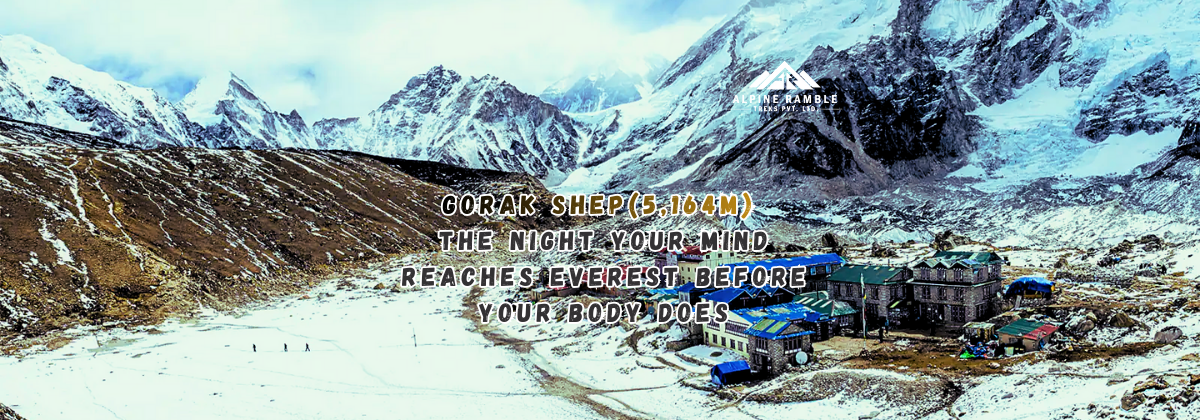
As dusk settles over Gorak Shep, a profound stillness envelops the trekkers. At an altitude of approximately 5,164 meters, the thin air weighs heavily on the mind. The dusty ground, devoid of trees and comfort, becomes a canvas for silent contemplation. Trekkers sit quietly, their eyes glued to walls or the flickering numbers of oxygen meters, each lost in their thoughts. This is not merely a stopover; it is a psychological threshold, a place where the mind confronts its limits.
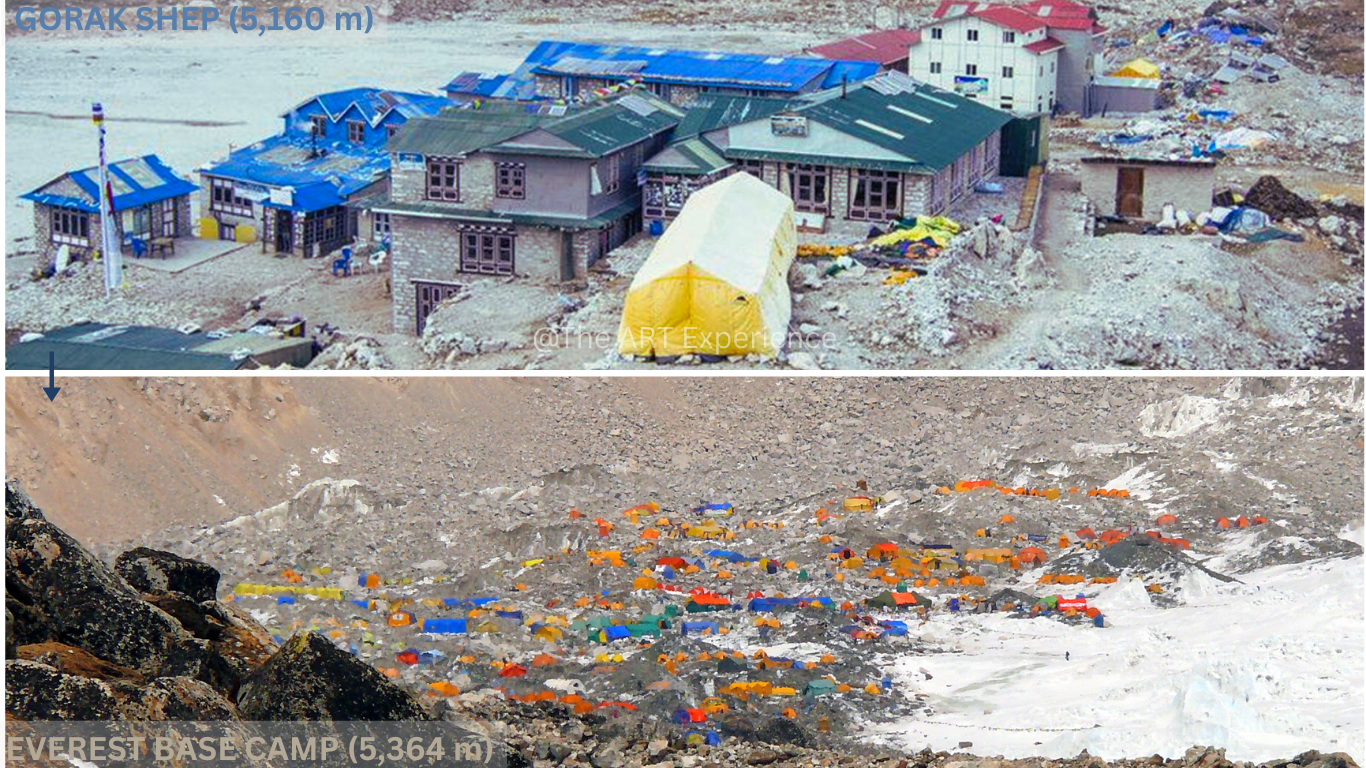
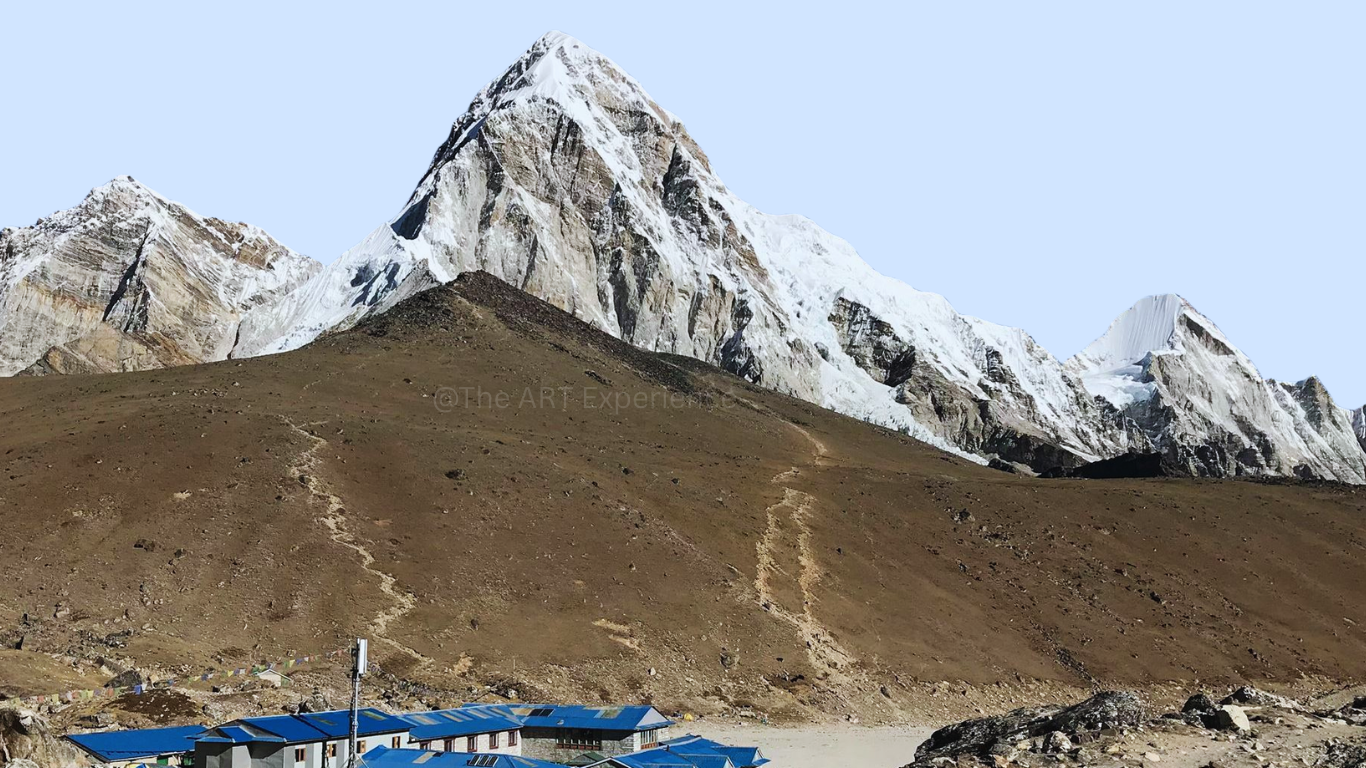
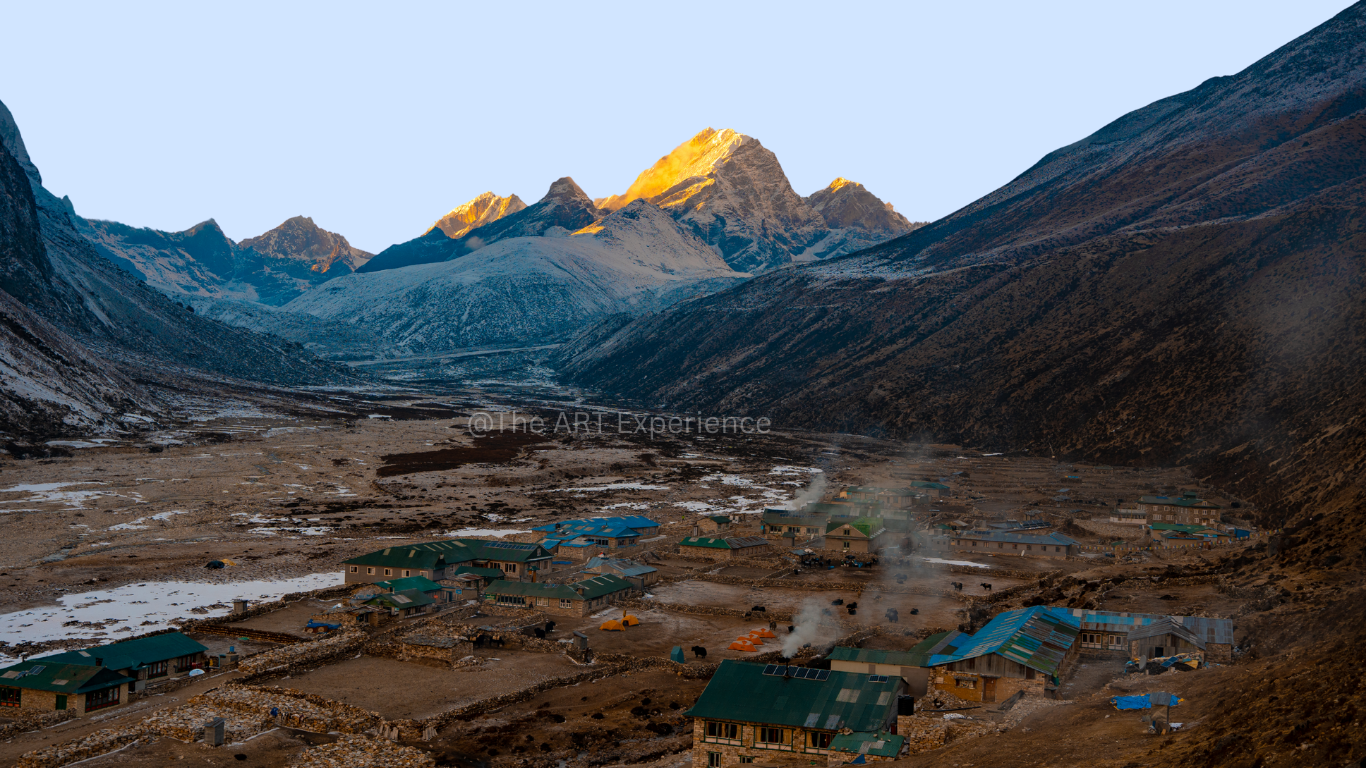
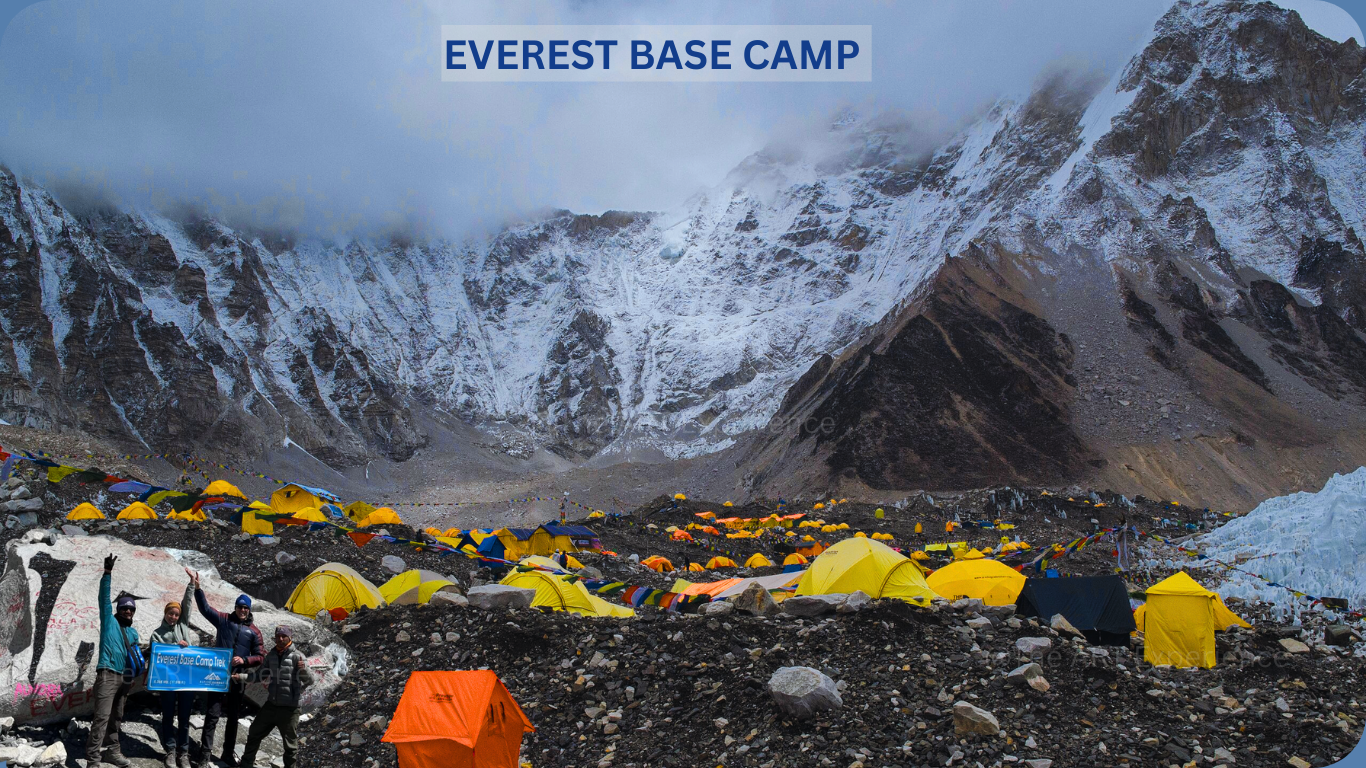
Gorak Shep exists in a harsh reality. Located in a glacial basin, it serves as the last settlement before the daunting trek to Everest Base Camp. The climate is unforgiving, with temperatures plummeting at night and the sun's rays offering little warmth during the day. The barren landscape, a testament to the harshness of high-altitude living, provides no respite. It is a temporary encampment, where no permanent agriculture can thrive, and comfort is a distant memory.
Here, the mental shock factor becomes evident. Oxygen deprivation leads to cognitive slowdown, making even simple decisions feel monumental. Sleep disruptions and altitude insomnia plague those who dare to rest. Appetite loss becomes common, as the body struggles to adapt. Emotional flatness and irritability creep in, and a silent anxiety fills the air. This environment fosters feelings of demotivation, fear, and emptiness. For many, Gorak Shep becomes a mental battleground, where the weight of expectation collides with the stark realities of high-altitude trekking.
- Oxygen levels: At Gorak Shep, oxygen levels drop to about 50% of what they are at sea level.
- Cognitive effects: Trekkers often experience slowed thought processes and difficulty concentrating.
- Emotional responses: Feelings of anxiety and irritability are common as the mind grapples with the altitude.
- Sleep issues: Many suffer from insomnia, exacerbated by the altitude and discomfort.
- Appetite changes: Loss of appetite is frequent, hindering nutritional intake.
- Demotivation: The harsh environment can lead to feelings of despair and a desire to turn back.