Loading Alpine AI
How Ama Dablam Base Camp Redefines Trekking Experience

How Ama Dablam Base Camp Redefines Trekking Experience

Dil GurungCEOTrekkingPublished: Jan 23, 2026Updated: Jan 23, 2026Fact-checked by Trabra.ai
PostLinkedInFacebookWhatsApp
Introduction to Ama Dablam Base Camp

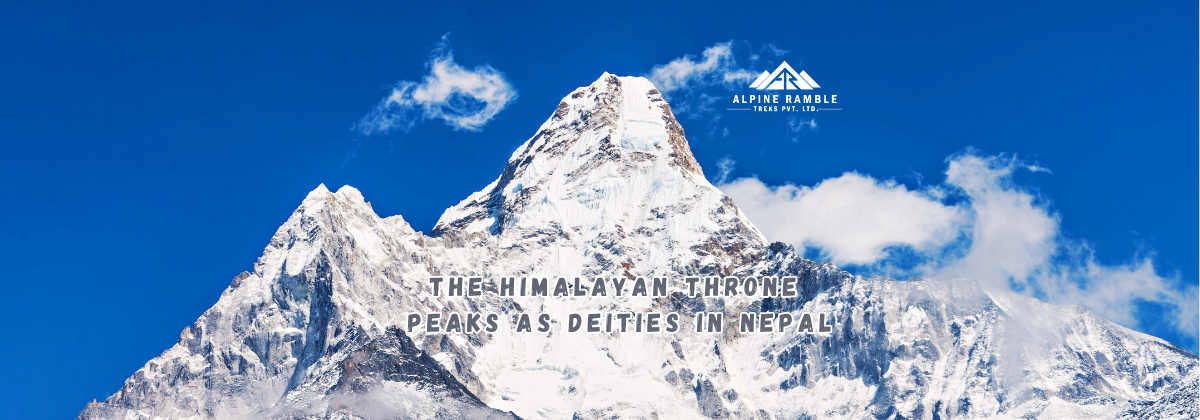
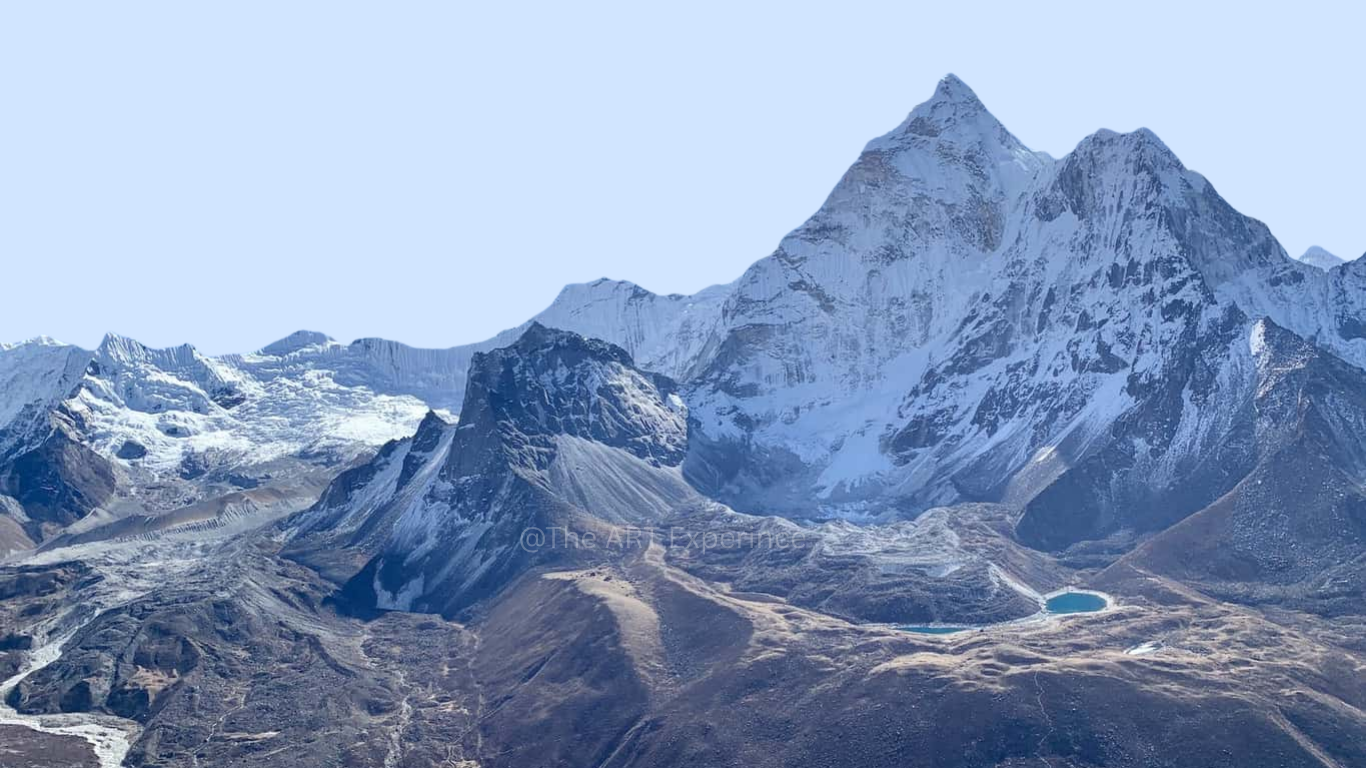
The trek to Ama Dablam Base Camp is not just a journey; it is a transformative experience that redefines trekking. Nestled in the heart of the Khumbu region of Nepal, Ama Dablam is one of the most iconic mountains in the world, towering at 6,812 meters.

This trek offers breathtaking views, rich culture, and a chance to connect with the majestic Himalayas.

The Trekking Route to Ama Dablam Base Camp

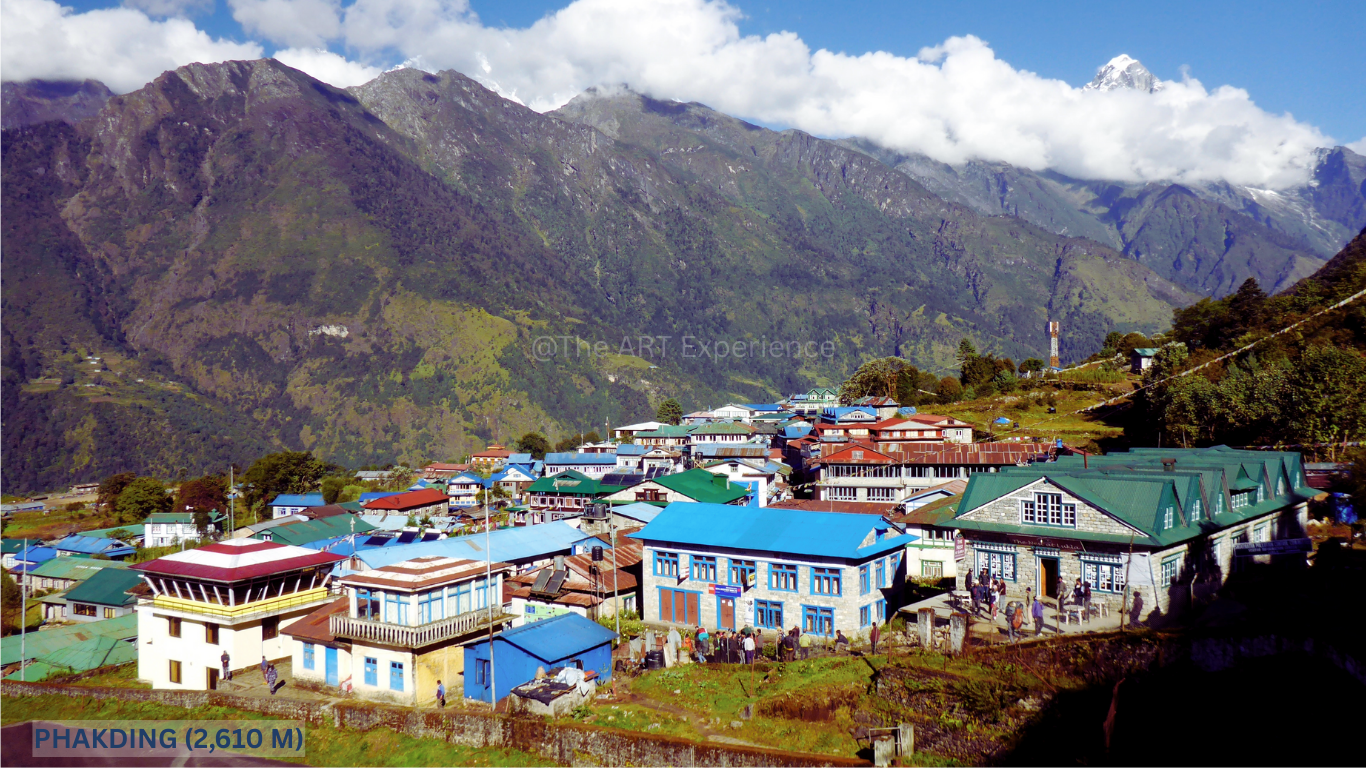
The journey to Ama Dablam Base Camp usually begins in Lukla, a small town with a famous airport. From there, trekkers traverse through charming Sherpa villages, lush forests, and rugged landscapes.

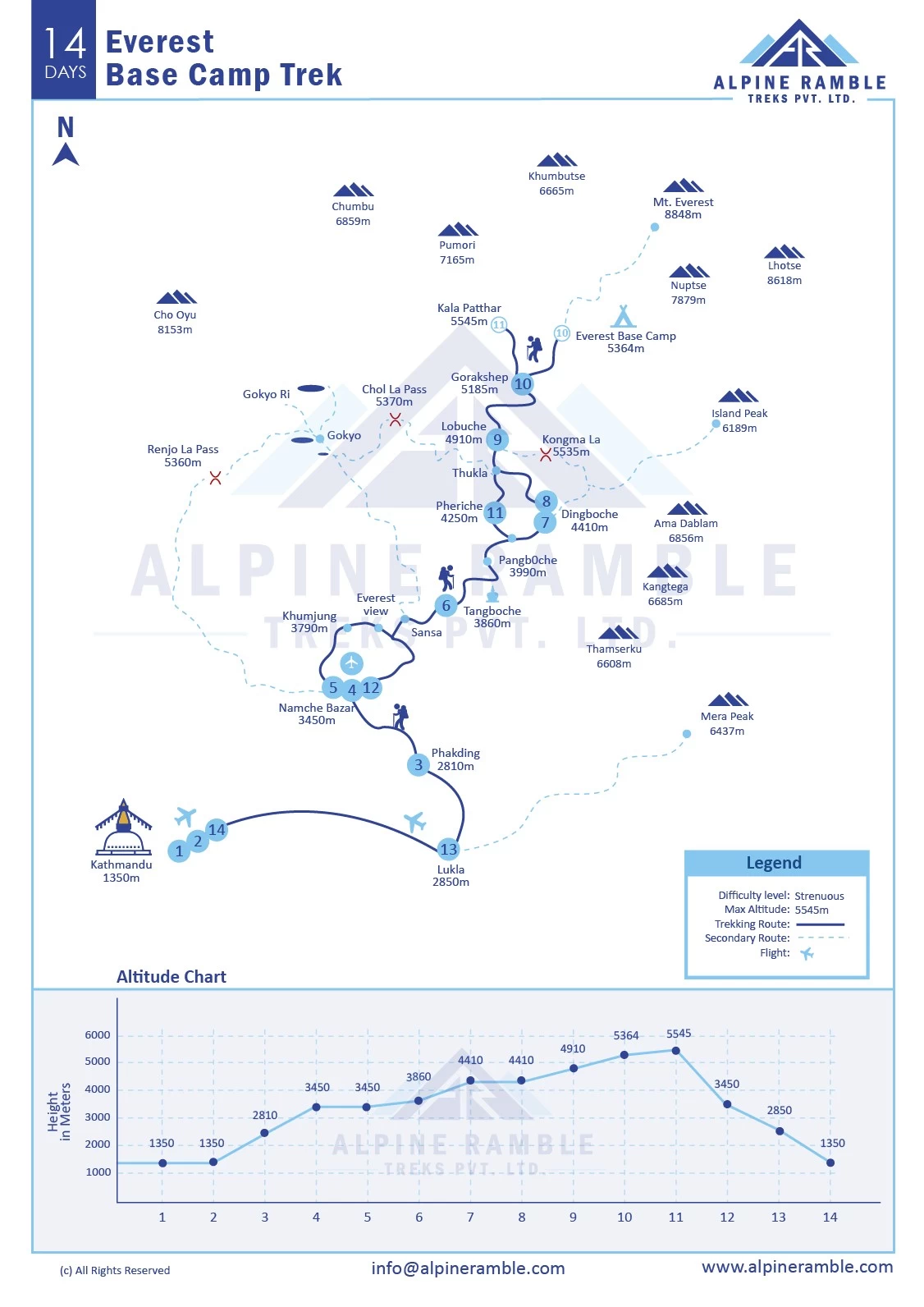
  • Day 1: Fly to Lukla, trek to Phakding.
  • Day 2: Trek to Namche Bazaar, the gateway to the Everest region.
  • Day 3: Acclimatization day in Namche, explore local culture.
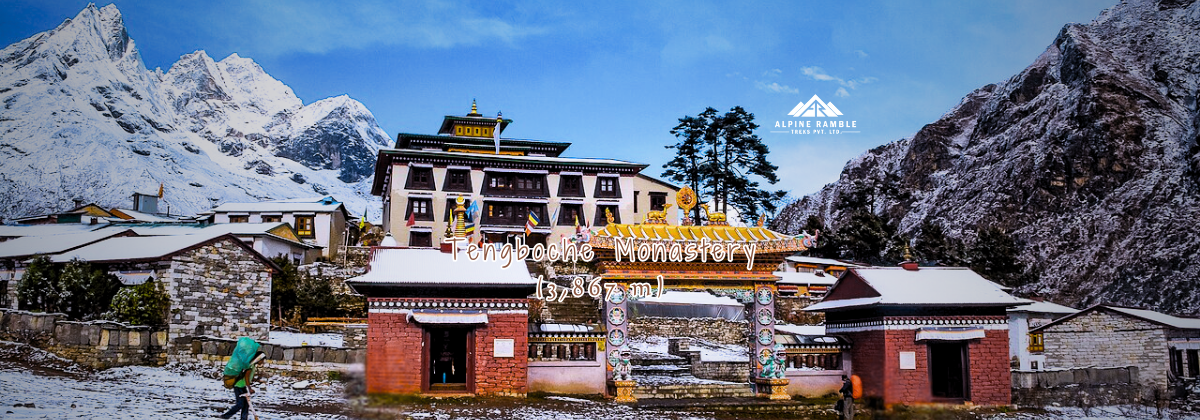
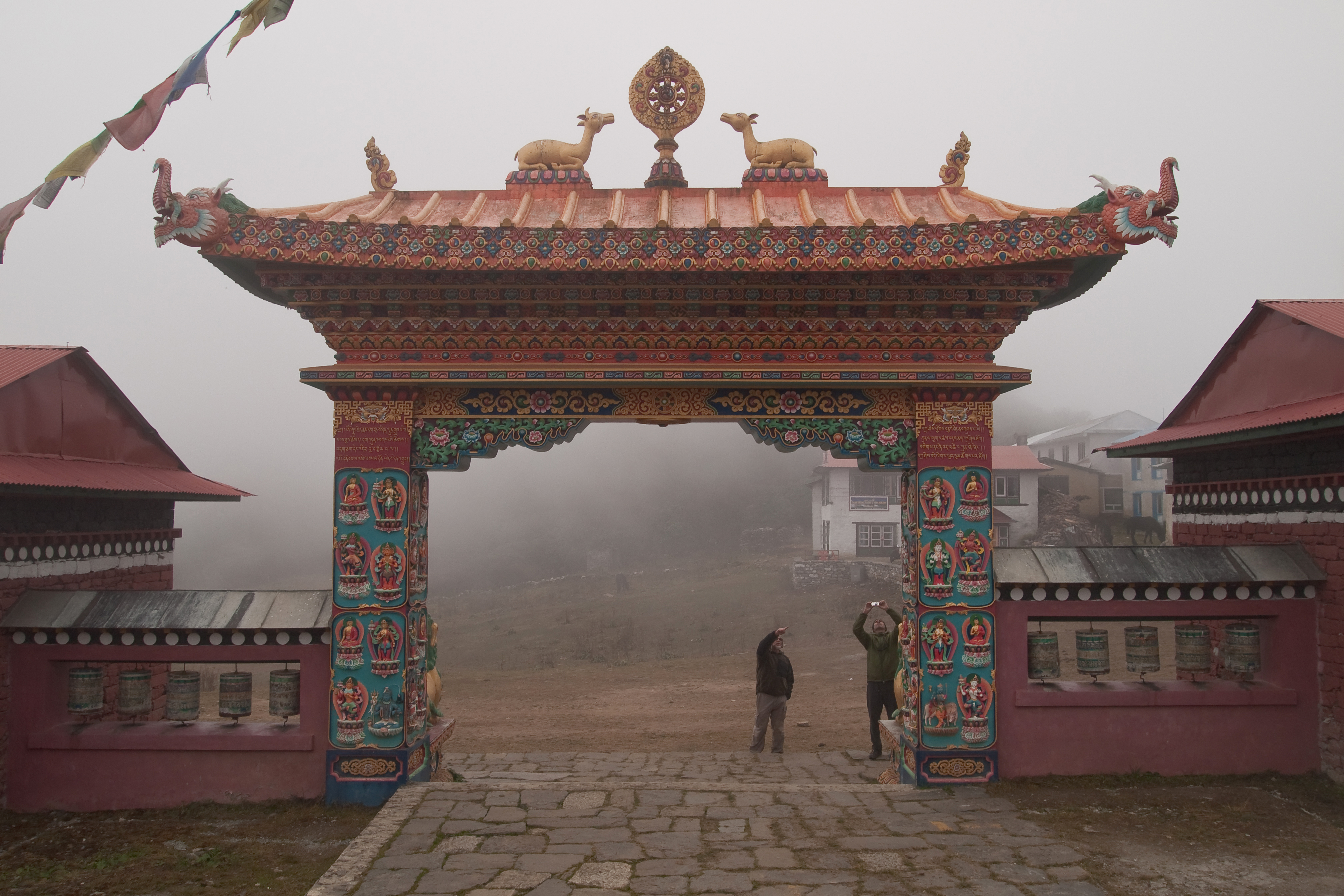
  • Day 4: Trek to Tengboche, visit the famous monastery.
  • Day 5: Trek to Ama Dablam Base Camp, surrounded by stunning peaks.
Cultural Encounters Along the Way

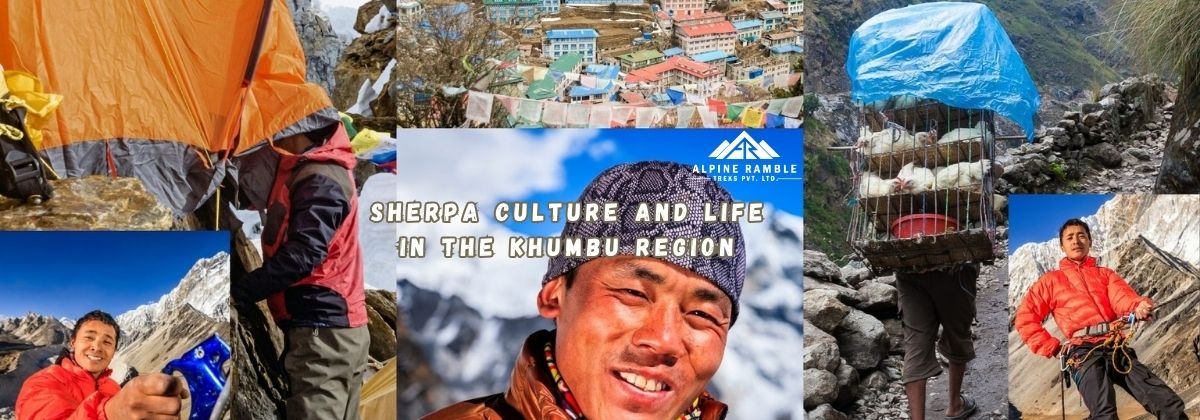
As you trek to Ama Dablam Base Camp, you will encounter the rich culture of the Sherpa people. Their hospitality is renowned, and you will have opportunities to stay in local teahouses and enjoy traditional meals.

Additionally, you can learn about the Sherpa way of life and their deep spiritual connection to the mountains.

  • Teahouse stays: Experience local hospitality.
  • Traditional meals: Enjoy authentic Sherpa cuisine.
  • Local festivals: Participate in cultural celebrations if your trek coincides.
Nature and Wildlife in the Khumbu Region

The Khumbu region is not only known for its towering peaks but also for its diverse flora and fauna. While trekking, you may spot:

  • Snow leopards: Elusive and beautiful, these big cats are a rare sight.
  • Tahr: A wild goat that roams the rocky slopes.
  • Various birds: Including the colorful Danphe, the national bird of Nepal.
  • Medicinal plants: Many traditional herbs used in local medicine.
Preparation and Tips for Trekking

Proper preparation is crucial for a successful trek to Ama Dablam Base Camp. Here are some tips:

  • Physical fitness: Ensure you are in good shape.
  • Gear: Invest in quality trekking gear.
  • Permits: Obtain the necessary permits for trekking in the region.
  • Hydration: Stay hydrated throughout the trek.
  • Acclimatization: Take time to acclimatize to prevent altitude sickness.

Our content is based on reliable, verified sources including government data, academic research, and expert insights. We also reference reputable publishers and primary sources where appropriate. Learn more about our standards in our editorial policy.

  1. Nepal Tourism Board. “Trekking in Nepal”
  2. Himalayan Rescue Association. “Altitude Sickness Prevention”
  3. Adventure Travel Trade Association. “Trekking Guidelines”

Frequently asked questions

Quick answers based on this article.

What is the best time to trek to Ama Dablam Base Camp?

The best times to trek are in the spring (March to May) and autumn (September to November) when the weather is more stable.

How difficult is the trek to Ama Dablam Base Camp?

The trek is considered moderate to challenging, suitable for trekkers with some experience.

Do I need a guide for the trek?

While it's not mandatory, hiring a local guide can enhance your experience and ensure safety.

What permits do I need for the trek?

You will need a TIMS card and a Sagarmatha National Park permit.

How long does the trek take?

The trek typically takes around 12-14 days, including acclimatization days.

What type of accommodation can I expect?

Accommodation is primarily in teahouses, which offer basic amenities.

Is there mobile coverage during the trek?

Mobile coverage is available in some areas, but may be limited in remote sections.

What should I pack for the trek?

Pack layers of clothing, a good sleeping bag, trekking poles, and personal items.

Can I find vegetarian food on the trek?

Yes, most teahouses offer vegetarian options.

What is the altitude of Ama Dablam Base Camp?

Ama Dablam Base Camp is located at approximately 4,600 meters.

Are there any health risks associated with trekking?

Altitude sickness is a risk; proper acclimatization is essential.

What is the weather like during the trek?

Weather can vary, but expect cold temperatures and potential snowfall in higher altitudes.

Can I hire porters for my gear?

Yes, hiring a porter is common and can ease the burden of carrying heavy gear.

Is trekking insurance necessary?

Yes, it's advisable to have trekking insurance that covers emergencies.

What are the main attractions along the route?

Key attractions include Namche Bazaar, Tengboche Monastery, and stunning mountain views.

Is it safe to trek alone?

While some trekkers go solo, it is safer to trek with a group or guide.

Are there any cultural practices I should be aware of?

Respect local customs, such as removing shoes before entering homes and monasteries.

What makes Ama Dablam unique?

Ama Dablam is known for its stunning pyramid shape and is a sacred mountain for the Sherpa people.

How can I contribute to local communities while trekking?

Support local businesses, stay in teahouses, and consider donating to local schools or projects.

What is the significance of the Ama Dablam mountain?

Ama Dablam means 'Mother's necklace' and holds cultural significance for the Sherpa community.

Didn’t find your answer? Contact us

Prefer WhatsApp or a quick call? We reply fast.

ART Experience Reviews

Share your ART experience

Add media, drop your rating, and write a few words. Submissions go to the Review Manager for approval.

Related articles

More reading selected from the same theme.