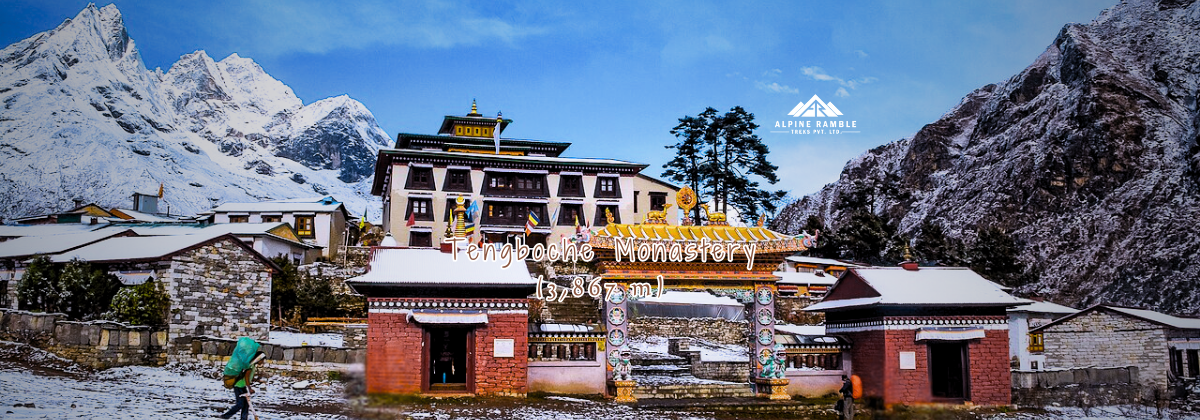
Travel
Tengboche Monastery: A Plan You Don't Want to Miss in Your 20s
Discover the spiritual and historical significance of Tengboche Monastery, a must-visit destination for those in their 20s seeking adventure and reflection.
Alpine Ramble
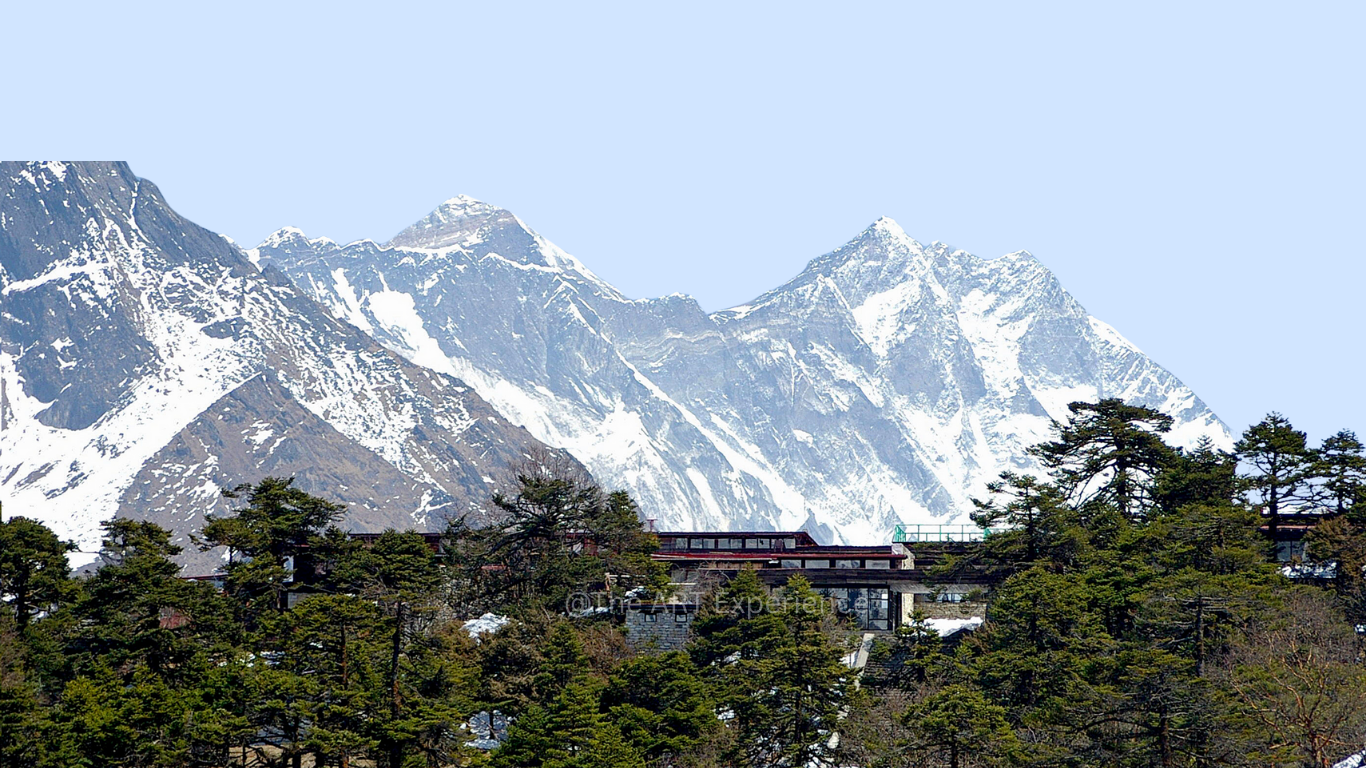
Nepal is a country of breathtaking landscapes, diverse cultures, and rich history. For first-time visitors, it offers a unique blend of adventure and spirituality. From the bustling streets of Kathmandu to the serene lakes of Pokhara, each region has its own charm and significance. The majestic Himalayas tower over the country, providing a stunning backdrop for countless adventures. Whether you are seeking thrilling treks, spiritual experiences, or simply a chance to immerse yourself in a vibrant culture, Nepal has something for everyone. Prepare to embark on a journey that will leave you with unforgettable memories and a deeper appreciation for this beautiful land.
Kathmandu, the capital city, is a vibrant hub of culture and history. Here are some must-visit sites that showcase the city's rich heritage:
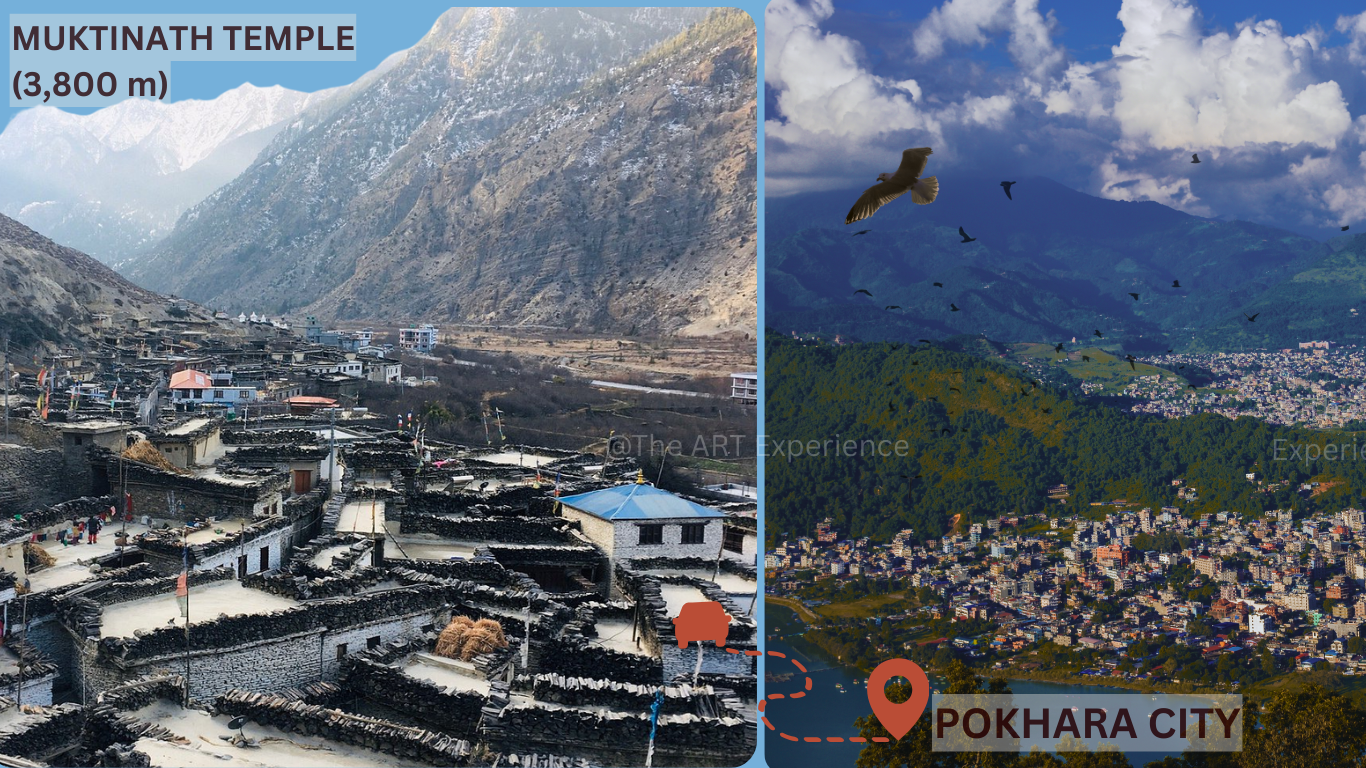
Pokhara is known for its stunning natural beauty and adventure activities. Key attractions include:
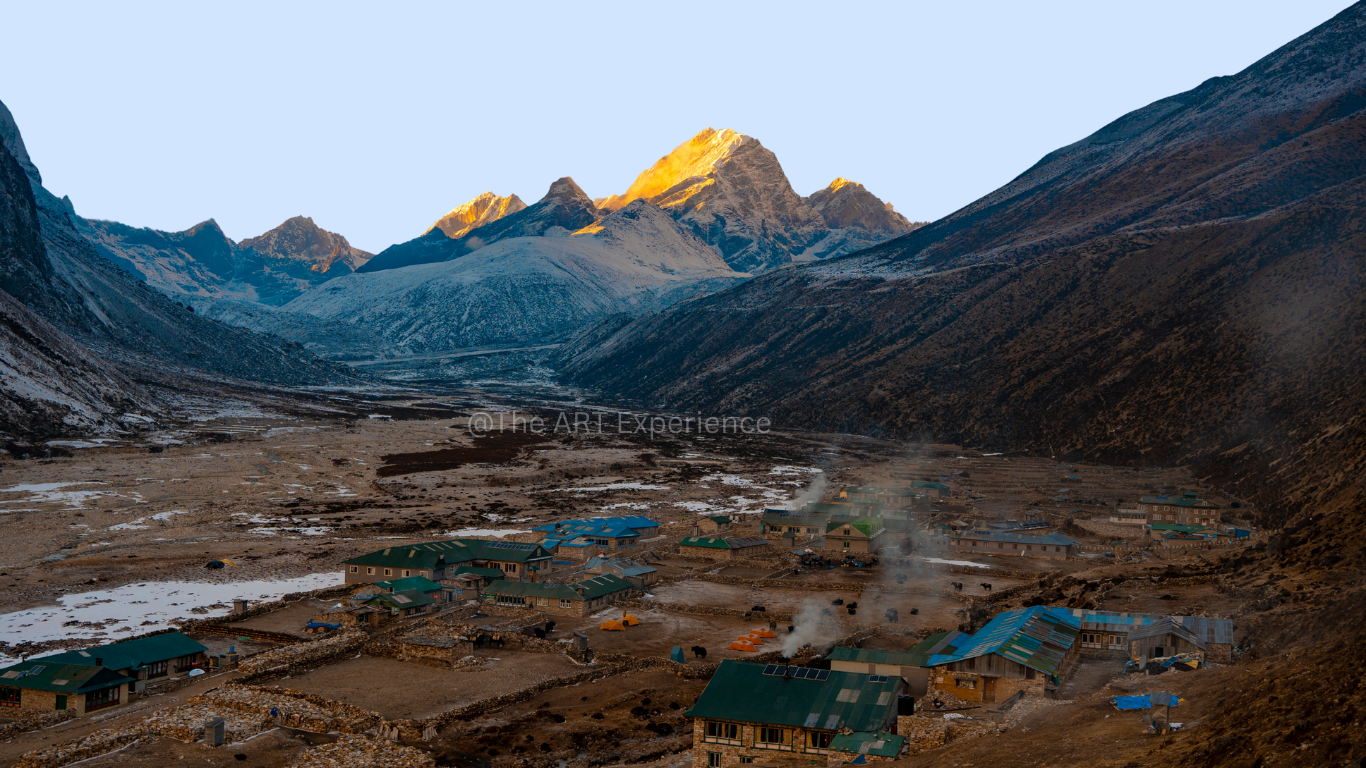
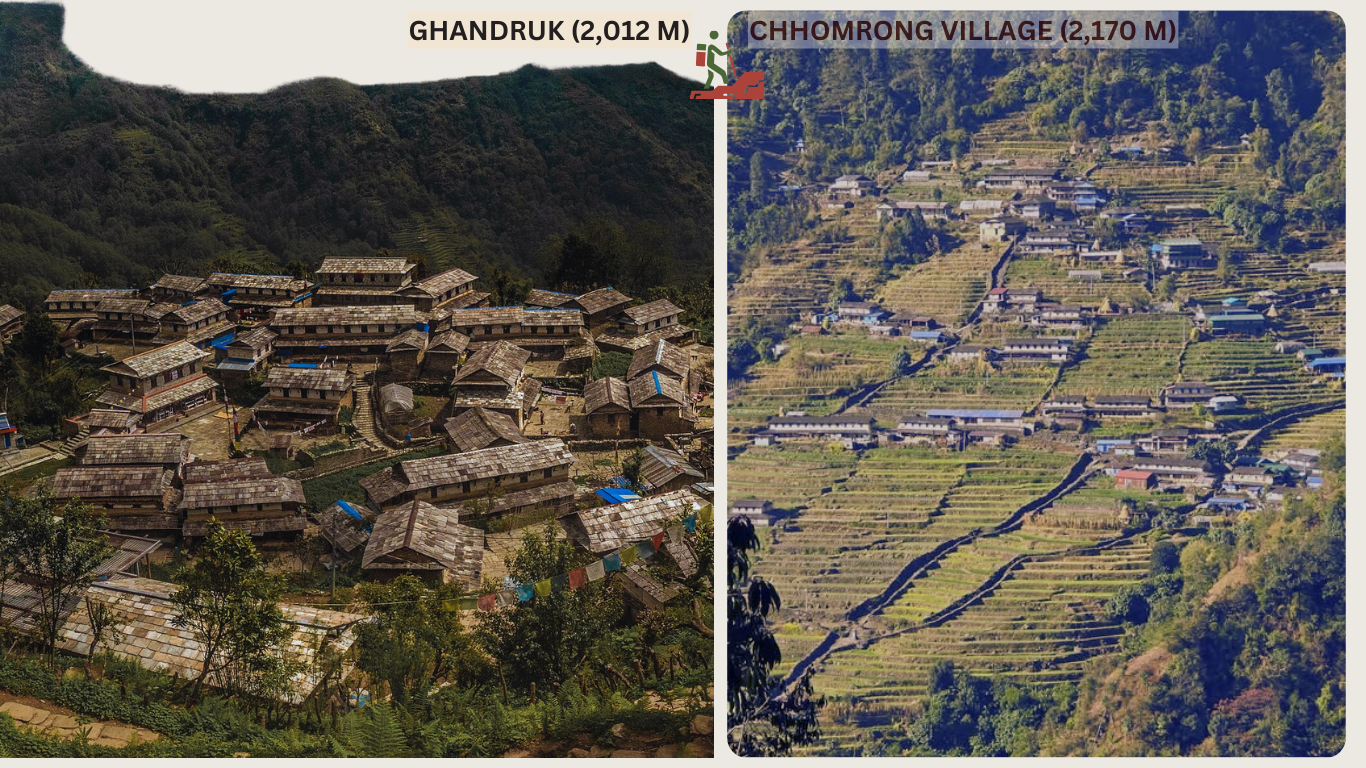
These regions offer a glimpse into the local culture and history of Nepal:
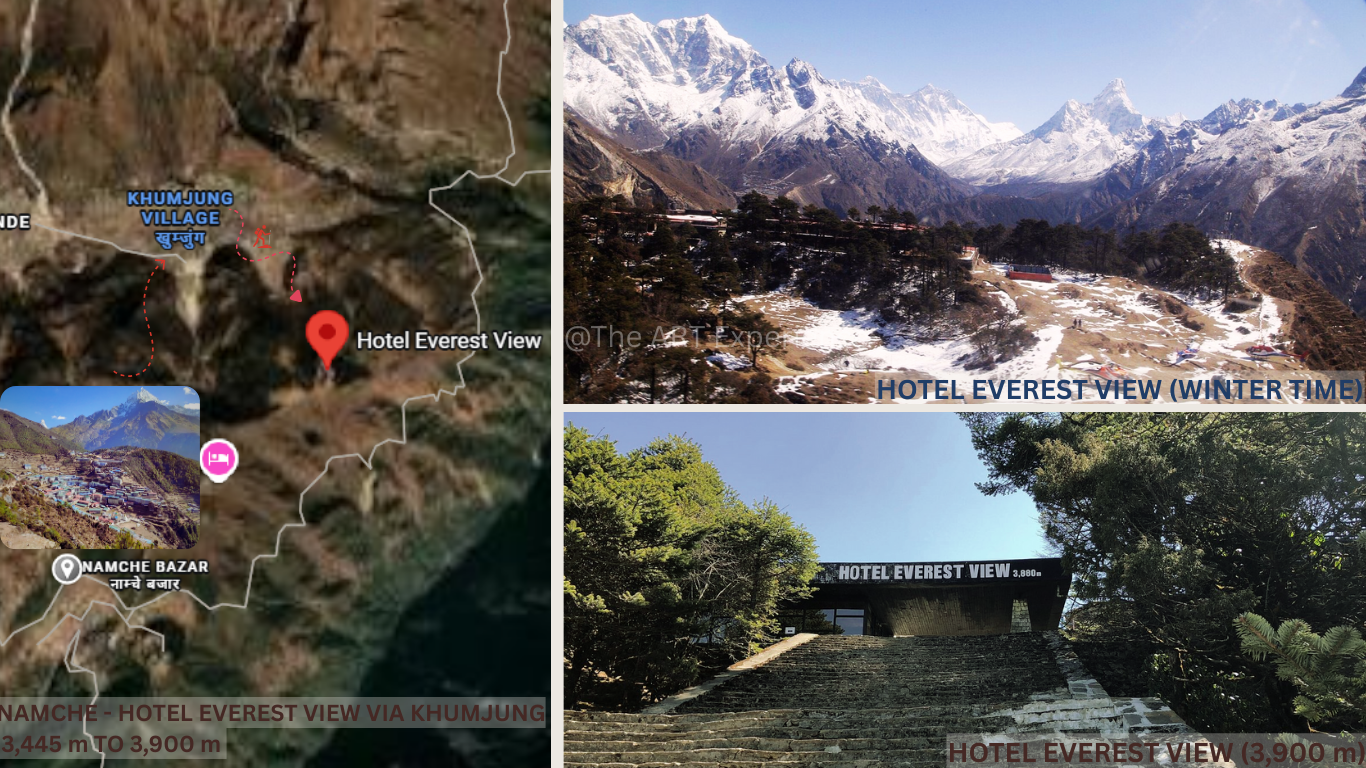
Nepal's history is rich and complex, shaped by various dynasties and cultures. The unification of Nepal by King Prithivi Narayan Shah in the 18th century marked a significant turning point in its history. Today, the country is a mosaic of ethnic communities, each contributing to its vibrant culture. Festivals, music, and art reflect the diverse traditions that coexist harmoniously. Visitors can witness this cultural tapestry through local events and interactions with the friendly Nepalese people, who are eager to share their heritage.
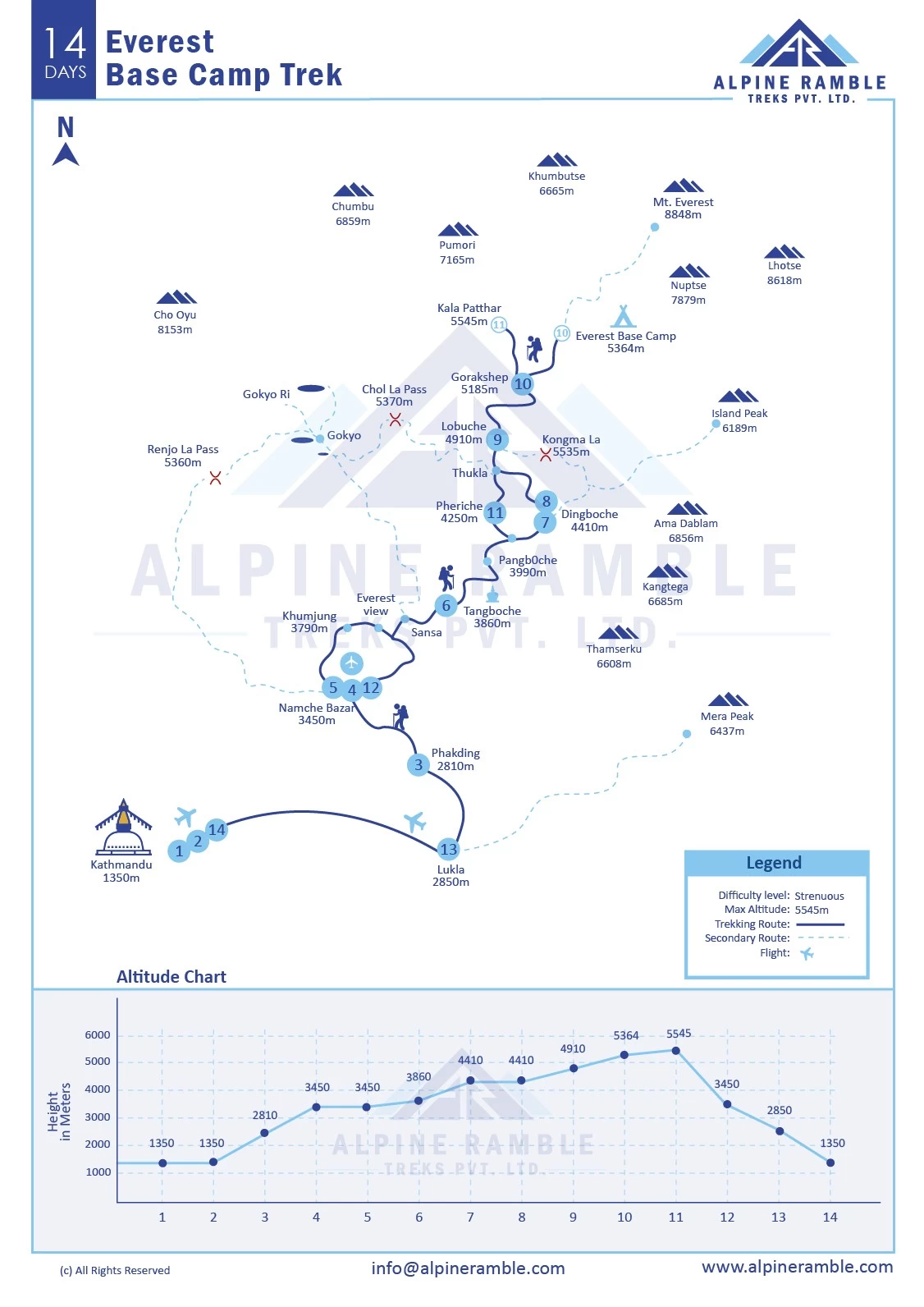
Here are some essential tips to enhance your travel experience in Nepal:
Our content is based on reliable, verified sources including government data, academic research, and expert insights. We also reference reputable publishers and primary sources where appropriate. Learn more about our standards in our editorial policy.
Quick answers based on this article.
The best time to visit Nepal is during the spring (March to May) and autumn (September to November) when the weather is pleasant and ideal for trekking.
Yes, most travelers require a visa, which can be obtained upon arrival or applied for in advance through the Nepalese embassy.
Yes, Nepal is generally safe for tourists, but it's advisable to stay updated on local conditions and follow common safety practices.
The currency used in Nepal is the Nepalese Rupee (NPR), and it's recommended to exchange some money before your trip.
Nepali is the official language, but English is widely spoken in tourist areas, making communication easier for visitors.
Nepali cuisine includes dal bhat, momo, and various curries, showcasing a blend of flavors influenced by neighboring countries.
You can use local taxis, buses, or hire a private vehicle for convenience, especially when traveling to remote areas.
Popular trekking routes include the Annapurna Circuit and the Everest Base Camp trek, both offering stunning views and unique experiences.
Yes, dress modestly in religious sites, remove shoes before entering homes, and ask for permission before taking photos of people.
Pack lightweight clothing, trekking gear, a good pair of walking shoes, and a reusable water bottle to stay hydrated.
Yes, internet access is available in major cities, but may be limited in remote areas, so plan accordingly.
Credit cards are accepted in many hotels and restaurants, but it's wise to carry cash for smaller vendors and markets.
Nepal operates on Nepal Time (NPT), which is UTC+5:45, so adjust your schedules accordingly.
Stay hydrated, be cautious with street food, and consider vaccinations for common diseases before your trip.
Major festivals include Dashain, Tihar, and Holi, reflecting the country's rich cultural diversity and traditions.
Respect local customs by dressing modestly, removing shoes before entering homes, and asking before taking photos.
Nepal is home to diverse wildlife, including the Bengal tiger, one-horned rhinoceros, and various bird species, especially in national parks.
Hinduism and Buddhism are the two main religions, coexisting peacefully throughout the country and influencing its culture.
Yes, bargaining is common in local markets, so feel free to negotiate prices to get the best deals.
The Himalayas are not only a natural wonder but also hold spiritual significance for many Nepalese, often regarded as sacred.
Prefer WhatsApp or a quick call? We reply fast.
ART Experience Reviews
Add media, drop your rating, and write a few words. Submissions go to the Review Manager for approval.
More reading selected from the same theme.
%22%2F%3E%3Cpath%20d%3D%22M0%20620c140-120%20260-180%20360-180s220%2060%20360%20180%20260%20180%20480%20180V800H0z%22%20fill%3D%22%23bfdbfe%22%2F%3E%3Ccircle%20cx%3D%22980%22%20cy%3D%22170%22%20r%3D%2272%22%20fill%3D%22%2393c5fd%22%2F%3E%3C%2Fsvg%3E)