


Loading Alpine AI
The History of Expeditions on Island Peak

The History of Expeditions on Island Peak

Dil GurungCEOMountaineering HistoryPublished: Jan 23, 2026Updated: Jan 23, 2026Fact-checked by Trabra.ai
PostLinkedInFacebookWhatsApp
Before It Was a ‘Peak’

Before it acquired the title of Island Peak, this majestic mountain was known by the local name, Imja Tse. For centuries, it stood as a silent sentinel in the landscape, revered by the Sherpa communities that inhabited the region. The mountain was not merely a physical challenge but a part of their lived geography, woven into their stories, culture, and daily lives. Imja Tse was seen as a provider of natural resources and a marker of the seasons, reflecting a profound connection between the people and the land.

Naming and Early Recognition

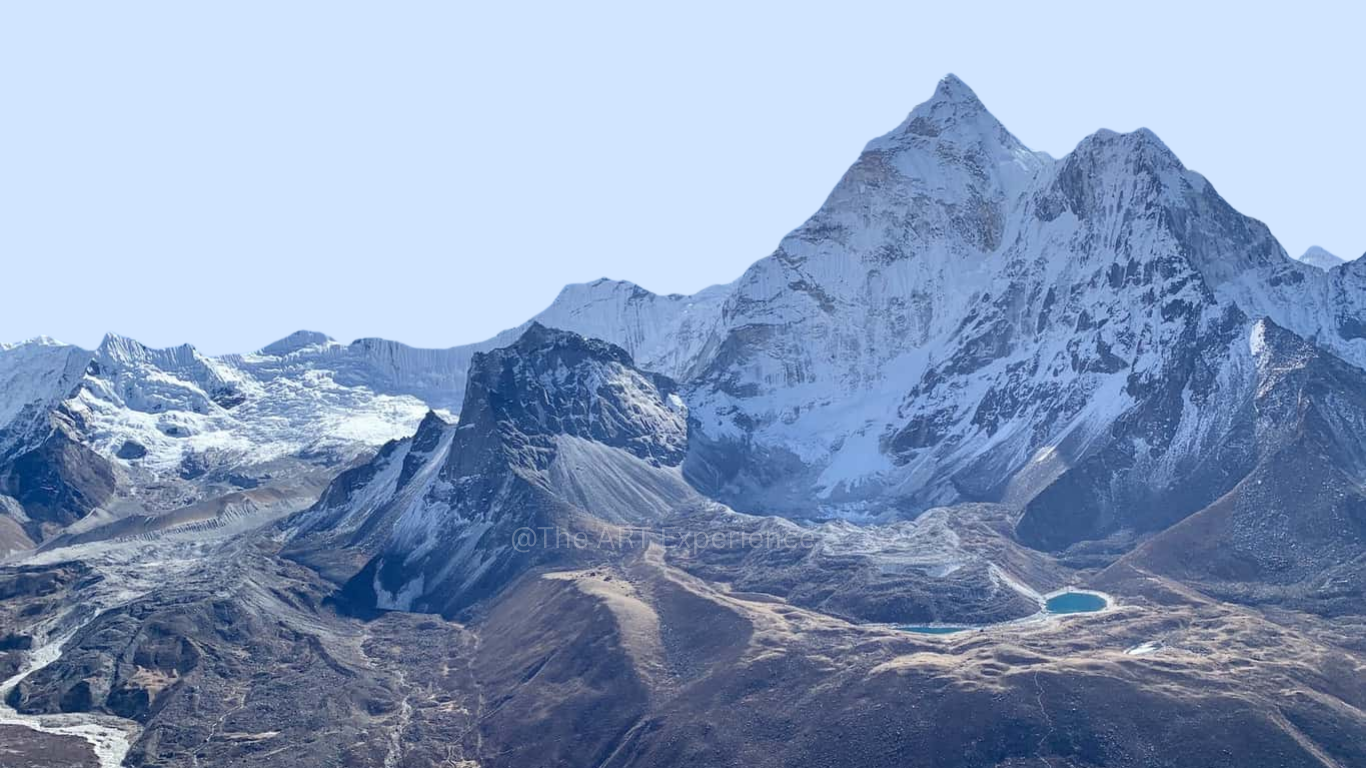
The designation of Island Peak came in the 1950s, attributed to a team of climbers who viewed the mountain from a distance, resembling an island surrounded by a sea of ice. This name shift from Imja Tse to Island Peak symbolizes a broader narrative of external exploration overshadowing local recognition. As climbers from around the world sought to conquer its summit, the mountain’s identity began to change, reflecting a growing divide between the indigenous understanding of the landscape and the perceptions of outsiders.

First Expeditions and Early Ascents

The first recorded expeditions to Island Peak took place in the early 1950s, with climbers facing numerous challenges due to the limitations of their equipment and the nascent understanding of high-altitude climbing. The successful ascent in 1953 by a British team was not merely a triumph; it was a lesson in uncertainty and adaptation. These early climbers learned as much from their failures as from their successes, embodying the essence of mountaineering as a discipline built on trial, error, and mentorship.

Island Peak as a Training Ground

Over the years, Island Peak evolved into a crucial training ground for climbers preparing for more formidable Himalayan challenges. Its relatively accessible altitude and varied terrain provided a unique classroom for those honing their skills in altitude acclimatization, ice climbing, and self-discipline. The mountain's true difficulty often lay not in the technical aspects of climbing but in the judgment and preparation required to navigate its hazards safely.

Role of Sherpas and Local Expertise

No history of expeditions on Island Peak would be complete without acknowledging the integral role of Sherpa climbers and local guides. Their expertise, endurance, and leadership have been essential to the success of countless expeditions. Rather than mere support figures, Sherpas have emerged as co-authors of the expedition narrative, sharing their knowledge of the terrain and weather patterns, and ensuring climbers navigate the mountain safely and respectfully.

Evolution of Equipment and Technique

The evolution of climbing techniques and equipment on Island Peak reflects broader trends in mountaineering. From the rudimentary gear of the early expeditions to the advanced technology available today, each advancement tells a story of learning and adaptation. Safety practices have also improved significantly, emphasizing the importance of preparation and respect for the mountain rather than the notion of conquest.

Modern Expeditions and Changing Ethics

In contemporary times, expeditions on Island Peak are characterized by increased accessibility and higher numbers of climbers. While improved logistics have made the mountain more approachable, this has also led to challenges such as crowding and varying perceptions of risk. The ethical considerations surrounding climbing have evolved, prompting a greater emphasis on responsibility and respect for the environment and local communities.

Island Peak’s Place in Himalayan History

Today, Island Peak stands not merely as a stepping stone for climbers but as a mountain that has profoundly influenced generations of adventurers. It represents a space for humility and learning, teaching climbers the values of discipline, respect, and the intricacies of high-altitude environments. The mountain invites reflection on what it means to approach nature with reverence rather than the intent to conquer.

Our content is based on reliable, verified sources including government data, academic research, and expert insights. We also reference reputable publishers and primary sources where appropriate. Learn more about our standards in our editorial policy.

  1. Himalayan Journal. “Climbing History of Island Peak”
  2. The American Alpine Journal. “Island Peak: A Historical Perspective”
  3. Climbing Magazine. “The Role of Sherpas in Expeditions”

Frequently asked questions

Quick answers based on this article.

What was Island Peak originally called?

Island Peak was originally known as Imja Tse before it was renamed by climbers.

When was the first successful ascent of Island Peak?

The first successful ascent of Island Peak occurred in 1953 by a British expedition.

Why is Island Peak considered a training ground?

Island Peak is seen as a training ground due to its accessibility and the skills climbers can develop in altitude acclimatization and self-discipline.

What role do Sherpas play in Island Peak expeditions?

Sherpas provide essential local knowledge, leadership, and endurance, playing a crucial role in the success of expeditions.

How has climbing equipment changed over the years?

Climbing equipment has evolved significantly, with advancements enhancing safety and performance in challenging conditions.

What are some modern challenges faced by climbers on Island Peak?

Modern challenges include increased crowding, varying risk perceptions, and the need for ethical climbing practices.

How does Island Peak reflect broader trends in mountaineering?

Island Peak reflects broader trends in mountaineering through its changing techniques, equipment, and the evolving approach to climbing ethics.

What lessons can climbers learn from Island Peak?

Climbers can learn the values of humility, discipline, and respect for both the mountain and local communities.

Is Island Peak suitable for beginner climbers?

Yes, Island Peak is often recommended for climbers with some experience as a preparation for higher peaks.

What environmental considerations are important for climbers?

Climbers should practice Leave No Trace principles and respect local ecosystems and communities.

Didn’t find your answer? Contact us

Prefer WhatsApp or a quick call? We reply fast.

ART Experience Reviews

Share your ART experience

Add media, drop your rating, and write a few words. Submissions go to the Review Manager for approval.

Related articles

More reading selected from the same theme.