Loading Alpine AI
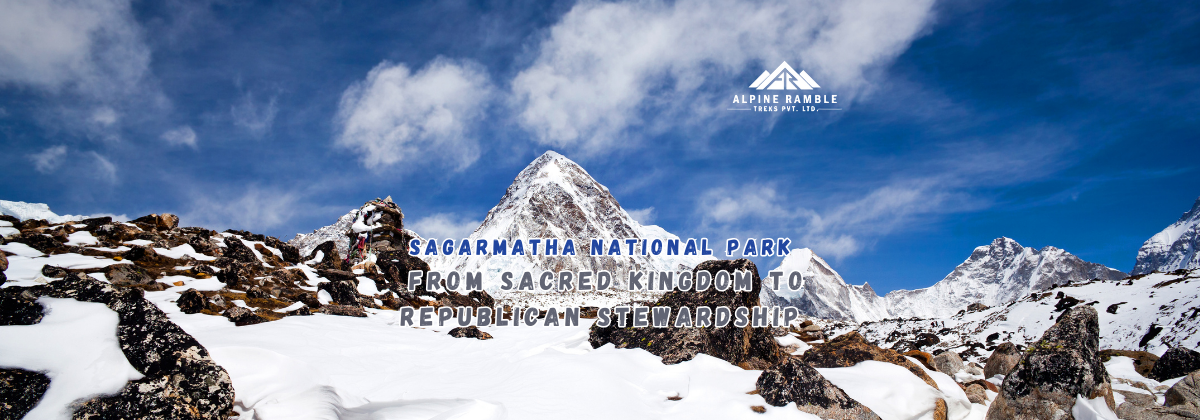
Sagarmatha National Park: From Sacred Kingdom to Republican Stewardship

Sagarmatha National Park: From Sacred Kingdom to Republican Stewardship

Dil GurungCEOTravelPublished: Jan 20, 2026Updated: Jan 23, 2026Fact-checked by Trabra.ai
PostLinkedInFacebookWhatsApp

Subtitle

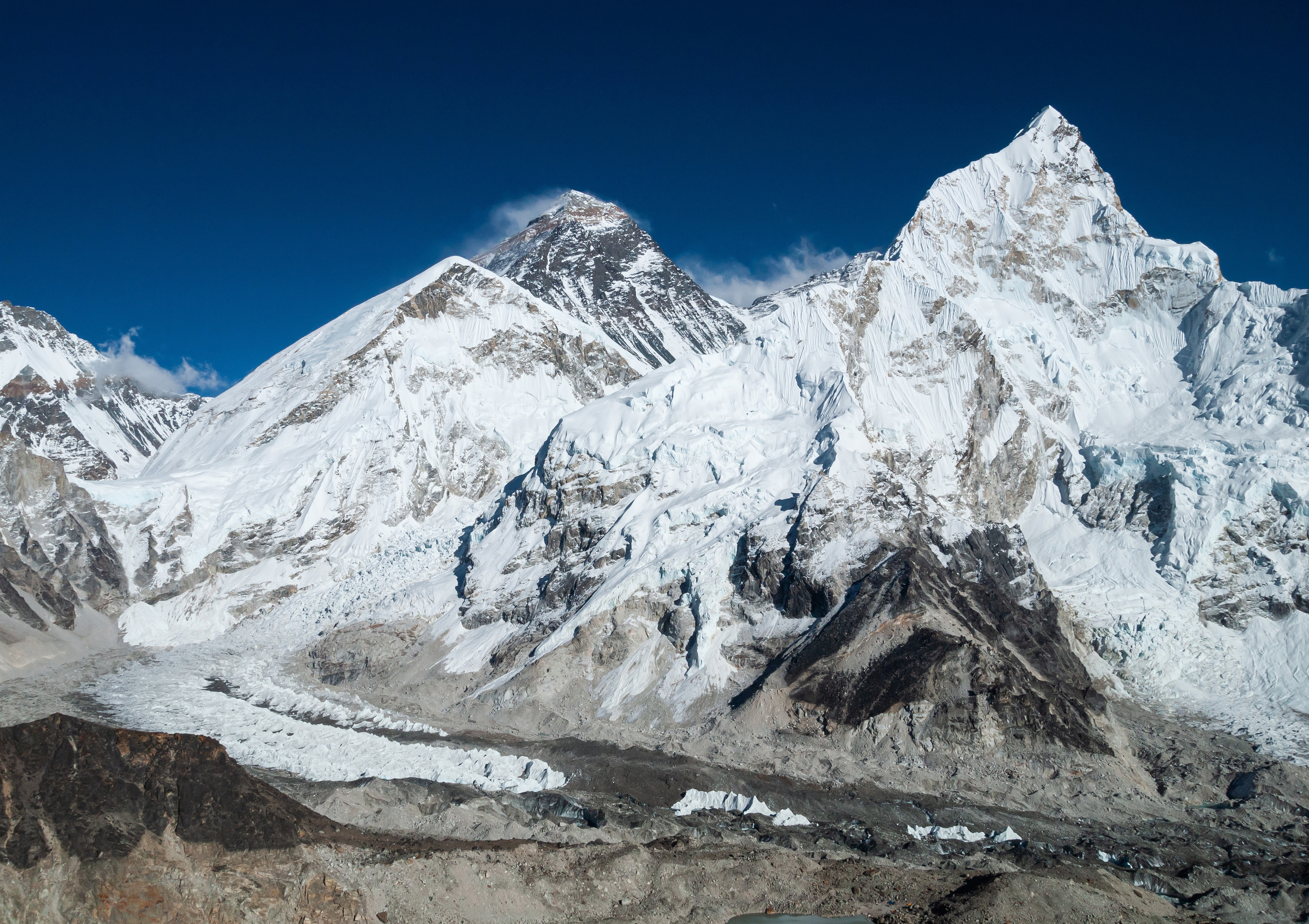
Centuries before the establishment of formal borders or the designation of protected lands, the Khumbu region of Nepal was a sacred landscape woven with deep spiritual significance. Here, towering peaks like Sagarmatha, known globally as Mount Everest, were revered as deities, embodying the essence of nature and spirituality. The valleys were seen not merely as land but as ancestral inheritances, where each trail held the memories of generations.

In this ancient context, Sagarmatha was safeguarded by belief long before it was ever protected by law. The mountains were not just geographical features; they were the gods of the local Sherpa people, who viewed them with a sense of reverence and respect that transcended mere survival.

  • Mountains as gods: The local belief system placed mountains at the center of spiritual life.
  • Valleys as inheritance: The land was seen as a legacy to be respected and preserved.
  • Trails as memory: Paths through the landscape were imbued with the stories of ancestors.
📌Traditional Land Use Practices
PracticeDescription
Hunting taboosRestrictions on hunting to protect sacred animals.
Forest restrictionsLimitations on forest use to maintain spiritual and ecological balance.

The Khumbu's spiritual landscape

Centuries before Sagarmatha National Park became a recognized territory, the Khumbu region was a living tapestry of belief and ritual. The towering peaks, including the revered Sagarmatha (Mount Everest), were not merely geological formations; they were deities to the local Sherpa communities. These mountains, with their majestic presence, shaped the cultural and spiritual identity of the people who inhabited the valleys below.

In this sacred landscape, valleys served as ancestral inheritance, where trails became woven memories of generations. The mountains were protected by the profound belief systems that governed the lives of the Sherpas. The essence of conservation was embedded in their spirituality long before it was codified into law.

  • **Monasteries as authority**: Monasteries played a pivotal role in guiding the spiritual and communal practices of the Sherpa people.
  • **Lamas as custodians**: Spiritual leaders, or Lamas, acted as guardians of the sacred lands, ensuring that traditional practices were honored.
  • **Mountains as inviolable**: The belief in the sanctity of the mountains led to hunting taboos and forest restrictions that effectively conserved the local ecosystem.
📌Traditional Practices in Khumbu
PracticeDescriptionImpact on Conservation
Hunting TaboosRestrictions on hunting certain animals, believed sacred.Allowed wildlife populations to thrive.
Seasonal MovementCommunities moved seasonally to respect the land's cycles.Promoted sustainable land use practices.
Forest RestrictionsLimits on deforestation to protect spiritual sites.Preserved biodiversity and forest ecosystems.

Monasteries as custodians

Long before the establishment of formal governance, the Khumbu region was a living tapestry of sacred beliefs and rituals. The towering peaks, including the majestic Sagarmatha, were revered as deities, and the valleys were seen as sacred inheritances to be protected by the local communities. In this pre-state era, the mountains were not just physical entities; they were central to the spiritual life of the Sherpa people.

Monasteries served as the epicenters of spiritual governance. Here, lamas acted as custodians of both faith and nature, ensuring that local customs preserved the delicate balance of this sacred landscape. Hunting taboos, restrictions on forest usage, and seasonal movements were not merely cultural practices but essential conservation methods woven into the fabric of daily life. These practices functioned as early forms of environmental stewardship, safeguarding the region long before the advent of legal frameworks.

  • Hunting taboos: Local beliefs prohibited hunting certain animals, allowing ecosystems to thrive.
  • Forest restrictions: Sacred groves were protected, ensuring biodiversity and spiritual significance.
  • Seasonal movement: Controlled migrations preserved resources and minimized human impact.

Subtitle

The unification of Nepal in the mid-18th century marked a significant transformation for the Khumbu region, bringing it into the broader consciousness of a centralized state. With King Prithvi Narayan Shah's campaigns, the notion of territory began to eclipse the sacredness that once defined the mountains and valleys. This shift was not merely administrative; it was a profound alteration in the relationship between the land and its people.

As the modern state emerged, Sagarmatha transitioned from a revered sacred land to a defined territory, introducing a tension between traditional practices and bureaucratic governance. The spiritual governance that had long protected these lands faced challenges from the state's new administrative frameworks. Local customs and beliefs, once the law of the land, began to be overshadowed by formal regulations.

  • Centralization: The establishment of a centralized government altered local dynamics, emphasizing state authority over traditional practices.
  • Territorial Definition: Sagarmatha became recognized as a defined territory, leading to the introduction of formal land ownership and governance structures.
  • Tension Between Eras: The clash between spiritual beliefs and bureaucratic regulations created challenges for local communities, as their customs were now in conflict with state policies.

Monarchy's role in conservation

The establishment of Sagarmatha National Park in 1976 marked a significant transition in the stewardship of this sacred landscape. The royal motivations behind this move were multifaceted, intertwining national pride with the allure of international attention. King Birendra, recognizing the potential for Nepal to be viewed through a global lens, sought to elevate Sagarmatha's status. His vision was not merely about conservation but also about positioning Nepal as a key player in the burgeoning mountaineering diplomacy of the era.

However, this royal guardianship came at a cost. The declaration of the national park meant that while protection was gained, local autonomy began to diminish. The Sherpa communities, who had long been the custodians of these lands, found their traditional rights increasingly curtailed by the new bureaucratic framework imposed by the monarchy.

  • Global visibility: The park became a focal point for international expeditions, drawing climbers and scientists alike.
  • Mountaineering diplomacy: King Birendra leveraged the park's allure to foster relationships with foreign nations.
  • Conservation prestige: Establishing the park enhanced Nepal's image as a nation committed to protecting its natural heritage.

International Attention

The allure of Sagarmatha, home to the world's highest peak, has drawn the gaze of adventurers and scientists alike since the early 20th century. Expeditions to the region began to reshape perceptions not only of the mountain but of the culture and environment surrounding it. The 1953 ascent of Mount Everest by Sir Edmund Hillary and Tenzing Norgay propelled Sagarmatha into the global spotlight, establishing it as a benchmark of human achievement and a symbol of natural majesty.

As international attention grew, so did the motivations for conservation. The influx of climbers and trekkers brought both opportunity and challenges to local Sherpa communities. The balance between preserving the sacred landscape and accommodating the demands of tourism became a pressing issue. The global recognition of Sagarmatha transformed it into a hub for conservation efforts, engaging both local and international stakeholders.

  • Expeditions: Pioneering climbs brought international fame and economic opportunities.
  • Scientists: Research initiatives focused on climate change and biodiversity have underscored the park's ecological significance.
  • Conservation Bodies: Global organizations have partnered with local communities to promote sustainable practices.

Local Adaptation

The Sherpa communities within Sagarmatha National Park have undergone a profound transformation. Once primarily reliant on subsistence farming and traditional practices, these communities have evolved into stewards of their environment. This shift has been catalyzed by the growing recognition of their unique role in conservation and tourism.

As the gateway to the world's highest peak, Mount Everest, the park has become a nexus of economic activity. Trails that once served as paths for seasonal migration now form the backbone of a thriving trekking economy, connecting local villages to the global community.

  • Adaptation to tourism: Sherpa families have diversified their income through homestays, guiding services, and cultural experiences.
  • Conservation efforts: Local organizations work to preserve the fragile ecosystem while promoting sustainable practices among trekkers.
  • Community empowerment: Increased involvement in decision-making processes has given locals a voice in the stewardship of their heritage.

Local Adaptation

The transition to a republic has profoundly influenced the dynamics within Sagarmatha National Park. As Nepal shifted from a monarchy to a democratic system in 2008, the stewardship of this sacred land began to reflect the voices of its people. Sherpa communities, once solely focused on subsistence, have evolved into active stewards of their environment. The trails that connect their villages are no longer just pathways for trade; they have transformed into vital routes of eco-tourism, offering visitors breathtaking views and cultural experiences.

With tourism scaling dramatically—over 60,000 trekkers visit the park annually—local communities now face the dual challenge of protecting their heritage while accommodating the influx of visitors. This balance is not merely a matter of economics; it is about preserving the spiritual essence of Sagarmatha while ensuring livelihoods remain sustainable.

  • Tourism Integration: Sherpa communities have adapted their traditional practices to include tourism, creating homestays and guided treks that showcase their culture.
  • Environmental Challenges: Increased foot traffic has led to concerns about waste management and the preservation of fragile ecosystems.
  • Community Engagement: Local conservation initiatives empower residents, ensuring they play a crucial role in decision-making processes regarding park management.

Shifting ownership dynamics

The transition from monarchy to republic in Nepal marked a pivotal moment in the stewardship of Sagarmatha National Park. With the abolition of the monarchy in 2008, the park, which had been a symbol of royal guardianship, shifted into the hands of the people. This change redefined the relationship between the land and its inhabitants, transforming Sagarmatha from a royal asset into a shared national treasure.

In this new era, the concept of ownership evolved. No longer was the land merely the domain of the crown; it became a collective responsibility of all Nepalese citizens. The park represents not just a natural wonder but a cultural and spiritual touchstone for the nation, embodying the aspirations and challenges of a diverse populace.

  • Collective Obligation: Sagarmatha is now viewed as a shared national asset.
  • Democratic Stewardship: Responsibility for conservation is diffused among citizens and the state.
  • New Perspectives: The park is increasingly seen as a symbol of national identity and pride.

Balancing conservation and livelihoods

The majestic peaks of Sagarmatha National Park are not only a symbol of natural beauty but also a reflection of the complex interplay between conservation and local livelihoods. In recent years, the park has faced significant pressures from escalating tourism and the impacts of climate change. The surge in trekkers, climbers, and adventurers seeking to experience the allure of the world's highest mountain, Everest, has transformed the local economy, yet it has also strained the delicate ecosystems that have thrived for centuries.

As the number of visitors soared to over 60,000 in 2019 alone, the challenge of maintaining the balance between economic benefit and environmental preservation became increasingly urgent. The local Sherpa communities, once solely reliant on subsistence farming and traditional practices, now navigate the complexities of a tourism-driven economy. This shift has prompted a re-evaluation of stewardship responsibilities, as the guardianship of the land transitions from a royal decree to a collective obligation.

  • Tourism Scale: The rapid influx of tourists has led to overcrowding on popular trails.
  • Climate Stress: Glacial retreat and changing weather patterns threaten local ecosystems.
  • Infrastructure Strain: Increased demand for facilities has challenged local resources and planning.

Sagarmatha as a national conscience

The evolution of Sagarmatha National Park reflects the complex interplay of culture, belief, and governance in Nepal. Long before the establishment of formal borders and regulations, the Khumbu region was a sacred landscape where mountains were revered as deities, and valleys held ancestral significance. This deep-rooted spirituality served as a protective mechanism, preserving the environment through traditions and rituals.

As Nepal transitioned from a monarchy to a republic, the stewardship of Sagarmatha transformed from royal guardianship to a collective responsibility. The local Sherpa communities, who have long respected the mountains as sacred, now find themselves navigating the challenges of modern tourism and environmental pressures. This shift illustrates a broader narrative of cultural resilience, where ancient beliefs inform contemporary stewardship practices.

Subtitle

The essence of Sagarmatha transcends time and governance. It stands as a testament to the enduring spirit of the Khumbu region and its people. While systems of power may rise and fall, the mountain remains a constant, guiding the hearts and minds of those who revere it.

Today, Sagarmatha National Park is not merely a protected area; it embodies the collective memory of Nepal's journey through belief, monarchy, and republic. As a national asset, it reflects the shared responsibility of its citizens to safeguard this sacred landscape. The legacy of the mountain is intertwined with the cultural identity of the Sherpa communities, whose traditions and stewardship practices echo the spiritual governance of the past.

Worthy stewards of nature

The journey of Sagarmatha National Park reflects a profound narrative of power, belief, and responsibility. This sacred landscape, once governed by spiritual practices, has evolved through the ages—navigating the complexities of monarchy and republican stewardship. Today, it stands not merely as a park, but as a testament to Nepal's evolving relationship with its natural heritage.

The mountains of Sagarmatha, revered as deities, continue to inspire awe and respect. As guardians of this majestic realm, we must recognize our role in its stewardship. The question is no longer who rules Sagarmatha—but whether we are worthy of it.

Our content is based on reliable, verified sources including government data, academic research, and expert insights. We also reference reputable publishers and primary sources where appropriate. Learn more about our standards in our editorial policy.

No sources listed for this article yet.

ART Experience Reviews

Share your ART experience

Add media, drop your rating, and write a few words. Submissions go to the Review Manager for approval.

Related articles

More reading selected from the same theme.