Travel
The Rich History of Saipal Lake
Explore the captivating history of Saipal Lake, a hidden gem in the Himalayas, known for its natural beauty and cultural significance.
Alpine Ramble
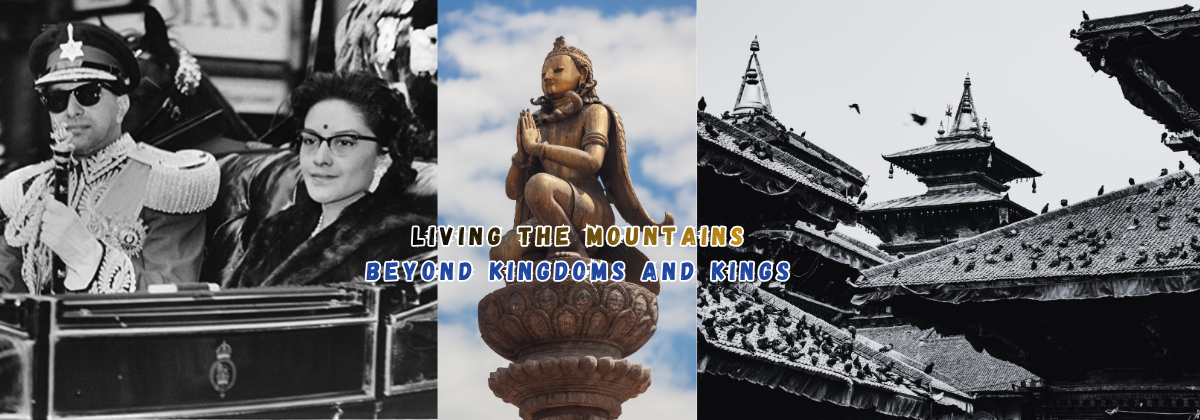
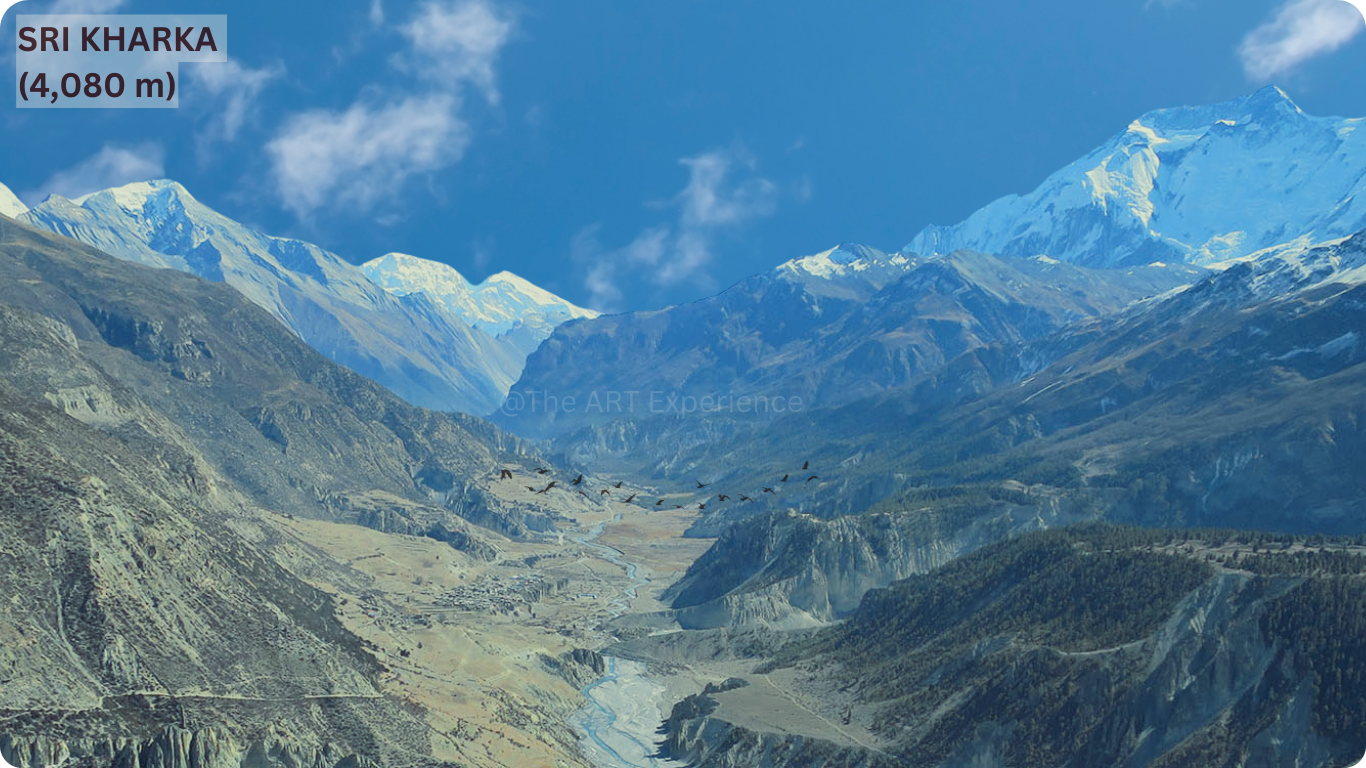
Growing up in the Kingdom of Nepal, I felt the mountains' presence. The echoes of a royal past lingered in the air, reminding us of a time when kings ruled and the land thrived under their watchful gaze. This was not just a backdrop; it was a living tapestry woven into the very fabric of our lives.
| Aspect | Description |
|---|---|
| Historical Context | The Kingdom of Nepal existed until 2008, rich in cultural heritage. |
| Royal Influence | The monarchy played a pivotal role in shaping the identity of Nepalese society. |
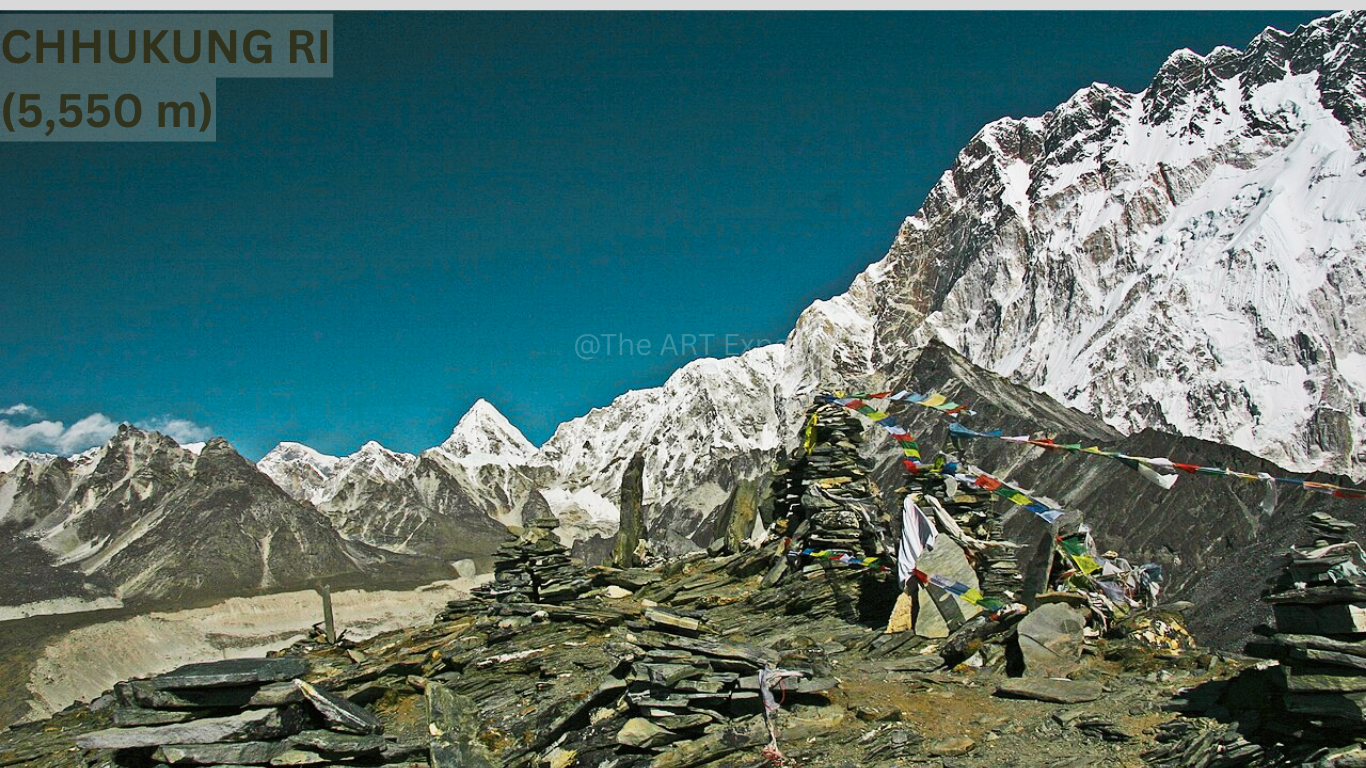
Growing up in the Kingdom of Nepal, the mountains were not merely a backdrop; they were my early companions, shaping my understanding of the world. In the quiet moments of childhood, I would gaze upon the towering peaks, feeling their presence as a constant guardian. The Himalayas, with their majestic forms, were woven into the very fabric of my being.
| Mountain | Height (meters) | Cultural Significance |
|---|---|---|
| Mount Everest | 8,848 | Symbol of achievement and home to Sherpas |
| Kanchenjunga | 8,586 | Regarded as sacred by local communities |
| Lhotse | 8,516 | Part of the Everest massif, a cultural touchstone |
As I reflect on my journey through the Himalayas, the figure of Sir Edmund Hillary looms large in the landscape of my thoughts. His ascent of Mount Everest in 1953 was not merely a physical achievement; it was a profound act of connection with the Sherpa communities that have thrived in the shadow of the world's highest peaks. To them, he was not just a climber but a symbol of humility and service, earning the honorific 'Surra Sahib'—Big of Heart. This title speaks volumes about his legacy in Nepal, a country steeped in the rich cultural memory of the Kingdom of Nepal.
| Year | Event | Significance | Location |
|---|---|---|---|
| 1919 | Birth | Born in Auckland, New Zealand | Auckland, New Zealand |
| 1953 | Everest Ascent | First confirmed ascent of Mount Everest | Mount Everest, Nepal |
| 1960 | Himalayan Trust | Founded to support Sherpa communities | Nepal |
| 2008 | Death | Passed away, leaving a lasting legacy | Auckland, New Zealand |
In the tapestry of Himalayan history, the year 1953 stands as a monumental achievement, marked by the ascent of Mount Everest. This event transcended mere conquest; it was a pivotal moment that redefined our understanding of the mountains and the people who inhabit them. Sir Edmund Hillary, a name that resonates deeply in the hearts of many, was not just a climber but a bridge between cultures, a figure of humility and service.
| Year | Significance |
|---|---|
| 1953 | First successful ascent of Mount Everest |
| 1953 | Conferred the Order of Gorkha Dakshina by the King of Nepal |
As I reflect on the legacy of Sir Edmund Hillary, I am reminded of the profound impact he had on the Sherpa communities in Nepal. His work extended far beyond the summit of Everest, where he became a symbol of humility and service. This legacy is woven into the very fabric of our Himalayan culture, reminding us that the mountains are not mere challenges to be conquered, but living entities that demand respect and stewardship.
| Type of Contribution | Description | Year Initiated |
|---|---|---|
| Education | Schools established for local children | 1960 |
| Healthcare | Hospitals and clinics built | 1960 |
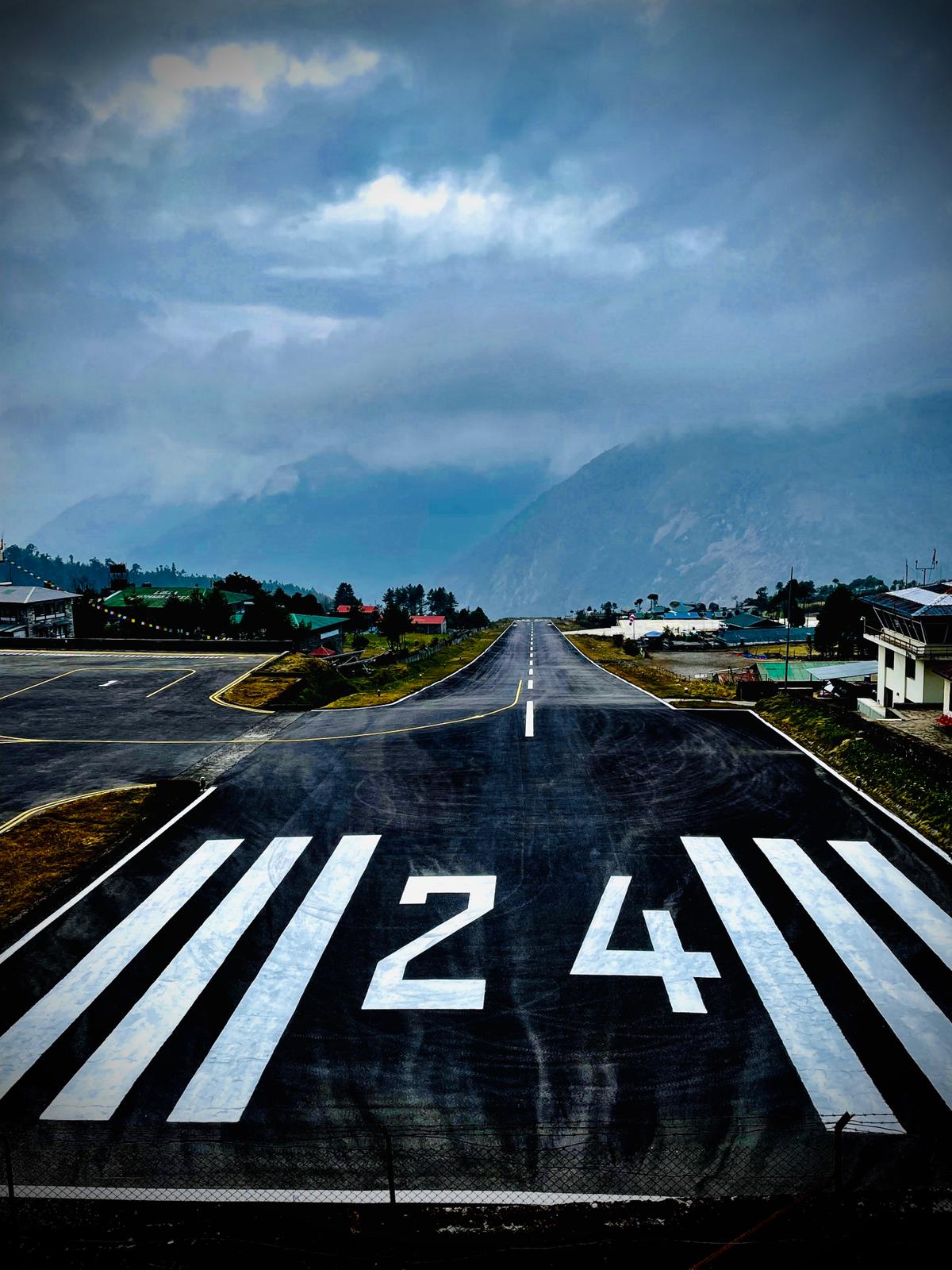
| Infrastructure | Airstrips constructed for better access | 1960 |
The Order of Gorkha Dakshina is one of the highest honors awarded by the Kingdom of Nepal, reflecting a deep respect for service and sacrifice. This recognition is significant in the context of Nepal’s history, especially as it was conferred upon Sir Edmund Hillary in 1953 by the King of Nepal for his remarkable contributions to the Sherpa communities and his pioneering ascent of Mount Everest. Growing up in the Kingdom of Nepal, I felt the mountains' presence, and the legacy of figures like Hillary has profoundly shaped my understanding of responsibility and stewardship.
| Year | Honor | Awarded To | Significance |
|---|---|---|---|
| 1953 | Order of Gorkha Dakshina | Sir Edmund Hillary | Recognized for humanitarian work and ascent of Everest |
| 2008 | Posthumous Honors | Sir Edmund Hillary | Continued recognition of his legacy and impact |
| 1960 | Founding of the Himalayan Trust | Sir Edmund Hillary | Established for the welfare of Sherpa communities |
| 1953 | Honorific Title 'Surra Sahib' | Sir Edmund Hillary | Affectionate title given by Sherpas for his contributions |
In the quiet halls of the Auckland Museum lies a treasure trove of memories and legacy. This is where the personal archive of Sir Edmund Hillary, KG, ONZ, KBE, is preserved—a testament to his profound connection with the Himalayas and the Sherpa community. His work in Nepal extended far beyond his famous ascent of Everest in 1953; it was a lifelong commitment to service, education, and respect for the mountain culture. The stories contained within these documents are a bridge between past and present, a reminder of the responsibility we carry as stewards of this sacred land.
| Document Type | Significance |
|---|---|
| Expedition Journals | Detailing Hillary's climbs and experiences in the Himalayas. |
| Correspondence | Letters exchanged with Sherpa leaders and local communities. |
Growing up in the Kingdom of Nepal, I felt the mountains' presence. They were not merely backdrops to my childhood but living entities that whispered stories of resilience and wisdom. The Kingdom of Nepal, with its rich tapestry of history, shaped my understanding of the world. Although the monarchy transitioned to a republic in 2008, the spirit of that era lingers in our hearts, influencing our values and relationships with the land.
| Aspect | Historical Significance | Contemporary Reflection |
|---|---|---|
| Monarchy | Established cultural norms and traditions | Influences modern Nepalese identity |
| Mountains | Source of spiritual and physical sustenance | Continues to inspire stewardship and respect |
| Explorers | Built bridges between cultures | Encourages ethical travel practices |
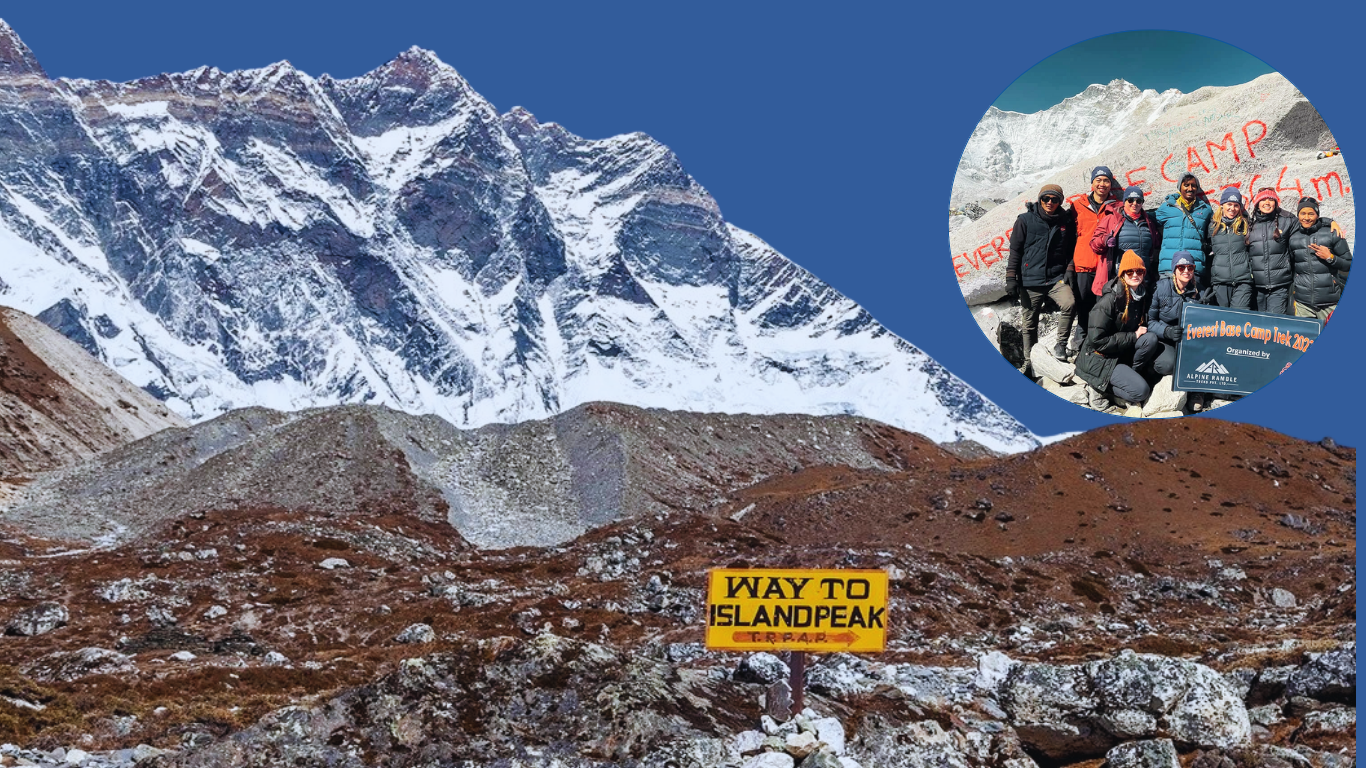
Growing up in the Kingdom of Nepal, I felt the mountains' presence. They were not mere backdrops to life; they were living entities, imparting lessons of patience, resilience, and humility. The peaks, with their towering heights and ancient wisdom, shaped my identity and values long before I understood their significance in the broader context of Nepal's rich mountain culture.
| Lesson | Mountain Example | Application in Life | Reflection |
|---|---|---|---|
| Patience | Mount Everest | Waiting for the right conditions | Life unfolds in its own time |
| Resilience | Kanchenjunga | Thriving in adversity | Strength is built through challenges |
| Humility | Lhotse | Recognizing one's place in the world | We are all interconnected |
| Wisdom | Makalu | Learning from nature | Nature as our greatest teacher |
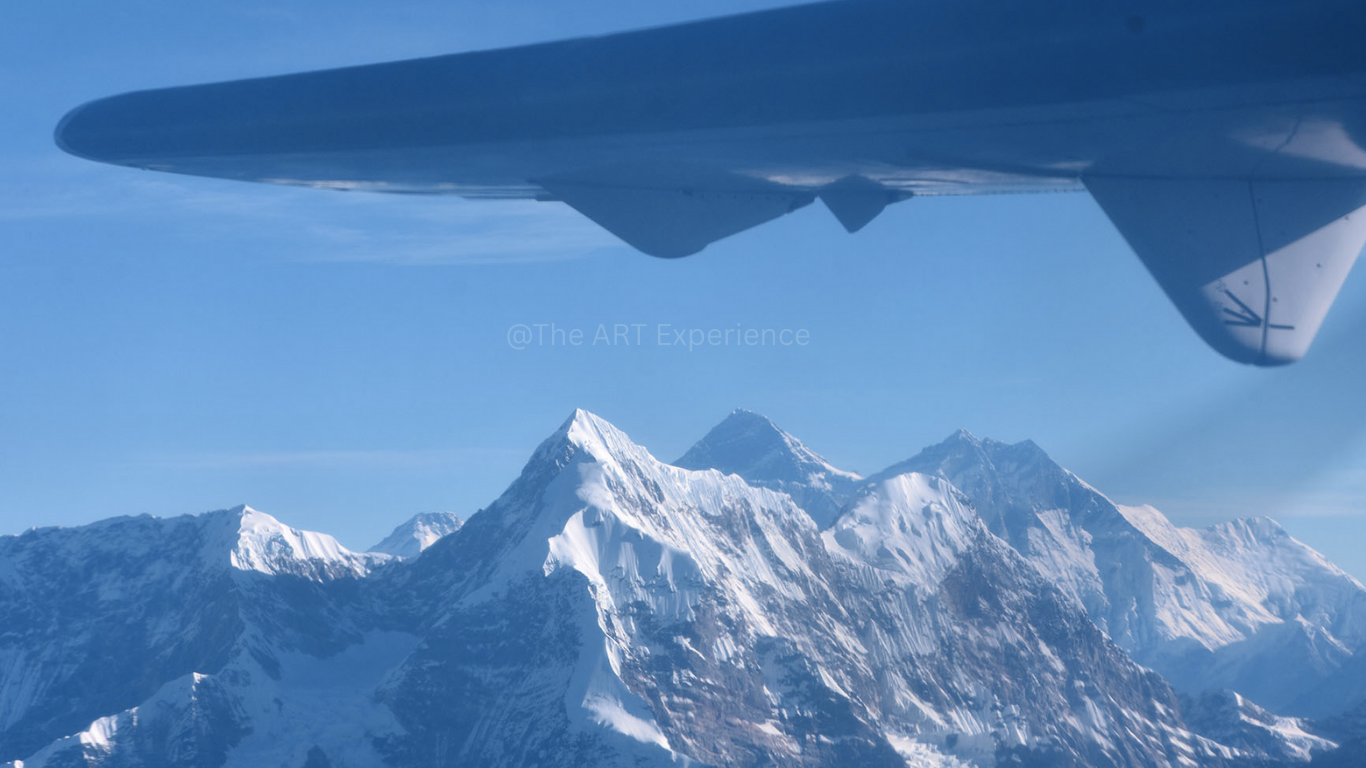
The Sherpa community stands as a pillar of strength and culture in the Himalayan narrative. Growing up in the Kingdom of Nepal, I was profoundly aware of their integral role in shaping the mountains and the lives intertwined with them. The Sherpas, resilient and resourceful, have not only navigated these rugged terrains but have also been the heartbeat of our mountain culture.
| Contribution | Significance |
|---|---|
| Guide Services | Essential for the safety and success of expeditions, showcasing local expertise. |
| Cultural Preservation | Maintaining traditions and practices that enrich the understanding of Himalayan life. |
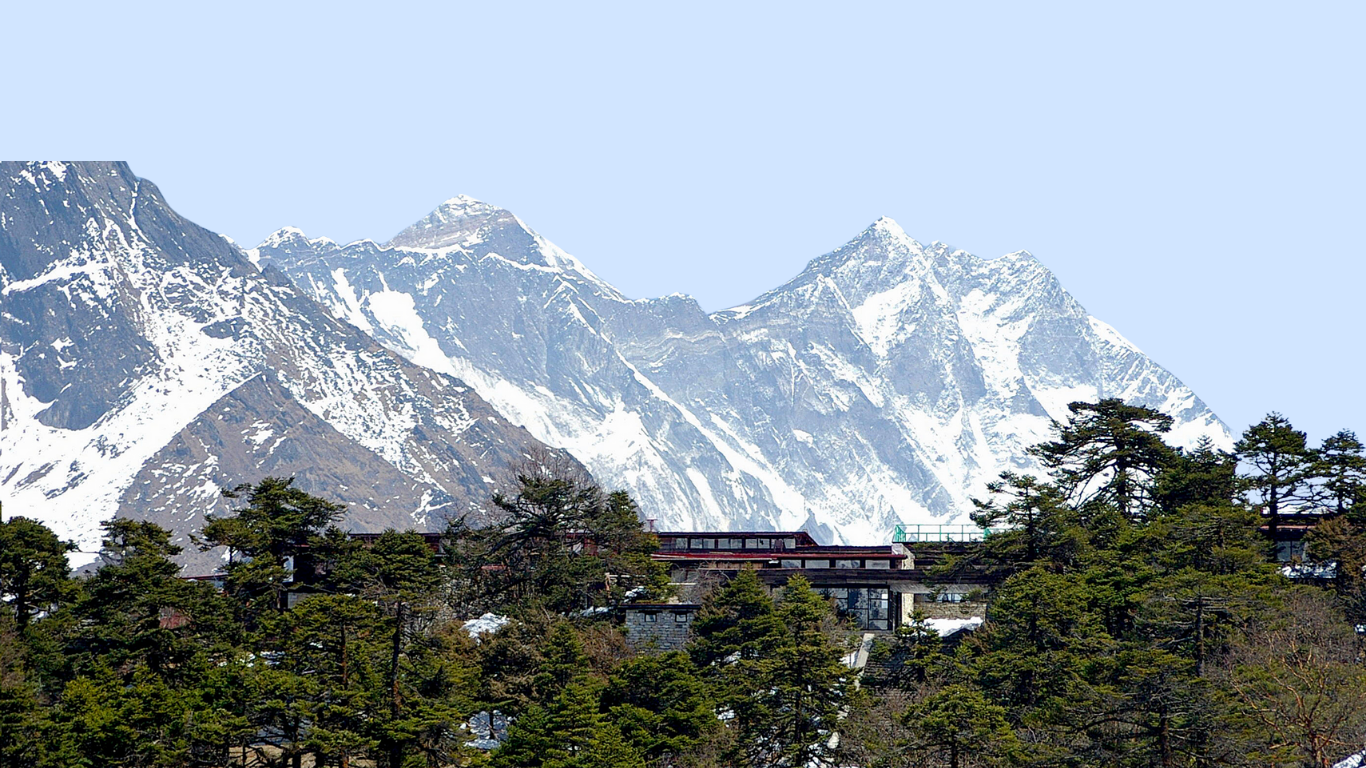
As I grew up in the Kingdom of Nepal, the mountains were more than mere backdrops; they were ever-present teachers. Their towering forms whispered stories of resilience and humility, shaping my understanding of life and my place within it. I recall the mornings when the first rays of sunlight would kiss the peaks, illuminating not just the landscape, but also my spirit. It was in these moments that I felt the weight of the mountains' legacy, a legacy I would come to understand deeply as I ventured further into the world of Himalayan travel.
| Aspect | Personal Reflection | Broader Implications |
|---|---|---|
| Mountains | Teachers of humility | Symbols of endurance |
| Legacy of Sir Edmund Hillary | Inspiration for service | Model for ethical stewardship |
| Himalayan culture | Coexistence with nature | Foundation for sustainable tourism |
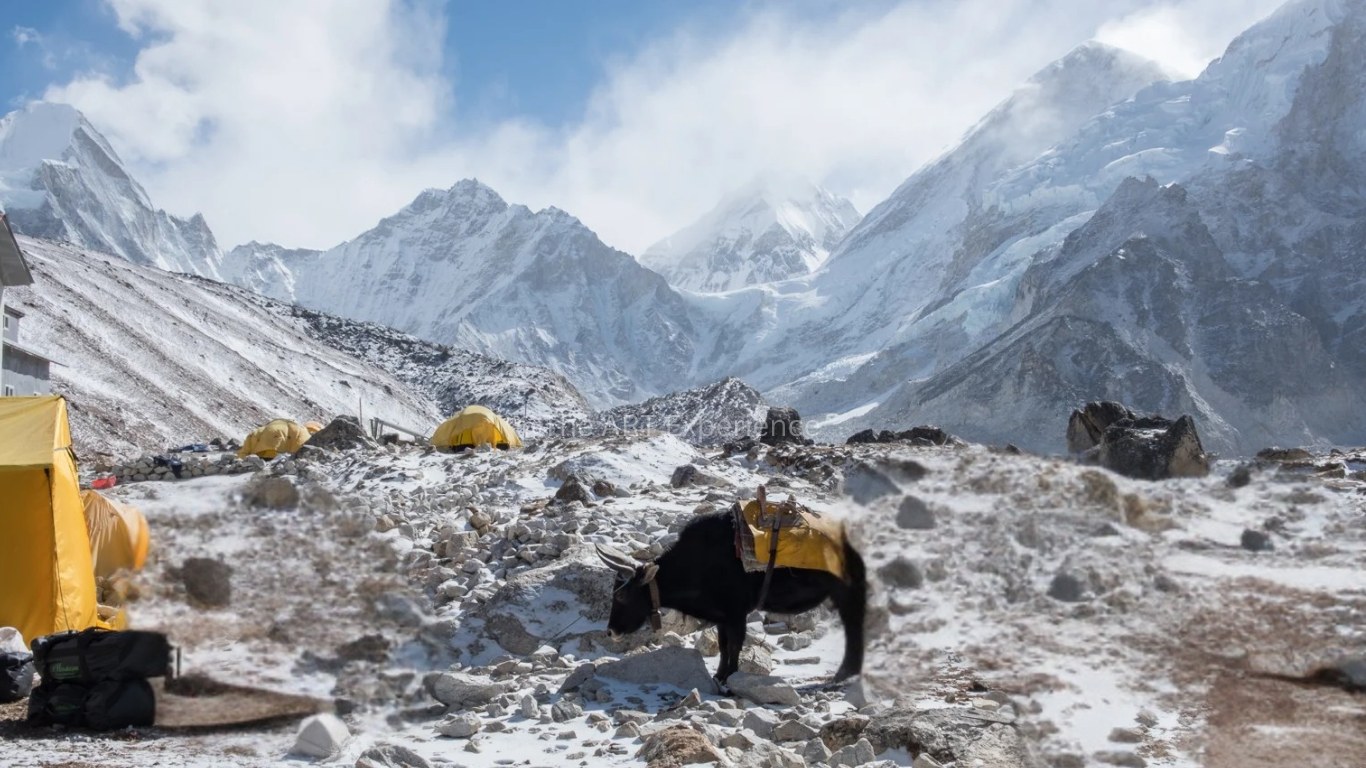
As I reflect on the journey that led me to establish Alpine Ramble Treks, I find myself tracing the lines of my past, woven into the very fabric of the Kingdom of Nepal. Growing up amidst the majestic Himalayas, I was surrounded by the whispers of mountains that spoke to me long before I understood their language. My childhood was steeped in the rich history of a kingdom that, until 2008, stood as a testament to a time when the monarchy shaped the cultural and social landscape of our lives.
The mountains were not mere destinations; they were living entities, teachers that imparted wisdom and resilience. My early years were filled with stories of the legendary Sir Edmund Hillary. His ascent of Mount Everest in 1953 marked a turning point in Himalayan history, not just for climbers but for the Sherpa communities who worked alongside him. Hillary, known as Surra Sahib, meaning 'Big of Heart,' was more than an explorer; he became a vital ally to the Sherpas, dedicating his life to their welfare and education.
| Year | Key Event | Impact | Legacy |
|---|---|---|---|
| 1953 | Hillary's Everest Ascent | Global recognition of the Himalayas | Inspiration for future climbers and travelers |
| 1960 | Himalayan Trust Founded | Long-term support for Sherpa education | Empowerment of local communities |
| 2008 | End of Monarchy | Transition to a republic | New era of opportunities for Nepal |
| Present | Alpine Ramble Treks Established | Ethical trekking initiatives | Continuing Hillary's legacy of compassion |
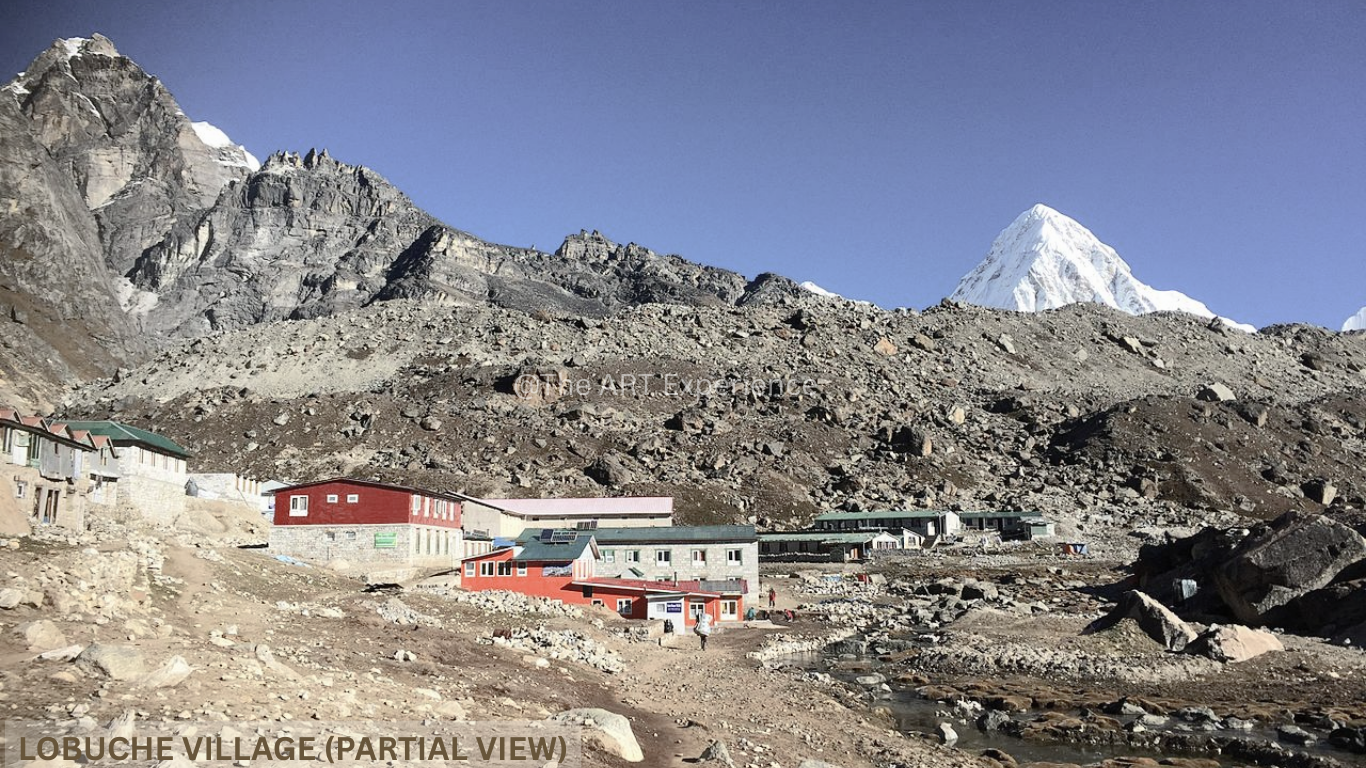
As I reflect on my journey through the majestic landscapes of the Himalayas, the essence of ethical travel becomes increasingly clear. In a region where culture and environment intertwine, our actions as travelers hold immense weight. It is our duty to honor the traditions and the natural beauty that surrounds us. Ethical travel is not merely a choice; it is a responsibility we share with the mountains that have shaped our lives.
| Principle | Description |
|---|---|
| Community Engagement | Involve local communities in tourism decision-making. |
| Cultural Preservation | Promote and protect local customs and traditions. |
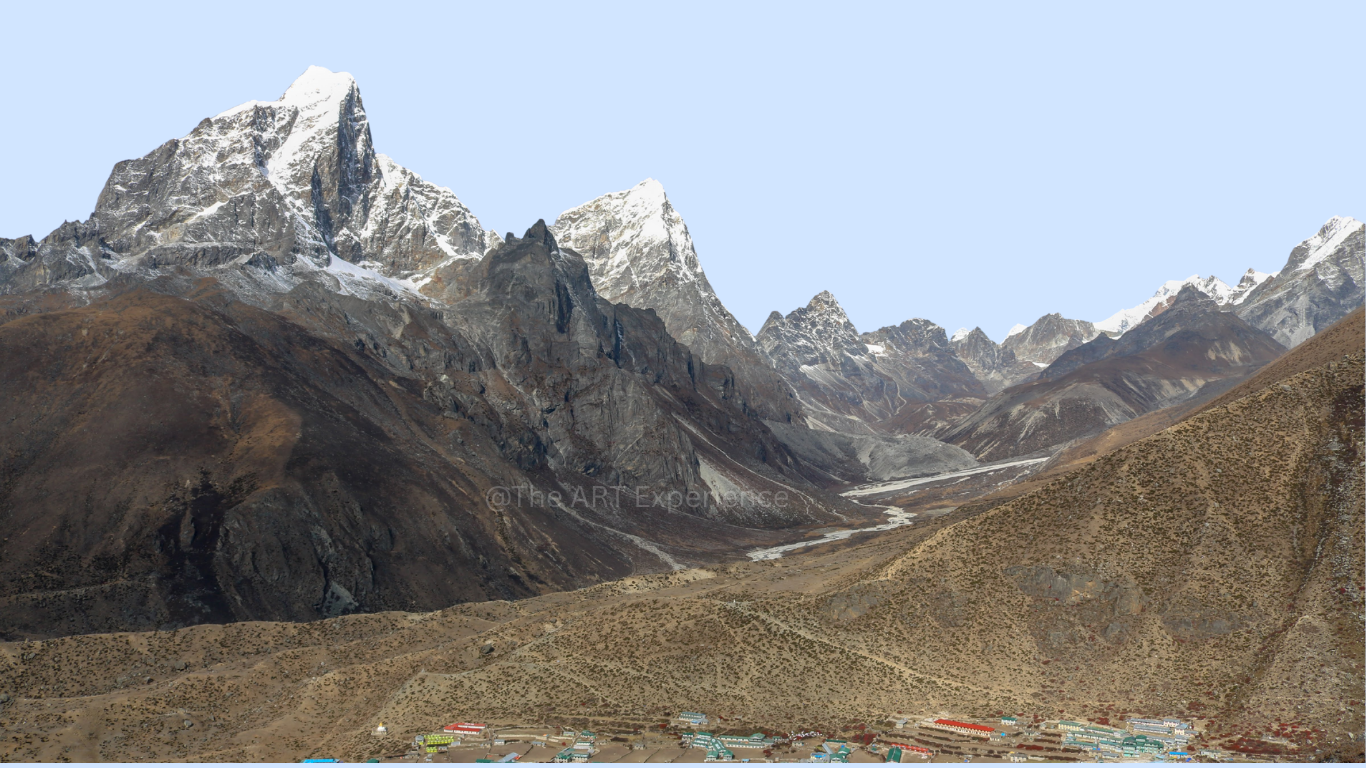
In the heart of the Himalayas, the role of guides transcends mere navigation. As custodians of the mountains' stories, we carry the weight of their history and the wisdom of their presence. Growing up in the Kingdom of Nepal, I learned early on that each peak and valley holds lessons far beyond the physical realm. The mountains are alive with tales of ancient Sherpa communities, whose lives are woven into the fabric of this majestic landscape.
| Responsibility | Description | Impact |
|---|---|---|
| Cultural Education | Sharing the history and traditions of the Sherpa community | Fostering respect and understanding among travelers |
| Safety and Navigation | Ensuring safe passage through challenging terrain | Enhancing the overall experience and well-being of trekkers |
| Environmental Stewardship | Promoting eco-friendly practices and conservation efforts | Protecting the natural beauty of the Himalayas for future generations |
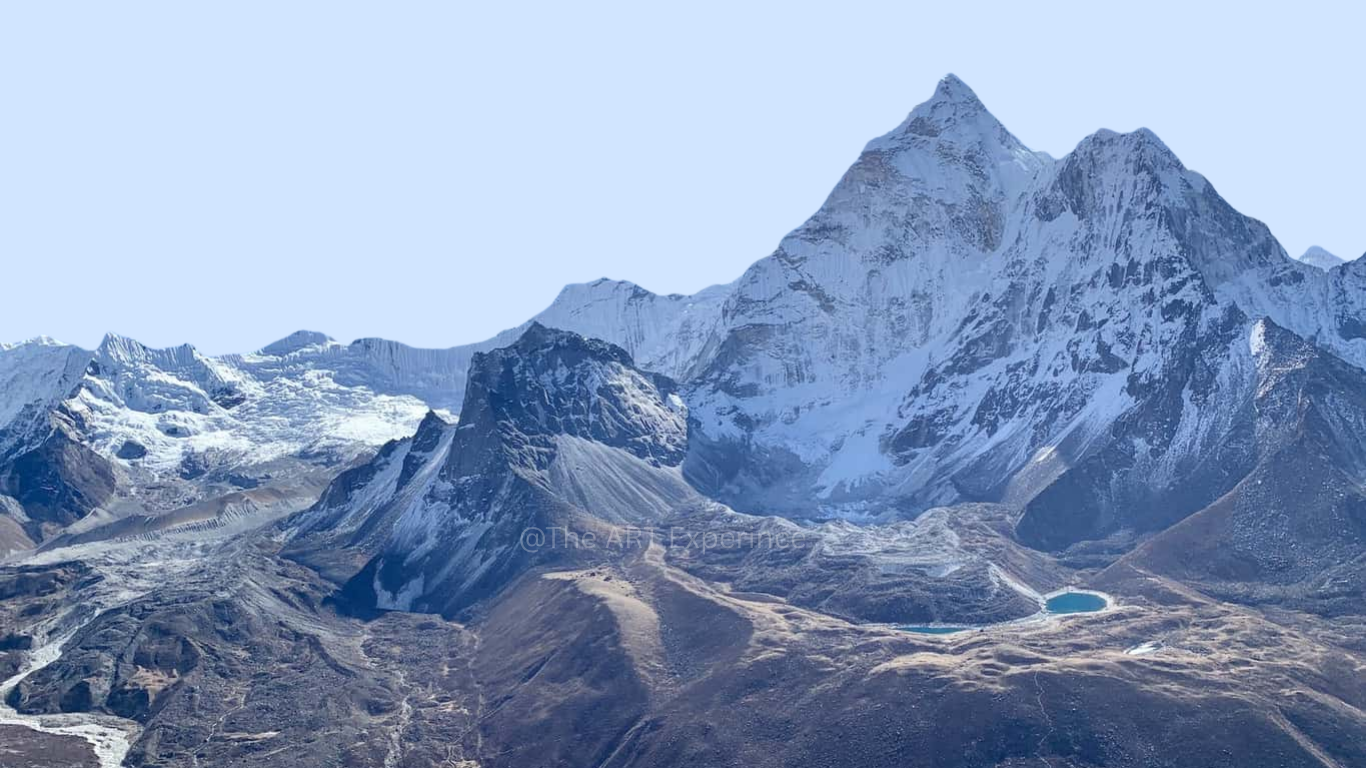
Growing up in the Kingdom of Nepal, I felt the mountains' presence as more than mere geography; they were guardians of our history, witnesses to our lives. The towering peaks, particularly the majestic Himalayas, have always held a sacred significance, embodying the spirit of resilience and the rhythm of life. In those formative years, the mountains took on a role akin to that of a wise elder, offering lessons of humility and endurance.
| Year | Event | Significance | Location |
|---|---|---|---|
| 1953 | Ascent of Mount Everest | First successful summit | Everest, Nepal |
| 1960 | Foundation of The Himalayan Trust | Support for Sherpa communities | Nepal |
| 1953 | Order of Gorkha Dakshina | Honor by King of Nepal | Nepal |
| 2008 | Passing of Sir Edmund Hillary | Legacy of humanitarian work | Nepal |
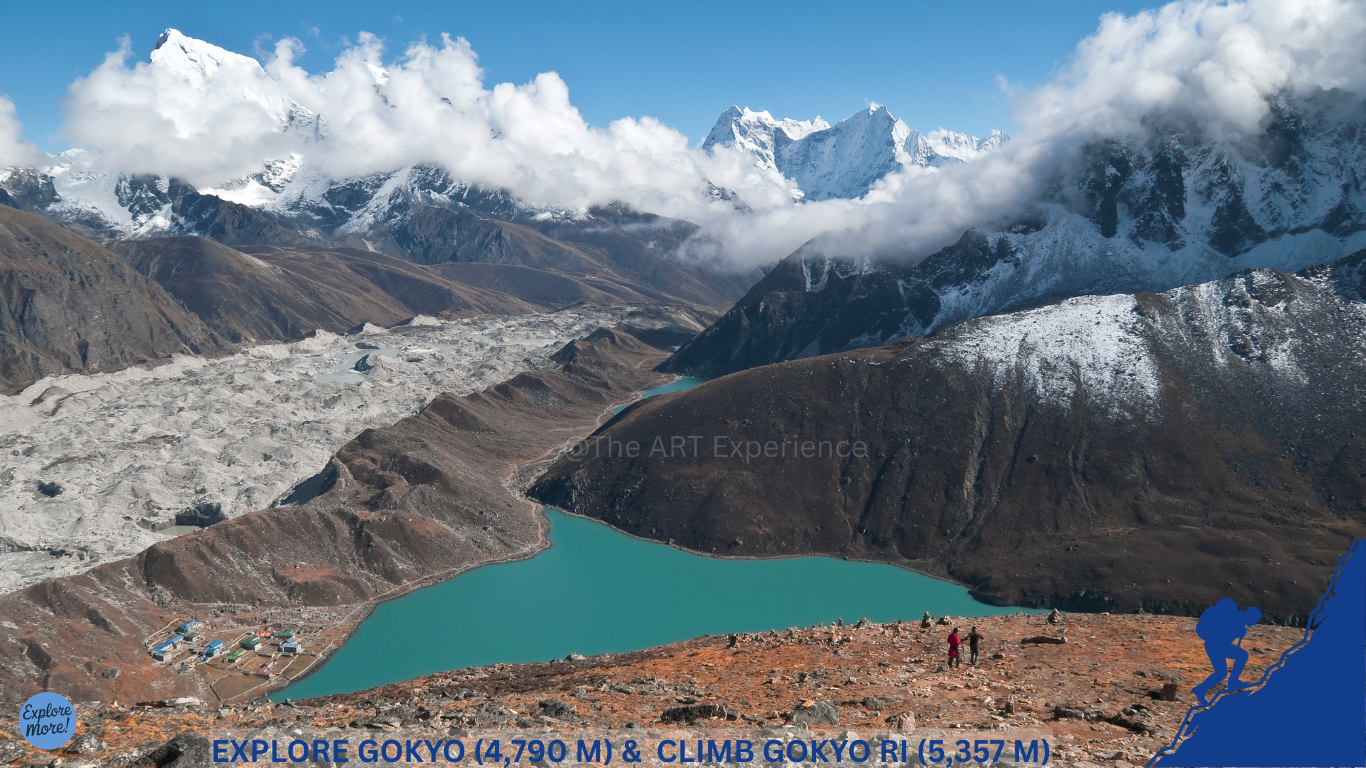
Growing up in the Kingdom of Nepal, I felt the mountains' presence. They were not merely backdrops to my childhood; they were living entities, embodying the spirit of my ancestors and the culture that shaped my identity. Each peak told a story, whispering secrets of the past while demanding respect for the present. As I wandered through the valleys and climbed the lower slopes, I began to understand that these mountains were my teachers, imparting lessons on humility, patience, and the interconnection of all life.
In my youth, the tales of Sir Edmund Hillary reached me like echoes through the hills. His ascent of Mount Everest in 1953 was not just an achievement; it was a profound act of connection with the Sherpa community, whom he cherished and served throughout his life. The honorific ‘Surra Sahib,’ meaning ‘Big of Heart,’ bestowed upon him by the local people, encapsulated his legacy in Nepal. His commitment to the Sherpa way of life and the establishment of schools and hospitals through the Himalayan Trust reflected a deep respect for the culture and people who call these mountains home.
As I delved deeper into Hillary's story, I recognized the weight of this legacy. He was conferred the Order of Gorkha Dakshina by the King of Nepal in 1953, a testament to his contributions and the respect he garnered. His personal archive, now held at the Auckland Museum, serves as a reminder of his tireless work and the bonds he formed with the Sherpa communities. This connection, forged through shared experiences and mutual respect, became a guiding principle in my own journey.
As I grew older, the realization of my responsibility began to crystallize. The mountains are not mere challenges to be conquered; they are sacred spaces, deserving of care and reverence. My role as a steward through Alpine Ramble Treks is not about leading expeditions to the summits but about fostering a deeper understanding of the Himalayan way of life. Each trek is an invitation to share in the stories of the land and its people, a reminder that we are all participants in this great narrative.
Mountains endure, reminding us of our shared human journey. They witness the rise and fall of kingdoms, the ambitions of climbers, and the quiet resilience of the Sherpa community. In the end, it is not the names inscribed on summits that matter; it is the spirit of the mountains that lives on, guiding us towards a more ethical and respectful relationship with this magnificent landscape.
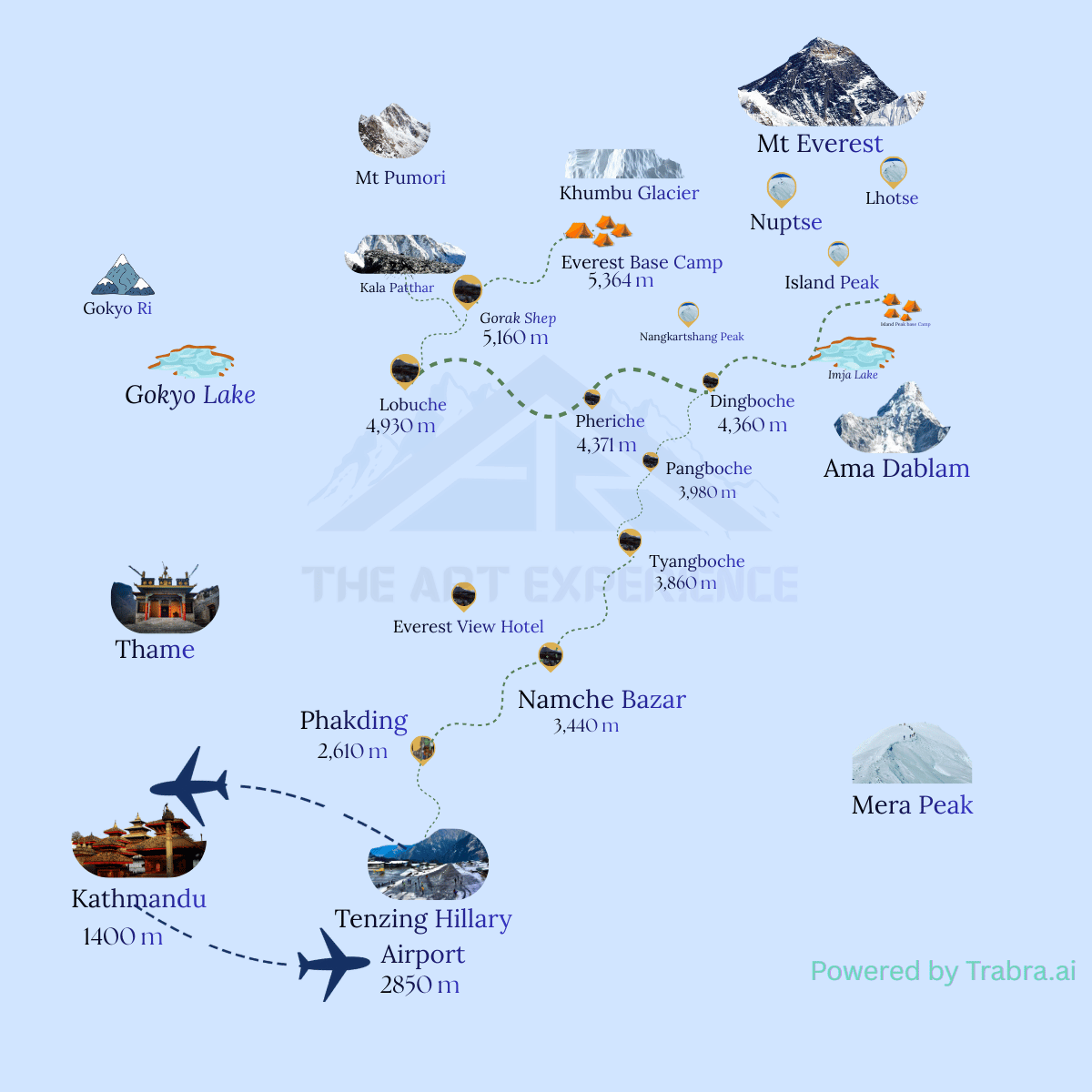
In the quiet moments of life, when the winds whisper through the pines and the mountains stand sentinel against the sky, I often reflect on the teachings that nature imparts. Growing up in the Kingdom of Nepal, I felt the mountains' presence as more than mere geographical features. They were living entities, guardians of stories, and repositories of wisdom. Each peak, from the majestic Annapurna to the towering Everest, has its own narrative, echoing the lives of those who have walked its paths.
Mountains have a way of grounding us, reminding us of our place in a vast and interconnected world. The Himalayas, with their breathtaking beauty and formidable challenges, have shaped my identity and values. They taught me humility, a lesson that is often sidelined in the rush of modern life. As a child, I would sit in the shadow of these giants, absorbing their silent strength and learning that true greatness lies not in conquest but in coexistence.
My journey took a significant turn when I encountered the legacy of Sir Edmund Hillary. His ascent of Everest in 1953 was not merely a personal achievement; it was a profound act of service to the Sherpa communities in Nepal. Known as Surra Sahib, or 'Big of Heart,' he dedicated his life to uplifting the very people who made his dreams possible. His work established schools, hospitals, and airstrips, transforming the lives of many in the Sherpa community. In 1953, he was conferred the Order of Gorkha Dakshina by the King of Nepal, a testament to his enduring impact.
Hillary's humility and dedication to the Sherpas, rather than the glory of summits, inspired me. It was not just his achievements that resonated but his deep respect for the mountains and the people who inhabit them. His personal archive, now housed at the Auckland Museum, serves as a reminder of his commitment to Nepal and its culture. This legacy is not just a historical footnote; it is a living testament that shapes my approach to travel and stewardship.
As I reflect on my role today, I realize that I am not just a guide or a CEO of Alpine Ramble Treks; I am a steward of a profound heritage. In every trek we embark upon, we carry the weight of responsibility to honor the mountains and the Sherpa communities that share their lives with us. We are not here to conquer; we are here to learn, to connect, and to contribute.
Mountains endure beyond the names of kings, climbers, and CEOs. They are witnesses to our shared human journey, teaching us that humility and respect are the true paths to understanding the world around us. As we navigate the complexities of modern travel, may we always remember the lessons imparted by these ancient giants.
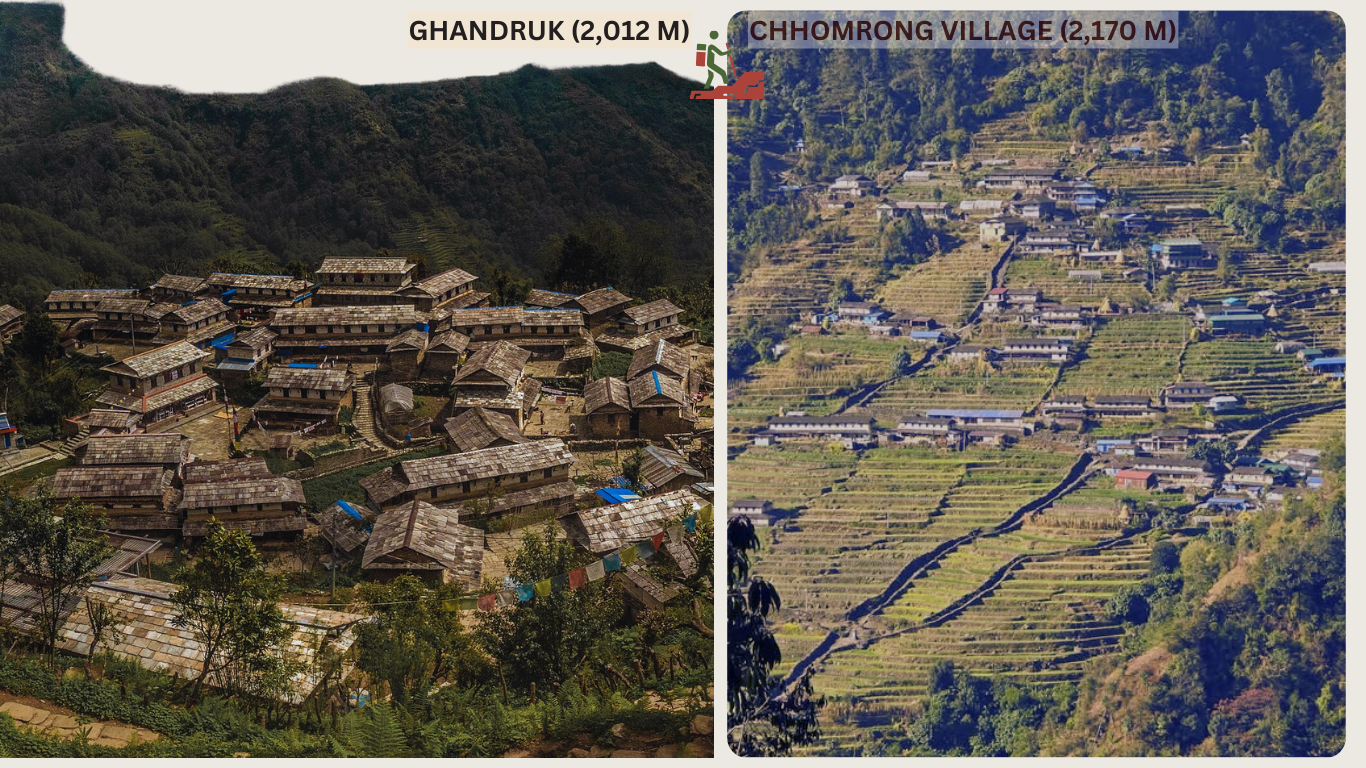
Growing up in the Kingdom of Nepal, I felt the mountains' presence. They were not merely backdrops to my childhood; they were living entities, ancient and wise, shaping our lives and stories. The echoes of the monarchy still linger in my memory, a world where the mountains were revered as guardians of our culture and identity. It was a time when the Kingdom of Nepal was a tapestry of traditions, woven together by the threads of history and the whispers of the Himalayas.
My early relationship with these majestic giants was one of awe and respect. Each peak, from the towering heights of Everest to the serene slopes of Annapurna, had a story to tell. They taught me humility and nurtured a deep-seated reverence for the land and its people. In the shadows of these mountains, I learned that they are not challenges to conquer but rather teachers to learn from.
As I grew older, I encountered the stories and legacy of Sir Edmund Hillary, a name that resonates deeply within the fabric of Nepalese mountain culture. His ascent of Mount Everest in 1953 marked a significant milestone, but it was his lifelong commitment to the Sherpa communities that truly defined his legacy. Hillary was honored with the title of Surra Sahib, meaning 'Big of Heart,' a testament to his dedication and service.
Reflecting on Hillary’s humility, I find inspiration in his quiet approach to life and service. He did not seek glory; instead, he devoted himself to building schools, hospitals, and airstrips for the Sherpa people through the Himalayan Trust, founded in 1960. His work, recognized by the Order of Gorkha Dakshina conferred by the King of Nepal in 1953, remains a significant part of our shared history.
As I absorbed these narratives, a quiet realization emerged within me—being a focal point for travelers is not merely a role but a responsibility. It is a duty to honor the living spirit of the mountains and the Sherpa community, who have co-created the history of the Himalayas with their resilience and wisdom.
Founding and leading Alpine Ramble Treks was not a pursuit of business milestones; it was an ethical continuation of the values that I inherited. We strive to embody the philosophy of ethical trekking in Nepal, ensuring that our journeys respect the land, its people, and their traditions. In this role, I aim to foster a connection between travelers and the mountains, emphasizing that true exploration lies in understanding rather than conquering.
As I look upon the vastness of the Himalayan landscape, I am reminded that the mountains endure beyond all names—kings, climbers, and CEOs alike. They are witnesses to history, carrying the weight of human stories within their silent grandeur. What will remain when we are gone? The answer lies in the mountains, enduring and steadfast, reminding us of our shared human journey.
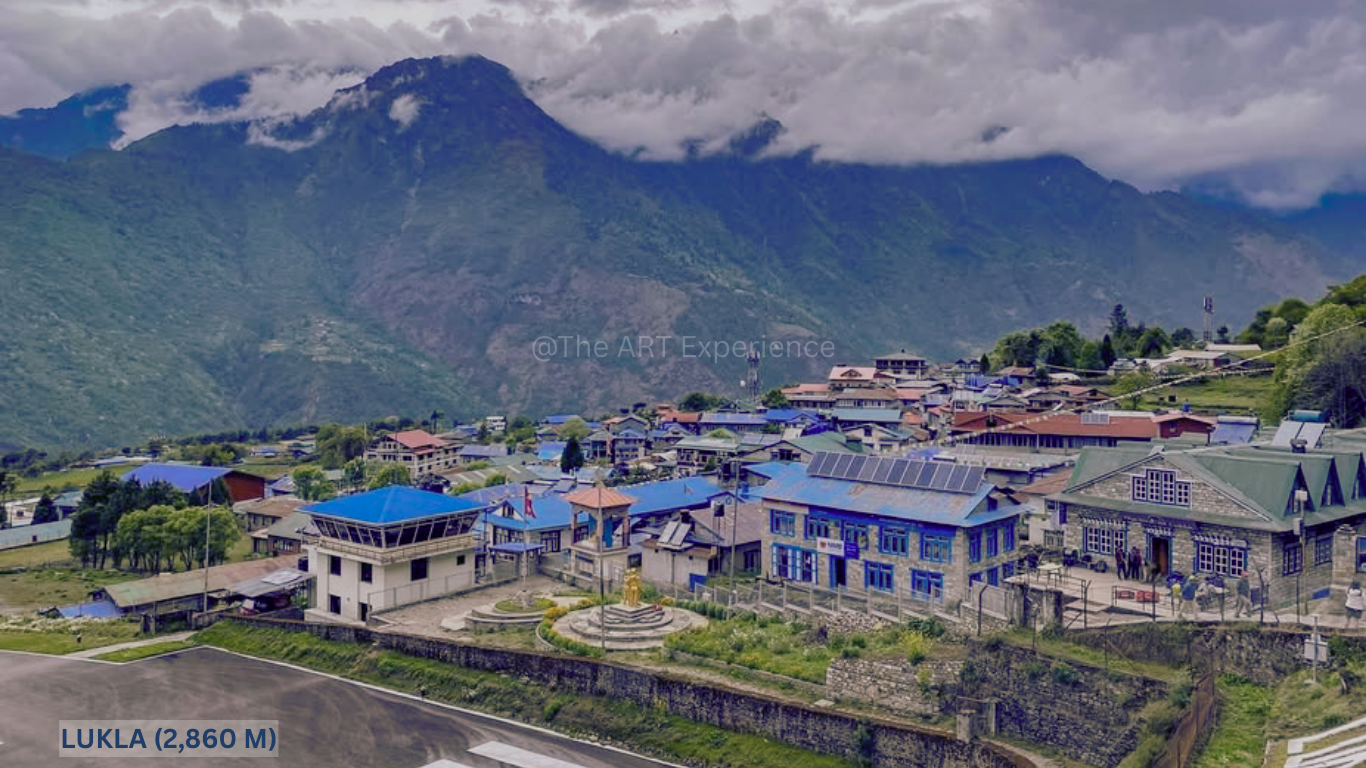
Growing up in the Kingdom of Nepal, I felt the mountains' presence. They stood as ancient witnesses to our history, their peaks piercing the sky, echoing the stories of generations. Each day, I would gaze upon their majesty, feeling a connection that transcended mere geography. The mountains were not just a backdrop to our lives; they were living entities, teaching us lessons of resilience, humility, and respect.
As a child, I wandered through the valleys and trails, my feet tracing paths that had been walked by countless others. These mountains, with their snow-capped summits and rugged terrain, became my teachers. They imparted values that shaped my identity and the way I approached life. I learned to listen to the whispers of the wind, to find solace in the silence, and to respect the rhythms of nature. This relationship with the mountains was not one of conquest but of coexistence, a fundamental aspect of Nepal mountain culture.
In my early explorations, I encountered the legacy of Sir Edmund Hillary, a figure who embodied the very spirit of the Himalayas. His ascent of Mount Everest in 1953 was not merely a feat of human endurance; it was a testament to his lifelong dedication to the Sherpa communities in Nepal. Known as 'Surra Sahib,' or Big of Heart, he earned the respect and love of the local people through his genuine service and commitment to their well-being.
Hillary’s work established schools, hospitals, and airstrips, fundamentally transforming the lives of many Sherpa families. His honorific title reflects the deep bond he formed with the community, a connection that was built on mutual respect and understanding. In 1953, he was also awarded the Order of Gorkha Dakshina by the King of Nepal, a recognition of his contributions to the country and its people. His personal archive, now housed at the Auckland Museum, serves as a reminder of his enduring legacy and the impact he made during his life.
Reflecting on Hillary's humility and commitment to service, I realized the weight of responsibility I carry as a steward of the mountains. The values he exemplified resonate deeply within me. They guide the philosophy of Alpine Ramble Treks, where we aim not just to guide travelers through the spectacular landscapes, but to foster a spirit of ethical trekking in Nepal. We strive to honor the Himalayan way of life, ensuring that our presence is one of stewardship rather than consumption.
As I lead our team, I am reminded that the mountains endure beyond all names—kings, climbers, and CEOs alike. They are timeless witnesses to our shared human journey. The lessons they impart are not bound by time or title; they are universal truths that we must carry forward. In every trek, every interaction, and every story shared, we honor the legacy of those who came before us, including Sir Edmund Hillary, and we recognize our role in this ongoing narrative.
Read on to discover how these values shape our journey and the way we interact with the land and its people.
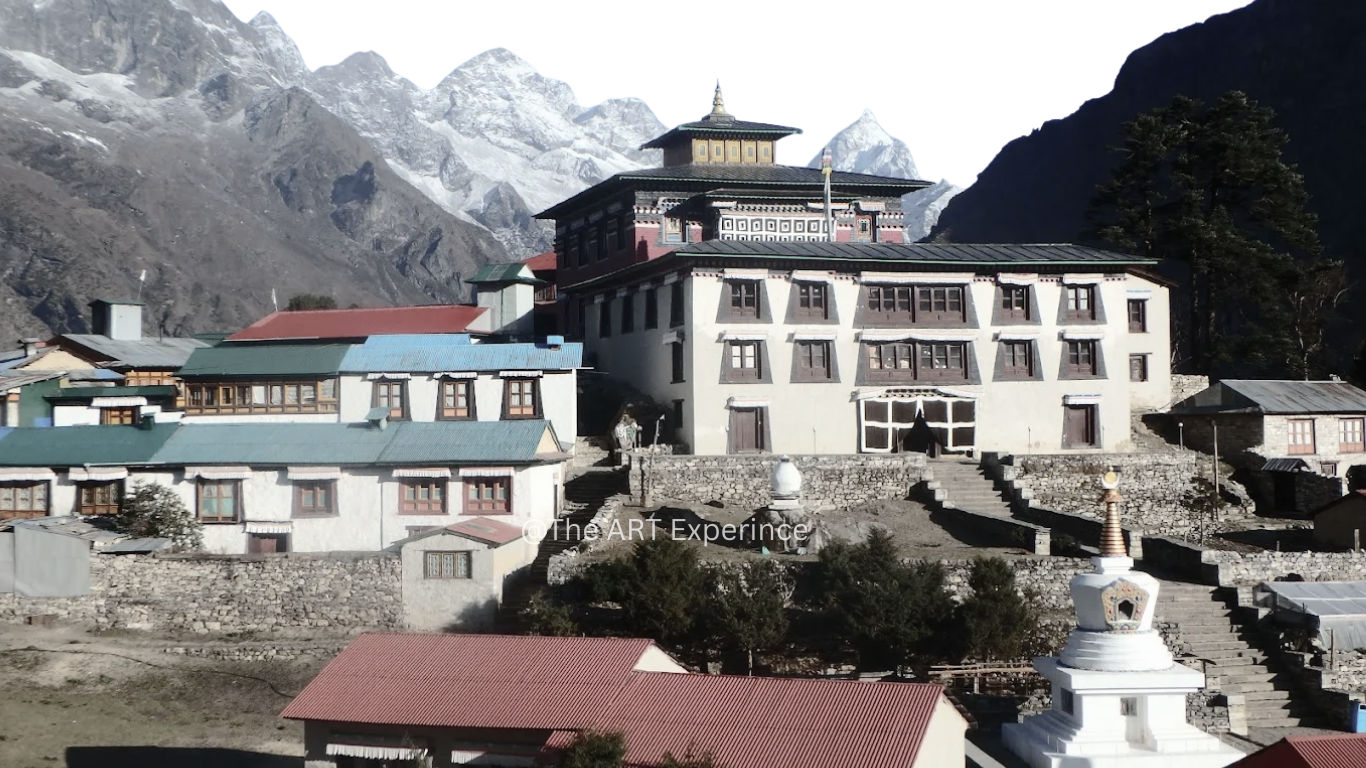
As I stand at the precipice of this new era of travel, I reflect on the delicate balance we must maintain in our approach to the Himalayas. The mountains, with their timeless grandeur, have always been more than mere destinations; they are living entities that embody the spirit of the land and the rich tapestry of cultures that thrive within their embrace. In the spirit of the Kingdom of Nepal, which shaped my early years, there lies an enduring legacy that we must honor.
Mountains have been my teachers, imparting lessons of humility, patience, and respect. They remind us of our place within the natural order, urging us to tread lightly and with intention. This philosophy guides my work with Alpine Ramble Treks, where we strive to foster a sense of stewardship rather than consumption. We must recognize that the Sherpa communities, who have coexisted with these mighty peaks for generations, are not merely facilitators of our journeys but vital custodians of their heritage.
The legacy of Sir Edmund Hillary, the revered explorer and humanitarian, resonates deeply within this context. His ascent of Mount Everest in 1953 marked a significant moment in history, yet it is his lifelong dedication to the Sherpa people that truly defines his contribution. The honorific bestowed upon him, “Surra Sahib,” or Big of Heart, captures the essence of his character—a man who sought not glory but connection and mutual respect.
As we navigate the complexities of modern travel, we must ask ourselves: How can we shape the future? By honoring the mountains and their people, we can cultivate a travel ethos that prioritizes ethical engagement over mere adventure. This involves supporting local economies, respecting cultural practices, and ensuring that our presence does not disrupt the delicate balance of the ecosystems we visit.
In closing, I am reminded that the mountains endure, standing as witnesses to our shared human journey. They have outlived kingdoms and climbers, serving as a testament to the resilience of both nature and the cultures that thrive within its folds. As stewards of this heritage, we carry the responsibility to safeguard these sacred spaces for generations to come.
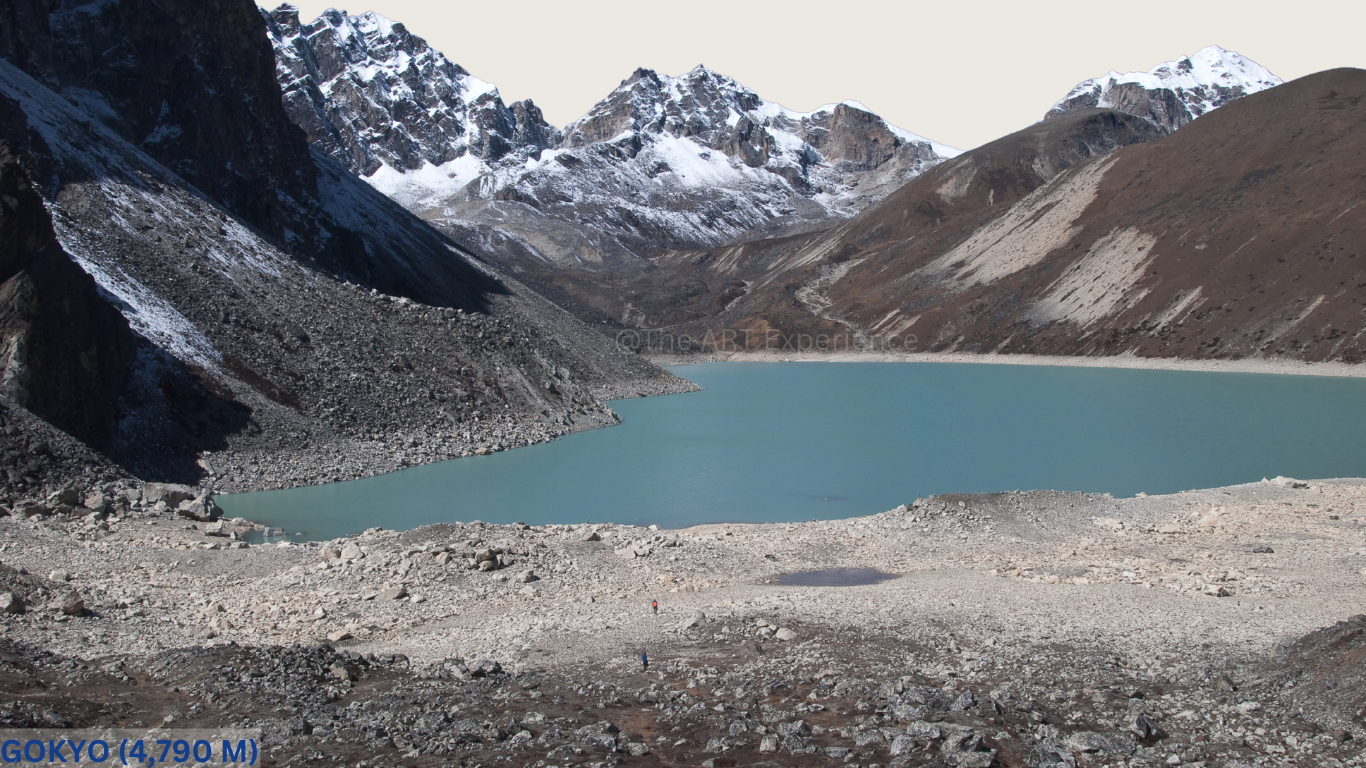
In the quiet moments of reflection, I find myself drawn back to my childhood in the Kingdom of Nepal. Growing up under the gentle majesty of the Himalayas, these mountains were not mere backdrops; they were living entities, shaping my identity and values. The Kingdom of Nepal, with its rich tapestry of culture and history, provided a unique context for my early experiences, where the whispers of ancient kings mingled with the stories of the Sherpa communities.
As I wandered through the foothills, the mountains taught me lessons of patience, resilience, and humility. They were my first teachers, revealing the profound interconnectedness of life. It was amidst these towering giants that I began to understand the essence of the Himalayan way of life—a delicate balance of respect for nature and harmony with the community.
My journey took a pivotal turn when I encountered the legacy of Sir Edmund Hillary. His ascent of Mount Everest in 1953 was not merely a conquest; it was a testament to the power of collaboration and service. Hillary's lifelong dedication to the Sherpa communities, earning him the honorific 'Surra Sahib' (Big of Heart), resonates deeply with me. His work laid the foundation for sustainable development in the region, and his recognition through the Order of Gorkha Dakshina by the King of Nepal in 1953 reflects the enduring bond between the climbers and the local people.
This realization of responsibility became a guiding principle for me. I understood that being a steward of the mountains involves more than just leading treks; it is about fostering a culture of ethical trekking in Nepal, where travelers engage with the land and its people with respect and compassion. Alpine Ramble Treks emerged as an extension of these values, aiming to honor the living spirit of the mountains and the Sherpa communities.
Ultimately, the mountains endure, outliving kings and climbers alike. They remind us of our shared human journey, urging us to live with purpose and integrity. As I navigate this path, I carry forward the legacy of Sir Edmund Hillary, striving to embody the spirit of the Himalayas in every step I take.
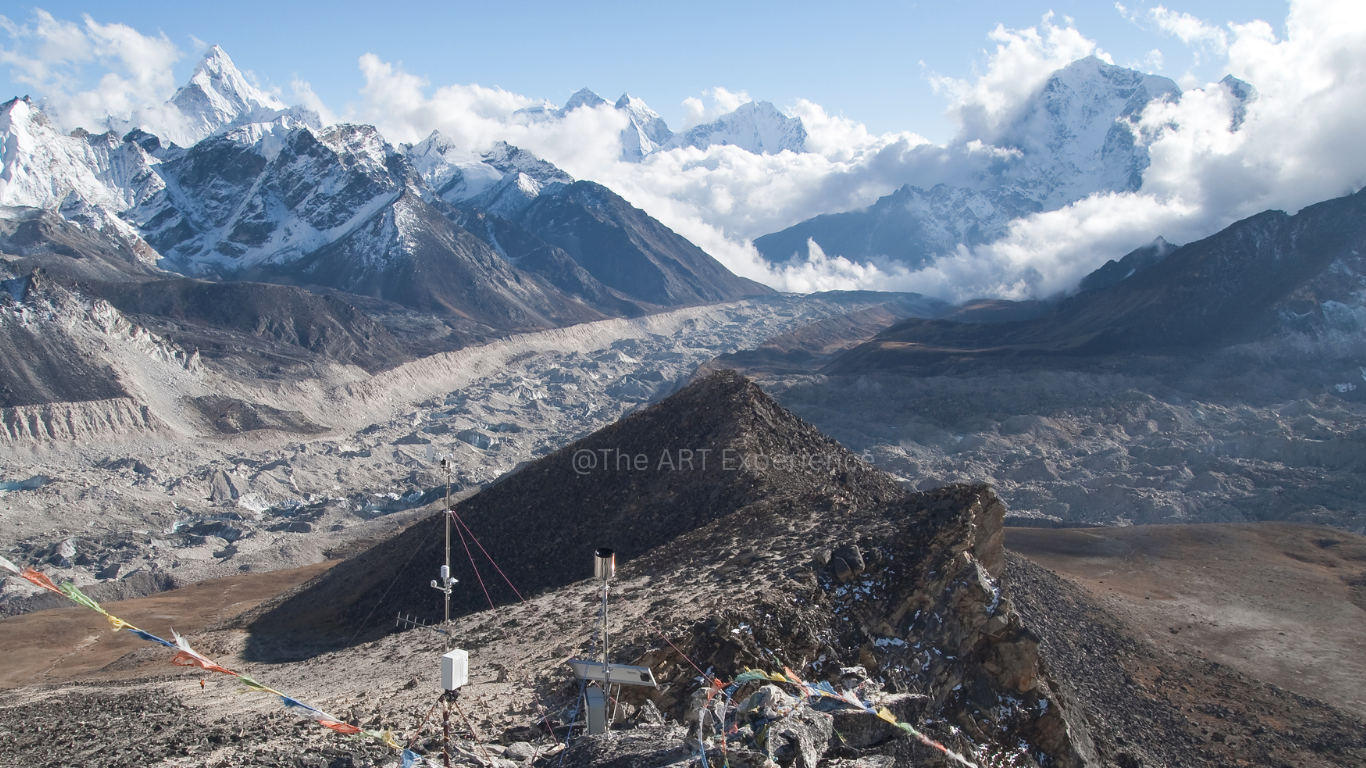
Growing up in the Kingdom of Nepal, I felt the mountains' presence. They were not merely backdrops to my childhood; they were living entities, ancient witnesses to the ebb and flow of human history. In the foothills of the Himalayas, where the clouds kiss the peaks, I learned that the mountains have their own stories, shaped by the lives and cultures that surround them.
As I navigated my youth, the towering giants of the Himalayas became my teachers. They imparted lessons of humility and resilience, echoing the whispers of my ancestors who revered these majestic formations. The Kingdom of Nepal, with its rich tapestry of traditions and histories, instilled in me a profound respect for the land and its people. I learned about the Sherpa communities, whose intimate relationship with the mountains is woven into their very identity. Their spirit and endurance reflect the essence of the Himalayan way of life.
My journey deepened when I encountered the legacy of Sir Edmund Hillary. His ascent of Everest in 1953 was more than a personal achievement; it was a testament to the power of collaboration. Hillary’s lifelong dedication to the Sherpa people, earning him the honorific 'Surra Sahib' (Big of Heart), exemplifies the spirit of service over conquest. In 1953, he was conferred the Order of Gorkha Dakshina by the King of Nepal, recognizing his contributions to the Himalayan communities.
Reflecting on his humility and respect for the Sherpa way of life, I realized the weight of my responsibility. As the CEO of Alpine Ramble Treks, I strive to be a steward of the mountains, honoring their living spirit rather than viewing them as mere destinations. My role is not to lead travelers to conquer peaks but to guide them in understanding the profound connection between the land and its inhabitants.
In this journey, I have embraced the philosophy of ethical trekking in Nepal. It is about fostering a relationship with the mountains that transcends the superficial pursuit of summits. The mountains endure, reminding us of our shared human journey. As we walk their trails, we must carry forward the legacy of those like Sir Edmund Hillary, honoring the Sherpa communities who have co-created the history of these majestic ranges.
Read on to discover how these mountains shape not only our landscapes but also our lives, forging connections that outlive kings, climbers, and companies alike.
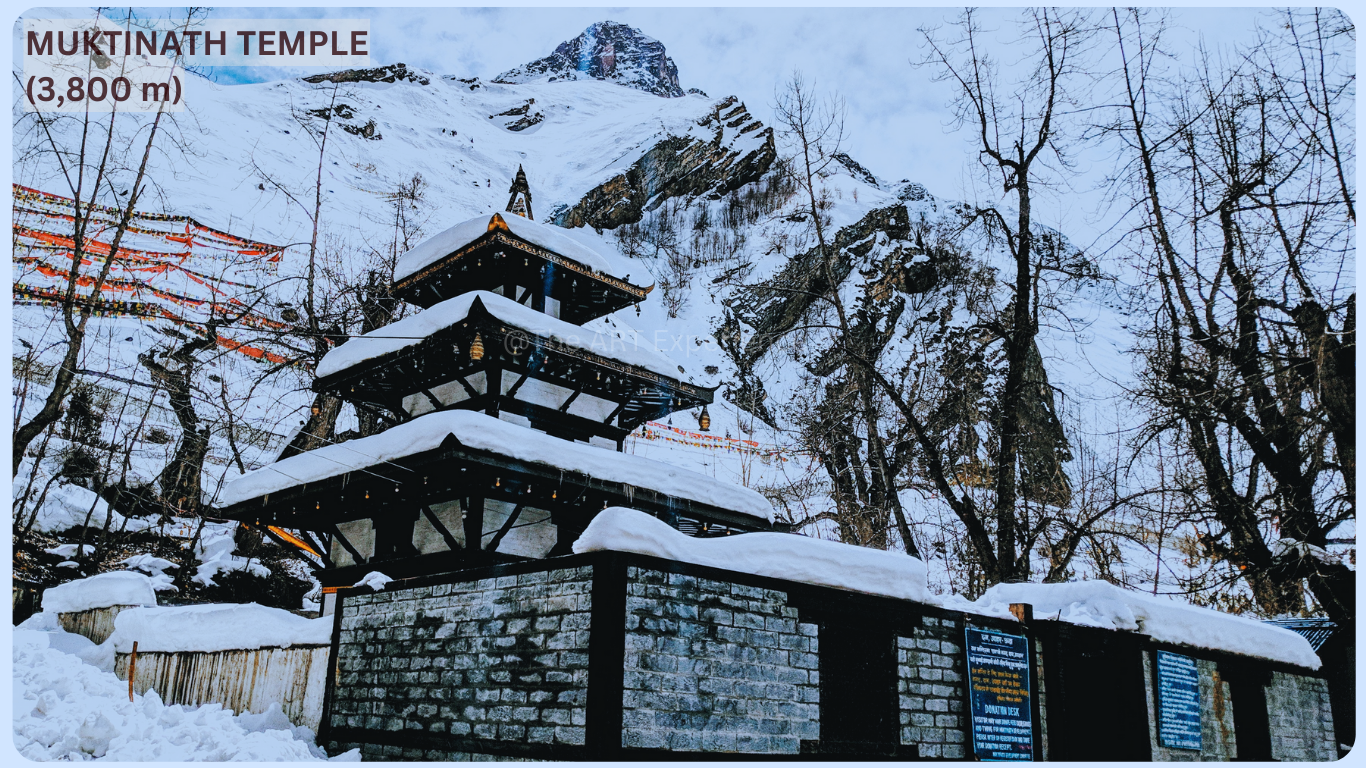
What will our legacy be? This question reverberates in my mind as I reflect on the intertwined destinies of the mountains and the people who inhabit their shadows. Growing up in the Kingdom of Nepal, I felt the mountains' presence as a constant, formidable companion. They were not mere backdrops to our lives; they were teachers, shaping our identities and values.
In the heart of the Himalayas, where the air is thin and the spirit is robust, I came to understand that these ancient giants were alive with stories. They whispered of the past, of the Sherpa communities who have thrived alongside them, and of the explorers who dared to challenge their heights. Among these explorers, Sir Edmund Hillary stands out—not merely for his ascent of Mount Everest in 1953, but for his profound humility and lifelong commitment to the Sherpa people. The honorific 'Surra Sahib' (Big of Heart) bestowed upon him by the local people reflects the deep respect he earned through his service.
Hillary's legacy is woven into the fabric of Nepal's mountain culture. His work with Sherpa communities transformed lives, establishing schools and hospitals, and creating airstrips to connect remote areas with the world. The Order of Gorkha Dakshina, conferred in 1953 by the King of Nepal, is a testament to his impact. His personal archive, now housed at the Auckland Museum, preserves the stories and documents of a life dedicated to fostering relationships between cultures.
As I navigated my own journey, encountering the echoes of his legacy, I felt a quiet realization of responsibility. Leading Alpine Ramble Treks is not merely a business endeavor; it is an extension of values cultivated over years of living with the mountains. We strive to honor the Himalayan way of life, ensuring that our practices reflect respect for nature and the local communities. Ethical trekking in Nepal is not just a philosophy; it is a commitment to stewardship, a way of giving back to the land that has shaped us.
Mountains endure, outliving kings, climbers, and CEOs alike. They remind us of our shared human journey, urging us to consider what we leave behind. In the face of their timeless presence, we must ask ourselves: how will we be remembered? Will our legacy be measured by our respect for nature and the communities that call these mountains home? As we tread lightly on this sacred ground, may we honor the past while nurturing the future.
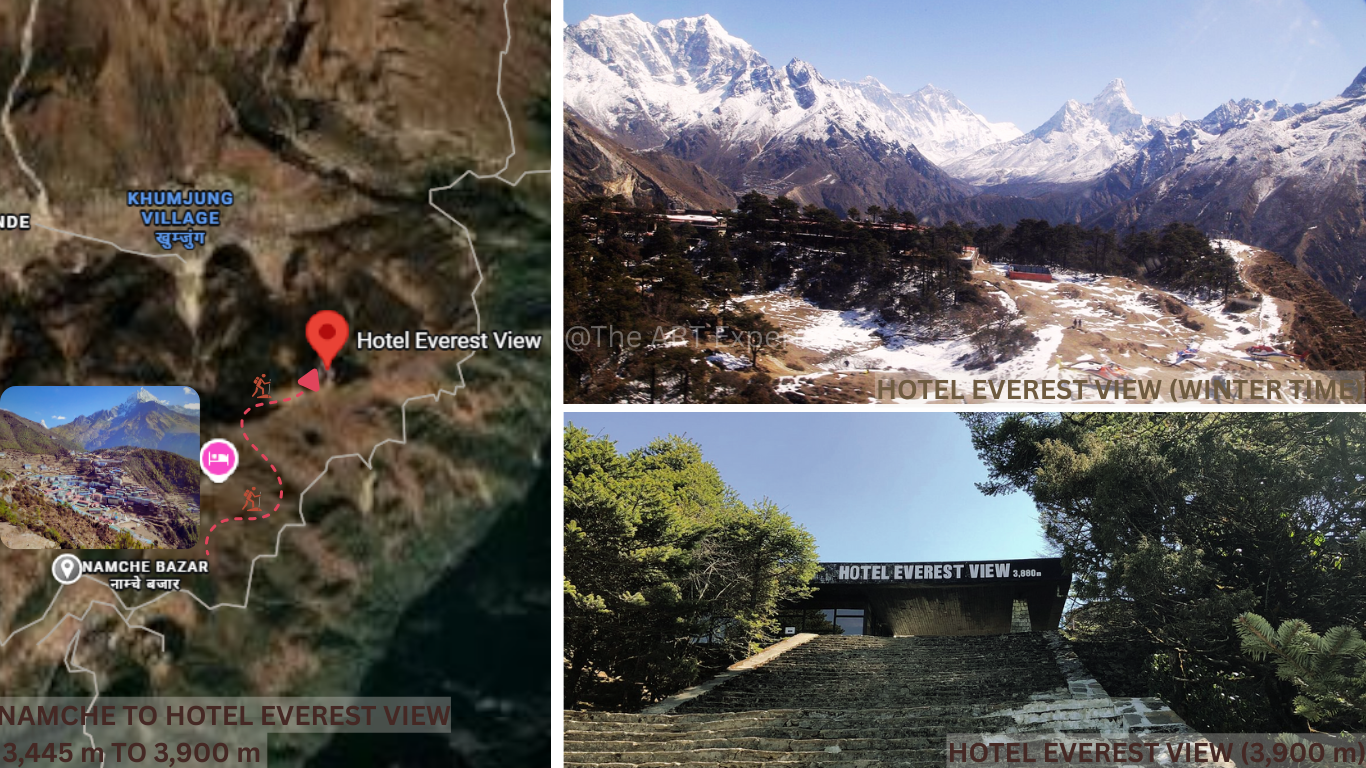
The mountains, with their towering presence and silent wisdom, have been my lifelong companions. They have shaped my understanding of life, teaching me lessons of resilience, humility, and interconnectedness. As I reflect on my journey, I see the echoes of the Kingdom of Nepal in every peak and valley. This land, rich in history and culture, has been a cradle for my identity.
In the spirit of Sir Edmund Hillary, I recognize the profound responsibility that comes with being a custodian of these majestic landscapes. His legacy—rooted in service to the Sherpa communities and their shared history—reminds us that the mountains are not mere destinations, but living entities that deserve our respect and care. The honor bestowed upon him as 'Surra Sahib' reflects a bond that transcends borders, uniting us in a shared Himalayan way of life.
As I lead Alpine Ramble Treks, I do so not as an entrepreneur but as a steward of the Himalayan ethos. The philosophy of ethical trekking in Nepal guides our journey, ensuring that every traveler understands their role in preserving this sacred environment. We are guests in the home of the mountains and the Sherpa people, and with that comes an obligation to tread lightly.
Ultimately, the mountains endure beyond the names of kings, climbers, and CEOs. They are witnesses to our collective human experience, reminding us that our stories are woven into the fabric of their existence. In this ever-changing world, the Himalayas stand as a testament to resilience and continuity, inviting us to reflect on our shared humanity and the legacy we leave behind.
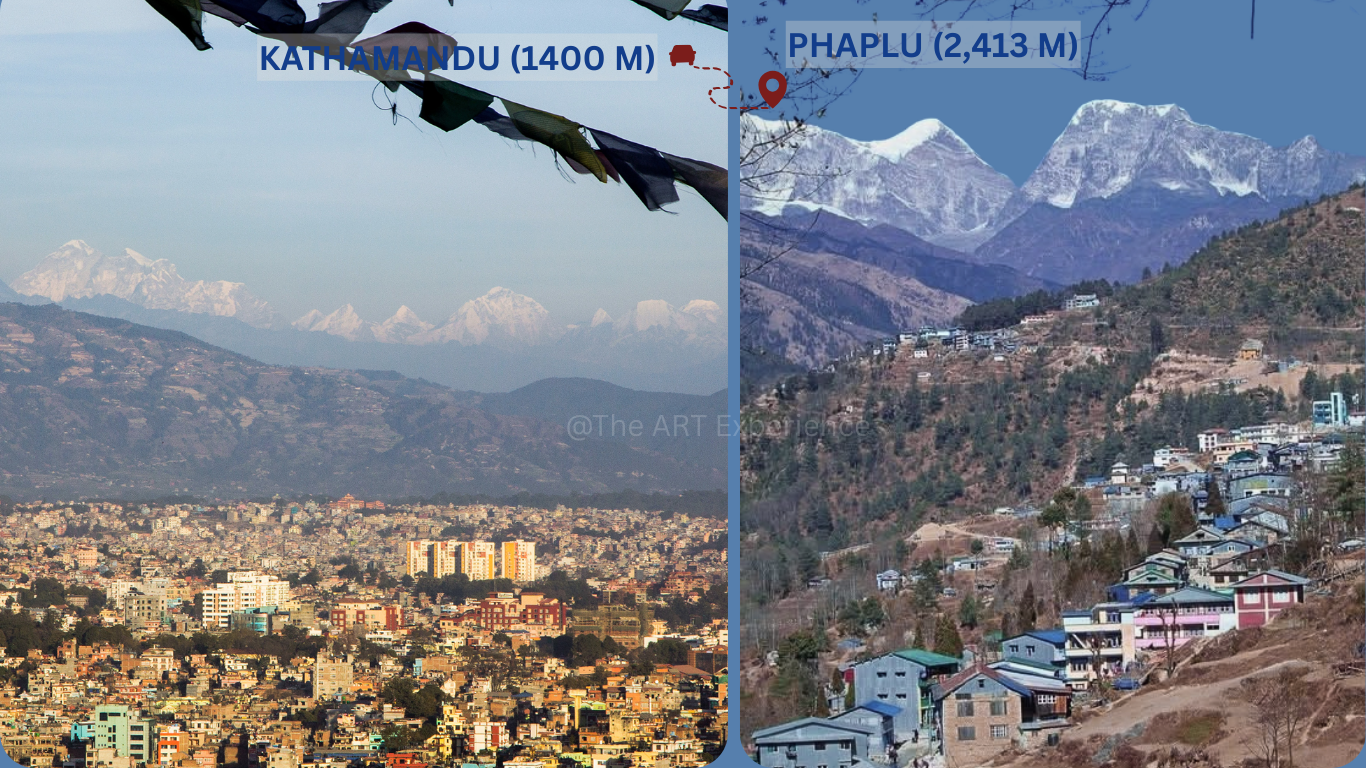
As I reflect on my journey, I am reminded of the profound legacy that the mountains hold. They are not merely majestic formations; they are living entities that have shaped the lives of countless individuals. The Kingdom of Nepal, with its rich tapestry of history and culture, has always been intertwined with the spirit of the Himalayas. Growing up under the fading echoes of this kingdom, I felt the mountains' presence deeply embedded in our way of life.
In those formative years, the mountains were my teachers. They whispered stories of resilience and humility, much like the ethos embodied by Sir Edmund Hillary. His ascent of Mount Everest in 1953 marked a significant moment not only in the history of exploration but also in the hearts of the Sherpa communities he worked alongside. Known as Surra Sahib, or 'Big of Heart,' Hillary’s dedication to the Sherpas and his lifelong humanitarian efforts remain a cornerstone of his legacy in Nepal.
His honorific title, bestowed by the local people, reflects the deep respect he garnered through his efforts to uplift Sherpa communities, building schools and hospitals, and establishing airstrips that have become lifelines in the remote regions of the Himalayas. In 1953, he was also conferred the Order of Gorkha Dakshina by the King of Nepal, a testament to his contributions that transcended mere climbing achievements.
As I navigate my role as the steward of Alpine Ramble Treks, I often contemplate the immense responsibility that comes with it. It is not merely about guiding travelers through these majestic landscapes; it is about honoring the spirit of the mountains and the Sherpa communities that coexist with them. The mountains teach us patience, humility, and the importance of connection—lessons that echo through time.
In closing, I hold firm to the belief that the mountains outlive all names—kings, climbers, CEOs alike. They remind us of our shared human journey and the enduring spirit of the Himalayas. As we tread lightly upon their paths, we must remember that we are not conquerors of these heights, but humble participants in their timeless story.
Our content is based on reliable, verified sources including government data, academic research, and expert insights. We also reference reputable publishers and primary sources where appropriate. Learn more about our standards in our editorial policy.
Quick answers based on this article.
Dil Gurung is the CEO of Alpine Ramble Treks and a passionate advocate for ethical Himalayan travel and stewardship.
Sir Edmund Hillary is celebrated for his ascent of Mount Everest in 1953 and his lifelong humanitarian work with Sherpa communities.
The cultural memory of the Kingdom of Nepal informs the values and traditions that continue to shape Nepalese identity and heritage.
Ethical trekking emphasizes responsible travel practices that respect local cultures, environments, and communities.
Experiencing the Himalayan way of life involves engaging with local communities, understanding their traditions, and respecting the mountains as living entities.
Sir Edmund Hillary's legacy includes his contributions to education and healthcare in Nepal, as well as his respect for Sherpa culture.
Sherpas are integral to Himalayan history as co-creators of the region's cultural and mountaineering heritage.
The mountains are seen as living teachers due to their enduring presence and the lessons they impart about humility, resilience, and stewardship.
The philosophy of Alpine Ramble Treks centers on ethical travel, cultural respect, and the preservation of the Himalayan environment.
Dil Gurung sees himself as a steward and focal point for travelers, emphasizing responsibility over personal achievement.
The Order of Gorkha Dakshina is a significant honor conferred by the King of Nepal, recognizing contributions to the country.
One can learn more about Sir Edmund Hillary's work through the Edmund Hillary Archive at the Auckland Museum and various historical sources.
The term 'Surra Sahib' translates to 'Big of Heart,' an honorific bestowed upon Sir Edmund Hillary by the local Sherpa people.
The Auckland Museum houses Sir Edmund Hillary's personal archive, preserving his legacy and contributions to Himalayan communities.
The history of the Kingdom of Nepal influences contemporary tourism by fostering a deeper appreciation for cultural heritage and responsible travel.
Mountains are central to cultural identity in Nepal, symbolizing spiritual significance, resilience, and the interconnectedness of communities.
Practicing stewardship in the Himalayas involves engaging with local cultures, minimizing environmental impact, and supporting community initiatives.
Himalayan communities face challenges such as climate change, economic pressures, and the impact of tourism on their traditional ways of life.
Travelers can learn about humility, respect for nature, and the importance of cultural preservation through their experiences in the Himalayas.
Dil Gurung's journey reflects the spirit of the Himalayas through his commitment to ethical travel and cultural stewardship.
The Sherpa community plays a crucial role in mountaineering, providing expertise, guidance, and support to climbers in the Himalayas.
The history of the Himalayas shapes its future by influencing conservation efforts, cultural preservation, and sustainable tourism practices.
Prefer WhatsApp or a quick call? We reply fast.
ART Experience Reviews
Add media, drop your rating, and write a few words. Submissions go to the Review Manager for approval.
More reading selected from the same theme.
%22%2F%3E%3Cpath%20d%3D%22M0%20620c140-120%20260-180%20360-180s220%2060%20360%20180%20260%20180%20480%20180V800H0z%22%20fill%3D%22%23bfdbfe%22%2F%3E%3Ccircle%20cx%3D%22980%22%20cy%3D%22170%22%20r%3D%2272%22%20fill%3D%22%2393c5fd%22%2F%3E%3C%2Fsvg%3E)