Travel
The Himalayan Throne: Peaks as Deities in Nepal
Discover the sacredness of Nepal's Himalayan peaks, where mountains are revered as deities, and trekking becomes a pilgrimage through a land rich in culture and spirituality.
Alpine Ramble
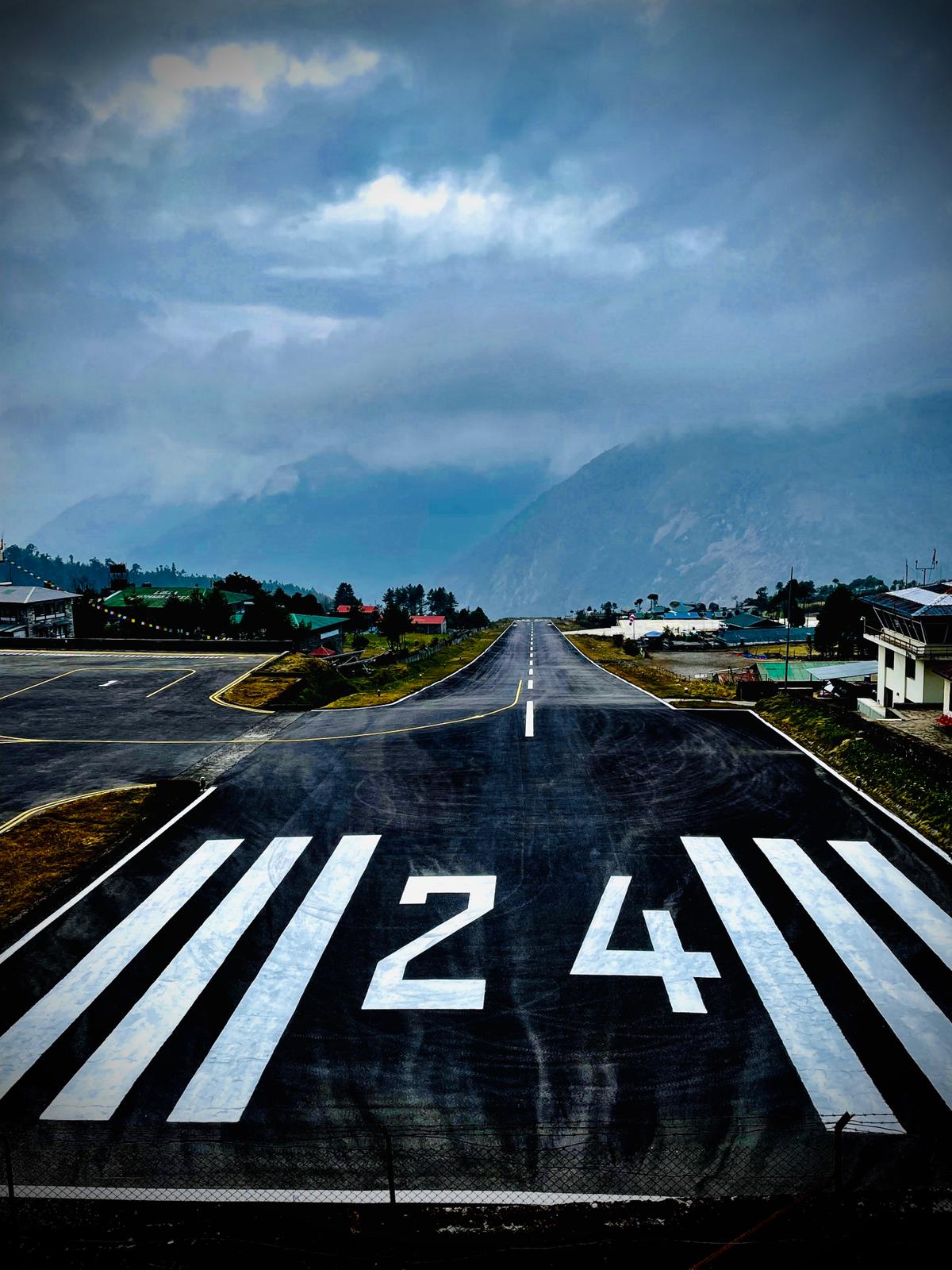
As I step back into Lukla, the familiar sights greet me: the same runway, the same lodges, and the unmistakable sound of aircraft landing and taking off. Yet, my body reads this place differently now, shaped by the countless journeys I’ve undertaken through the Himalayas. It’s a truth I’ve come to understand deeply: Lukla never changes. People do.
| Flight Time | Airline |
|---|---|
| 6:30 AM | Shree Airlines |
| 7:15 AM | Buddha Air |
As I step back into Lukla after yet another trek, I find myself observing the same familiar sights: the bustling lodges, the sound of aircraft engines, and the short runway that feels both intimate and daunting. Yet, my perception of it all has shifted dramatically. The energy of this town is palpable, but it resonates differently now. It strikes me that while Lukla remains unchanged, the people who arrive here are anything but the same.
| Aspect | Observation | Significance |
|---|---|---|
| Initial Reactions | Wide-eyed expressions | Excitement mixed with anxiety |
| Focus | Eyes fixed beyond the town | Indicates anticipation of the trek |
| Perception of Lukla | Seen as a mere formality | Highlights the focus on Everest |
As I stand in Lukla once more, the familiar sights surround me: the same bustling lodges, the same sound of aircraft arriving and departing from the world’s most dangerous airport. Yet, my body reads this scene differently now. After countless journeys, I know that Lukla never changes; people do. The first-time trekkers who arrive here are often consumed by anticipation, already mentally several days ahead, envisioning the moment they set foot on Everest’s iconic base camp.
| Aspect | Arrival Mindset | Post-Everest Reflection | Emotional Transition |
|---|---|---|---|
| Perspective | Excited and rushed | Grounded and reflective | Realization of change |
| Engagement | Focused on the journey | Processing the experience | Connection to self |
| Significance | Just a starting point | A place of understanding | Transformation |
| Energy | High anticipation | Calm acceptance | Emotional release |
As I walk the familiar path back to Lukla, I reflect on what the mountains have quietly taken from each trekker. It is not just physical strength they strip away, but also layers of comfort and certainty. The Himalayas demand a form of surrender, forcing you to confront your limits and embrace vulnerability. In this process, the essence of who we are becomes clearer, unencumbered by the distractions of modern life.
| Aspect | Change |
|---|---|
| Physical Endurance | Decreased strength but increased resilience |
| Mental Clarity | Greater focus on essential needs |
As I make the familiar descent back to Lukla, I witness a remarkable transformation in the trekkers around me. It’s almost palpable—the moment when oxygen begins to return to their lungs, laughter erupts more easily, and appetites that had been stifled by altitude start to rekindle. The first few days on the Everest trek are often filled with a sense of urgency and anticipation, but now, in the descent, I see the change begin to take shape.
| Aspect | Before Descent | After Descent |
|---|---|---|
| Physical State | Exhausted, breathless | Rejuvenated, energetic |
| Mental Focus | Future-oriented | Reflective, present |
| Emotional State | Anxious, tense | Relaxed, content |
As I step back into Lukla after another trek, the familiar sights greet me: the same runway, the same lodges, the same sounds of aircraft overhead. Yet, my body reads this place differently now, carrying the weight of countless journeys. The truth emerges clearly: Lukla never changes. People do.
In these moments, I observe trekkers around me, their expressions shifting from exhaustion to relief. They sit quietly, no longer rushing. Lukla becomes a decompression space, a sanctuary where the weight of their experiences can be processed without distraction. Here, amidst the familiar sights, the journey truly becomes real.
Lukla does not host grand ceremonies. There are no banners fluttering in the breeze, no speeches echoing off the mountains. Yet, it is here that I notice emotions surfacing in trekkers, in a way that does not happen at Base Camp. This is the place where the journey becomes real.
Everest demands discipline, a relentless focus on the ascent. It is a test of endurance and will, stripping away the unnecessary. In contrast, Lukla allows for reflection. As trekkers settle into the familiar surroundings of this small town, they begin to process what they have just experienced.
Here, amidst the noise of laughter and the clinking of cups, I see the change. Trekkers who once rushed past the shops and lodges now sit quietly, absorbing the weight of their journey. It is a moment of reckoning, a space where the heart can finally catch up to the mind.
As someone who has built a life around these trails, I see Lukla as more than just an airport. It is a threshold between two versions of a person. After countless journeys, I have come to measure a trek’s success not by the summit of Everest, but by how people behave in Lukla afterward. The transformation is subtle yet profound.
Lukla symbolizes the moment when trekkers shed their expectations and embrace the reality of their experience. It marks the transition from eager anticipation to reflective understanding. Each return to this small town at an altitude of 2,860 meters feels like a reunion with a familiar friend who holds untold stories of growth.
Here, amidst the bustling lodges and the sound of propellers, I witness the shift. The laughter is softer, the conversations deeper. It is in Lukla that the journey becomes real, and the lessons learned on the trails manifest in the way trekkers interact with their surroundings. The joy of a hot meal feels more generous; the comfort of a bed feels truly earned. This is where the essence of the Everest trek settles in.
In these moments, I understand that Lukla is not just a waypoint. It is a mirror reflecting the changes within. The town stands unchanged, yet each trekker leaves a piece of themselves behind, transformed by the journey they have undertaken. It is this revelation that makes returning to Lukla a deeply emotional experience, one that I cherish and reflect upon with each passing season.
As the sun sets behind the peaks, the final evening in Lukla unfolds with a quiet intimacy. The vibrant energy that once buzzed through the town is replaced by a gentle calm. I notice the trekkers gathering for their final meals, their conversations slower, more reflective. This is not a time for celebration; it is a moment of settling.
Meals are shared with a sense of gratitude, as plates are filled with the generous offerings of local lodges. The simple dal bhat, a staple in Nepali cuisine, becomes a feast, each bite rich with the flavor of hard-earned adventure. Laughter still echoes, but it is softer now, enveloped in the shared understanding of what they have experienced.
Photographs are taken less frequently. Instead, I see trekkers sitting quietly, eyes gazing into the distance, lost in thought. They are processing the profound changes they have undergone during their time on the Everest trail. The thrill of reaching Base Camp has transformed into a deeper appreciation of the journey itself.
This evening feels like closure, a necessary pause before the rush of returning to the outside world. I observe how they settle into this space, allowing the weight of their experiences to sink in. Here, in Lukla, they begin to understand that the trek was not just a physical journey, but a deep, personal exploration.
As I watch them, I reflect on the significance of this moment. The mountains have stripped away the superficial, leaving behind a clearer sense of self. Tomorrow, they will board planes and return to their lives, but tonight is about embracing the transformation that has taken place.
Morning again. The same planes are on the same runway, yet this time, there’s a profound stillness in the air. No urgency. No expectation. The hum of the engines feels more like a gentle reminder of what has been endured, rather than a call to action.
As I stand there, watching the familiar scene unfold, I realize that Lukla has not changed—it remains a small, bustling town nestled in the Khumbu region of Nepal, serving as the gateway to Everest. However, the trekkers I see now are not the same individuals who arrived just days before. They are shaped, transformed by their journey through the mountains.
This airport, this town, is not simply a departure point; it is a threshold between who we were before and who we have become after facing the formidable challenge of Everest. It’s a space where the weight of the experience settles in.
In this moment, the truth resonates clearly: You arrive in Lukla as a traveler. You return to Lukla as someone who has been shaped.
Returning to Lukla often feels like stepping into a familiar embrace. Each time I arrive, the unchanged essence of the town stands in stark contrast to the transformed trekkers who have just returned from Everest. The same lodges, the same bustling runway, yet the energy shifts palpably with each passing moment.
As I watch trekkers settle in, I see the ties that form among them. Shared experiences on the trail create bonds that are both profound and immediate. This sense of community is a hallmark of the Lukla experience. Trekkers, who once felt like strangers, now connect over meals and memories, recounting their journeys, their struggles, and their triumphs.
As I observe these interactions, I realize that Lukla is more than a waypoint; it is a sanctuary where trekkers can reflect on their experiences together. The community that forms here is a testament to the emotional depth of the journey. Each return is a reminder that while the mountains may challenge us, it is the connections we make that enrich our experience.
This sense of belonging is crucial. It’s not merely about recounting tales of adventure; it’s about processing what those experiences mean in the context of our lives. In Lukla, amidst the laughter and shared meals, trekkers find a space to decompress and heal. Read on to discover how this communal aspect shapes the experience of returning to Lukla.
Returning to Lukla reveals the unchanged essence of the town, contrasting with the transformed trekkers who step back into its embrace. Each visit, I watch as the mountains influence perception and mindset, shaping who we are beneath their towering presence.
The trek to Everest strips away more than just physical strength; it dismantles the layers of expectation and urgency. In the high altitudes, where every breath counts, the noise of daily life fades into silence, leaving room for introspection. This is where nature becomes a teacher, guiding trekkers to confront their true selves.
As we descend back into Lukla, the transformation is palpable. Laughter returns, and the appetite for food feels like a celebration of survival. Yet, it is not just the physical return; it is the emotional journey that resonates deeply within. Lukla becomes a grounding space, a sanctuary where trekkers can process their experiences without the distractions of the outside world.
In these moments, as I observe my fellow travelers, I recognize the profound impact of the mountains. They demand respect and humility, teaching us lessons we carry long after we leave. Lukla, with its familiar sights and sounds, becomes a reflection of that growth—a place where we come to understand the weight of our journey.
As I observe the ever-changing landscape of trekking culture, it becomes clear that the motivations of travelers have shifted profoundly. Once, the Everest trek was primarily about conquering the mountain, a badge of honor for those who reached Base Camp. Now, it serves as a reflective journey, a path to self-discovery.
In the past, trekkers would arrive in Lukla, eyes set on the towering peaks, barely glancing at the town itself. But today, the focus is increasingly on the experience itself. The anticipation of the climb still exists, yet there’s a growing realization that the journey is just as significant as the destination.
This evolution reflects a broader trend in travel, where the quest for adventure intertwines with a desire for personal growth and understanding. Read on to discover how these changes manifest in the emotional landscapes of trekkers returning to Lukla.
[[P_14_1]]
As I sit in the familiar lodges of Lukla, I find myself considering the importance of reflection after the Everest trek. This small town, with its unchanged runway and bustling atmosphere, serves as a vital threshold for trekkers who have just experienced the profound journey to Base Camp. The contrast between the eager arrivals and the transformed returnees highlights a fundamental truth: reflection is key to understanding one's journey.
Trekkers often arrive in Lukla filled with anticipation, their minds focused on the challenge ahead. However, upon their return, the same individuals exhibit a deeper sense of awareness. They have shed the weight of excess, both physically and emotionally, allowing for introspection. This transformation is not merely about the physical trek but also about the psychological shift that takes place as they navigate the majestic landscapes of the Himalayas.
Lukla becomes a space of grounding, a place where the emotional undercurrents of the journey can surface. It is here that trekkers can begin to process their experiences, free from the distractions that once consumed them. The bustling energy of Lukla shifts from chaotic to nurturing, as conversations slow down, and the bustling atmosphere feels more like a welcoming embrace than a hurried checkpoint.
Ultimately, Lukla is not just a location; it embodies the transformation of those who pass through. It is a reminder that the journey does not end at Base Camp but continues in the quiet moments of reflection that follow.
Our content is based on reliable, verified sources including government data, academic research, and expert insights. We also reference reputable publishers and primary sources where appropriate. Learn more about our standards in our editorial policy.
No sources listed for this article yet.
ART Experience Reviews
Add media, drop your rating, and write a few words. Submissions go to the Review Manager for approval.
More reading selected from the same theme.
%22%2F%3E%3Cpath%20d%3D%22M0%20620c140-120%20260-180%20360-180s220%2060%20360%20180%20260%20180%20480%20180V800H0z%22%20fill%3D%22%23bfdbfe%22%2F%3E%3Ccircle%20cx%3D%22980%22%20cy%3D%22170%22%20r%3D%2272%22%20fill%3D%22%2393c5fd%22%2F%3E%3C%2Fsvg%3E)