Loading Alpine AI…
Mountains in Nepal: Geography, Peaks, Climate, Ecology, and Human Interaction

Mountains in Nepal: Geography, Peaks, Climate, Ecology, and Human Interaction

Dil Gurungβ€’ CEOGeographyPublished: Jan 18, 2026Updated: Jan 23, 2026Fact-checked by Trabra.ai
PostLinkedInFacebookWhatsApp
Mountain Geography of Nepal

Formation of the Himalayas

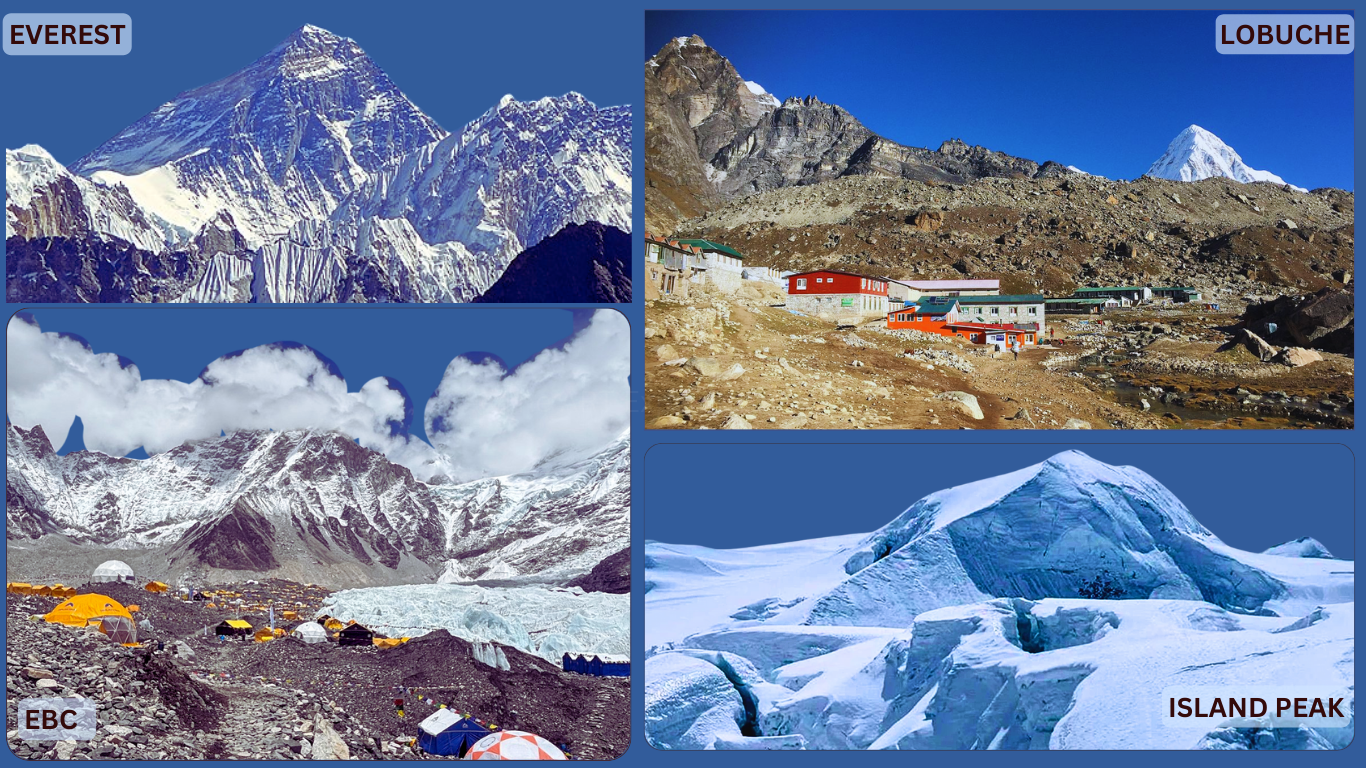
The geography of Nepal is dominated by the towering peaks of the Himalayas, a result of the tectonic collision between the Indian and Eurasian plates. This ongoing orogenic process has given rise to some of the highest mountains in the world, including Mount Everest (8,848.86 m) and Kanchenjunga (8,586 m). The complex tectonic setting not only shapes the landscape but also influences the climate and ecology of the region.

  • Tectonic Setting: The Himalayas formed approximately 50 million years ago, with continued uplift and geological activity evident today.
  • Physiographic Divisions: Nepal is divided into three main regions: the Terai, the Hills, and the Mountains, with the latter encompassing the high peaks of the Himalayas.
  • Definition of Terms: In this article, a 'mountain' is defined as a landform that rises prominently above its surroundings, a 'peak' is the pointed summit of a mountain, and a 'range' refers to a series of connected mountains.
  • Elevation Zones: The vertical elevation range of Nepal spans from approximately 60 m in the Terai to 8,848.86 m at the summit of Mount Everest.
  • Protected Areas: Approximately 23% of Nepal's land area is designated as protected, including several national parks and conservation areas in the mountainous regions.
  • Glacier Trends: Nepal's glaciers are retreating at an alarming rate, with studies indicating a loss of about 28% of glacier area from 1977 to 2016 (ICIMOD).
πŸ“ŒPhysiographic Divisions of Nepal
DivisionElevation Range (m)
Terai60 - 300
Hills300 - 3,000
Mountains3,000 - 8,848.86
πŸ“ŒMajor Mountain Ranges in Nepal
RangeMain PeaksLocation
Greater HimalayaMount Everest, KanchenjungaEastern Nepal
Lesser HimalayaLangtang, ManasluCentral Nepal
SiwalikChuria HillsSouthern Nepal
Mountain Geography of Nepal

Regions of Nepal

Nepal's geography is characterized by a significant elevation gradient, ranging from the lowland Terai plains at approximately 60 meters above sea level to the towering peaks of the Himalayas, including the highest peak, Mount Everest, at 8,848 meters (source: Government of Nepal). This dramatic topography is a result of the ongoing collision between the Indian and Eurasian tectonic plates, which initiated the Himalayan orogeny around 50 million years ago (source: ICIMOD).

  • Terai: The lowland region, characterized by flat plains and fertile soil, covering about 23% of Nepal's total area.
  • Hills: This mid-elevation zone, ranging from 600 to 3,000 meters, is marked by rolling hills and valleys, constituting approximately 68% of the country.
  • Mountains: The high-altitude region, which includes the Nepal Himalayas, extends beyond 3,000 meters and houses eight of the fourteen eight-thousanders globally.
  • Elevation: The vertical elevation range of Nepal is approximately 8,788 meters, from the highest point at Mount Everest to the lowest point in the Terai.
  • Climate Zones: Nepal exhibits diverse climate zones due to its elevation, ranging from tropical in the Terai to arctic in the higher Himalayas.
  • Protected Areas: Approximately 23% of Nepal's territory is designated as protected areas, including national parks and conservation areas, crucial for biodiversity preservation (source: DNPWC).
πŸ“ŒPhysiographic Divisions of Nepal
DivisionElevation Range (m)Area (kmΒ²)% of Total Area
Terai60 - 60023,00023%
Hills600 - 3,00045,00068%
Mountains3,000 - 8,84814,0009%
Total-82,000100%
πŸ“ŒElevation Zones of Nepal
ZoneElevation (m)
Lowland Terai0 - 600
Mid-Hills600 - 3,000
Major Mountain Systems

Himalayan Range Classifications

The mountain geography of Nepal is characterized by a rich and complex interplay of geological formations, climatic conditions, and ecological zones. The major mountain systems can be categorized into three primary ranges: the Greater Himalaya, the Lesser Himalaya, and the Siwalik range. Each of these ranges exhibits unique geological features, climatic influences, and ecological characteristics.

  • Greater Himalaya: This range includes the highest peaks in Nepal, including Mount Everest (8,848 m), and is known for its towering elevations and glacial landscapes.
  • Lesser Himalaya: Situated south of the Greater Himalaya, this range features moderate elevations and is home to several important valleys and river systems, contributing to Nepal's biodiversity.
  • Siwalik Range: The lowest of the three, the Siwalik range consists of foothills that transition into the Terai plains, characterized by diverse flora and fauna.
πŸ“ŒMajor Mountain Ranges of Nepal
Mountain RangeMajor PeaksProtected Areas
Greater HimalayaMount Everest, KanchenjungaSagarmatha National Park, Makalu-Barun National Park
Lesser HimalayaManaslu, DhaulagiriManaslu Conservation Area
Siwalik RangeChuria HillsChitwan National Park
Climate and Cryosphere

Climate and Cryosphere

The climate of the Himalayan region in Nepal is characterized by its altitudinal diversity, ranging from tropical conditions in the Terai to polar conditions in high-altitude zones. The altitudinal climate zones can be divided into several categories: tropical (below 1,000 m), subtropical (1,000-2,500 m), temperate (2,500-3,500 m), subalpine (3,500-4,500 m), and alpine (above 4,500 m). Each zone supports distinct ecosystems and influences local weather patterns, particularly the monsoon and westerly systems that dominate precipitation distribution.

The monsoon season, occurring from June to September, brings heavy rainfall, while the westerlies contribute to precipitation in the spring and autumn. These climatic variations are crucial for the formation and maintenance of snow and glaciers in the region. The Nepal Himalayas are home to a significant number of glaciers, which are vital for hydrology and local ecosystems.

Recent studies indicate alarming trends in glacier retreat across Nepal, with an estimated loss of around 30% of glacier area since the 1970s (ICIMOD). The implications of this retreat are profound, affecting water resources, biodiversity, and increasing the risk of Glacial Lake Outburst Floods (GLOFs). The changing climate patterns are also altering seasonal water flows, which can disrupt agricultural practices and impact local communities dependent on these water resources.

As we examine the dynamics of climate in the Nepal Himalayas, it is essential to consider how these shifts could affect the delicate balance of ecosystems and human livelihoods in the region.
Significant Peaks

This section highlights notable peaks in Nepal that range between 7,000 and 6,500 meters. These peaks present significant climbing challenges and are integral to the region's mountainous geography.

  • Prominence: These peaks are distinguished by their prominence and climbing significance.
  • Geography: Each peak contributes to the diverse topography of the Nepal Himalayas.
  • Climbing Significance: Many of these peaks are popular among climbers and trekkers.
πŸ“ŒNotable Peaks Between 7,000 and 6,500 Meters in Nepal
Peak NameElevation (m)
Manaslu8,163
Ganesh I7,422
Langtang Lirung7,227
Cho Oyu (border status: Nepal-China)8,188
Shishapangma (border status: Nepal-China)8,027
Ecology and Biodiversity

Altitude and Weather Patterns

The mountains in Nepal exhibit distinct climatic zones influenced by altitude and geographical positioning. The Himalayan region is characterized by a complex interplay of monsoonal and westerly weather patterns that significantly affect precipitation and temperature gradients.

  • Elevation Zones: The vertical elevation range in Nepal spans from approximately 60 meters in the Terai lowlands to 8,848 meters at the summit of Mount Everest, the highest peak in the world (World Atlas).
  • Climate Variability: The climate of the Himalayan region in Nepal is marked by significant variations, with monsoon rains occurring between June and September, while the westerlies contribute to winter precipitation (ICIMOD).
  • Glacier Dynamics: Nepal's glaciers are retreating at an alarming rate, with estimates showing a loss of approximately 60% of glacier area in some regions over the last 40 years (DHM).
πŸ“ŒClimate Zones in Nepal
Altitude Range (m)Climate TypeTypical Vegetation
60 - 1,000TropicalDeciduous forests
1,000 - 2,500SubtropicalMixed deciduous and coniferous forests
2,500 - 4,500AlpineAlpine meadows and tundra
People, Culture, and Sacred Mountains

People, Culture, and Sacred Mountains

Nepal's mountainous regions are not only defined by their geological features but also by the diverse ethnic groups that inhabit them. The mountains serve as cultural backdrops, deeply intertwined with the spiritual beliefs and practices of local communities.

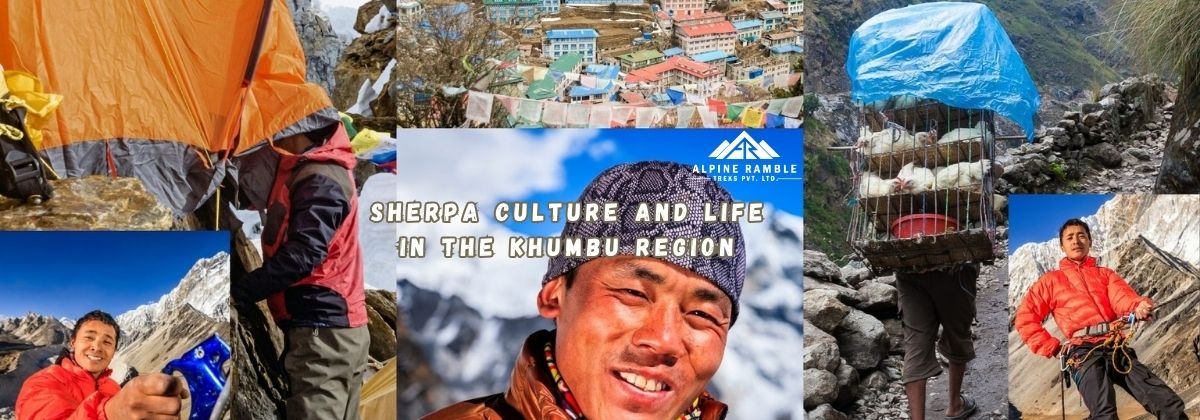
  • Ethnic groups associated with mountain regions: The Sherpas of the Khumbu region are globally recognized for their mountaineering skills and hospitality. The Tamang and Gurung communities are also prominent in the Annapurna region, preserving their unique cultures and traditions.
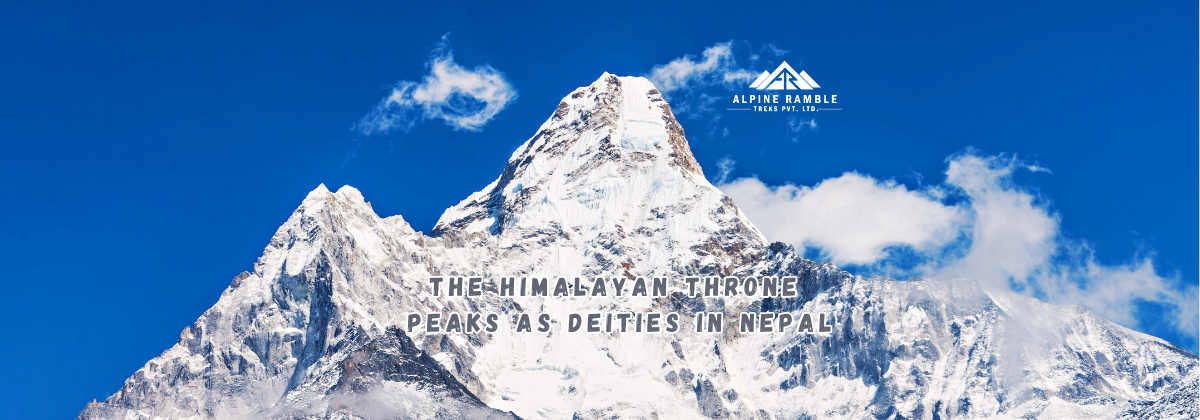
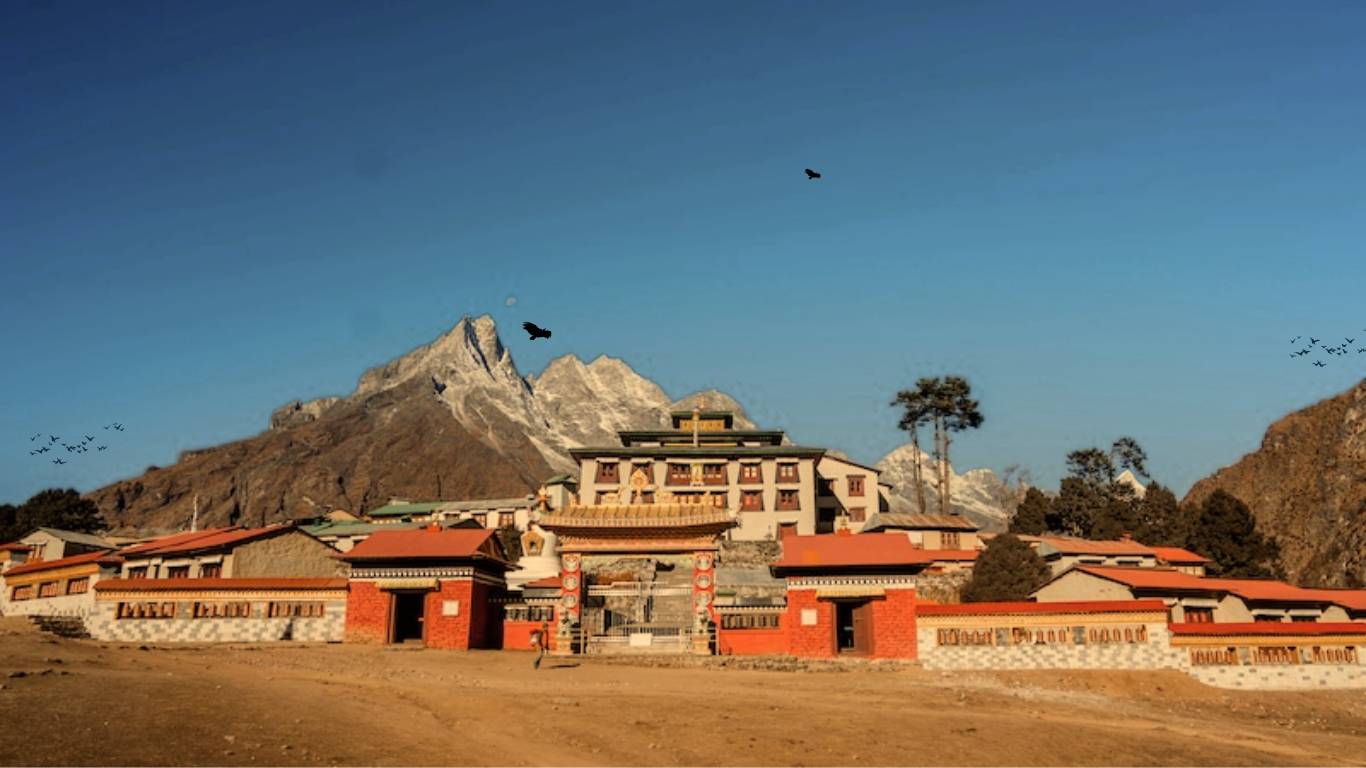
  • Sacred peaks: Notable peaks such as Mount Everest (Sagarmatha) and Kanchenjunga hold significant religious value for both Buddhists and Hindus. These mountains are often viewed as the abode of deities, influencing local customs and rituals.
  • Human adaptation to altitude: Communities have developed remarkable adaptations to high-altitude living, including specialized diets and architectural styles that withstand harsh climates. For instance, traditional Sherpa homes are designed to retain heat and withstand heavy snowfall.

The interplay between human culture and the mountainous landscape shapes not only the identity of the people but also their resilience in the face of environmental changes. Understanding this relationship is crucial for sustainable development in the region. Read on to discover how these interactions influence conservation efforts and tourism dynamics.

Biodiversity Hotspots

The mountains of Nepal are home to a rich tapestry of biodiversity, characterized by distinct ecological zones that support a wide variety of flora and fauna. These zones are influenced by elevation, climate, and geographical features, making the region one of the most significant biodiversity hotspots in the world.

  • Elevation Zones: The vertical elevation range of Nepal spans from 60 m in the Terai to 8,848 m at the summit of Mount Everest, resulting in diverse habitats.
  • Flora Diversity: Approximately 6,500 species of flowering plants are found in Nepal, many endemic to the region.
  • Fauna Significance: Home to over 208 species of mammals and 867 species of birds, the region is crucial for conservation efforts.
πŸ“ŒKey Biodiversity Indicators in Nepal
IndicatorValue
Endemic Plant SpeciesOver 300
Protected Areas23% of land area
People, Culture, and Sacred Mountains

Human Interaction with Mountains

The mountains in Nepal are not merely geographical features; they embody the cultural and spiritual identity of the region. The diverse ethnic groups inhabiting these mountainous terrains have developed unique relationships with their environment, often venerating peaks as sacred entities. This reverence is particularly evident in the practices of local communities who engage in various forms of worship and festivals that honor these towering giants.

  • Ethnic Groups: Multiple ethnicities, including the Sherpas, Gurungs, and Tamangs, have adapted their lifestyles to the high-altitude conditions of the Nepal Himalayas. These groups are known for their resilience and deep-rooted traditions that celebrate their connection to the mountains.
  • Cultural Landscapes: The sacred mountains, such as Mount Everest and Annapurna, are central to the cultural narratives of local communities. These peaks are often featured in myths and folklore, reinforcing their significance beyond mere physical presence.
  • Altitude Adaptation: Human populations have developed physiological adaptations to cope with the high-altitude environment, including increased lung capacity and altered metabolic processes, which are crucial for survival in such extreme conditions.
πŸ“ŒEthnic Groups and Their Sacred Mountains
Ethnic GroupAssociated MountainCultural Significance
SherpaMount EverestConsidered the abode of gods; annual rituals conducted for safe climbing.
GurungAnnapurnaWorship practices linked to harvest and local deities.
TamangLangtang LirungFestivals celebrating the mountain as a protector of the community.
Tourism Impact

The interplay between tourism and the mountains in Nepal has significant implications for both the local economy and the environment. The allure of the Nepal Himalayas attracts thousands of trekkers and climbers annually, drawn by the challenge of its peaks and the beauty of its landscapes. However, this influx also raises concerns regarding ecological sustainability and cultural preservation.

  • Economic Contribution: The trekking and mountaineering sectors contribute approximately 8% to Nepal's GDP, highlighting the economic reliance on mountain tourism.
  • Visitor Statistics: In 2019, Nepal welcomed over 1.2 million tourists, with a significant percentage engaging in trekking activities, particularly in regions like Annapurna and Everest.
  • Environmental Pressure: Increased foot traffic has led to issues such as waste management and trail erosion, necessitating more robust environmental policies.
πŸ“ŒTourism Impact on Nepal's Mountain Regions
RegionAnnual VisitorsPeak SeasonEnvironmental Concerns
Annapurna200,000September-NovemberWaste management
Everest60,000April-MayTrail erosion
Langtang30,000March-MayGlacial melt
Manaslu10,000September-NovemberWildlife disruption
Climate Change Effects

Glacial Retreat and Risks

The climate of the Himalayan region of Nepal is undergoing significant changes, primarily attributed to global warming. This has led to observable trends in glacial retreat, affecting not only the landscape but also local ecosystems and communities. The average temperature in the Himalayas has risen by approximately 1.5Β°C since the 1970s, contributing to accelerated glacier melt and increased risks of Glacial Lake Outburst Floods (GLOFs) in high-altitude areas.

  • Glacier retreat rate: Glaciers in Nepal are retreating at an average rate of 10–20 meters per year (ICIMOD).
  • GLOF incidents: There have been at least 20 recorded GLOF events in Nepal since 1977, causing significant damage to downstream infrastructure and livelihoods (DHM).
  • Glacier area loss: It is estimated that Nepal's glaciers have lost about 28% of their area since the 1970s (ICIMOD).
πŸ“ŒGlacier Dynamics in Nepal
YearGlacier Area Loss (%)
19700
200015
202028
Conservation Strategies

The unique biodiversity and ecological significance of the mountains in Nepal necessitate robust conservation strategies. Protected areas play a critical role in safeguarding the diverse ecosystems and endemic species found in the Nepal Himalayas.

Conservation Strategies

  • Protected Area Management: Nepal has established numerous national parks and conservation areas, covering approximately 23% of its total land area (DNPWC).
  • Community-Based Conservation: Local communities are actively involved in conservation efforts, ensuring sustainable practices that benefit both wildlife and human populations (ICIMOD).
  • Climate Change Mitigation: Strategies are being implemented to address the impacts of climate change on mountain ecosystems, including monitoring glacier retreat and habitat shifts (DHM).
πŸ“ŒProtected Areas in Nepal
Protected AreaSize (kmΒ²)Established
Sagarmatha National Park1,1481976
Langtang National Park1,7101976
Annapurna Conservation Area7,6291986
Future Research Directions

Future Research Directions

Future research into the mountains in Nepal can significantly enhance our understanding of their complex ecosystems, climatic influences, and human interactions.

  • Climate Change Impact: Investigate the long-term effects of climate variability on Nepal's glaciers and their contribution to river systems.
  • Biodiversity Assessment: Conduct comprehensive studies on the flora and fauna in Nepal's protected areas to identify species at risk due to environmental changes.
  • Socioeconomic Dynamics: Explore the socio-economic implications of mountain tourism and its effects on local communities and ecosystems.
πŸ“ŒResearch Focus Areas in the Nepal Himalayas
Focus AreaKey QuestionsMethodologyExpected Outcomes
Glacial RetreatWhat are the rates of glacial retreat in major ranges?Remote sensing, field surveysImproved models of water availability
Biodiversity MonitoringWhich species are most affected by climate change?Field studies, ecological surveysConservation strategies for vulnerable species
Tourism ImpactHow does tourism affect local ecosystems?Socioeconomic surveys, environmental assessmentsGuidelines for sustainable tourism
Hydrology StudiesWhat is the relationship between mountain degradation and river health?Hydrological modeling, field data collectionEnhanced river management practices

Our content is based on reliable, verified sources including government data, academic research, and expert insights. We also reference reputable publishers and primary sources where appropriate. Learn more about our standards in our editorial policy.

  1. Government of Nepal. β€œNepal's National Geographic Data”

Frequently asked questions

Quick answers based on this article.

How many 8,000-meter mountains are in Nepal?

Nepal is home to eight 8,000-meter peaks, including Mount Everest, the highest mountain in the world.

Why is Nepal so topographically extreme?

Nepal's extreme topography is a result of the ongoing collision between the Indian and Eurasian tectonic plates, which has created the Himalayas.

Are Nepal’s glaciers shrinking?

Yes, studies indicate that Nepal's glaciers are retreating at an alarming rate due to climate change, impacting water resources.

What role do mountains play in Nepal’s rivers?

The mountains in Nepal are crucial for the hydrology of the region, as they act as watersheds for major river systems.

Which protected areas cover Himalayan regions?

Nepal has several protected areas in the Himalayas, including Sagarmatha National Park, which encompasses Mount Everest.

What is the climate of the Himalayan region in Nepal?

The climate varies with altitude, featuring tropical conditions in the lowlands and alpine conditions in the high mountains.

What is the significance of biodiversity in the Nepal Himalayas?

The Nepal Himalayas are rich in biodiversity, hosting numerous endemic species and unique ecosystems that are vital for conservation.

What are the major mountain ranges in Nepal?

Major mountain ranges in Nepal include the Greater Himalaya, Lesser Himalaya, and Siwalik, each with distinct geographical features.

How does climate affect the ecology of Nepal's mountains?

Climate significantly influences the vegetation and wildlife in Nepal's mountains, with distinct ecological zones corresponding to altitude.

What is the elevation range of mountains in Nepal?

The elevation range of mountains in Nepal extends from around 60 meters in the Terai to over 8,848 meters at Mount Everest.

Didn’t find your answer? Contact us

Prefer WhatsApp or a quick call? We reply fast.

ART Experience Reviews

Share your ART experience

Add media, drop your rating, and write a few words. Submissions go to the Review Manager for approval.

Related articles

More reading selected from the same theme.