Blog
The Birth of Light: Lumbini and the Buddha’s Nepal
Exploring Lumbini, the birthplace of the Buddha, and its profound impact on spirituality, culture, and tourism in Nepal's Terai region.
Alpine Ramble
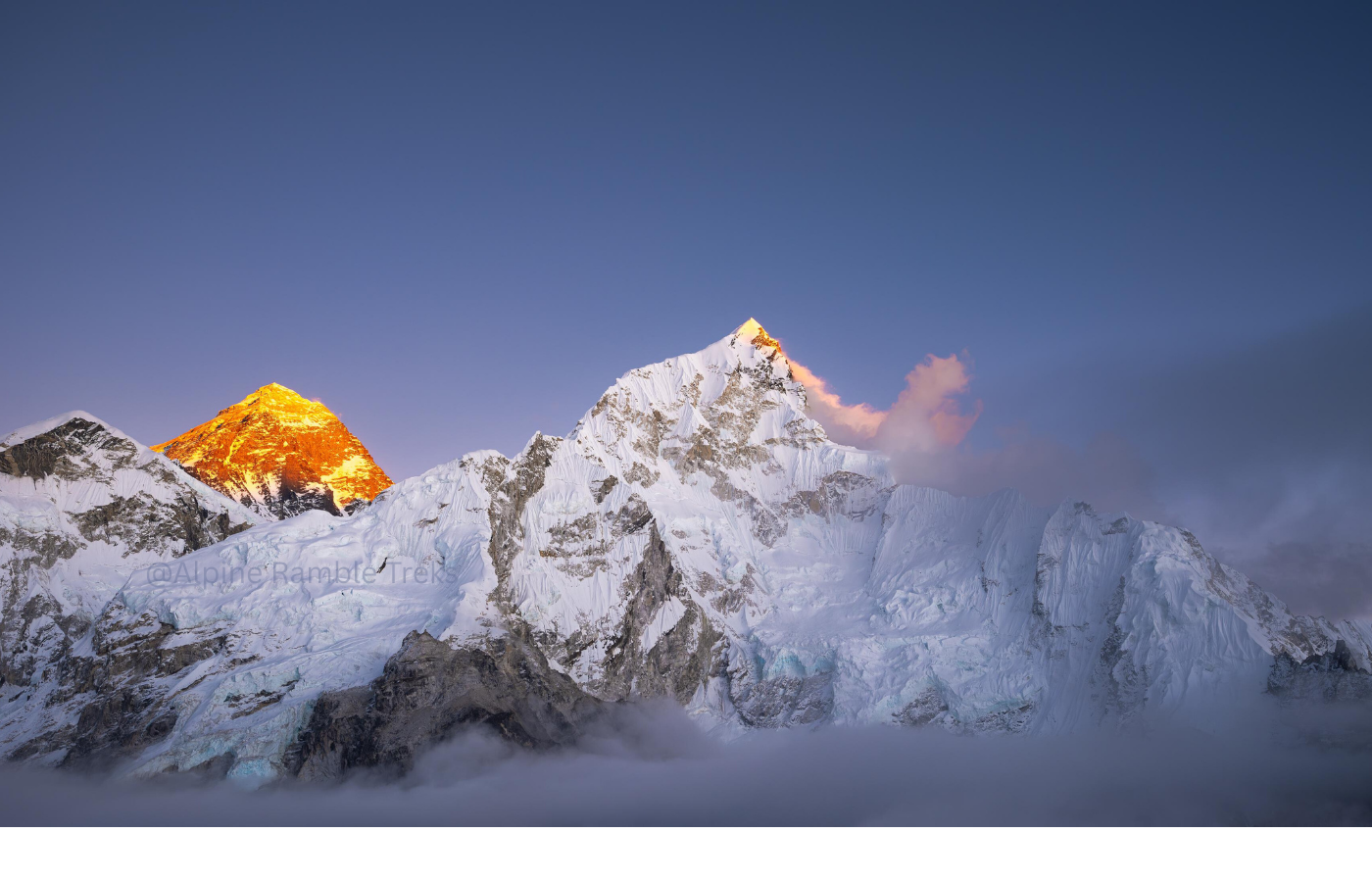
Kathmandu Valley civilization emerges as a sacred mandala, a vibrant tapestry woven with threads of time, culture, and spirituality. At dawn, as the sun ascends over the horizon, it casts a golden hue upon the ancient temples and bustling streets of Kathmandu. This illumination reveals the heart of a civilization that has thrived for over 7000 years. This valley is not merely a geographical location; it is a living museum that embodies the divine essence of Nepal, where the sacred and the mundane coexist in harmony.
Visitors to this enchanting region are greeted by a rich mosaic of art, architecture, and culinary delights. Each element reflects the valley’s storied past and its diverse communities. From the intricate woodwork of the Newar heritage artisans to the vibrant festivals that punctuate the calendar, every aspect of life here resonates with the echoes of history and spirituality.
| Temple Name | Significance |
|---|---|
| Swayambhunath (Monkey Temple) | Symbol of Buddhist harmony |
| Pashupatinath | Sacred Hindu shrine |
A Journey Through Time
The Kathmandu Valley civilization is a cradle of civilization, boasting a rich history that spans over 7000 years. This makes it one of the most significant archaeological and cultural landscapes in the world. The valley has been a focal point of human settlement since [c. 3000 BCE], flourishing under various dynasties and cultures. The ancient city of Kathmandu emerged as a vibrant trade hub, strategically located along the Silk Route, facilitating commerce and the exchange of ideas and spiritual beliefs.
As we traverse through time, the valley reveals its evolution from prehistoric settlements to a thriving urban civilization. By the medieval period, particularly during the Malla era from the 12th to the 18th centuries, the Kathmandu Valley witnessed a remarkable flowering of art, architecture, and spirituality. This period saw the construction of iconic pagoda-style temples, now UNESCO World Heritage sites, and the establishment of the Newar heritage as the primary custodians of this vibrant culture.
| Date | Event | Significance |
|---|---|---|
| [c. 3000 BCE] | Settlement of the Kathmandu Valley | Beginning of agricultural communities. |
| [c. 400 CE] | Licchavi Kingdom Established | Formation of a powerful state that promoted trade and culture. |
| [c. 1200 CE] | Malla Dynasty Ascendancy | Height of artistic and architectural development. |
As we delve deeper into the valley's past, it becomes evident that the Kathmandu Valley civilization is not merely a historical narrative but a living museum. It is a testament to the enduring spirit of its people. The rich tapestry of history is interwoven with threads of spirituality, artistry, and community that continue to thrive today. Read on to discover how the sacredness of this land manifests in its cultural practices and the lives of its people.
Sacred Geography
The Kathmandu Valley civilization represents a vital blend of spirituality and cultural heritage. Central to this is the Newar heritage, which profoundly shapes the valley's architecture, festivals, and social dynamics.
Historically linked to the Mithila Kingdom and Karnat Kingdom, the valley showcases intricate pagoda architecture, a hallmark of Nepal's historical landscape.
The Kathmandu Valley civilization is a vibrant center of life, showcasing an intricate mosaic of communities. Each group contributes uniquely to the valley's rich cultural tapestry. The Newar, recognized as the original inhabitants, have significantly shaped the valley’s history, language, and traditions. Their heritage is deeply embedded in the valley’s architecture and festivals, demonstrating a continuity that spans over 7000 years.
Alongside the Newar, the Kayastha community has made notable contributions. Known for their administrative and scholarly roles, they have preserved the ancient scripts of Nepal Bhasa, reflecting a profound connection to the region's historical narrative.
Language serves as a vital thread in the fabric of the Kathmandu Valley civilization. Nepal Bhasa, the language of the Newar people, is more than just a means of communication. It is a vessel of memory, carrying the weight of traditions, rituals, and folklore.
Through this language, the stories of the valley are passed down through generations, encapsulating the essence of Newar heritage and the broader cultural landscape of Nepal.
| Community | Contribution |
|---|---|
| Newar | Custodians of art, architecture, and festivals |
| Kayastha | Preservers of language and historical records |
The Kathmandu Valley civilization stands as a testament to the ingenuity and artistry of its people, encapsulating a historical narrative that stretches back over 7000 years. This living museum is defined by its intricate architecture, reflecting the spiritual and cultural essence of the Newar heritage. The valley's iconic structures, from towering temples to ornate palaces, are not merely edifices but sacred spaces embodying the divine presence among the populace.
Notable examples include the majestic Swayambhunath Stupa, famed for its golden spire, and the intricately carved woodwork adorning the temples of Patan. As visitors navigate through the valley, they encounter an architectural landscape that seamlessly blends Hindu and Buddhist influences, showcasing the region's rich cosmological tapestry.
The pagoda style, particularly prominent in the Kathmandu Valley civilization, originated from the influences of the ancient Mithila Kingdom. It was further refined during the Karnat Kingdom era, flourishing between the 12th and 14th centuries. The craftsmanship of these structures reflects a society deeply connected to its spiritual roots, where each carving and design element tells a story of devotion and cultural pride.
| Structure | Location | Significance |
|---|---|---|
| Swayambhunath Stupa | Kathmandu | Symbol of Buddhism, UNESCO World Heritage Site |
| Patan Durbar Square | Patan | Showcases exquisite Newar architecture |
| Bouddhanath Stupa | Kathmandu | One of the largest stupas in the world, a pilgrimage site |
The Kathmandu Valley civilization is not just a visual tapestry of temples and monuments; it is also a vibrant culinary landscape. Here, food serves as a medium of cultural expression and spiritual offering. Traditional Newar heritage cuisine, rich in flavors and history, reflects the valley's diverse heritage.
Dishes like yomari, a sweet dumpling filled with coconut and jaggery, are not merely food; they are offerings to the gods. This is especially true during festivals like Indra Jatra, which celebrates the Newar community’s deep-rooted traditions. The valley's culinary arts resonate with the spiritual ethos of its people, embodying the sacred relationship between food, ritual, and community.
| Dish | Main Ingredients | Festival Association | Spiritual Significance |
|---|---|---|---|
| Yomari | Coconut, jaggery, rice flour | Indra Jatra | Offering to gods |
| Kwati | Mixed beans, spices | Bisket Jatra | Symbol of prosperity |
| Chatamari | Rice flour, minced meat, vegetables | Various festivals | Community sharing |
| Gundruk | Fermented leafy greens | Dashain | Harvest celebration |
In the Kathmandu Valley civilization, festivals are vibrant expressions of the valley's rich cultural tapestry and spiritual essence. Celebrated throughout the year, these events unite communities to honor their deities, share traditional stories, and strengthen social bonds. One prime example is Indra Jatra, held in September, which honors the rain god Indra. This festival provides a platform for the Newar heritage to shine through processions, dances, and rituals.
Similarly, Bisket Jatra, celebrated in April, marks the New Year in the lunar calendar. It features lively chariot processions and competitive tug-of-war, reflecting the valley's agricultural roots and communal spirit.
| Festival | Date |
|---|---|
| Indra Jatra | September |
| Bisket Jatra | April |
The Kathmandu Valley civilization is not just a geographical location; it is a sacred pilgrimage site that resonates with the spiritual heartbeat of Nepal. Often referred to as Dev Bhumi, this valley embodies the harmonious coexistence of the divine and the mundane. The spiritual landscapes here are enriched by centuries of Hindu and Buddhist traditions, where every shrine, stupa, and temple serves as a testament to the valley's profound cultural and religious significance.
Among the valley's sacred geography are prominent sites such as the Pashupatinath Temple, a UNESCO World Heritage Site revered as one of the holiest Hindu temples dedicated to Lord Shiva. Another significant landmark is the Swayambhunath Stupa, also known as the Monkey Temple, which offers breathtaking views of the Kathmandu Valley while symbolizing the unity of Buddhist and Hindu beliefs. The valley is also home to the ancient city of Bhaktapur, where the 55-Window Palace and the Vatsala Temple stand as reminders of the rich Newar heritage that flourished here.
| Site Name | Significance | Elevation (m) |
|---|---|---|
| Pashupatinath Temple | Holistic Hindu shrine | [Elevation: 1350 m] |
| Swayambhunath Stupa | Symbol of unity | [Elevation: 2700 m] |
| Boudhanath Stupa | Major Buddhist pilgrimage site | [Elevation: 1340 m] |
The Kathmandu Valley civilization is a remarkable testament to over 7000 years of continuous human habitation and cultural evolution. This sacred mandala, rich in spirituality, art, and community, has seen the rise and fall of empires, each leaving a lasting impact on its landscape and society. The valley's history dates back to the early Neolithic period, where evidence of agricultural practices began to flourish, paving the way for complex societies.
The Kathmandu Valley civilization stands as a testament to the intricate dance of spirituality and daily life, where the divine intersects with the mundane. This sacred geography, revered as Dev Bhumi, is a living museum of civilization that has evolved over 7,000 years. Here, the presence of the gods is palpable, woven into the very fabric of the valley's communities and landscapes.
The Newar heritage is a continuous thread of cultural practices that honor both Hindu and Buddhist traditions. In this vibrant tapestry, rituals and festivals serve as the heartbeat of the valley, echoing the timeless connection between the divine and the human experience.
The Kathmandu Valley civilization is a cradle of rich heritage, defined not only by its stunning landscapes but also by a vibrant tapestry of languages. Among these, Nepal Bhasa, the language of the Newar heritage, plays a crucial role in preserving ancient narratives, rituals, and cultural identity. Spoken by around 1.5 million people, it embodies the essence of the Newar community, reflecting the valley's history and the spiritual dimensions of its inhabitants.
In the Kathmandu Valley, language transcends mere communication; it serves as a repository of collective memory. Ritual words and songs, often performed during festivals like Indra Jatra and Bisket Jatra, echo the past, linking present generations with their ancestors. For example, during Indra Jatra, traditional chants invoke deities, enhancing the spiritual atmosphere and reinforcing the community's connection to its divine protectors.
The valley's linguistic diversity showcases its multicultural heritage. The Brahmin and Chhetri communities predominantly speak Nepali, while the Limbu, Gurung, Tamang, and Sherpa communities contribute their own languages, each rich with stories and traditions. This multilingual landscape is integral to the valley's identity, highlighting the coexistence of various ethnic groups and their unique cultural expressions.
The importance of language in the Kathmandu Valley is underscored by ongoing efforts to preserve and promote these languages through educational initiatives and cultural programs. In a world increasingly influenced by globalization, preserving local languages like Nepal Bhasa is vital for maintaining the valley's rich heritage. This linguistic vitality enhances the cultural experience for visitors and ensures that the stories of the Kathmandu Valley civilization continue to be shared for generations.
As we explore the valley's history and traditions, we see how language acts as a bridge, connecting the past with the present. This allows the spirit of the Kathmandu Valley civilization to thrive amidst modern challenges. Read on to discover how this living museum of culture and language continues to inspire and engage.
The Kathmandu Valley civilization is more than just a backdrop for human activity; it serves as a living repository of art and craftsmanship that transcends time. For over 7,000 years, ancient skills have been preserved, creating a vibrant tapestry of culture that attracts visitors from around the globe. The valley boasts numerous traditional crafts, including intricate thangka paintings that depict Buddhist deities and narratives, reflecting the devotion of its artists.
In the heart of Kathmandu, the bustling streets of Thamel are lined with workshops where artisans, often from the Newar heritage, create exquisite wood carvings, metal statues, and pottery. Each piece tells a story rooted in the valley's rich history and spiritual beliefs. The Newar, a prominent ethnic group in the valley, are renowned for their exceptional craftsmanship, especially in architecture and sculpture.
The stunning pagoda-style temples that dominate the skyline are a testament to the architectural prowess that flourished during the reign of the Malla kings from the 12th to the 18th centuries. Visiting Bhaktapur, one of the valley's ancient cities, offers an immersive experience into this craftsmanship.
Bhaktapur's Durbar Square, a UNESCO World Heritage Site, showcases remarkable examples of wooden architecture adorned with intricate carvings. The 55-Window Palace and Vatsala Temple exemplify the exquisite artistry that epitomizes Newar heritage.
Moreover, the culinary arts in the Kathmandu Valley civilization reflect the same dedication to craftsmanship. Newari cuisine showcases rich flavors and traditions, influenced by the Mithila and Karnat Kingdoms. Key elements include unique spices, preparation methods, and cultural significance.
Each dish serves as a testament to the valley's craftsmanship and cultural history, making it a living museum of culinary art. Local comfort food such as *momo* (dumplings) and *dal bhat* (lentil soup served with rice) are prepared using age-old recipes passed down through generations, emphasizing the valley's commitment to preserving its cultural identity.
As the seasons change, so do the crafts and culinary offerings. Festivals like Bisket Jatra in Bhaktapur showcase local artisans at work, reminding us of the living museum that continues to thrive. Celebrated in April, the festival marks the Nepali New Year and is a vibrant display of Newar heritage, featuring chariot processions and traditional dances.
Through art and craftsmanship, the Kathmandu Valley civilization not only preserves its history but also invites visitors to partake in its ongoing narrative. The valley stands as a testament to the enduring spirit of its people, where every carved statue, painted thangka, and flavorful dish serves as a connection to the past, present, and future. Read on to discover how spirituality intertwines with these artistic expressions, enriching the visitor's journey.
The Kathmandu Valley civilization thrives on its intricate social fabric, woven from diverse communities that have coexisted for centuries. Central to this tapestry are the Newar heritage, the valley's original inhabitants, whose rich cultural legacy has shaped the region's identity. The Newars are renowned for their unique festivals, intricate craftwork, and culinary traditions, reflecting a harmonious blend of Hindu and Buddhist practices.
Their language, Nepal Bhasa, serves as a vessel of memory, carrying the weight of rituals and songs that echo through the ages.
In addition to the Newars, other groups such as the Brahmin, Chhetri, Kayastha, and Gurung contribute to the valley's vibrant mosaic. The Chhetri and Brahmin families, with their historical ties to governance and priesthood, share cultural connections that underscore the region's spiritual significance.
The Kayastha, known for their administrative roles, have also played a pivotal part in maintaining the valley's rich heritage. Each community brings its own traditions and languages, creating a tapestry of cultural exchange.
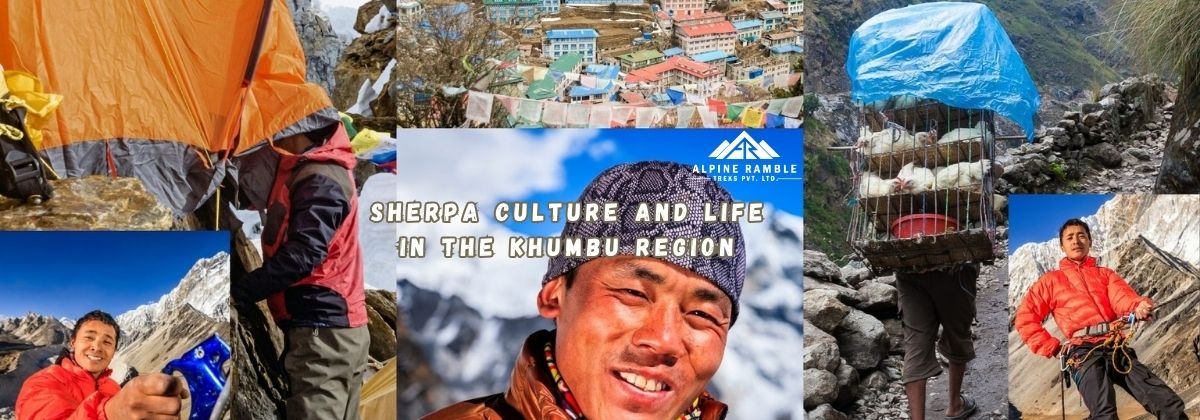
The Limbu and Tamang communities, for instance, add their unique customs and languages to the mix. Meanwhile, the Sherpa people, with their deep-rooted connection to the mountains, embody the spiritual essence of the Himalayan landscape.
This diversity is celebrated through various festivals that unite these groups, showcasing their shared values and collective identity. Festivals such as Indra Jatra and Bisket Jatra serve as living evidence of this continuity, where the valley's social fabric is on full display.
These events not only highlight the vibrant traditions of the Newar heritage but also foster communal bonds among different ethnic groups. During Indra Jatra, the streets of Kathmandu come alive with processions, music, and dance, as locals pay homage to Indra, the god of rain.
Meanwhile, Bisket Jatra in Bhaktapur celebrates the arrival of the Nepali New Year with chariot races and vibrant rituals. The Kathmandu Valley civilization stands as a testament to the resilience of its communities, where the divine and the human coexist in a living museum of culture and spirituality.
As visitors traverse this sacred mandala, they are invited to engage with the rich histories and traditions that define the valley, forging connections that transcend time and space.
The Sacred Landscape
The Kathmandu Valley civilization serves as a historical epicenter of culture and spirituality. It showcases a rich tapestry of Newar heritage, pagoda architecture, and vibrant traditions. This valley is a testament to the intricate interplay between human creativity and the divine.
This landscape is not merely geographical; it embodies the essence of life, faith, and history in the Kathmandu Valley civilization.
The Kathmandu Valley, often referred to as a living museum, is an intricate tapestry of history, spirituality, and culture that has evolved over 7000 years. This valley is not merely a geographical entity but a sacred mandala where the divine and human intersect. Each street, temple, and home is a testament to the Newar heritage, a civilization that has thrived through the centuries, preserving its unique customs and practices.
The Newar people, the valley's original inhabitants, have been custodians of its rich cultural legacy. Their language, Nepal Bhasa, is a vital thread in this historical fabric. It carries the weight of rituals, songs, and scripts that have shaped the valley's identity. As you wander through the narrow alleys of Kathmandu, Patan, and Bhaktapur, you can feel the echoes of a vibrant past in every corner.
Historically, the Kathmandu Valley has been a crossroads of trade and spirituality. From the early settlements in the Licchavi period [c. 400 CE], through the flourishing of the Malla Kingdom [c. 1200-1769 CE], to its current status as a UNESCO World Heritage site, the valley has continuously adapted while holding onto its sacred traditions. The architecture of pagodas, influenced by the Karnat Kingdom, reflects the valley's cosmopolitan nature, merging various artistic styles into a harmonious whole.
In the present day, the valley remains a hub of artistic expression and spiritual devotion. The festivals celebrated here, such as Indra Jatra and Bisket Jatra, serve as vibrant reminders of this continuity. During Indra Jatra, the Newar community honors the rain god Indra, showcasing traditional dances and rituals that connect them to their ancestors and deities.
As the sun sets over the valley, casting a golden hue on the ancient temples, it becomes clear that the Kathmandu Valley is not just a destination; it is a living heritage that invites visitors to engage deeply with its history and spirituality. Read on to discover how the valley's rich traditions and modern expressions coexist in this extraordinary place.
Nepal, the Dev Bhumi, stands as a testament to the sacred connection between heaven and earth, particularly within the Kathmandu Valley. This valley, revered as a living mandala of civilization, embodies a rich interplay between divine presence and human existence. Each ancient stone and vibrant festival reflects a continuity that spans over 7000 years, showcasing a cultural tapestry woven by the hands of the Newar, Brahmin, Chhetri, and many other communities.
The Kathmandu Valley civilization is not merely a backdrop for tourism; it is a living museum where every corner invites exploration. From the intricately carved pagoda architecture of Patan to the bustling streets of Bhaktapur, visitors can engage with a heritage that is not just observed but experienced. Each festival, such as Indra Jatra and Bisket Jatra, serves as a reminder of the valley's enduring traditions, binding the past with the present.
As travelers embark on their journey through this sacred landscape, they are invited to witness the artistry of its architecture, savor the flavors of its culinary traditions, and immerse themselves in the spirituality that permeates the air. The Kathmandu Valley is indeed a living heaven, where the divine has chosen to dwell among humanity. Here, every step reveals the profound beauty and enduring significance of a civilization that embraces both its history and its future.
Our content is based on reliable, verified sources including government data, academic research, and expert insights. We also reference reputable publishers and primary sources where appropriate. Learn more about our standards in our editorial policy.
No sources listed for this article yet.
ART Experience Reviews
Add media, drop your rating, and write a few words. Submissions go to the Review Manager for approval.
More reading selected from the same theme.
%22%2F%3E%3Cpath%20d%3D%22M0%20620c140-120%20260-180%20360-180s220%2060%20360%20180%20260%20180%20480%20180V800H0z%22%20fill%3D%22%23bfdbfe%22%2F%3E%3Ccircle%20cx%3D%22980%22%20cy%3D%22170%22%20r%3D%2272%22%20fill%3D%22%2393c5fd%22%2F%3E%3C%2Fsvg%3E)