Travel
The Himalayan Throne: Peaks as Deities in Nepal
Discover the sacredness of Nepal's Himalayan peaks, where mountains are revered as deities, and trekking becomes a pilgrimage through a land rich in culture and spirituality.
Alpine Ramble
The journey to Besisahar begins with anticipation and excitement. As you approach this gateway to the Himalayas, the last stretch of road transforms into a winding path that dances along the banks of the Marshyangdi River. Dust swirls around you, a reminder of the rugged terrain that characterizes Nepal's mountainous regions. With each bend in the road, the air shifts, carrying the scent of pine and fresh earth, hinting at the adventures that lie ahead.
| Tip | Details |
|---|---|
| Best Time to Visit | October to November for clear skies and moderate temperatures. |
| Local Cuisine | Don’t miss trying local dishes at BhetGhat Taas Restaurant. |
As you approach Besisahar, the cacophony of engines and the dust of the roads fade into a serene quiet. The journey to this gateway town, which serves as the starting point for many treks into the Annapurna region, begins with anticipation and excitement. After hours of travel, the air shifts, and the sounds of nature take over.
| Type of Sound | Source | Effect |
|---|---|---|
| Water Flow | Marshyangdi River | Creates a soothing ambiance |
| Footsteps | Travelers | Encourages mindfulness and presence |
| Local Conversations | Tea Shops | Fosters a sense of community |
This moment of stillness is crucial, as it symbolizes the transition from the chaos of urban life to the tranquil embrace of the Himalayas. Many travelers may not capture this moment in photographs, but it is etched in their memories, a reminder of the beauty found in silence and presence.
As you breathe in the crisp mountain air, you realize that reaching Besisahar is not merely about arriving; it is about preparing your mind and spirit for the journey ahead. Read on to discover the emotional and mental reset that awaits you in this town.
The journey to Besisahar begins with anticipation and excitement. As you approach this bustling town in Lamjung District, the landscape shifts dramatically, and with it, so does your role. No longer just a traveler, you find yourself on the cusp of becoming a walker, ready to embrace the Himalayan adventure that lies ahead.
| Feature | Description | Significance | Nearby Attractions |
|---|---|---|---|
| Altitude | 760 meters | Gateway to higher trails | Ghale Gaun, Purankot View Point |
| Accessibility | Bus routes from Kathmandu | Connects to major trekking paths | Nadi Jharna, Bhujung Village |
| Local Culture | Rich traditions in hospitality | Engagement with local communities | BhetGhat Taas Restaurant |
| Historical Role | Long-standing trade route | Connector of Lamjung's heritage | Lamjung Durbar |
As the sun sets over Besisahar, you begin to understand that reaching this town is not merely about the physical journey. It’s about alignment—mind, body, and intent. This transition prepares you for the road ahead, where every step becomes a part of your evolving story. Read on to discover how the landscape and people of Besisahar shape your adventure.
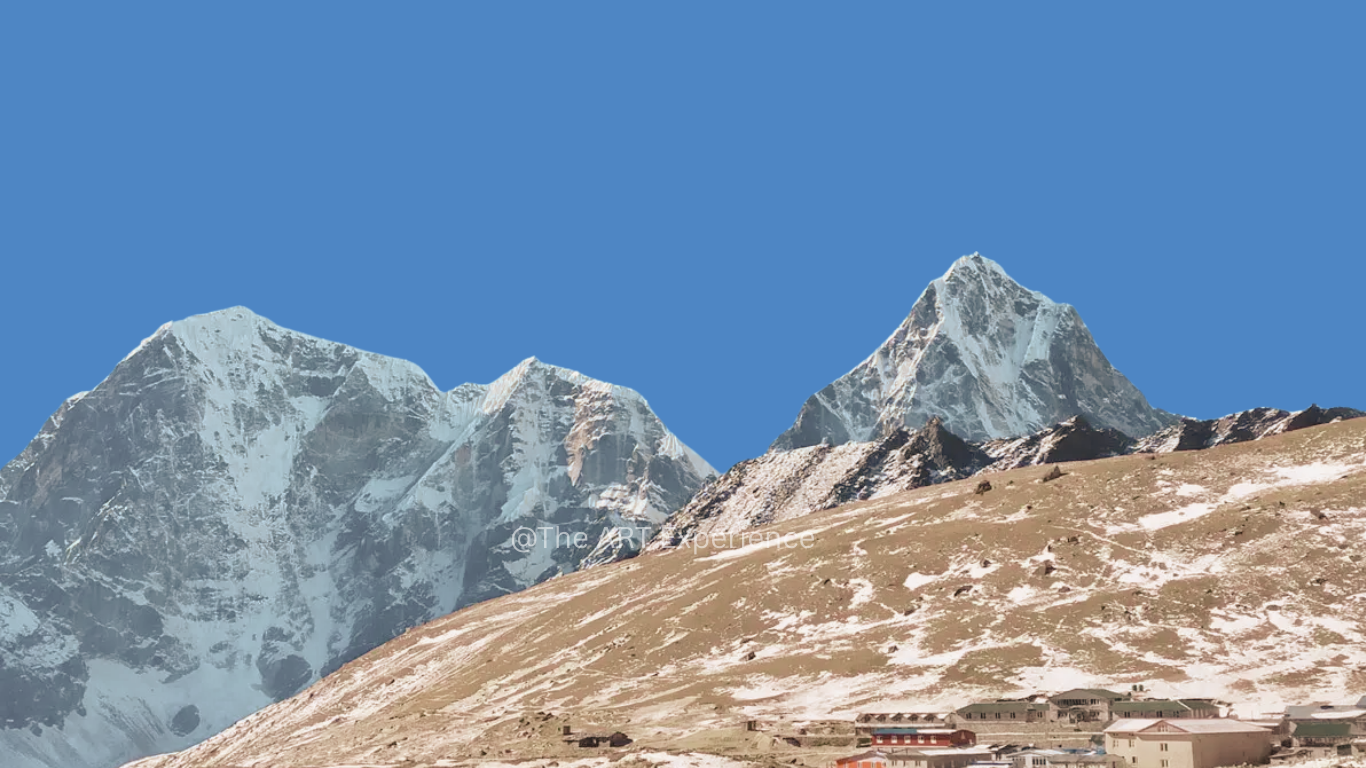
The Marshyangdi River flows steadily, a silent observer of the journeys unfolding around it. As you approach Besisahar, the landscape transforms into a canvas of gentle hills and winding rivers, inviting reflection and grounding. In this serene setting, anticipation shifts into a deeper awareness of both the physical and emotional terrain ahead.
| **Feature** | **Significance** |
|---|---|
| Marshyangdi River | Represents the heart of Besisahar, connecting it to the larger Himalayan ecosystem. |
| Surrounding Hills | Offer a protective embrace, fostering a sense of belonging and introspection. |
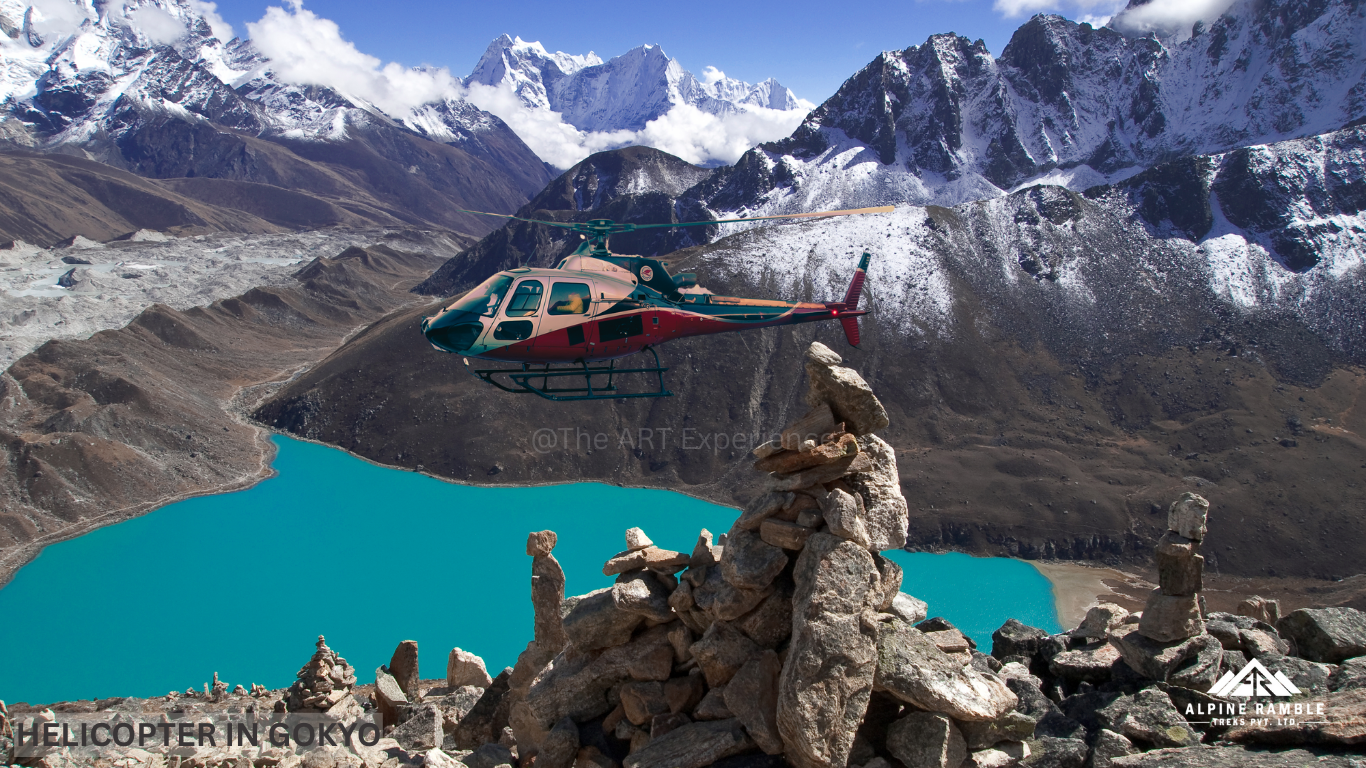
The journey to Besisahar is enriched by the warm interactions with locals. Here, the pace of life slows, allowing for genuine connections. Tea shops buzz with life, and conversations unfold naturally, creating a tapestry of human experience that travelers often cherish.
| Location | Description | Must-Try |
|---|---|---|
| BhetGhat Taas Restaurant | A favorite for its local dishes and cozy atmosphere. | Mutton Taas, Momo, Tradistional Newari |
| Lamjung Durbar | Historical site that reflects the region's rich heritage. | Local Sweets |
| Bhujung Village | A nearby village known for its stunning views and cultural depth. | Traditional Local |
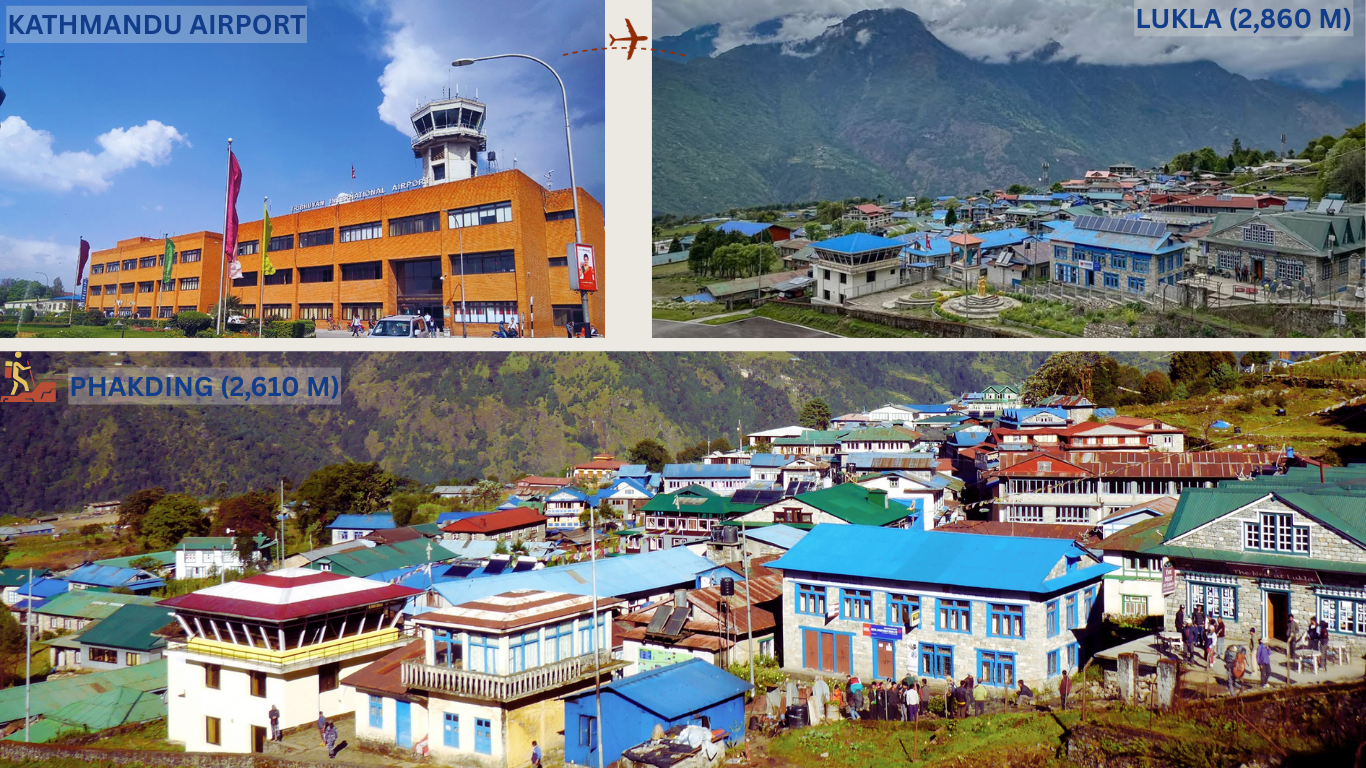
In Besisahar, the understanding of its surroundings is palpable. This town, nestled in the Lamjung District, serves as a gateway to the Annapurna Circuit, yet it embraces its role without glorifying the towering peaks that loom nearby. The air carries a sense of reverence, as if the mountains themselves are respected companions rather than mere spectacles.
| Aspect | Understanding | Community Role | Visitor Experience |
|---|---|---|---|
| Elevation | Preparation for altitude | Guiding travelers' acclimatization | Heightened awareness of surroundings |
| Culture | Integration of mountains in daily life | Preserving traditions related to nature | Connection to local heritage |
| Conservation | Efforts toward sustainability | Community-led initiatives | Encouragement of responsible tourism |
| Respect | Viewing mountains as companions | Instilling a sense of reverence | Inspiration for personal reflection |
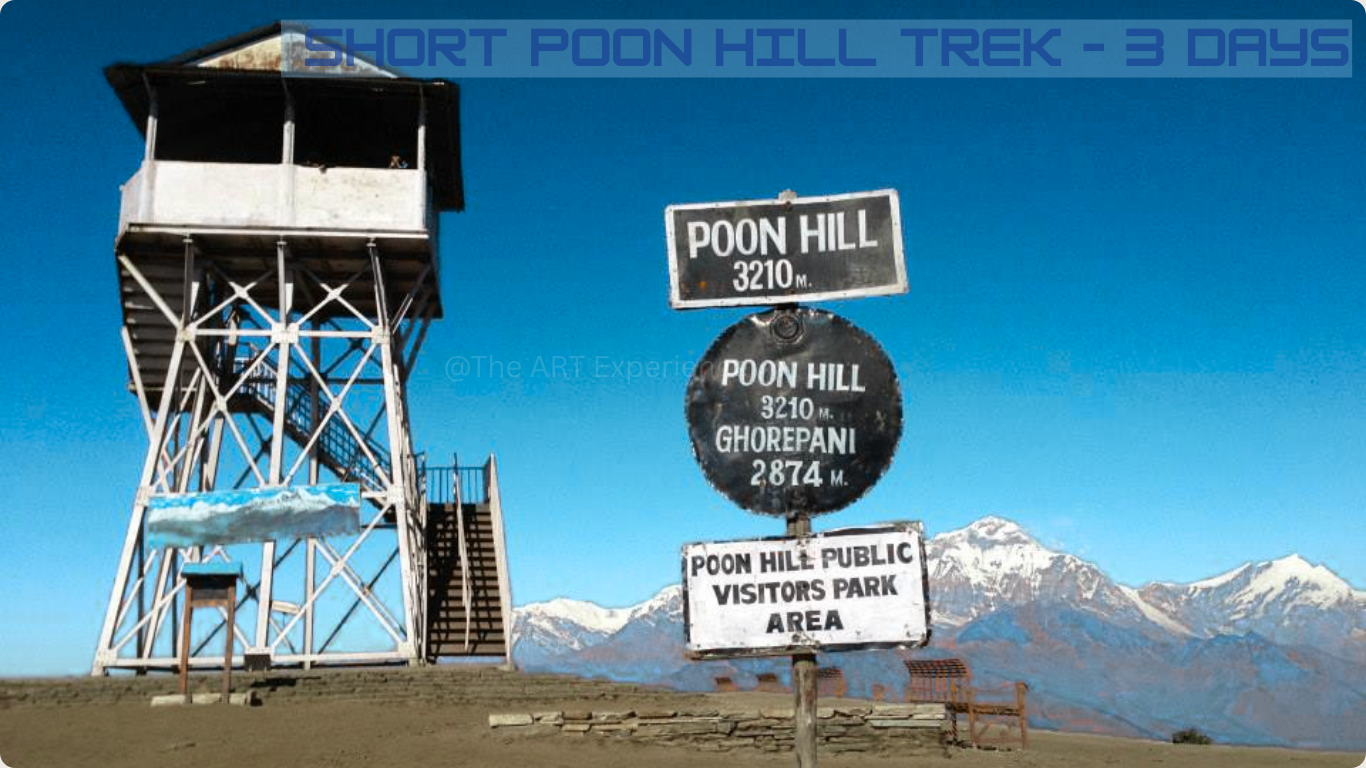
The journey to Besisahar is not just a physical transition; it is a mental one. As you leave the bustling streets of Kathmandu behind, the urgency of city life gradually dissipates, replaced by a calmness that envelops you. This is where the real adventure begins, as Besisahar prepares your mind for what lies ahead in the majestic Himalayas.
| Aspect | Impact |
|---|---|
| Reduction of Stress | Travelers report feeling lighter and more focused. |
| Connection with Nature | The surrounding landscapes foster a sense of peace and belonging. |
This subtle transformation is essential for any serious trekker. It prepares you for the challenges and beauty that await in the Annapurna region. As you breathe in the fresh mountain air, you may find that this moment of pause is exactly what you needed. So, how does Besisahar prepare your mind for the journey ahead? Read on to discover…
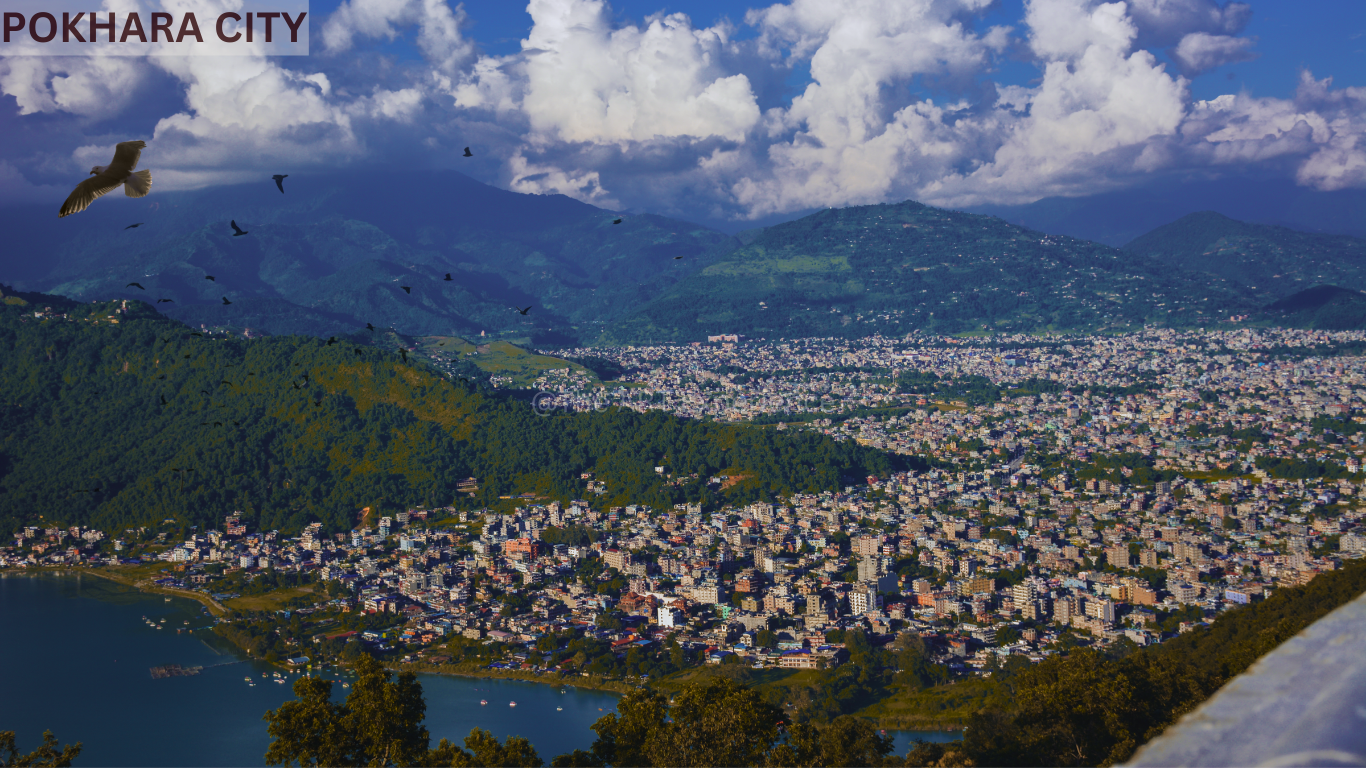
Besisahar, the gateway to the Annapurna Circuit, is steeped in history, serving as a vital connector in the region for centuries. This town has witnessed the ebb and flow of trade, migration, and cultural exchange, particularly through the Lamjung district, which has shaped its identity and importance in Nepal.
| Period | Trade Routes | Key Influences |
|---|---|---|
| Ancient | Kathmandu to Pokhara | Hindu and Buddhist Pilgrimage |
| Medieval | Silk Route Variants | Trade with Tibet |
| Modern | Access to Annapurna Circuit | Tourism and Local Economy |
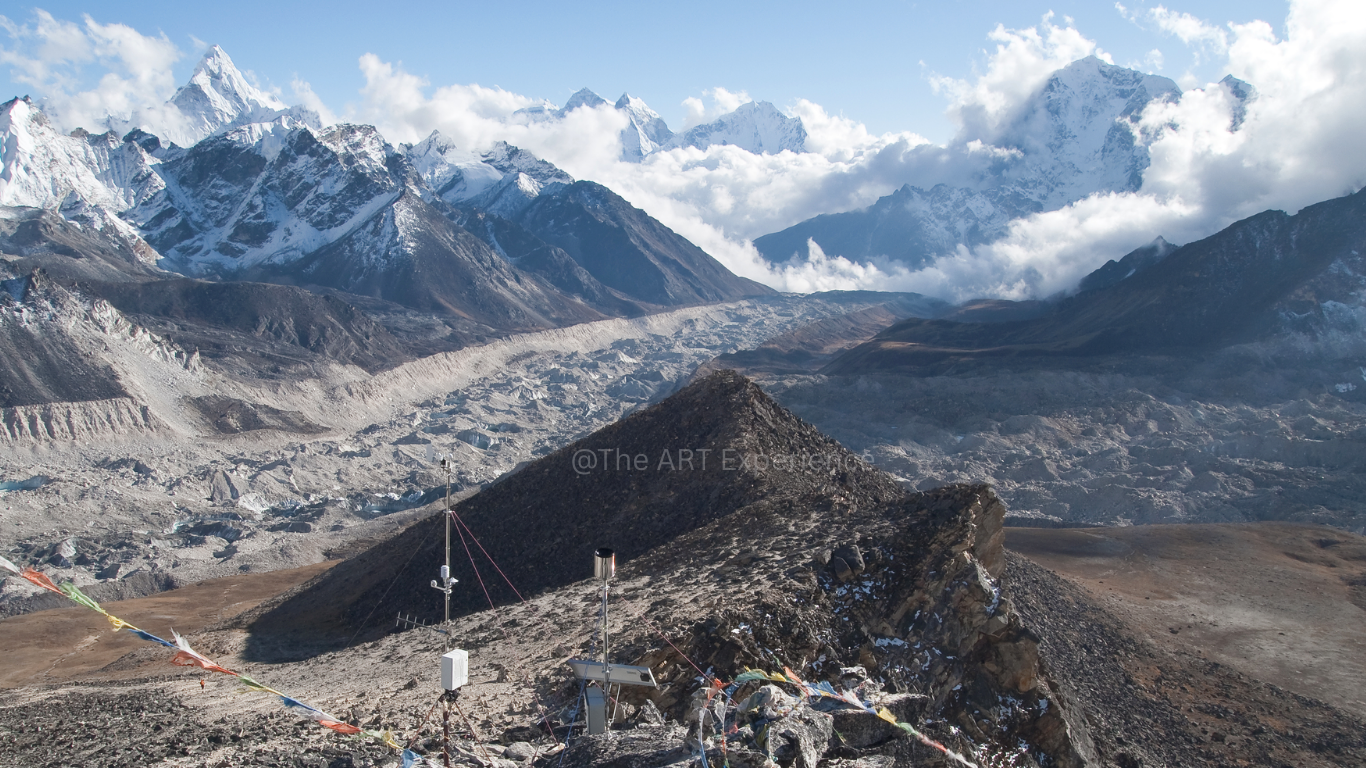
The journey to Besisahar culminates in a serene evening, where the hustle of the day gives way to a gentle calm. As dusk settles over this gateway to the Himalayas, the dim lights from tea shops and lodges flicker like stars, inviting weary travelers to pause and reflect.
| Restaurant | Cuisine | Specialty | Location |
|---|---|---|---|
| BhetGhat Taas Restaurant | Local Nepali | Grilled Fish | Bhimsensthan Temple |
| Ghale Gaun Lodge | Traditional | Dal Bhat | Ghale Gaun |
| Nadi Jharna Cafe | Continental | Homemade Pastries | Lamjung Durbar |
| Purankot View Point Eatery | Local | Vegetable Thukpa | Purankot View Point |
As the sun dips below the horizon, the town exhales, and sleep here feels deeper than expected. This is a place that prepares your mind for the journey ahead, offering a quiet confidence that resonates long after you leave.
Why does sleep here feel deeper? Read on to discover…
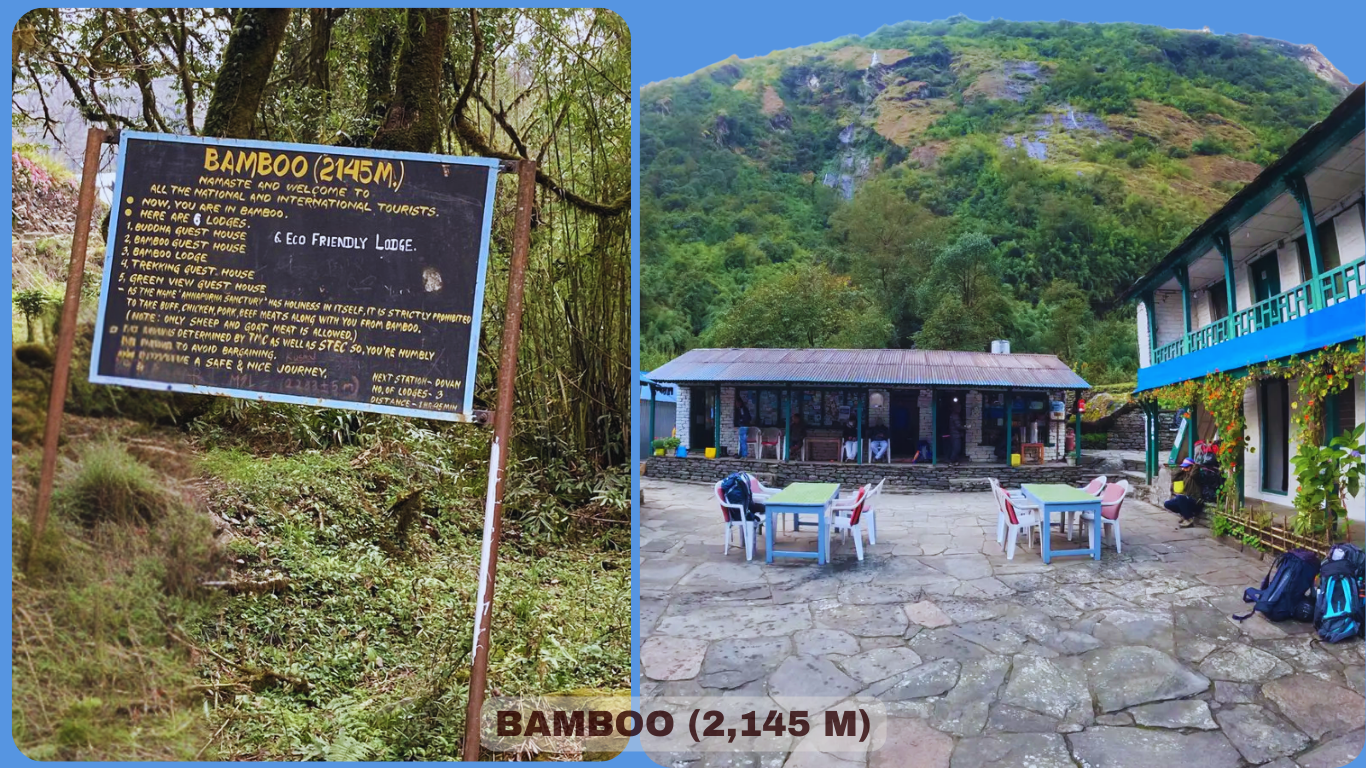
Waking up in Besisahar, nestled in the Lamjung district of Nepal, brings a palpable shift in energy. The excitement of reaching this gateway to the Himalayas evolves into a deeper sense of readiness. Here, the air is filled with the promise of the adventures that lie ahead, yet the anticipation feels different.
| Feeling | Description |
|---|---|
| Calm | The quietude of the town offers a moment to reflect before embarking on the trek. |
| Preparedness | A sense of alignment between mind and body, ready to tackle the challenges of the Himalayas. |
This morning in Besisahar signifies more than just another day; it marks a pivotal moment in your journey. The town, often overlooked in favor of grander destinations, leaves a lasting impression that resonates long after departure. What changes when you wake up in Besisahar? The answer lies in the subtle shift from mere traveler to an eager explorer, ready to embrace the unknown.
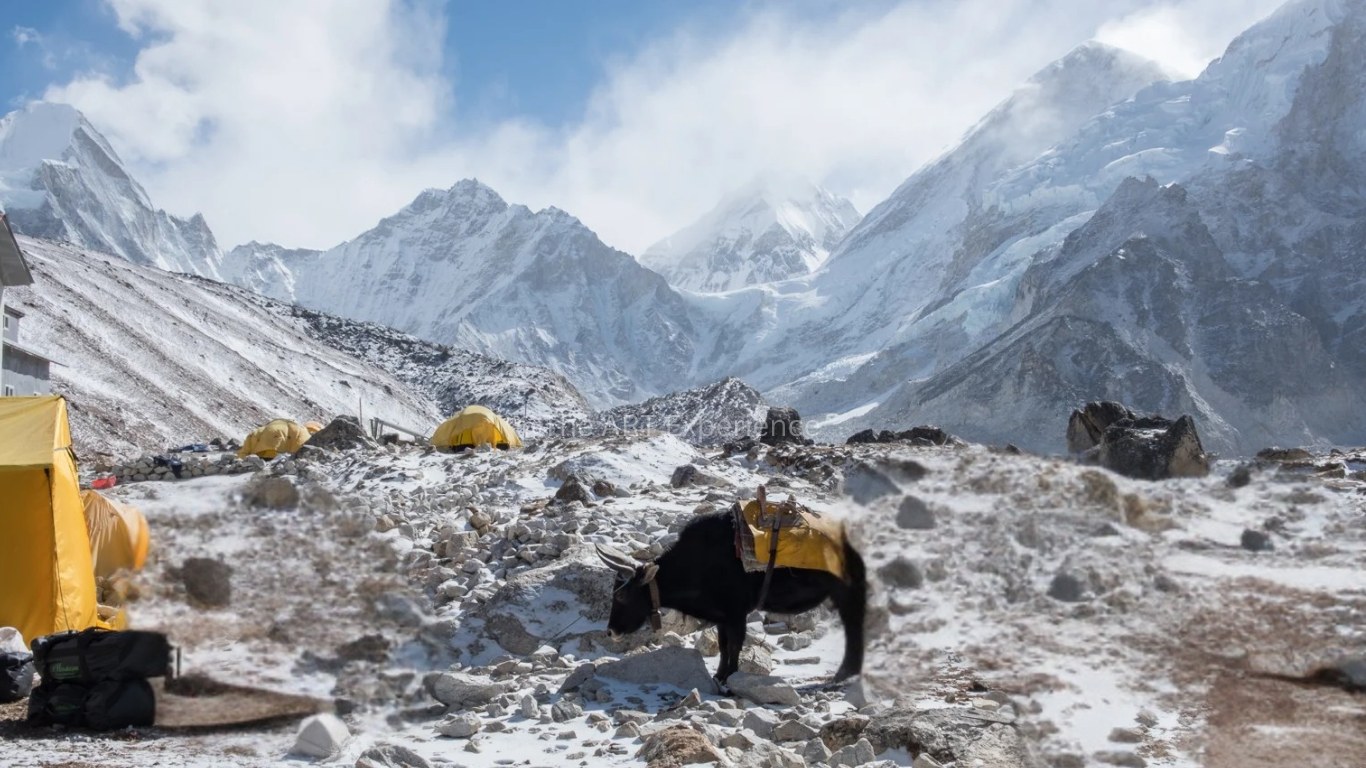
Many towns are passed through; few are remembered. Besisahar stands out as a psychological landmark, a place that resonates deeply with those who visit. This small town in Nepal, situated at the gateway to the Annapurna Circuit, teaches us about beginnings in a world often obsessed with endings.
As you reflect on your time in Besisahar, consider how it has shifted your perspective. The quiet confidence and readiness you gain here stay with you long after you've departed.
What makes a place unforgettable? Read on to discover the nuances of Besisahar's charm.
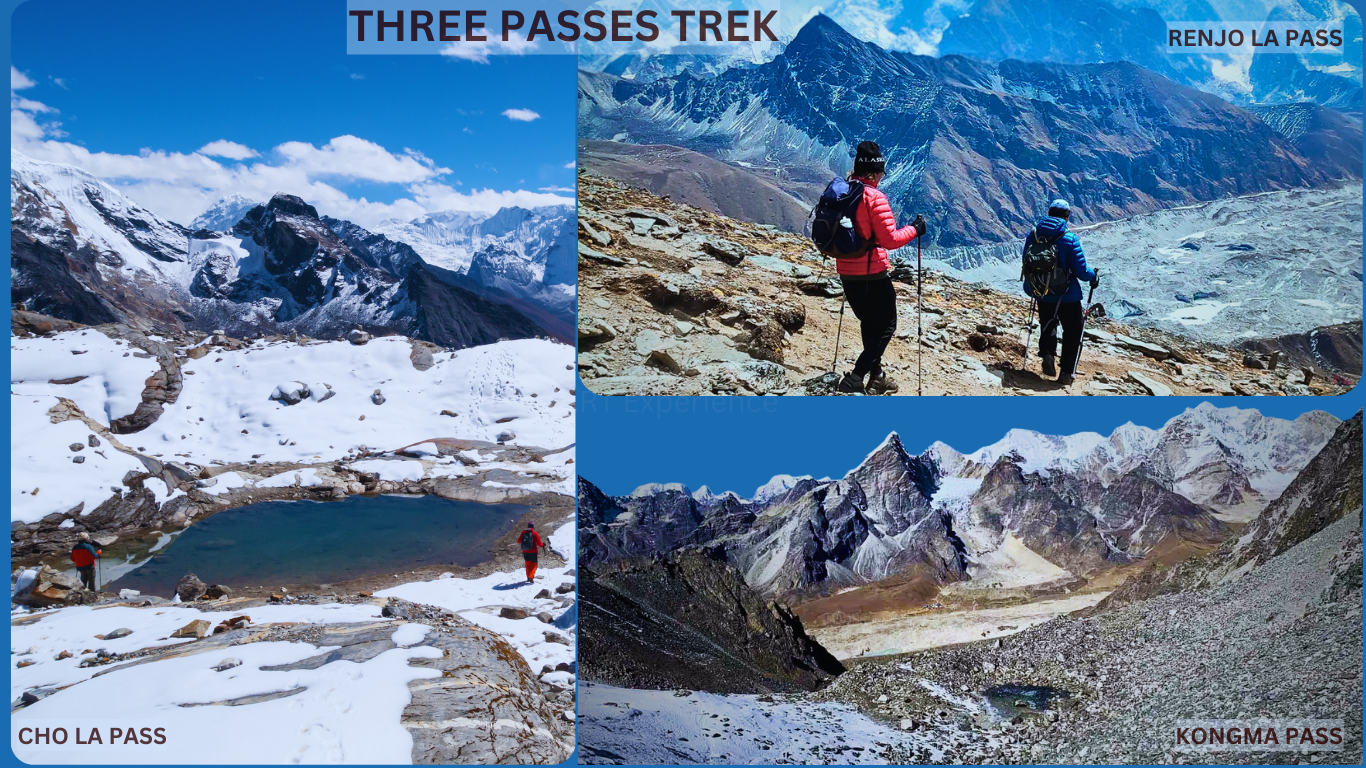
Reaching Besisahar is not merely about crossing a geographical threshold; it is a profound alignment of mind, body, and spirit. Nestled in the Lamjung district of Nepal, this town serves as a gateway to the majestic Annapurna Circuit, where the journey begins to feel as significant as the destination itself. After the dust of the road and the bends of the Marshyangdi River, the moment of arrival brings with it a quiet realization that this is more than just a stop along the way.
As you prepare for the trails that lead to breathtaking vistas and cultural encounters, remember that reaching Besisahar is about more than arrival; it’s about setting the stage for what lies ahead. Read on to discover how the journey continues to unfold.
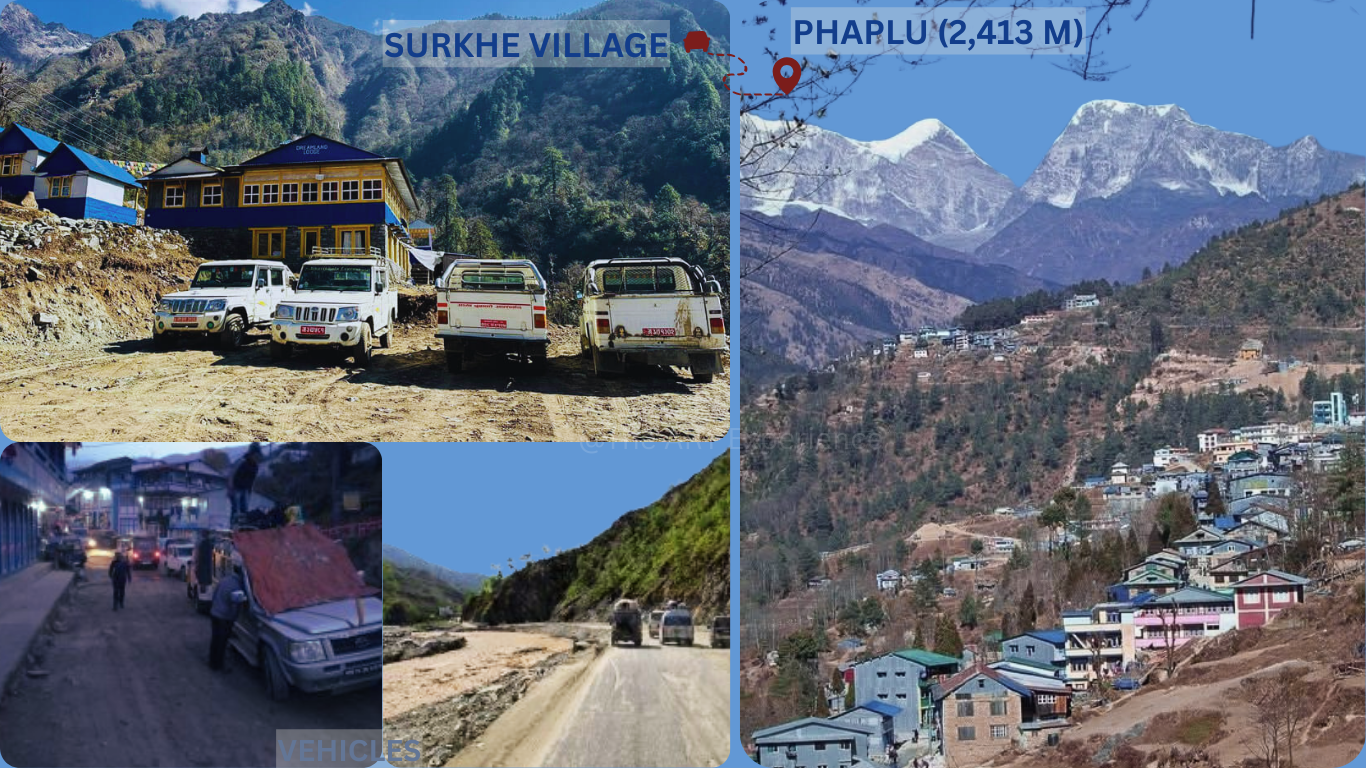
As you approach Besisahar, nestled in the Lamjung district of Nepal, your senses heighten. The winding roads, flanked by the Marshyangdi River, echo the anticipation of what lies ahead. The dust from the road clings to your skin, and the air shifts from urban to the crispness of the Himalayas. This transition isn’t just physical; it’s deeply emotional. Besisahar, often overlooked, feels like a hard-earned reward, a place where the journey truly begins.
Upon arrival, the sensation is palpable. Time seems to slow, and the cacophony of engines gives way to the gentle sounds of flowing water and distant conversations. Travelers often find themselves reflecting on this moment, one that remains vivid in memory rather than captured through a lens.
As the sun sets, Besisahar exhales, offering a quiet respite before the demanding trails of the Annapurna Circuit. It’s in this stillness that one begins to understand the significance of this town, a place that bridges the urban hustle of Kathmandu and the serene beauty of the Himalayas. Read on to discover how Besisahar prepares you for the journey ahead.
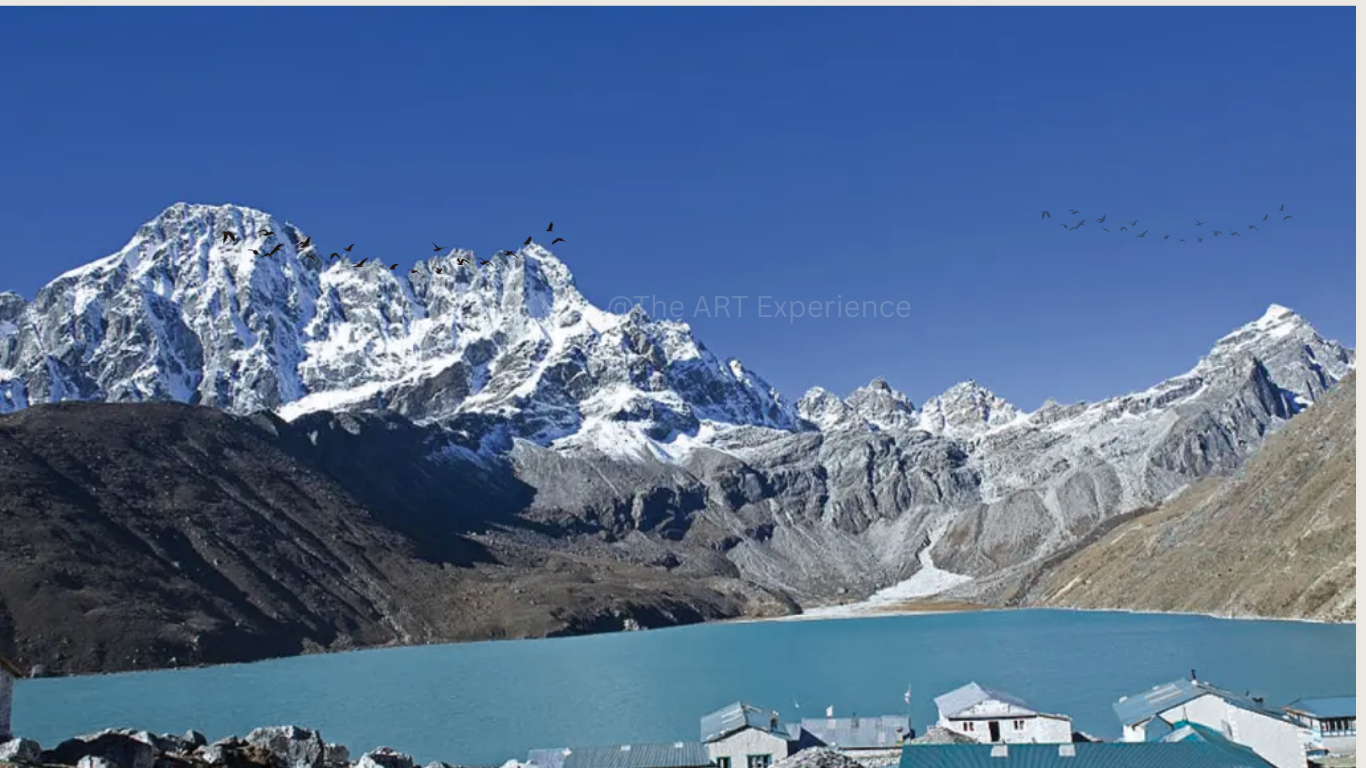
The journey to Besisahar begins with anticipation and excitement. As travelers navigate the winding roads through Lamjung, the excitement builds with every river bend and dust cloud. The final stretch is more than a mere approach; it is a rite of passage, a prelude to the adventures that lie ahead. The moment you glimpse the sign for Besisahar, a sense of accomplishment washes over you, as if you have earned this arrival.
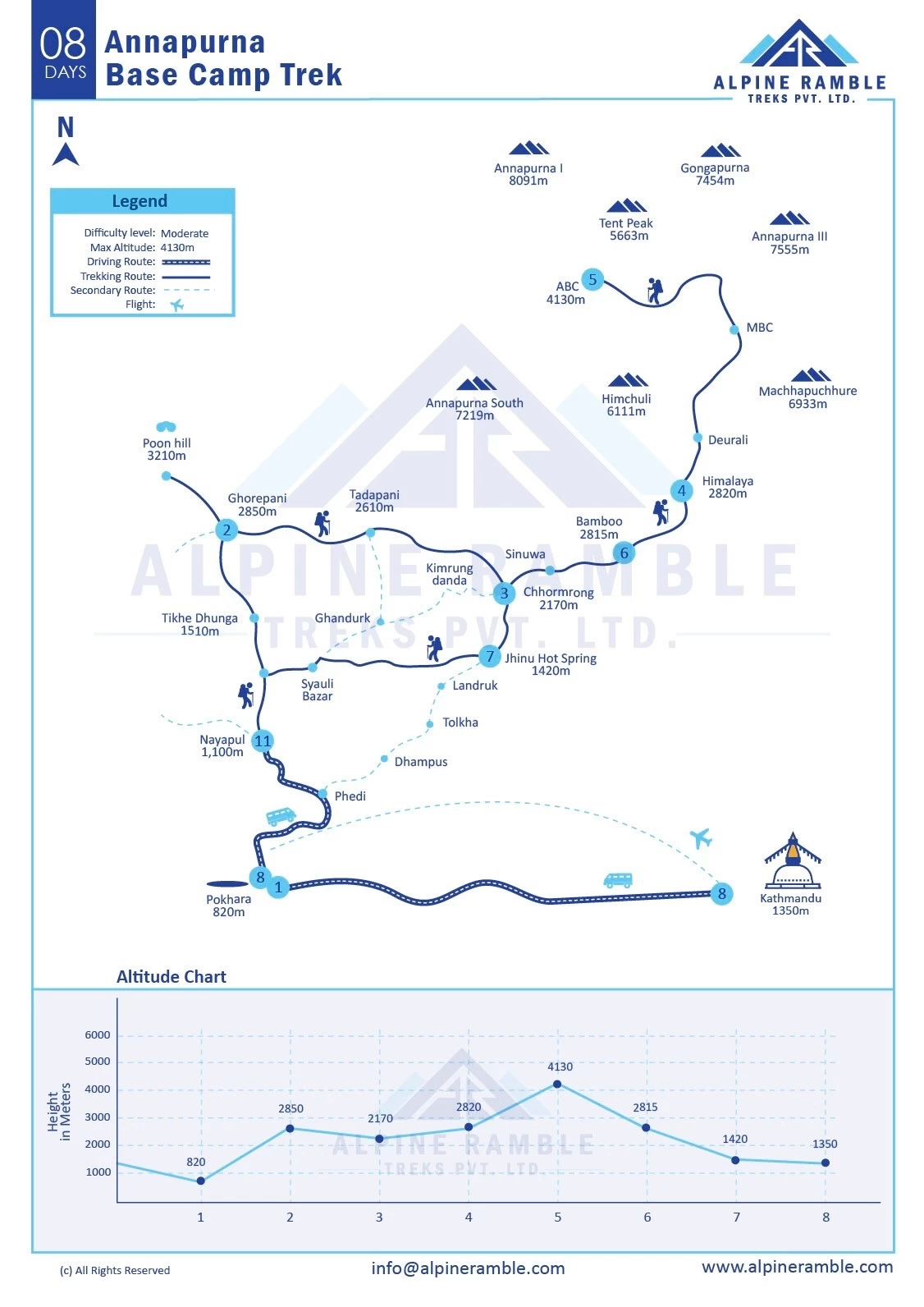
The journey to Besisahar begins with anticipation and excitement. As travelers navigate the winding roads of Lamjung District, the landscape shifts dramatically, with the Marshyangdi River flowing alongside, a constant companion in the final approach. Each bend in the road brings a new view, a fresh breath of the crisp mountain air, heightening the sense of adventure.
Travelers experience a profound shift as they arrive in this unique town. The moment the sign for Besisahar appears, there is a palpable change in energy. It feels as if they have crossed an invisible threshold into a realm where time slows down, inviting introspection and connection with the surroundings.
As the evening descends, the town exhales, offering a sense of calm and readiness. This initial experience in Besisahar is not merely about reaching a destination; it is about aligning mind, body, and intent for the adventure that lies ahead. Read on to discover how this town shapes the journeys of countless adventurers.
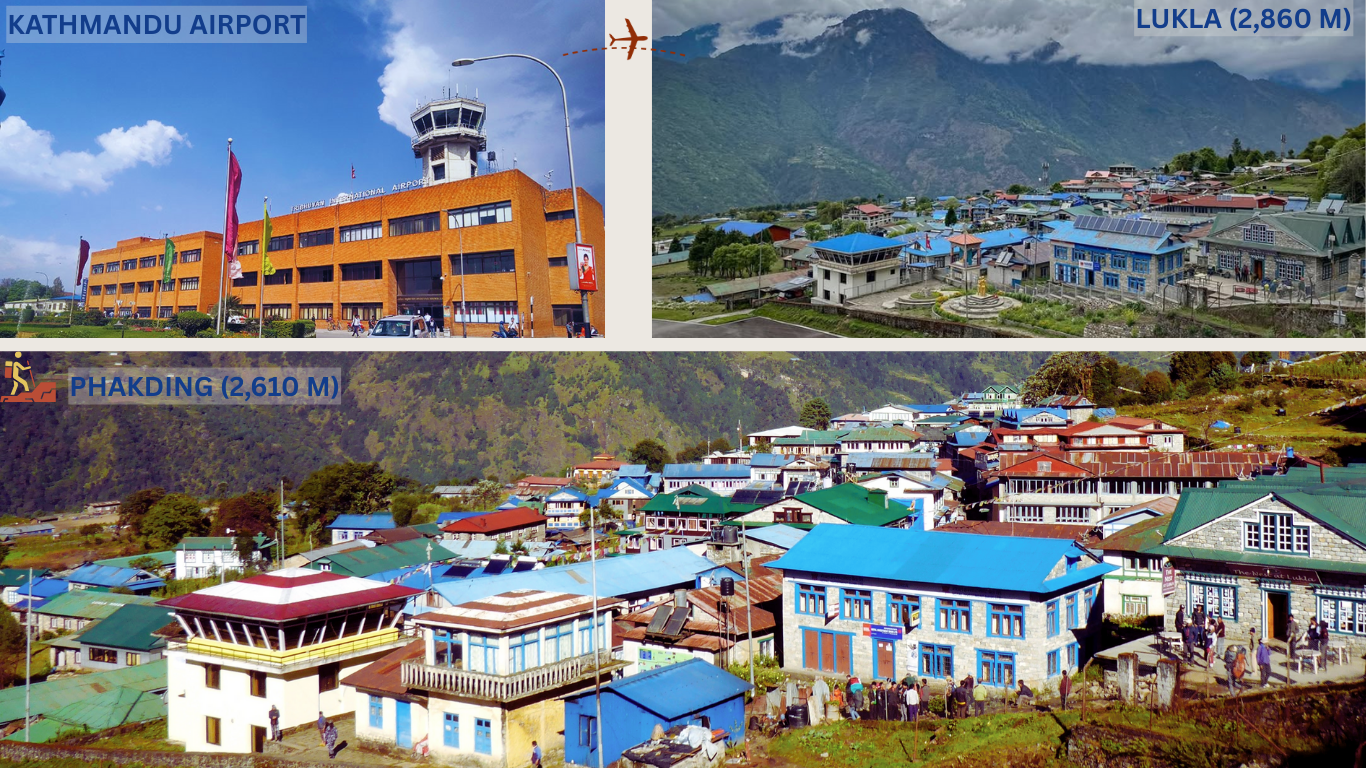
The journey to Besisahar begins with anticipation and excitement. As travelers approach this pivotal town, they are enveloped by the changing landscape of Lamjung, where the air becomes fresher and the vibrant sounds of nature take over from the noise of engines. This is a place where the last stretch of road feels like a rite of passage, each dust-covered bend leading to a deeper sense of purpose.
Upon arrival, travelers experience a profound shift. The stillness after motion is palpable, as time slows and the cacophony of the outside world fades. The sounds of the Marshyangdi River, the gentle footsteps of locals, and the distant chatter create a symphony that resonates within. It’s a moment few think to capture on camera, yet it etches itself into memory.
Besisahar serves as a threshold, not merely a destination. This town has quietly shaped thousands of Himalayan journeys, transforming travelers into walkers. The emotional transition is significant; it marks the beginning of a deeper connection with the land and its people.
As night falls, Besisahar exhales. The dim lights and quiet meals create an atmosphere of tranquility, allowing for a deeper sleep, as if the town itself cradles you in preparation for the demanding journey ahead. In the morning, a realization dawns: something has shifted. It's not excitement you feel, but a readiness that empowers you.
Ultimately, reaching Besisahar is about alignment—mind, body, and intent. The town teaches that every serious journey deserves such a beginning, creating a psychological landmark that stays with you long after you leave. What can travelers learn from the community? Read on to discover the wisdom embedded in the local culture.
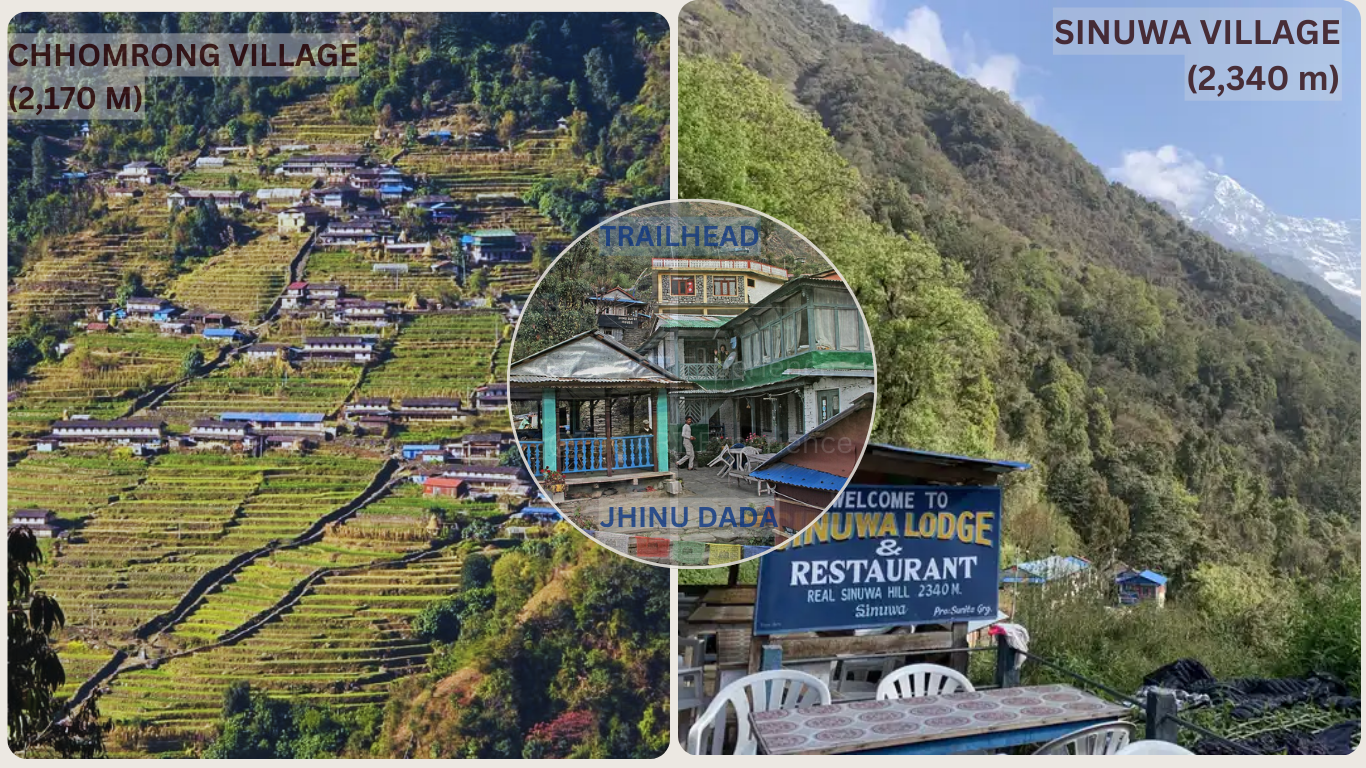
The journey to Besisahar begins with anticipation and excitement. As you navigate the winding roads from Kathmandu to Lamjung, the landscape transforms, revealing lush hills and the meandering Marshyangdi River. This area, known for its natural beauty, serves as a backdrop for countless trekkers heading towards the Annapurna Circuit.
Upon arrival, travelers experience a profound shift as they enter this unique town. The sudden slowing of time after hours of travel is palpable. Sounds that replace engines—water rushing, footsteps echoing, and distant voices—create a symphony of stillness. These moments, often overlooked in photographs, become etched in memory.
Besisahar is not merely a destination; it represents a threshold, a gateway to the majestic Himalayas. Here, the emotional shift occurs from being a 'traveler' to becoming a 'walker.' This small town has quietly shaped thousands of Himalayan journeys, with its humble lodges and tea shops offering a warm welcome.
The Marshyangdi, steady and indifferent to human plans, flows alongside Besisahar, reminding visitors of nature's grounding presence. The hills surrounding the town observe rather than dominate, creating a landscape that feels both calming and inspiring.
As night falls, the town exhales, providing a unique sense of peace that prepares the mind and body for the adventures ahead. In this quiet setting, sleep feels deeper than expected, allowing travelers to awaken ready for what lies beyond. How does nature shape our experiences? In Besisahar, it offers a gentle reminder of the journey yet to come.
Read on to discover how this town sets the stage for new beginnings in the heart of the Himalayas.
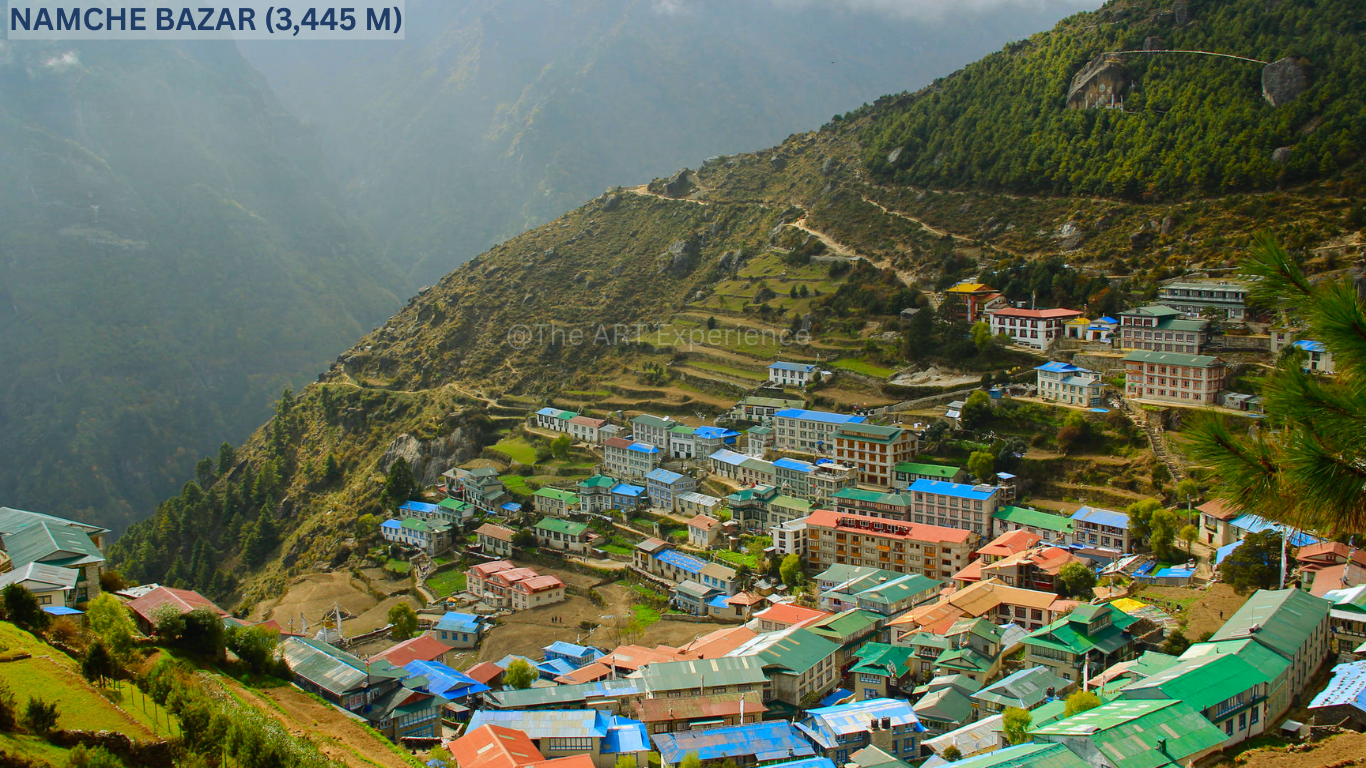
The journey to Besisahar begins with anticipation and excitement. As travelers navigate the winding roads of Lamjung, the dust swirls around them, and the Marshyangdi River dances alongside, its waters a constant reminder of the life that pulses through this region. The air shifts subtly, infused with the scent of earth and the promise of adventure. Long before the signboard of Besisahar appears, a sense of belonging starts to take root. This town feels earned, a reward for the hours spent on the road from Kathmandu or Pokhara.
As vehicles slow down and the noise of engines fades, a new rhythm emerges. The first sensation of arrival is the stillness that envelops you, a stark contrast to the hustle of previous travels. Sounds of water flowing, footsteps on gravel, and distant conversations replace the clamor of the city. This moment, often overlooked and seldom photographed, lingers in memory, marking the transition from traveler to walker.
Besisahar is not just a destination; it is a threshold. Here, the emotional shift is palpable—travelers become part of a larger narrative as they prepare for their Himalayan journeys. The town has quietly shaped thousands of adventures, serving as a gateway to the Annapurna Circuit and beyond.
In this place, the landscape speaks softly. The hills surrounding Besisahar do not dominate the skyline; instead, they observe, offering a grounding presence that encourages reflection. The Marshyangdi flows steadily, indifferent to human plans, reminding visitors of nature’s unyielding rhythm.
As night falls, the town exhales. Dim lights flicker on, and the atmosphere shifts to one of quiet camaraderie. Early evenings spent in simple meals carry a sense of comfort, preparing you for the demanding journeys ahead. Sleep here feels deeper, as if the town itself cradles you in its embrace.
Waking up in Besisahar brings a realization that something has shifted within you. It’s not excitement but a sense of readiness, an understated confidence that prepares you to face the path ahead. Many towns are passed through, yet few remain etched in memory like Besisahar—a psychological landmark in the hearts of those who journey through it.
Reaching Besisahar is not merely about arrival; it is about alignment—mind, body, and intent. It teaches us about beginnings in a world often obsessed with endings. As you reflect on this, consider what unspoken bond exists here between the town and its visitors.
Read on to discover more about the unique experiences that await in this remarkable town.
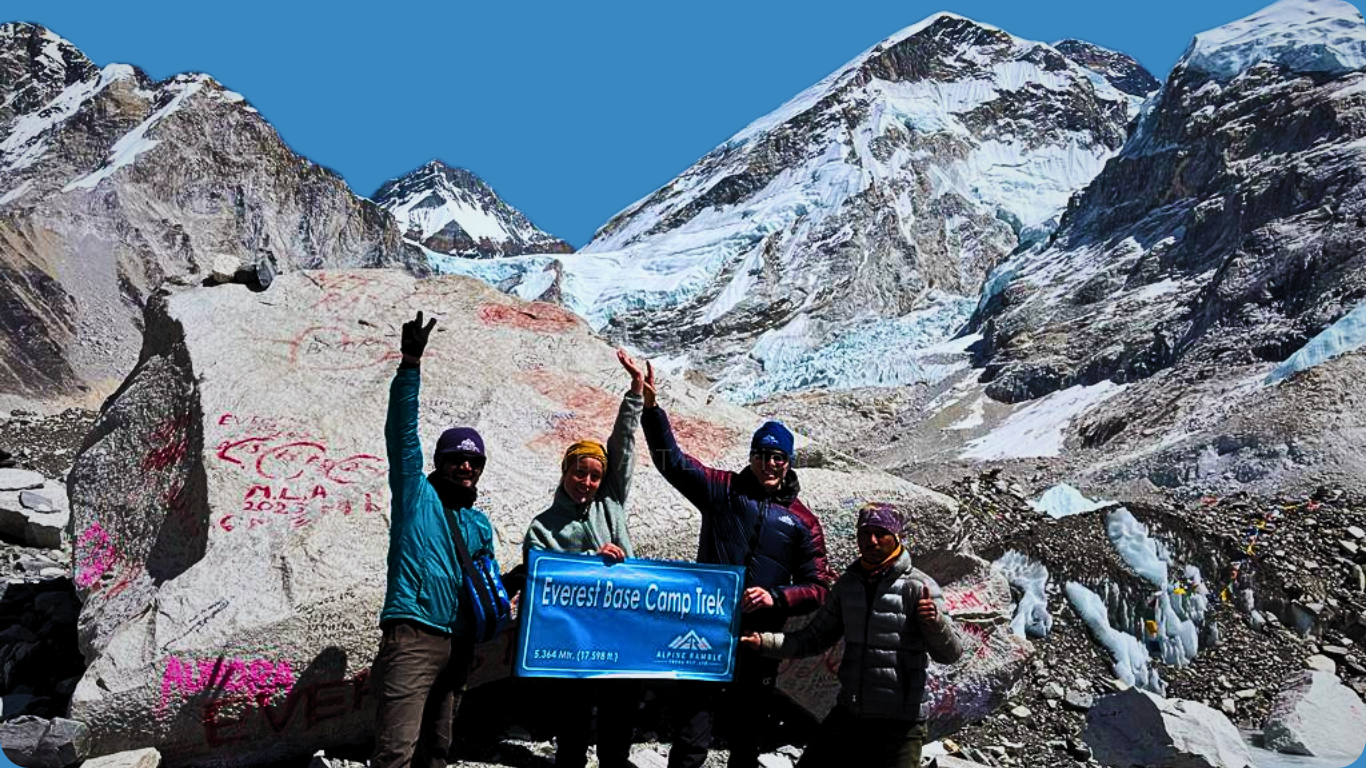
The journey to Besisahar begins with anticipation and excitement. As you navigate the last stretch of road, dust swirls around you, and the Marshyangdi River bends gracefully, echoing the sounds of nature. Each curve of the road builds a sense of longing, as the signboard announcing Besisahar finally comes into view. This moment feels earned, a reward for the hours spent traveling from bustling cities like Kathmandu and Pokhara.
Upon arrival, the first sensation is a profound stillness after motion. Time seems to slow down as engines are silenced and replaced by the gentle sounds of water, footsteps, and distant conversations. This is a moment most travelers don’t photograph, yet it lingers in memory like a cherished secret.
Besisahar serves as a threshold, marking the emotional shift from “traveler” to “walker.” It is here, in this town, that thousands of journeys into the Himalayas have begun. The landscape surrounding Besisahar speaks softly, with hills that observe rather than dominate, while the Marshyangdi flows steadily, indifferent to human plans.
As you stroll through the town, you encounter people you don’t rush past. Tea shops and lodges offer unhurried conversations, where locals seem to read travelers without asking questions, embodying a hospitality that feels genuine and unforced. It’s a stark contrast to the frenetic pace of modern life.
Besisahar possesses an awareness of what lies beyond its borders: the altitude, the effort, the silence of the mountains. Here, the town honors the peaks without romanticizing them, recognizing the respect they command. This quiet understanding prepares your mind for what’s ahead, letting go of city urgency and notifications.
In Besisahar, history is felt rather than displayed. Once a regional connector for trade and migration through Lamjung, its significance resonates through continuity rather than through museums. As night falls, the town exhales, with early evenings marked by dim lights and quiet meals, creating a feeling of being “held” before the demanding journey ahead.
Awakening the next morning, you realize something has shifted; it’s not excitement but a readiness that Besisahar instills within you. This subtle confidence becomes a psychological landmark, teaching you about beginnings in a world often obsessed with endings.
Reaching Besisahar is not merely about arrival; it’s about alignment—mind, body, and intent. Every serious journey deserves such a beginning, a moment of stillness amidst the chaos of life.
Read on to discover more about the transformative power of this remarkable town.
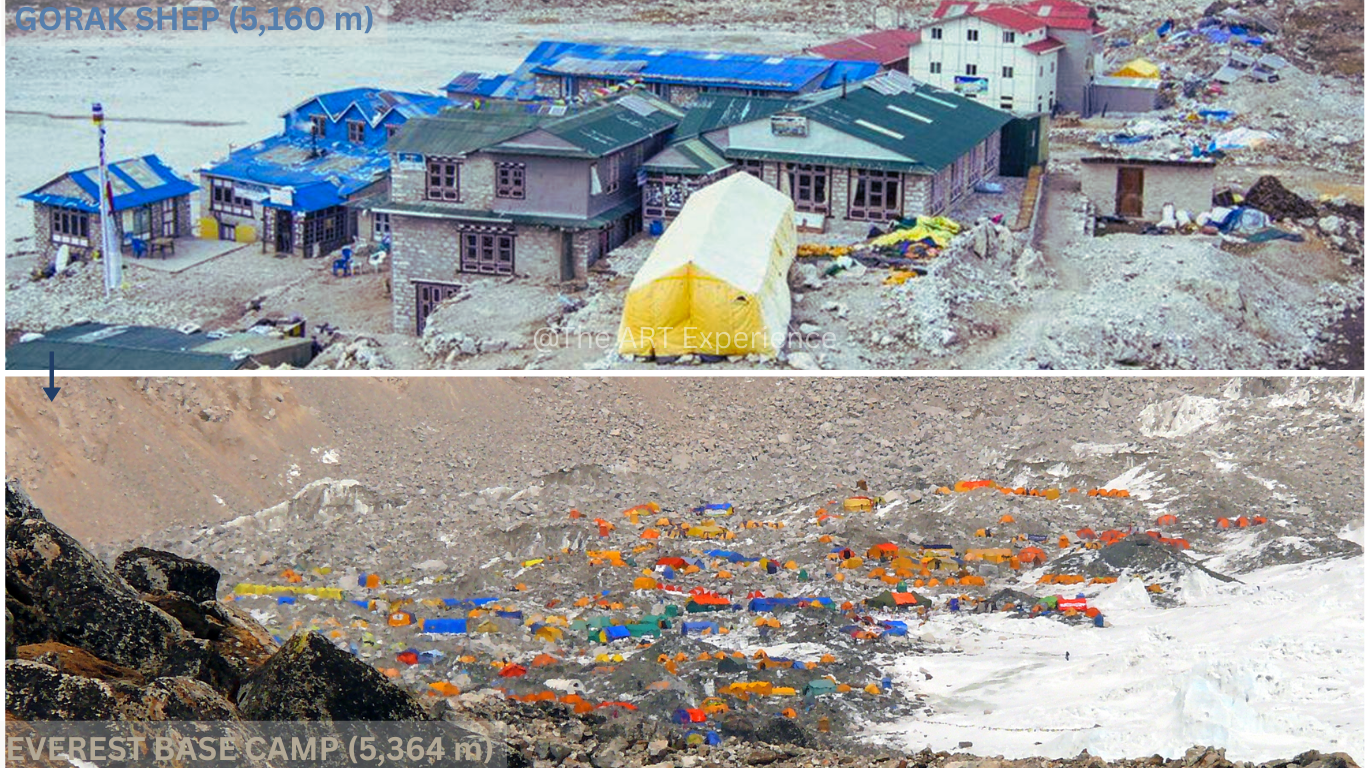
The journey to Besisahar begins with anticipation and excitement. As you navigate the twisting roads of Lamjung District, the air shifts from the bustling energy of Kathmandu and Pokhara to a more tranquil atmosphere. The road, often clouded with dust and framed by the Marshyangdi River's gentle flow, builds an unspoken promise of the adventures that lie ahead.
Upon arrival, travelers experience a profound shift as they enter this unique town. Besisahar is more than just a waypoint; it is a threshold where the spirit of the Himalayas begins to whisper. Here, the sounds of engines fade, replaced by the soothing murmur of water and the quiet conversations of locals. This moment is often not photographed, yet it lingers in memory, serving as a gentle reminder of the beauty found in stillness.
Besisahar has quietly shaped the journeys of thousands, marking the transition from traveler to walker. It stands as a psychological landmark, a place where the heart and mind align with the intent of the journey ahead. As you sit in a local tea shop, perhaps at BhetGhat Taas Restaurant, you will find that the conversations flow as easily as the river that winds nearby.
As you prepare to move forward, consider how Besisahar subtly prepares your mind before your body. This town honors the mountains without romanticizing them, teaching us about beginnings in a world often fixated on endings. Read on to discover how this place shapes your journey.
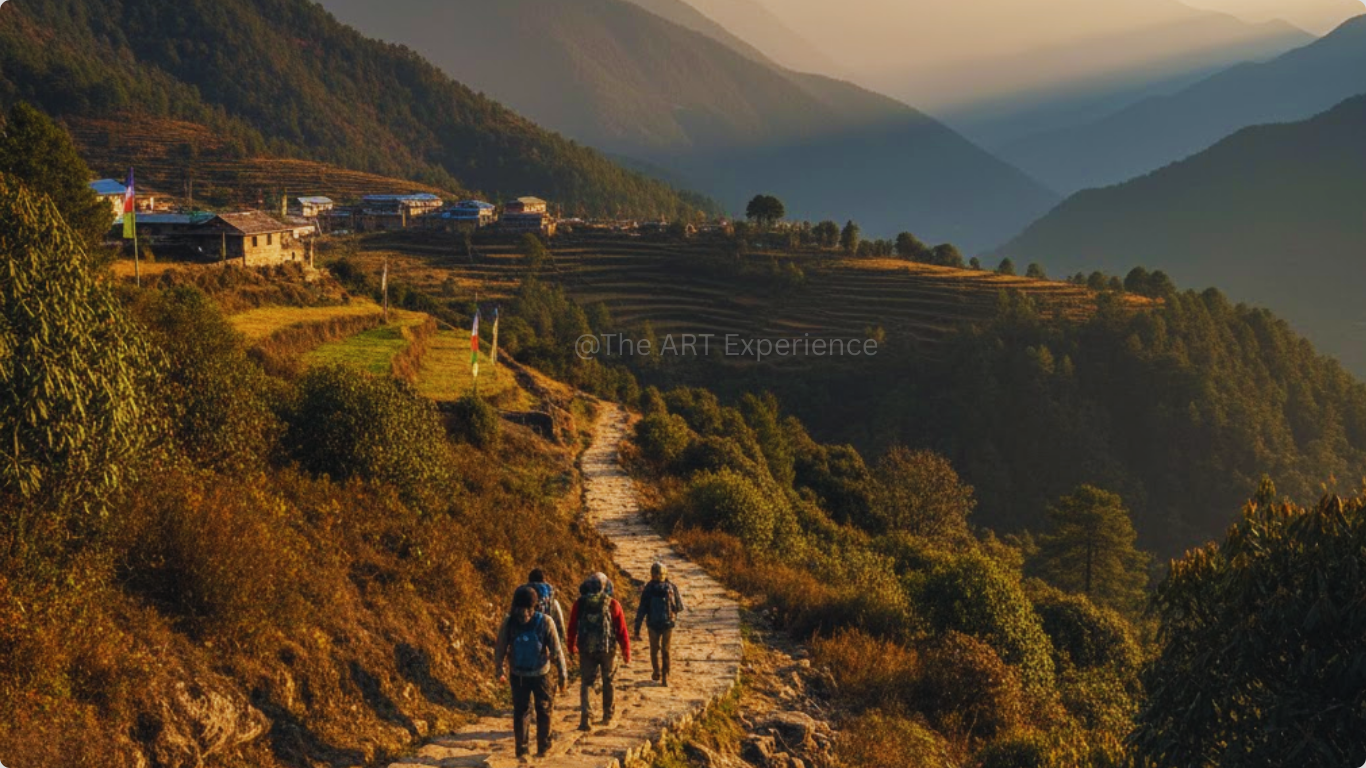
The journey to Besisahar begins with anticipation and excitement. As the sun sets behind the hills, the atmosphere transforms. The last rays of light cast a warm glow over the town, inviting travelers to pause and reflect.
In this moment, Besisahar becomes more than just a waypoint; it is a sanctuary for the weary. Travelers experience a profound shift as they arrive in this unique town. The earlier chaos of buses and winding roads gives way to a tranquil stillness. It’s a time when the town exhales, welcoming visitors to rest.
Evenings in Besisahar are marked by unhurried conversations in tea shops and the aroma of local cuisine wafting from places like the BhetGhat Taas Restaurant. Here, the community gathers, sharing stories that echo through generations. This is a space where hospitality is genuine, and the spirit of Nepal unfolds quietly.
As night falls, the emotional and mental reset occurs, preparing travelers for the journey ahead. The dim lights and soft sounds of the Marshyangdi River create a comforting backdrop. The feeling of being ‘held’ before embarking on a demanding trek is palpable.
In Besisahar, sleep feels deeper than expected. The tranquility of the night fosters a profound sense of readiness. Waking up, travelers often realize that something has shifted within them—not excitement, but a quiet confidence.
Reaching Besisahar is about alignment and embracing new beginnings. As the night settles in, it gently prepares you for the adventures that lie ahead in the majestic Himalayas.
Read on to discover how mornings in Besisahar bring a new realization.
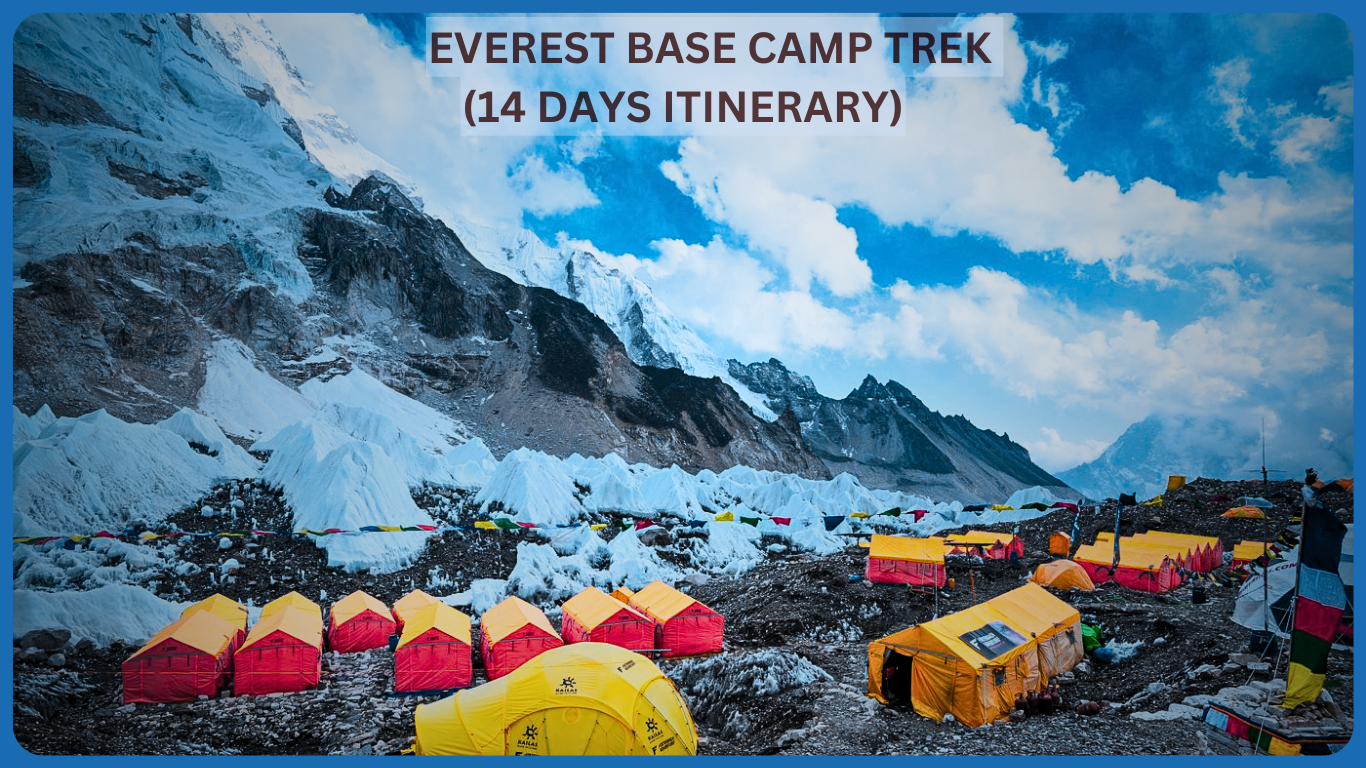
The journey to Besisahar begins with anticipation and excitement. As dawn breaks, a newfound clarity emerges, revealing layers of meaning hidden in the quiet corners of this Himalayan town. Each morning in Besisahar is a reminder that transitions can be both subtle and profound.
Waking up in Besisahar feels like a gentle nudge towards awareness. Here, nestled in the Lamjung district, the air carries a refreshing chill, hinting at the higher altitudes yet to come. It’s a moment where travelers often reflect on their purpose, shedding the urgency of city life and embracing a slower, more intentional pace.
This town, with its rich tapestry of history and culture, serves as a threshold for many. As you sip your morning tea, perhaps at the BhetGhat Taas Restaurant, the sounds of nature replace the clamor of modernity. Birds chirp, and the Marshyangdi River flows nearby, grounding you in the present.
What does waking up in Besisahar reveal? It unveils a readiness, not just for the journey ahead to places like Bhujung Village or the Purankot View Point, but for a deeper understanding of oneself. This place, often overlooked on the way to Pokhara or Kathmandu, holds the potential for significant personal insight.
In this serene setting, the transition from traveler to walker becomes palpable. Besisahar doesn’t just mark an end; it symbolizes new beginnings. Each sunrise offers a chance to align your mind, body, and intent, preparing you for the adventures that lie ahead.
As you step outside, the town begins to stir, and the day unfolds. The emotional and mental reset that occurs here is not merely about rest; it’s about embracing change. Besisahar stands as a quiet sentinel, urging you to reflect, reset, and ready yourself for the magnificent journey through the Himalayas.
Read on to discover how this alignment shapes not just your travels, but your entire perspective.
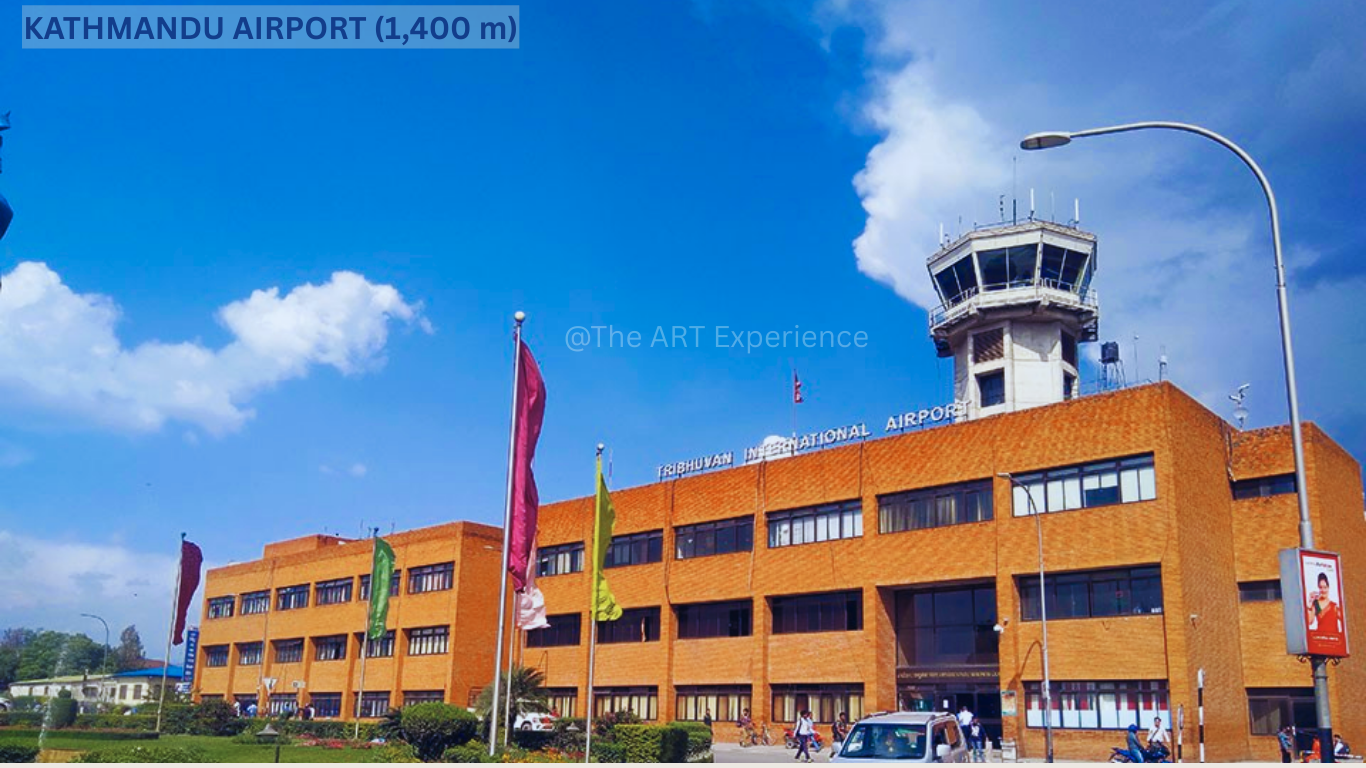
The journey to Besisahar begins with anticipation and excitement. As the road winds through the Lamjung region, the landscape transforms dramatically. Dust rises with each turn, and the Marshyangdi River flows steadily alongside, a reminder of nature's indifference to human plans. Travelers can almost feel the air shift, becoming lighter and filled with the scents of the local flora, enhancing the sense of adventure.
How anticipation builds long before the signboard appears is part of the magic. The moment you catch sight of 'Besisahar' for the first time, a feeling of achievement washes over you. This town feels earned—a threshold to the majestic Himalayas rather than just another stop. It symbolizes the transition from the chaos of city life to the serene embrace of nature.
Upon arrival, travelers experience a profound shift as they enter Besisahar. The first sensation is stillness after motion. The sudden slowing of time after hours of travel creates an almost surreal experience. Sounds that replace engines—water cascading, footsteps on gravel, distant voices—fill the air. It's a moment most travelers don’t photograph, yet it etches itself into memory.
Besisahar serves as a threshold, not merely a destination. Here, the emotional shift from “traveler” to “walker” occurs. This town has quietly shaped thousands of Himalayan journeys, acting as a gateway to the Annapurna Circuit. Its role in the regional network of trails is significant, as it connects trekkers to paths leading to Pokhara and beyond.
The landscape around Besisahar speaks softly. The hills do not dominate; instead, they observe, grounding visitors in their presence. This geography, with its gentle slopes and the flowing river, feels nurturing rather than dramatic, inviting introspection.
As you explore, you encounter people you don’t rush past. The tea shops, lodges, and bus stops are filled with unhurried conversations. Locals possess an uncanny ability to read travelers without asking questions, offering hospitality without performance. It creates an environment where one can truly relax and prepare for the journey ahead.
By the time night falls, Besisahar knows what’s ahead. The town is acutely aware of the altitude, the effort, and the silence that awaits those who venture further. The quiet respect between Besisahar and those passing through is palpable. Here, no one romanticizes the mountains; instead, they honor them with a quiet acknowledgment of the challenges they present.
As the day winds down, the feeling of being “held” before a demanding journey envelops you. Early evenings bring dim lights and quiet meals, a perfect setting for reflection. Sleep in Besisahar feels deeper than expected, as if the town is preparing you for what lies ahead.
Waking up in Besisahar brings about a morning realization—something has shifted. It’s not excitement; it’s readiness. The subtle confidence that Besisahar instills prepares you mentally for the challenges of the trails. This town becomes a psychological landmark, teaching lessons about beginnings in a world often obsessed with endings.
Reaching Besisahar is not about mere arrival; it’s about alignment—mind, body, and intent. Every serious journey deserves such a beginning, embracing new beginnings as you step into the vast unknown of the Himalayas.
What is the essence of reaching Besisahar? Read on to discover how this town shapes the journeys that follow.
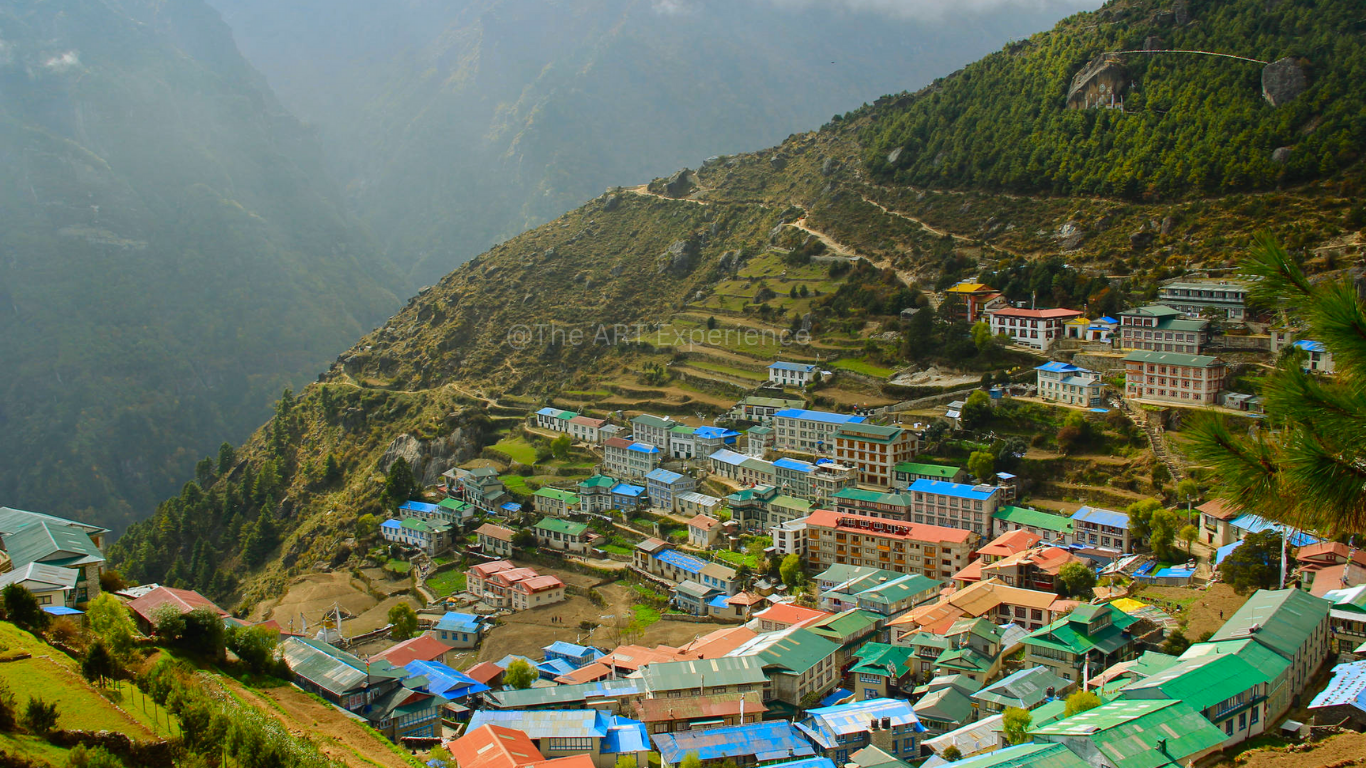
Reaching Besisahar is not merely about arriving at a location; it’s a profound experience that redefines the essence of your journey. This town, tucked in the Lamjung district of Nepal, serves as a gateway to the Himalayas and a psychological landmark for many travelers. The anticipation built during the winding roads, where dust dances in the air and the Marshyangdi River flows steadily, sets the stage for a transformative encounter.
As you step into Besisahar, the shift from traveler to walker becomes palpable. It’s a town that resonates with history, having been a long-standing connector for trade and migration. Here, the essence of Nepal's rich tapestry is woven through the unhurried lives of locals, who engage in simple yet meaningful conversations over chai.
The stillness after the motion of travel offers a moment of reflection. You may not capture this feeling in a photograph, but it lingers in your memory, reminding you of the importance of pausing in our fast-paced lives. Besisahar serves as a gentle reminder to let go of urban urgency, inviting you to align your mind, body, and intent.
At night, as the town exhales into a calm, dimly lit ambiance, you find a sense of peace that prepares you for the demanding trek ahead. Sleep here feels deeper, enriched by the knowledge that you are on the brink of something significant. Waking up in Besisahar, you sense a readiness that transcends mere excitement—it's about embracing new beginnings.
Ultimately, reaching Besisahar is about more than just the destination; it’s about understanding the journey itself. It teaches us that every significant adventure deserves a thoughtful start, echoing the sentiments of countless travelers before you. How does Besisahar redefine your journey? It offers not just a place to pause, but a moment to realign your aspirations and embark on an adventure that promises depth and discovery.
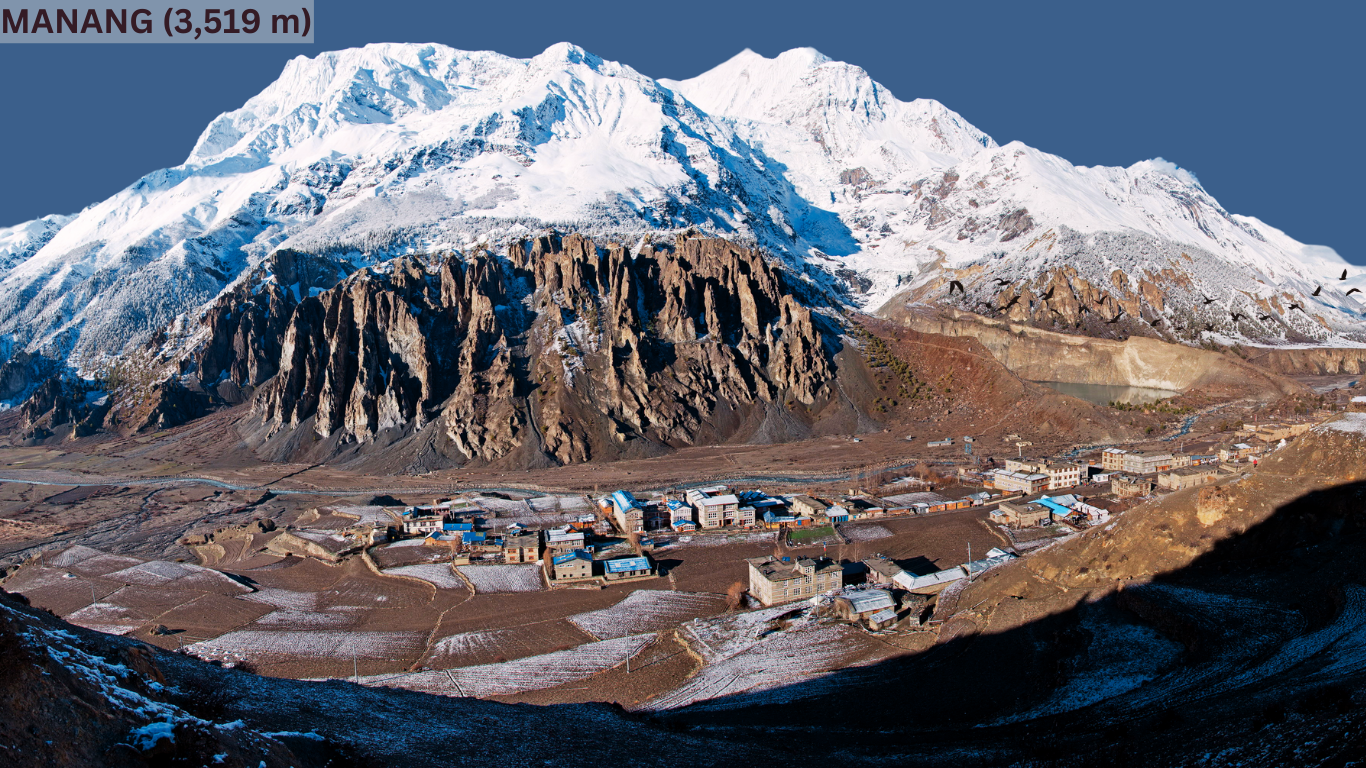
The journey to Besisahar begins with anticipation and excitement. As you navigate the last stretch of the road, you can feel the dust swirling around you, the river bends inviting you closer, and the air changing as you approach this pivotal point in Nepal. The signboard marking Besisahar feels like a reward; it is a symbol of the effort you've invested. This town feels earned, not merely reached.
Upon arrival, time seems to slow down after hours of travel. The sounds that replace the roar of engines are soothing: the gentle flow of the Marshyangdi River, the soft footsteps of fellow travelers, and the distant hum of local conversations. This moment is often not photographed, but it is one that lingers in memory.
Besisahar serves as a threshold, not simply a destination. The emotional shift from “traveler” to “walker” is palpable here, as the town has quietly shaped countless Himalayan journeys. Many weary souls have found their way to this gateway before continuing on to the majestic Annapurna Circuit.
The nearby Marshyangdi River flows steadily, indifferent to human plans, while the surrounding hills observe without dominating. This geography feels grounding, providing a sense of stability rather than overwhelming dramatic peaks.
In Besisahar, the tea shops and lodges become places of unhurried conversations. Locals have a remarkable ability to read travelers without asking questions, offering a hospitality that feels genuine and unperformative.
Besisahar possesses an awareness of what lies beyond it: altitude, effort, and silence. There is a quiet respect between the town and those passing through. Here, no one romanticizes the mountains; rather, they honor them with a deep understanding of their power.
Letting go of city urgency, notifications, and schedules happens almost naturally in Besisahar. This town subtly prepares your mind before your body, mirroring the modern life many of us crave—a pause before a demanding journey.
Besisahar has long served as a regional connector, facilitating trade, movement, and migration through Lamjung. Its history is felt through continuity, rather than through display boards or museums.
As early evening descends, dim lights illuminate quiet meals. The feeling of being “held” before a demanding journey envelops you, and sleep here feels deeper than expected, as if the town wraps you in its calm embrace.
Waking up in Besisahar brings the awareness that something has shifted within you. It’s not excitement you feel, but rather readiness—a subtle confidence that this town instills.
Many towns are merely passed through; few are remembered. Besisahar stands as a psychological landmark, teaching valuable lessons about beginnings in a world increasingly obsessed with endings.
Ultimately, reaching Besisahar is not just about arrival. It’s about alignment—of mind, body, and intent. Every serious journey deserves such a beginning, and Besisahar provides that grounding experience.
Our content is based on reliable, verified sources including government data, academic research, and expert insights. We also reference reputable publishers and primary sources where appropriate. Learn more about our standards in our editorial policy.
Quick answers based on this article.
Besisahar serves as a crucial threshold for many trekking journeys in the Himalayas.
The landscape is grounding, with gentle hills and the steady flow of the Marshyangdi River.
Travelers often experience a profound mental reset and an emotional shift from traveler to walker.
It is a psychological landmark that teaches about beginnings in a world focused on endings.
Local interactions are marked by unhurried conversations and genuine hospitality.
Besisahar has historically been a connector for trade and migration through the region.
Evenings are quiet, with dim lights and a feeling of being held before embarking on a journey.
Letting go of urban urgency and embracing the calm of Besisahar is essential.
Mornings bring a sense of readiness and subtle confidence for the journey ahead.
It provides a needed pause, reflecting our contemporary craving for moments of stillness.
Engaging with locals and immersing oneself in the landscape enhances the experience.
Nearby attractions include Lamjung Durbar, Bhujung Village, and the Purankot View Point.
It subtly aligns the mind and body, setting the stage for the adventures that lie ahead.
It is often the starting point for treks leading into the Annapurna region.
It facilitates interactions between travelers and locals, enriching both experiences.
Prefer WhatsApp or a quick call? We reply fast.
ART Experience Reviews
Add media, drop your rating, and write a few words. Submissions go to the Review Manager for approval.
More reading selected from the same theme.
%22%2F%3E%3Cpath%20d%3D%22M0%20620c140-120%20260-180%20360-180s220%2060%20360%20180%20260%20180%20480%20180V800H0z%22%20fill%3D%22%23bfdbfe%22%2F%3E%3Ccircle%20cx%3D%22980%22%20cy%3D%22170%22%20r%3D%2272%22%20fill%3D%22%2393c5fd%22%2F%3E%3C%2Fsvg%3E)