Loading Alpine AI
Why Ama Dablam Base Camp Is Something You Should Not Miss on Your Everest Journey

Why Ama Dablam Base Camp Is Something You Should Not Miss on Your Everest Journey

Alpine RambleExpedition HistorianTravelPublished: Jan 14, 2026Updated: Jan 20, 2026Fact-checked by Editorial Team
PostLinkedInFacebookWhatsApp
Why Ama Dablam Base Camp Is Something You Should Not Miss on Your Everest Journey

Situated in the heart of the Khumbu region, Ama Dablam Base Camp is often overlooked by trekkers en route to Everest Base Camp. However, this stunning location is not merely a side trek; it is a defining experience that enriches your journey through the Himalayas.

  • Meaning of Ama Dablam: The name 'Ama Dablam' translates to 'Mother's necklace,' symbolizing the mountain's distinct shape and cultural significance to the Sherpa people.
  • Height and First Ascent: Standing at 6,812 meters, Ama Dablam was first ascended in 1961, earning it the nickname 'Matterhorn of the Himalayas' due to its iconic pyramid shape.
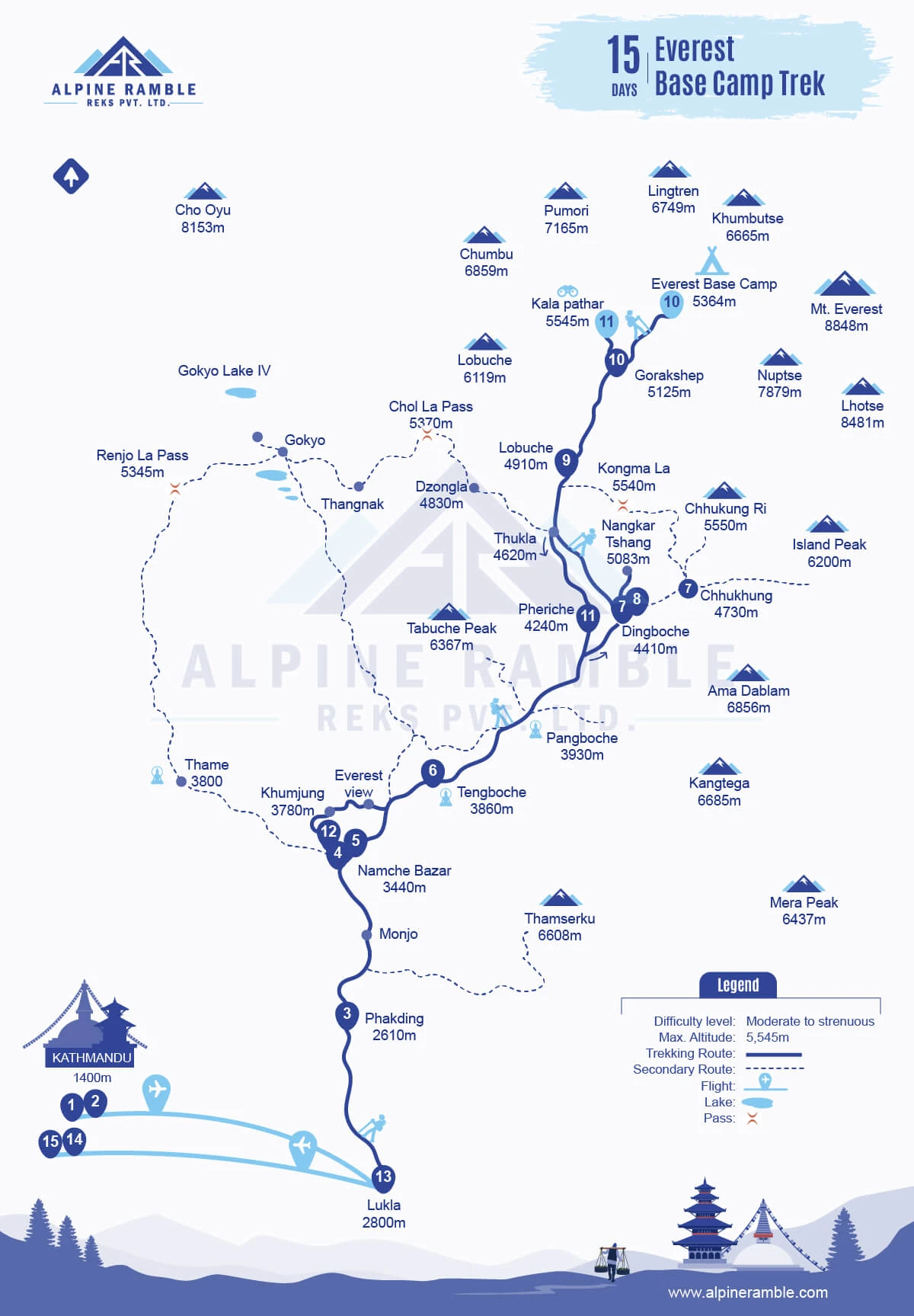
  • Base Camp Location: The base camp, situated at approximately 4,600 meters, is accessed from Pangboche. It lies naturally along the trekking route between Tengboche and Dingboche, making it a convenient and integral stop.
📌Ama Dablam Base Camp Overview
FeatureDetails
Elevation4,600 m
First Ascent1961

Standing at Ama Dablam Base Camp offers an emotional and visual impact that is unique. Surrounded by towering peaks, the view of Ama Dablam's south face is breathtaking and humbling. The contrast between the serene environment of Ama Dablam Base Camp and the bustling atmosphere of Everest Base Camp is notable. Here, you can experience a sense of intimacy with the mountains, unlike the crowded trails leading to Everest.

Additionally, the detour to Ama Dablam Base Camp serves a practical purpose. It aids in acclimatization, allowing trekkers to adapt to the altitude more effectively before continuing their journey toward Everest. This crucial step can significantly enhance your physical adaptation to high altitudes.

The journey to Ama Dablam Base Camp also immerses you in Sherpa culture. Pangboche, one of the oldest villages in the Khumbu, holds historical significance and is a hub for Sherpa traditions. The local perception of Ama Dablam is steeped in spirituality, as the mountain is revered as a protector of the region.

In conclusion, Ama Dablam Base Camp is not a distraction from the Everest journey; rather, it completes the experience. It embodies the rich cultural tapestry of the Himalayas while providing unparalleled views and essential acclimatization benefits. Read on to discover how this remarkable journey can deepen your understanding of the majestic Himalayas.

The Significance of Ama Dablam: A Cultural and Geographical Overview

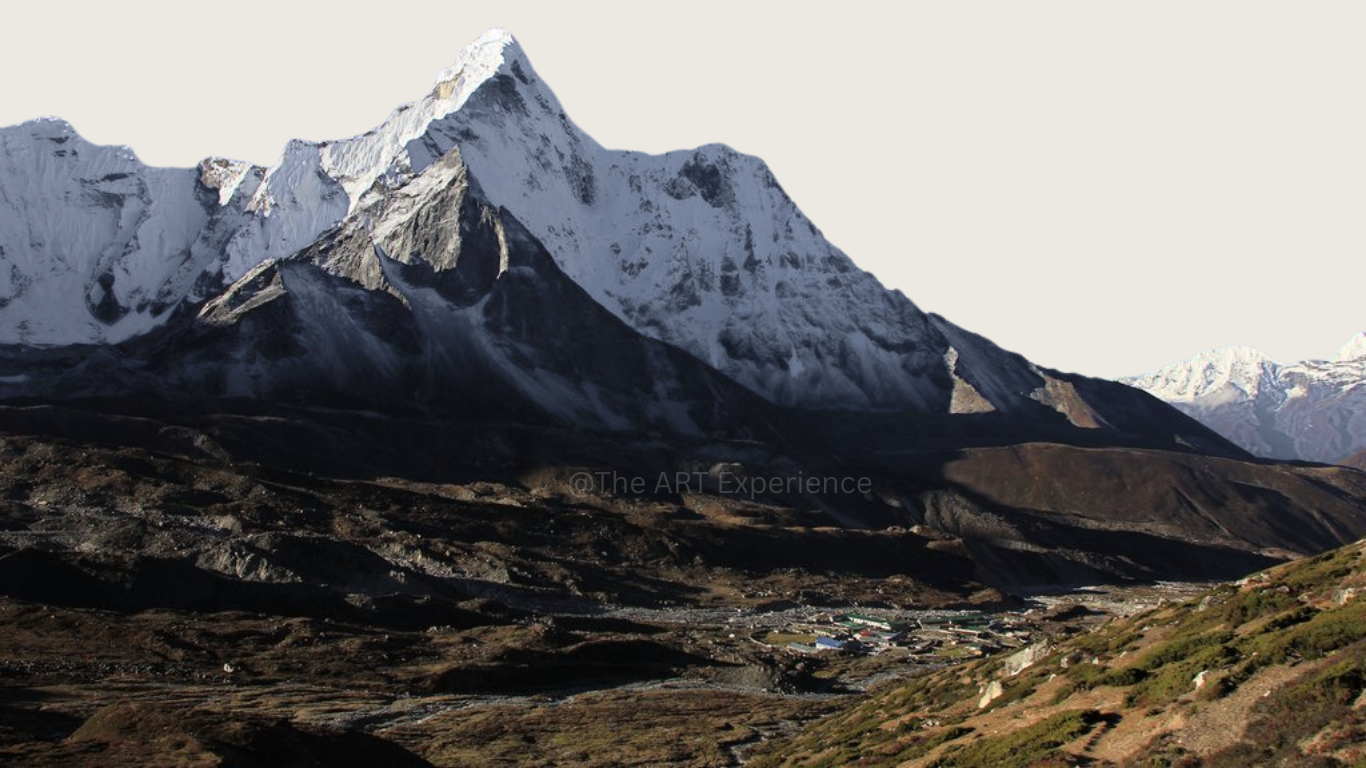
Ama Dablam is not just a majestic peak at 6,812 meters; it is a cultural icon deeply rooted in the Sherpa community's spirituality and history. The name ‘Ama Dablam’ translates to ‘Mother’s Necklace,’ symbolizing the mountain’s resemblance to a mother’s protective embrace, with the flanks resembling a woman’s arms and the hanging glacier akin to a necklace. Since its first ascent in 1961, it has been affectionately dubbed the ‘Matterhorn of the Himalayas’ due to its distinctive, pyramid-like shape.

  • Access Point: The trek to Ama Dablam Base Camp, situated at approximately 4,600 meters, starts from Pangboche, making it a natural detour between Tengboche and Dingboche on the Everest trekking route.
  • Visual Splendor: Standing at the base camp, trekkers are enveloped by the breathtaking views of the south face of Ama Dablam, flanked by the towering peaks of Lhotse and Makalu, creating an intimate mountain experience.
  • Cultural Resonance: The region around Pangboche is historically significant, known for its ancient monasteries and as a spiritual hub, where the Sherpa people have historically revered Ama Dablam as a deity.
📌Elevation and Distances for Key Camps
CampElevation (m)Distance from EBC (km)
Ama Dablam Base Camp4,600~20
Everest Base Camp5,3640
Pangboche3,930~10
The Cultural Significance of Ama Dablam

Ama Dablam is not merely a mountain; it is a defining experience within the Everest region that is often overlooked by trekkers. Standing at an impressive height of 6,812 meters, it is frequently referred to as the 'Matterhorn of the Himalayas' due to its distinctive pyramid shape and striking beauty. The name 'Ama Dablam' translates to 'Mother's Necklace,' symbolizing the mountain's cultural importance to the Sherpa people, who regard it as a sacred entity. The first ascent of Ama Dablam was achieved in 1961, marking it as a significant milestone in Himalayan climbing history.

  • Elevation: 6,812 m
  • First Ascent: 1961
  • Cultural Significance: Sacred to Sherpa communities
📌Key Details about Ama Dablam
FeatureDetailsSignificanceLocation
Height6,812 mProminent peak in the HimalayasKhumbu Region
First Ascent1961Milestone in climbing historyEverest Region
Cultural NameAma DablamMeans 'Mother's Necklace'Sacred to Sherpas
Notable FeatureSouth FaceKnown for its steepness and beautyVisible from Base Camp
The Cultural Significance of Ama Dablam Base Camp

Ama Dablam Base Camp is more than a detour; it is a vital part of the Everest journey that offers trekkers profound cultural insights and stunning natural beauty. The name ‘Ama Dablam’ translates to ‘Mother’s Necklace’ in the Sherpa language, symbolizing the mountain’s significance as a nurturing presence in the lives of local communities. Rising to an impressive height of 6,812 meters, Ama Dablam is often referred to as the ‘Matterhorn of the Himalayas’ due to its distinctive, pyramid-like shape and striking south face, which presents both a challenge and a visual feast for climbers.

  • First Ascent: The mountain was first summited in 1961, marking a significant achievement in Himalayan climbing history.
  • Base Camp Location: Situated at approximately 4,600 meters, Ama Dablam Base Camp is strategically located along the Everest trekking route, nestled between the villages of Tengboche and Dingboche, and accessible from Pangboche.
  • Visual Impact: Standing at the base camp, trekkers are enveloped by breathtaking views of surrounding peaks, with the majestic south face of Ama Dablam dominating the skyline.
The Cultural Significance of Ama Dablam Base Camp

Ama Dablam Base Camp, situated at an elevation of approximately 4,600 meters, serves as a profound cultural and spiritual waypoint on the journey to Everest. The name 'Ama Dablam' translates to 'Mother's Necklace,' a reference to the mountain's distinctive shape, which resembles a mother cradling her child. This symbolism resonates deeply within Sherpa culture, where the mountain is revered as a protector and nurturer.

  • Historical Context: The first successful ascent of Ama Dablam occurred in 1961, marking a significant event in Himalayan climbing history, akin to the early explorations of Everest.
  • Elevation Comparison: At 6,812 meters, Ama Dablam stands as a sentinel in the Khumbu region, offering trekkers an intimate view of its majestic south face, often regarded as one of the most beautiful in the world.
  • Access Route: The trek to Ama Dablam Base Camp typically begins in Pangboche, and it naturally integrates into the established Everest trekking route, lying between Tengboche and Dingboche.
The Cultural Significance of Ama Dablam in the Everest Region

Ama Dablam, often referred to as the 'Matterhorn of the Himalayas,' rises majestically to a height of 6,812 meters. Its name translates to 'Mother's Necklace,' symbolizing the mountain's spiritual significance to the Sherpa people. This peak, first ascended in 1961, is not merely a stunning backdrop; it represents a deep cultural connection that is often overlooked by those trekking in the Everest region.

Situated at approximately 4,600 meters, Ama Dablam Base Camp is strategically located along the Everest trekking route. Accessible from the village of Pangboche, it lies naturally between Tengboche and Dingboche. This positioning makes it an integral part of the trekking experience rather than a mere side trek.

Standing at Ama Dablam Base Camp offers an unparalleled visual and emotional impact. The south face of Ama Dablam towers above, flanked by the surrounding peaks of the Himalayas. The sight is both humbling and inspiring, inviting trekkers to reflect on their journey and the history that surrounds them.

In contrast to the bustling Everest Base Camp, which can feel crowded and impersonal, Ama Dablam Base Camp provides a sense of intimacy and solitude. Here, trekkers can connect more deeply with the landscape and the local culture, enhancing their overall experience.

Additionally, this detour to Ama Dablam Base Camp serves significant acclimatization benefits. The gradual ascent allows for better physical adaptation, preparing trekkers for the higher altitudes they will encounter later in their journey.

Pangboche, the gateway to Ama Dablam Base Camp, holds historical significance within the Sherpa community. The local spiritual perceptions of Ama Dablam further enrich this experience, as the mountain is revered not just for its beauty but also for its cultural importance.

In conclusion, Ama Dablam Base Camp is not a distraction from the Everest journey; rather, it completes it. This pivotal stop allows trekkers to immerse themselves in the rich tapestry of Sherpa culture and the breathtaking landscapes of the Himalayas. Read on to discover how this experience can profoundly enhance your understanding of the region.

The Cultural Significance of Ama Dablam

Ama Dablam, standing at 6,812 meters, is a prominent peak in the Himalayas, often referred to as the 'Matterhorn of the Himalayas.' Its name translates to 'Mother's necklace,' symbolizing the sacred relationship between the mountain and the local Sherpa culture. First ascended in 1961, it has since become a defining feature of the Khumbu region, captivating trekkers and climbers alike.

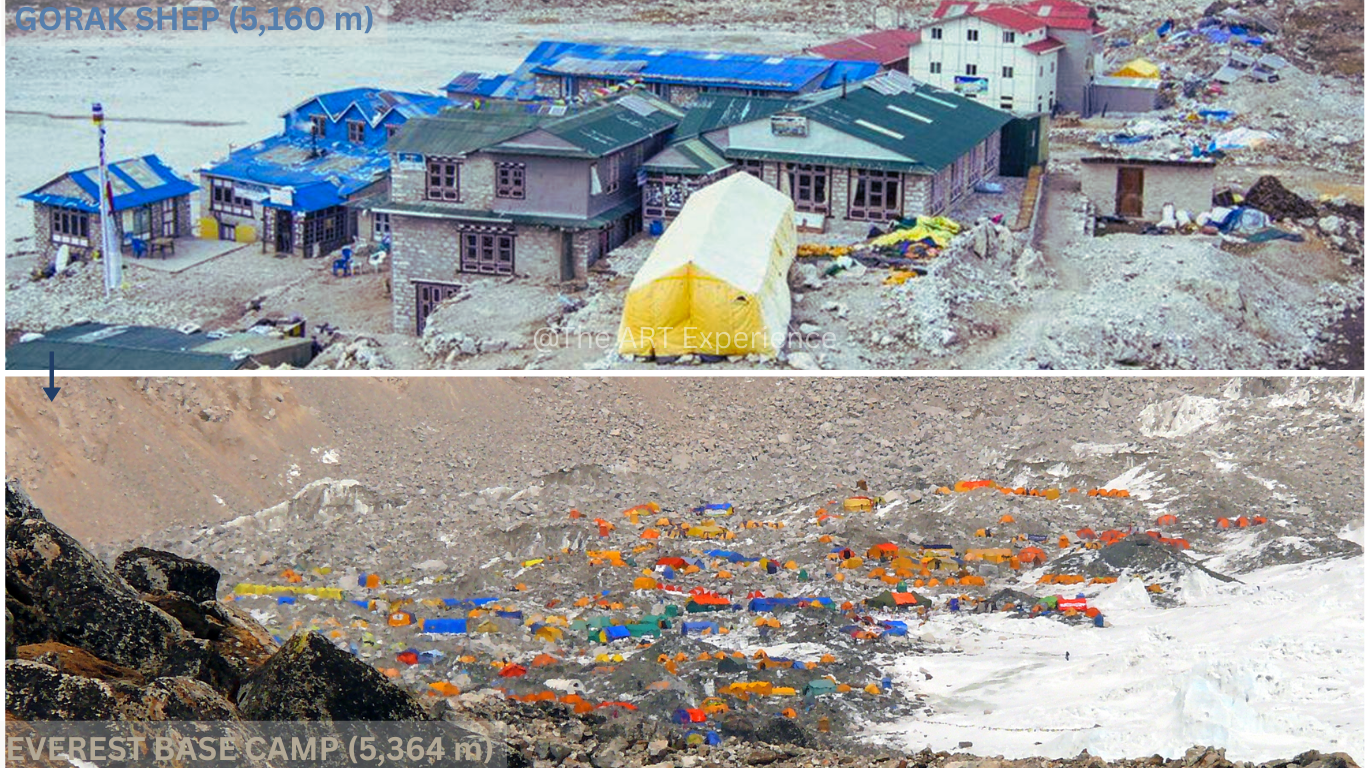
Located approximately 4,600 meters above sea level, Ama Dablam Base Camp is strategically positioned along the Everest trekking route, accessible from the village of Pangboche. This site sits naturally between the more frequented stops of Tengboche and Dingboche, making it a vital waypoint for those on their way to Everest Base Camp. Unlike the bustling atmosphere of Everest Base Camp, which can host hundreds of climbers and trekkers at peak times, Ama Dablam Base Camp offers a quieter, more intimate experience.

Standing at Ama Dablam Base Camp, trekkers are treated to breathtaking views of the mountain's south face, which is renowned for its steep, dramatic contours. The emotional impact of being surrounded by towering peaks, with the majestic Ama Dablam towering above, is profound. This setting not only stirs a sense of awe but also provides a moment for reflection on the journey undertaken through these sacred lands.

Moreover, the detour to Ama Dablam Base Camp serves an important purpose in the acclimatization process. Spending time at this elevation allows trekkers to adjust physically, enhancing their chances of a successful ascent to higher altitudes. This thoughtful integration into the trekking itinerary ensures that the experience is not merely about reaching Everest Base Camp but about embracing the entirety of the journey through the Himalayas.

In Pangboche, the cultural significance of Ama Dablam is deeply rooted. The Sherpa community holds the mountain in high regard, viewing it as a protective entity. This perspective reflects a broader spiritual connection that the locals maintain with the landscape, one that intertwines their daily lives with the towering giants surrounding them.

Ultimately, a visit to Ama Dablam Base Camp is not a diversion from the Everest journey; it is a crucial element that enhances the overall experience. It offers a unique blend of cultural significance, stunning visuals, and valuable acclimatization opportunities, making it an essential stop on your Himalayan adventure.

The Unique Experience of Ama Dablam Base Camp

Ama Dablam Base Camp is not merely a detour on the Everest journey; it is a vital component of the experience. Nestled at an elevation of approximately 4,600 meters, this camp offers trekkers an intimate encounter with one of the most iconic peaks in the Himalayas. Surrounded by the towering heights of the Khumbu region, Ama Dablam, standing at 6,812 meters, is often referred to as the 'Matterhorn of the Himalayas' due to its striking pyramid shape and dramatic ridges.

The name 'Ama Dablam' translates to 'Mother's Necklace,' symbolizing the cultural reverence the Sherpa people hold for this mountain. The first successful ascent of Ama Dablam was accomplished in 1961, marking it as a significant milestone in Himalayan climbing history, documented in records like those maintained by the Himalayan Database.

Accessed from Pangboche, Ama Dablam Base Camp lies conveniently between the well-trodden paths of Tengboche and Dingboche, making it a strategic stop for trekkers heading towards Everest Base Camp. The trek to Ama Dablam Base Camp offers breathtaking views of the mountain's south face, characterized by its steep, ice-clad walls that challenge even the most seasoned climbers.

Standing at Ama Dablam Base Camp, visitors are often struck by the emotional weight of the landscape. The sheer beauty of the surrounding peaks, combined with the tranquility found here, contrasts sharply with the hustle and bustle of Everest Base Camp. While Everest Base Camp can feel crowded and commercialized, Ama Dablam Base Camp provides a sense of intimacy and connection with nature.

  • Acclimatization Benefits: The detour to Ama Dablam Base Camp offers significant acclimatization advantages, allowing trekkers to adapt to the high altitude before continuing to Everest Base Camp.
  • Cultural Insights: The Sherpa culture deeply influences the area, with Pangboche being one of the oldest settlements in the Khumbu region, known for its rich history and spiritual significance.

Ama Dablam is not just another stop; it enriches the Everest journey, framing it as a complete experience rather than a series of destinations. As you stand before the majestic Ama Dablam, you realize that this moment is integral to understanding the heart of the Himalayas. Read on to discover how this detour can transform your Everest experience.

The Emotional and Cultural Significance of Ama Dablam Base Camp

Standing at the foot of Ama Dablam Base Camp is an experience that resonates deeply, both emotionally and culturally. At an elevation of approximately 4,600 meters, this location offers breathtaking views of the mountain’s iconic south face, which rises sharply to 6,812 meters. Many trekkers find that the emotional impact of this site is profound, surrounded by towering peaks and the rich tapestry of Sherpa culture.

Unlike the bustling Everest Base Camp, which often feels overcrowded with climbers and trekkers, Ama Dablam Base Camp provides a sense of intimacy and quiet reflection. Here, you can truly appreciate the majesty of the Himalayas without the distraction of a large crowd. The serenity of the surroundings allows for a personal connection with the landscape, enhancing the overall trekking experience.

Moreover, visiting Ama Dablam Base Camp serves a dual purpose; it acts as a vital acclimatization stop on your journey to Everest Base Camp. This detour not only aids in physical adaptation to the high altitudes but also enriches your understanding of the local culture. As you trek through Pangboche, a village steeped in history, you can observe how the Sherpa people have coexisted with these majestic mountains for centuries, imbuing the landscape with their spiritual significance.

  • Acclimatization Benefits: The gradual ascent from Pangboche to Ama Dablam Base Camp helps mitigate altitude sickness.
  • Cultural Insights: Interactions with local Sherpas deepen your appreciation for their traditions and connection to the land.
  • Visual Impact: The stunning views of Ama Dablam are unparalleled, creating a lasting memory.

In conclusion, visiting Ama Dablam Base Camp is not merely a side trek; it is an integral part of the Everest journey. It completes the experience by enriching your understanding of the region and its people, ultimately leaving you with a lasting impression that transcends the physical challenge of high-altitude trekking.

Experiencing the Solitude of Ama Dablam Base Camp

As you journey through the Khumbu region, the opportunity to visit Ama Dablam Base Camp is a defining moment that should not be overlooked. Nestled in the heart of the Himalayas, Ama Dablam stands at an impressive 6,812 meters, often referred to as the 'Matterhorn of the Himalayas' due to its iconic, sharply rising profile. This peak, first summited in 1961, has captured the imagination of climbers and trekkers alike, yet many choose to bypass its base camp, missing out on a profoundly enriching experience.

Ama Dablam Base Camp, situated at approximately 4,600 meters, is seamlessly integrated into the Everest trekking route. As trekkers make their way from Pangboche, they find themselves enveloped in a landscape that contrasts sharply with the more crowded Everest Base Camp. This detour between Tengboche and Dingboche offers not only stunning views but also a sense of intimacy with the mountains that is often absent on the busier paths.

Standing at the base camp, the emotional impact is palpable. The towering south face of Ama Dablam looms majestically, surrounded by a panorama of lesser-known peaks, creating a serene yet awe-inspiring environment. The quietude here stands in stark contrast to the hustle and bustle of Everest Base Camp, where climbers prepare for their ambitious ascents amidst a throng of fellow adventurers.

Moreover, the journey to Ama Dablam Base Camp provides essential acclimatization benefits. By ascending to this altitude before continuing to Everest Base Camp, trekkers enhance their physical adaptation to the high-altitude environment, reducing the risk of altitude sickness. This thoughtful pacing is crucial when navigating the rigors of the Himalayas.

Rich in Sherpa culture, the region surrounding Ama Dablam is steeped in historical significance. Pangboche, the gateway to the base camp, is one of the oldest inhabited villages in the Khumbu, known for its ancient monasteries and the deep spiritual connections locals have with the mountains. For the Sherpa people, Ama Dablam is not merely a mountain; it is considered a sacred entity, often referred to as the 'Mother's Necklace,' reflecting their profound reverence for the natural world.

In conclusion, a visit to Ama Dablam Base Camp is not a diversion from the Everest journey but rather an essential component that enriches the overall experience. It provides a moment of reflection, a connection to the local culture, and a deeper appreciation for the grandeur of the Himalayas. Read on to discover how this detour enhances not only your trek but also your understanding of the majestic landscapes that define Nepal.

The Cultural Significance of Ama Dablam

Ama Dablam, often referred to as the 'Matterhorn of the Himalayas,' towers at an impressive height of 6,812 meters (22,349 feet). This iconic peak, first ascended in 1961, is not merely a beautiful sight but a profound symbol within Sherpa culture. The name 'Ama Dablam' translates to 'Mother's Necklace,' referring to the mountain's distinctive shape that resembles a mother protecting her child with a necklace. This cultural resonance is deeply felt by the local communities, making a visit to Ama Dablam Base Camp (~4,600 m) an essential part of the Everest journey.

Situated along the renowned trekking route to Everest Base Camp, Ama Dablam Base Camp is accessed from Pangboche, a village steeped in history and spirituality. The trek naturally fits between Tengboche and Dingboche, allowing trekkers to experience the stunning vistas of surrounding peaks while immersing themselves in the rich Sherpa heritage. The journey to this base camp offers not only breathtaking landscapes but also the opportunity to engage with local traditions and stories that have shaped the region for generations.

Standing at Ama Dablam Base Camp is a transformative experience. The visual impact is staggering, with the majestic south face of Ama Dablam rising dramatically against the sky. This moment provides a unique emotional connection to the mountains, contrasting sharply with the often crowded atmosphere of Everest Base Camp. Here, one can find a sense of intimacy and solitude, allowing for reflection and appreciation of the natural world.

Moreover, the detour to Ama Dablam Base Camp offers significant acclimatization benefits. The gradual ascent aids in physical adaptation, enhancing the overall trekking experience. Sherpa culture, particularly in Pangboche, emphasizes respect for the mountains, which are seen as sacred. By connecting with this ethos, trekkers can deepen their understanding of the region's history and spirituality.

In conclusion, Ama Dablam Base Camp is not just an additional stop; it is a vital component of the Everest journey. It completes the experience by offering a blend of stunning visuals, cultural insights, and valuable acclimatization, enriching the trekker's connection to the Himalayas.

Cultural Significance and Spiritual Connections at Ama Dablam Base Camp

The journey to Ama Dablam Base Camp is not merely a physical trek; it is a passage into the heart of Sherpa culture and spirituality. The mountain itself, standing at 6,812 meters, is revered as ‘Ama Dablam,’ which translates to ‘Mother's Necklace’ in the Sherpa language, symbolizing both maternal protection and the sacredness of the natural world. The first successful ascent occurred in 1961, solidifying its reputation as a formidable yet beautiful peak, often referred to as the ‘Matterhorn of the Himalayas’ due to its striking resemblance to the iconic Swiss mountain.

Situated at approximately 4,600 meters, Ama Dablam Base Camp provides a unique vantage point along the Everest trekking route. Accessible from the village of Pangboche, it lies conveniently between Tengboche and Dingboche, making it an integral part of the overall trek. Unlike the hustle and bustle of Everest Base Camp, which can be crowded with climbers and trekkers, Ama Dablam Base Camp offers a more intimate experience, surrounded by the towering peaks of the Himalayas, including the imposing south face of Ama Dablam itself.

Standing at the base camp, trekkers are enveloped by the raw, unfiltered beauty of the region. The emotional impact is profound, as the jagged peaks rise dramatically against the sky, and the serenity of the surroundings invites introspection. This detour not only enriches the visual experience but also serves a practical purpose: the elevation aids in acclimatization, allowing trekkers to adapt physically before tackling higher altitudes.

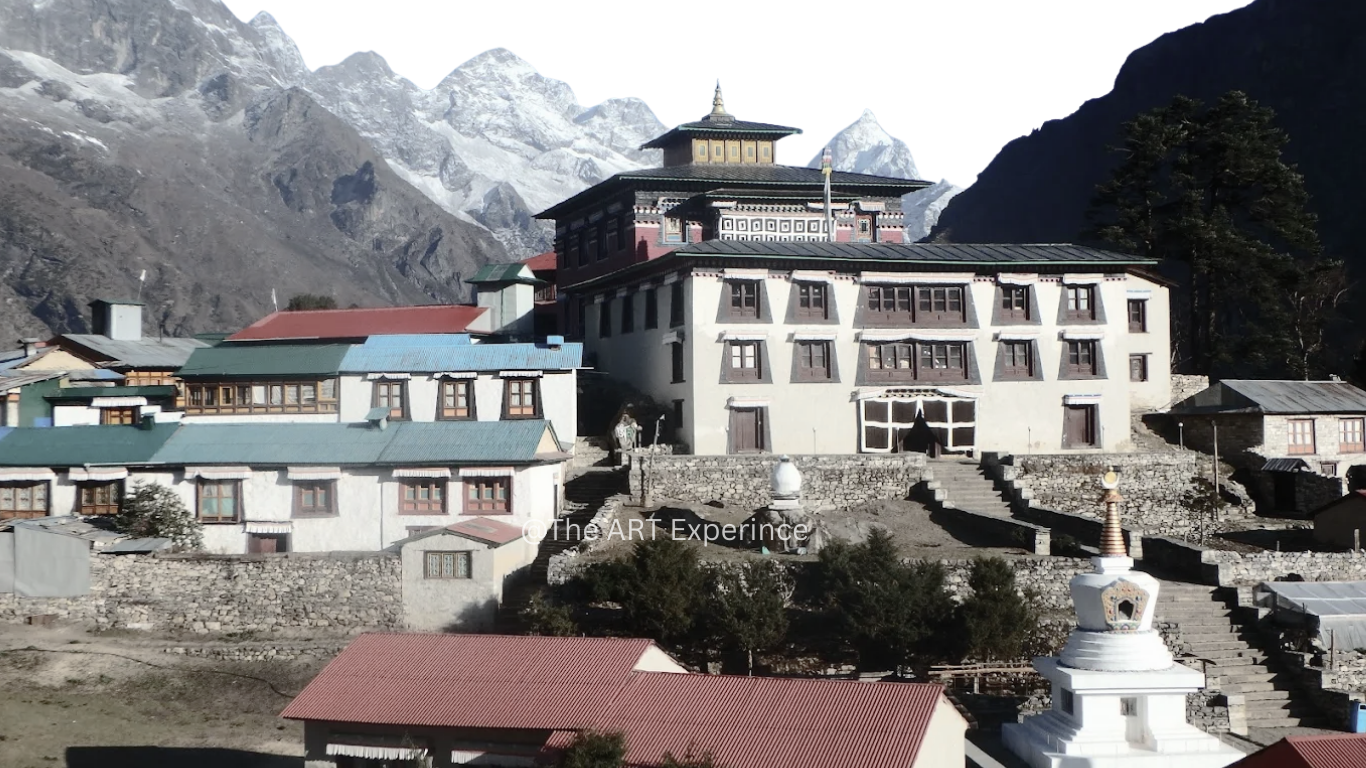
Pangboche, the gateway to Ama Dablam Base Camp, holds historical significance as one of the oldest Sherpa settlements in the Khumbu region. The local monastery here is a testament to the deep-rooted spiritual beliefs of the Sherpa people, who view Ama Dablam as a guardian of their valley. This cultural context adds layers of meaning to the trek, connecting visitors to the land in a way that transcends mere sightseeing.

In conclusion, embarking on the journey to Ama Dablam Base Camp is not a diversion from the Everest experience; rather, it is a vital completion of it. This sacred space enhances the trek, offering both physical acclimatization benefits and a deeper connection to the vibrant Sherpa culture that thrives in the shadow of these magnificent peaks. Read on to discover how this experience can transform your understanding of the Himalayas.

Experiencing the Serenity of Ama Dablam Base Camp

As you traverse the Khumbu region, the allure of Ama Dablam Base Camp becomes unmistakable. This destination, often overlooked in favor of the more famous Everest Base Camp, stands as a testament to the rich tapestry of Himalayan trekking. Nestled at an elevation of approximately 4,600 meters, Ama Dablam Base Camp is not merely a sidetrack but a defining moment in your Everest journey.

The name 'Ama Dablam' translates to 'Mother's Necklace,' symbolizing the mountain's cultural significance to the Sherpa people. Towering at 6,812 meters, it is often referred to as the 'Matterhorn of the Himalayas' due to its striking resemblance to the Swiss peak. First ascended in 1961, Ama Dablam has since become a beacon for climbers and trekkers alike, drawing them into its majestic presence.

Located along the traditional Everest trekking route, Ama Dablam Base Camp can be accessed from Pangboche, strategically positioned between Tengboche and Dingboche. This route not only enhances your trekking experience but also allows for a deeper appreciation of the region's cultural and natural beauty. The trek to the base camp provides stunning views of the mountain's iconic south face, which rises dramatically above the surrounding landscape, creating a visual spectacle that is both humbling and inspiring.

Standing at Ama Dablam Base Camp, one cannot help but be struck by the emotional impact of the moment. The surrounding peaks, including the towering Lhotse and the vast expanse of the Khumbu Glacier, create a breathtaking backdrop that evokes a sense of tranquility and connection to the mountains. In contrast to the bustling atmosphere of Everest Base Camp, Ama Dablam offers a more intimate experience, allowing trekkers to reflect and absorb the serenity of their surroundings.

Acclimatization is a critical aspect of high-altitude trekking, and the detour to Ama Dablam Base Camp serves as an essential part of this process. By spending time at this elevation, trekkers can enhance their physical adaptation, reducing the risk of altitude sickness as they continue their journey towards Everest.

Pangboche, the gateway to Ama Dablam, holds historical significance within the Sherpa community. The village is home to ancient monasteries and rich traditions, further deepening the cultural experience of the trek. The Sherpas' spiritual perception of Ama Dablam as a protective mother figure adds another layer of meaning to the journey, inviting trekkers to engage with the local culture in a respectful manner.

In conclusion, Ama Dablam Base Camp is not a distraction from the Everest journey; rather, it is a moment that completes it. The unique blend of stunning visuals, cultural significance, and valuable acclimatization opportunities makes this destination an essential stop for anyone trekking in the Himalayas. Read on to discover how this experience can enrich your understanding of the region and its people.

The Cultural Significance of Ama Dablam Base Camp

The Ama Dablam Base Camp is not merely a detour on the way to Everest; it is a defining experience that enriches your journey through the Khumbu region. Nestled at an elevation of approximately 4,600 meters, it offers trekkers an intimate connection with one of the Himalayas' most iconic peaks, Mt. Ama Dablam, which towers at 6,812 meters. This stunning mountain, often referred to as the 'Matterhorn of the Himalayas,' was first ascended in 1961 and has since captured the hearts of climbers and trekkers alike.

The name 'Ama Dablam' translates to 'Mother's Necklace,' symbolizing the mountain's distinctive shape resembling a woman protecting her child, adorned with a traditional necklace. This cultural significance resonates deeply with the Sherpa communities, who hold the mountain in high spiritual regard. Trekking to Ama Dablam Base Camp allows travelers to engage with this rich cultural tapestry, enhancing their understanding of the region beyond the physical act of trekking.

Situated conveniently between Tengboche and Dingboche, the base camp is accessible via the village of Pangboche, known for its historical significance as one of the oldest Sherpa settlements in the region. This route not only provides breathtaking views of Ama Dablam's south face but also offers a quieter alternative to the often-crowded Everest Base Camp. The tranquility of Ama Dablam Base Camp allows for a deeper reflection on the natural beauty surrounding you, making it a place of personal connection and introspection.

Standing at Ama Dablam Base Camp is a profoundly emotional experience. The towering peaks that encircle you, including the majestic Ama Dablam itself, evoke a sense of awe that is hard to match. The visual impact of the mountain, especially its iconic south face, is breathtaking, setting the stage for a moment of stillness amidst the grandeur of the Himalayas.

In contrast to the bustling atmosphere of Everest Base Camp, which can feel overwhelming with its throngs of trekkers and climbers, Ama Dablam Base Camp offers a sense of intimacy and connection with the landscape. This lesser-known gem allows for a more personal experience of the Himalayas, highlighting the beauty of solitude in nature.

Moreover, visiting Ama Dablam Base Camp serves a practical purpose in your trekking journey. The detour aids in acclimatization, allowing trekkers to adapt to the high altitudes of the region effectively. This gradual ascent is crucial for ensuring a safe and enjoyable experience as you continue towards Everest Base Camp.

Engaging with the Sherpa culture during your visit to Ama Dablam Base Camp is equally rewarding. The local community, with its rich traditions and history, adds layers of meaning to your trek. Pangboche, in particular, is known for its ancient monasteries and spiritual significance, which further enhances the overall experience.

In essence, Ama Dablam Base Camp is not a distraction from the Everest journey; it is a vital part of it. The combination of stunning vistas, cultural richness, and the opportunity for acclimatization makes this stop an essential part of your Himalayan adventure. Read on to discover how this extraordinary place can transform your journey in the Everest region.

The Emotional Resonance of Ama Dablam Base Camp

Standing at Ama Dablam Base Camp (~4,600 m) is an experience that transcends mere trekking. Here, the majestic mountain, often referred to as the 'Matterhorn of the Himalayas,' looms large, its south face presenting a dramatic and breathtaking view that captures the soul of every traveler. The visual impact of this site is profound. Surrounded by towering peaks, including Lhotse and Makalu, the camp offers a unique perspective that is both intimate and awe-inspiring.

The emotional undercurrents of this experience are palpable. For many trekkers, this moment is a culmination of their journey—a quiet sanctuary where the hustle of the Everest Base Camp (5,364 m) fades into memory. While Everest Base Camp is often bustling with climbers and trekkers, Ama Dablam Base Camp provides a serene contrast. Here, one can reflect on the journey, appreciate the natural beauty, and connect with the cultural significance of the region.

Moreover, the detour to Ama Dablam Base Camp serves a practical purpose. It enhances acclimatization, allowing trekkers to adapt physically to the altitude before continuing their ascent towards Everest. This thoughtful integration of cultural and physical elements makes the trek to Ama Dablam Base Camp an essential part of the Everest experience.

In the heart of the Khumbu region, Sherpa culture thrives, and the significance of Ama Dablam extends beyond its physical presence. For local communities, it is a sacred mountain, revered and respected. The village of Pangboche, the gateway to Ama Dablam Base Camp, is steeped in history and spirituality. It is here that the stories of the Sherpa people intertwine with the towering peaks, creating a rich tapestry of life, resilience, and reverence for the mountains.

As you stand in the shadow of Ama Dablam, you realize that this moment completes—not distracts from—your Everest journey. It is a reminder that the Himalayas are not merely a backdrop for adventure but a living testament to the enduring spirit of the land and its people. Read on to discover how this detour enriches your understanding of the majestic Himalayas.

The Emotional Impact of Standing at Ama Dablam Base Camp

Standing at Ama Dablam Base Camp (~4,600 m) is not merely a pause in your trek; it is a profound emotional experience. As you gaze up at the towering south face of Mt. Ama Dablam, which rises to 6,812 m, you are enveloped by a sense of awe that is difficult to articulate. The mountain, often referred to as the 'Matterhorn of the Himalayas,' commands attention with its distinct silhouette and formidable presence.

The surrounding peaks, including Lhotse and Makalu, create a breathtaking panorama that enhances the feeling of being part of something much larger than oneself. This is a moment where the heart and mind converge, igniting a realization of nature's grandeur. The tranquil atmosphere at the base camp, in stark contrast to the bustling Everest Base Camp, allows for a more intimate connection with the landscape.

While Everest Base Camp is often crowded with trekkers and climbers, the serenity of Ama Dablam Base Camp offers an opportunity for reflection and connection. Here, you can take a moment to breathe in the crisp mountain air, listen to the whispers of the wind, and feel the weight of the world lift, if only for a moment.

This unique setting not only serves as a visual feast but also as a vital acclimatization point. Spending time at Ama Dablam Base Camp can facilitate better physical adaptation to the high altitudes encountered on the Everest route. It is a chance to rest, hydrate, and prepare for the journey ahead.

As you stand amidst the shadows of these mighty peaks, you become aware of the Sherpa culture that thrives in this region. The spiritual significance of Ama Dablam is deeply rooted in the local community, who regard it as a sacred mountain. Such insights enrich your experience and deepen your understanding of the land you are traversing.

In conclusion, a visit to Ama Dablam Base Camp is not just a detour; it is an integral part of the Everest journey. It completes the trek by providing a moment of reflection, cultural immersion, and a deeper appreciation of the majestic Himalayas. Read on to discover how this experience shapes the narrative of your adventure.

The Cultural Significance of Ama Dablam

Ama Dablam, often referred to as the 'Matterhorn of the Himalayas,' stands majestically at 6,812 meters. The name translates to 'Mother's Necklace,' symbolizing the mountain's cultural importance in Sherpa communities as a protector and provider. Its first ascent in 1961 marked a significant milestone in Himalayan climbing history, drawing adventurers to its stunning, sharp ridges.

Located along the Everest trekking route, Ama Dablam Base Camp, situated at approximately 4,600 meters, is accessed from the charming village of Pangboche. This base camp lies conveniently between Tengboche and Dingboche, making it an integral part of the journey to Everest Base Camp. Trekking to Ama Dablam Base Camp is not merely a side expedition; it is a vital experience that enhances the overall adventure.

Standing at the base camp, trekkers are enveloped by breathtaking views of Ama Dablam's iconic south face, while surrounding peaks like Lhotse and Nuptse create a magnificent backdrop. This emotional and visual impact is a stark contrast to the often crowded atmosphere at Everest Base Camp, offering intimacy in the presence of towering giants.

Moreover, the detour to Ama Dablam Base Camp serves an important purpose for acclimatization. At this elevation, trekkers can improve their physical adaptation to high altitudes, making the subsequent ascent to Everest Base Camp more manageable.

In addition to its natural beauty, Ama Dablam holds deep spiritual significance for the Sherpa culture. Pangboche, one of the oldest villages in the Khumbu region, is renowned for its historical connections to mountaineering and the Sherpa way of life. Local beliefs hold Ama Dablam as a guardian, further enriching the experience of those who visit.

Thus, visiting Ama Dablam Base Camp completes—not distracts from—the Everest journey. It offers a unique blend of cultural depth, stunning visuals, and vital acclimatization opportunities, making it an essential stop for discerning travelers in the Himalayas.

The Emotional and Visual Impact of Ama Dablam Base Camp

Standing at Ama Dablam Base Camp, situated at an elevation of approximately 4,600 meters, one cannot help but feel a profound connection to the surrounding peaks. The towering 6,812-meter Mt. Ama Dablam, often referred to as the 'Matterhorn of the Himalayas,' dominates the skyline with its striking south face, known for its sheer granite walls and challenging climbing routes. The first ascent of this mountain took place in 1961, and since then, it has captivated trekkers and climbers alike.

The visual impact here is breathtaking. To the east, the majestic Lhotse (8,516 m) and Makalu (8,485 m) rise prominently, while to the west, the towering peaks of the Khumbu region create a dramatic backdrop. The emotional resonance of being in such a pristine and remote location is palpable, as trekkers often find themselves reflecting on their journey, the culture surrounding them, and the natural beauty of the Himalayas.

In contrast to the bustling Everest Base Camp, which can be overcrowded with climbers and trekkers during peak seasons, Ama Dablam Base Camp offers a sense of intimacy and tranquility. This quieter setting allows for deeper contemplation and a stronger connection to the landscape. The serenity here, combined with the awe-inspiring views, enhances the overall trekking experience, making it not just a diversion, but a vital part of the journey.

Moreover, the detour to Ama Dablam Base Camp significantly contributes to acclimatization. By ascending to this elevation before continuing towards Everest Base Camp, trekkers can improve their physical adaptation to the high-altitude environment. This gradual acclimatization is crucial for ensuring a safer and more enjoyable experience in the high Himalayas.

As one absorbs the beauty of Ama Dablam, it is essential to acknowledge the rich Sherpa culture that envelops this region. Pangboche, the nearest village, holds historical significance as one of the oldest Sherpa settlements in the Khumbu area. The local spiritual perceptions of Ama Dablam, viewed as a sacred mountain, add layers of meaning to the experience. The Sherpas regard it as the 'Mother's Necklace,' symbolizing both protection and nurturing.

In conclusion, visiting Ama Dablam Base Camp not only enhances the physical journey towards Everest but also enriches the emotional and cultural experience. It is a moment that completes, rather than distracts from, the Everest journey, offering a unique blend of natural beauty, cultural depth, and personal reflection. Read on to discover how this experience can transform your perspective on the majestic Himalayas.

The Emotional and Visual Impact of Ama Dablam Base Camp

Standing at Ama Dablam Base Camp (approximately 4,600 m) is an experience that transcends mere trekking. Surrounded by towering peaks, the view is dominated by the south face of Ama Dablam, rising to 6,812 m, which is often referred to as the 'Matterhorn of the Himalayas' due to its striking pyramidal shape. This camp offers a sense of intimacy that contrasts sharply with the bustling atmosphere of Everest Base Camp. Here, the silence is profound, and the air is filled with the whispers of the mountains, inviting introspection.

The emotional impact of this location is palpable. Many trekkers describe a feeling of awe, standing before the majestic peaks that have witnessed centuries of human endeavor. The sharp ridges and steep faces of Ama Dablam create a dramatic backdrop, instilling a sense of reverence for the natural world. As you gaze upon the mountain, you may find yourself reflecting on the rich tapestry of Sherpa culture, which venerates this peak as a sacred entity, often referred to as the 'Mother's Necklace' due to the prominent ridges resembling a protective mother’s arms.

This detour to Ama Dablam Base Camp not only enriches your visual experience but also serves as a crucial acclimatization step, allowing trekkers to adapt to the altitude before continuing on to Everest Base Camp. The benefits of acclimatization are well-documented, with research indicating that gradual exposure to higher elevations significantly reduces the risk of altitude sickness. By spending time at Ama Dablam Base Camp, you enhance your physical adaptation, ensuring a safer and more enjoyable journey as you approach the legendary Everest Base Camp.

In the quietude of Ama Dablam Base Camp, you may also encounter the spirit of the region's history, particularly in places like Pangboche, one of the oldest Sherpa settlements in the Khumbu region. The community's deep-rooted traditions and their connection to the mountains create a unique cultural tapestry that enriches your trekking experience. As you absorb the beauty of your surroundings, you simultaneously partake in the living history of the Himalayas—a narrative shaped by both climbers and the Sherpa people who call this region home.

Ultimately, a visit to Ama Dablam Base Camp is not merely a side trek; it is a vital part of the Everest journey that completes your experience. It invites you to pause, reflect, and appreciate the profound beauty and cultural significance that this region embodies. Read on to discover how this journey deepens your connection to the Himalayas and enhances your understanding of the mountains’ enduring legacy.

The Unmissable Experience of Ama Dablam Base Camp

Ama Dablam Base Camp (~4,600 m) is not merely a side trek on your journey to Everest; it is a pivotal experience that enriches your understanding of the Himalayas. Situated in the Khumbu region of Nepal, this stunning base camp offers trekkers a unique glimpse into the majestic beauty of Mt. Ama Dablam (6,812 m), often referred to as the 'Matterhorn of the Himalayas' due to its distinctive shape and striking presence. The first ascent of Ama Dablam was achieved in 1961, marking it as a significant achievement in the annals of Himalayan climbing history.

'Ama Dablam' translates to 'Mother's Necklace,' a name that reflects its cultural significance in Sherpa tradition. The mountain's south face, with its sheer granite walls and glacial formations, evokes a sense of reverence among locals, who see it as a guardian of the Khumbu valley.

Accessing Ama Dablam Base Camp from Pangboche places it conveniently between Tengboche and Dingboche on the Everest trekking route. This positioning allows trekkers to immerse themselves in the landscape while benefiting from acclimatization opportunities. The trek from Pangboche to the base camp is approximately 3 to 4 hours, with the trail offering breathtaking views of surrounding peaks.

Standing at Ama Dablam Base Camp is a profound experience. The visual impact of the towering mountain is complemented by a panorama of other Himalayan giants, creating an intimate atmosphere that contrasts sharply with the often-crowded Everest Base Camp. Here, you can reflect on the silence of the mountains, allowing for a personal connection that is sometimes lost amidst the hustle of larger trekking crowds.

Moreover, this detour serves a practical purpose. The gradual ascent to Ama Dablam Base Camp aids in acclimatization, improving your body's ability to adapt to the higher elevations of the Everest region. This is particularly important for trekkers aiming for Everest Base Camp, as proper acclimatization can significantly enhance your trekking experience.
Incorporating a visit to Ama Dablam Base Camp also deepens your appreciation for Sherpa culture. The village of Pangboche, one of the oldest in the region, is steeped in history and spirituality. The local monastery, home to ancient Buddhist artifacts, underscores the spiritual significance of Ama Dablam, reinforcing the bond between the mountain and the Sherpa people.

In conclusion, Ama Dablam Base Camp is not a diversion from your Everest journey; rather, it is an essential component that completes the experience. As you stand at the base of this iconic mountain, you will find that the journey to Everest is not just about reaching a destination, but about understanding the profound connections between culture, history, and the majestic landscape that surrounds you.

Our content is based on reliable, verified sources including government data, academic research, and expert insights. We also reference reputable publishers and primary sources where appropriate. Learn more about our standards in our editorial policy.

  1. The Himalayan Database. “Ama Dablam First Ascent Records”

Frequently asked questions

Quick answers based on this article.

What is the height of Ama Dablam?

Ama Dablam stands at 6,812 meters.

When was Ama Dablam first ascended?

The first ascent of Ama Dablam occurred in 1961.

How does Ama Dablam Base Camp compare to Everest Base Camp?

Ama Dablam Base Camp offers a quieter, more intimate experience compared to the crowded Everest Base Camp.

What is the elevation of Ama Dablam Base Camp?

Ama Dablam Base Camp is situated at approximately 4,600 meters.

What cultural significance does Ama Dablam hold?

Ama Dablam is often referred to as the 'Mother's Necklace' in Sherpa culture, symbolizing protection.

How can I access Ama Dablam Base Camp?

Ama Dablam Base Camp can be accessed from Pangboche, naturally fitting between Tengboche and Dingboche.

What are the acclimatization benefits of visiting Ama Dablam Base Camp?

Visiting Ama Dablam Base Camp aids in acclimatization and improves physical adaptation to high altitudes.

What is the best season to visit Ama Dablam Base Camp?

The best seasons for trekking to Ama Dablam Base Camp are spring (March to May) and autumn (September to November).

What are some notable peaks visible from Ama Dablam Base Camp?

From Ama Dablam Base Camp, trekkers can view several prominent peaks including Lhotse and Makalu.

What is the significance of Pangboche in relation to Ama Dablam?

Pangboche is historically significant as one of the oldest Sherpa villages and is closely tied to the cultural heritage of Ama Dablam.

How does the experience at Ama Dablam Base Camp differ emotionally from Everest Base Camp?

The emotional impact at Ama Dablam Base Camp is often described as more profound due to its serene environment.

What is the meaning of the name 'Ama Dablam'?

The name 'Ama Dablam' translates to 'Mother's Necklace' in the Sherpa language, reflecting its cultural importance.

Is there a spiritual aspect to Ama Dablam?

Yes, Ama Dablam holds spiritual significance for the local Sherpa people, who view it as a sacred mountain.

What makes the trek to Ama Dablam Base Camp essential for Everest trekkers?

The trek to Ama Dablam Base Camp enhances the overall Everest journey by providing unique perspectives and experiences.

What type of travelers should consider visiting Ama Dablam Base Camp?

Discerning travelers and mountaineers seeking a deeper connection with the Himalayas should consider visiting Ama Dablam Base Camp.

What are the challenges of trekking to Ama Dablam Base Camp?

Trekking to Ama Dablam Base Camp involves navigating high altitudes and varying terrain, requiring good physical fitness.

Are there guided tours available for Ama Dablam Base Camp?

Yes, there are several trekking companies that offer guided tours to Ama Dablam Base Camp.

What wildlife can be found around Ama Dablam?

The region around Ama Dablam is home to various wildlife, including Himalayan tahr and several bird species.

How long does it take to trek to Ama Dablam Base Camp?

The trek to Ama Dablam Base Camp typically takes about 10 to 12 days, depending on the route and acclimatization.

What is the weather like at Ama Dablam Base Camp?

Weather at Ama Dablam Base Camp can be unpredictable, with temperatures ranging from mild to freezing, especially at night.

What equipment is recommended for trekking to Ama Dablam Base Camp?

Essential equipment includes sturdy trekking boots, warm clothing, a sleeping bag suitable for cold weather, and trekking poles.

What is the significance of the Sherpa community in the Ama Dablam region?

The Sherpa community plays a crucial role in the cultural and historical context of the Ama Dablam region, contributing to its rich heritage.

Can I find accommodation near Ama Dablam Base Camp?

Yes, there are tea houses and lodges available for accommodation along the trekking route to Ama Dablam Base Camp.

Didn’t find your answer? Contact us

Prefer WhatsApp or a quick call? We reply fast.

ART Experience Reviews

Share your ART experience

Add media, drop your rating, and write a few words. Submissions go to the Review Manager for approval.

Related articles

More reading selected from the same theme.