Loading Alpine AI

Everest Base Camp 2025 Update

Alpine RambleEverestPublished: Dec 31, 2025Updated: Dec 30, 2025

The Everest Base Camp trek, located in one of the most visited regions of Nepal, is a high-priority destination for both trekkers and mountaineers. It falls in the category of places known for their dramatic Himalayan landscapes and strong cultural identity. 


This trek provides a golden opportunity; the route leads deep into the Khumbu region, where towering peaks and rich Sherpa heritage create an experience that feeds both adventurous and spiritual hunger.


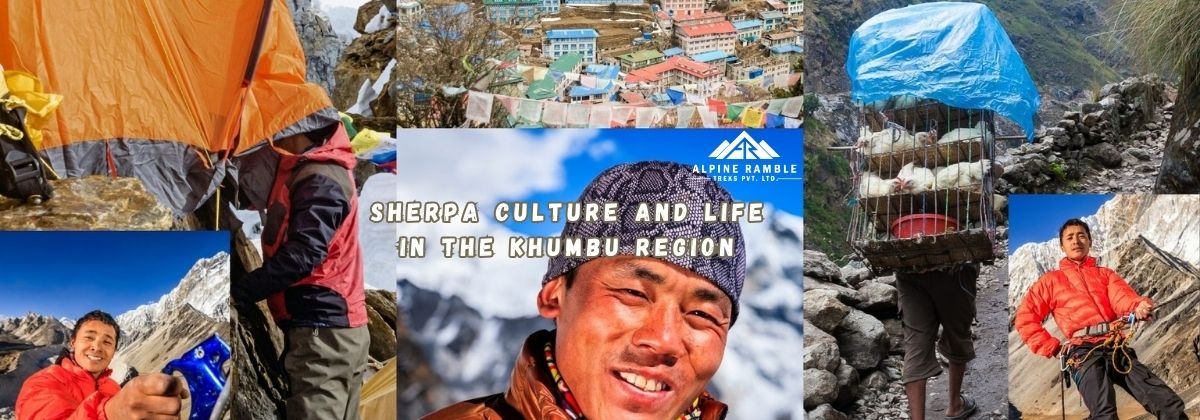
Passing through traditional Sherpa villages filled with stone houses, walking side by side of the Dudhkoshi River and prayer wheels, and seeing long lines of colorful flags that carry Buddhist mantras is what many consider a once-in-a-lifetime experience. These communities reflect a way of life shaped by resilience, faith, and a close connection to the surrounding peaks.


There are locations filled with spiritual energy on the trail, which also guides trekkers to immerse in their own spiritual freedom. The monasteries, such as Tengboche Monastery, Khumjung Monastery, and Pangboche Monastery, are where monks gather for daily prayers under the shadow of Everest and Ama Dablam. 


The Everest Base Camp Trek is filled with the stunning natural beauty of majestic mountains like Thamserku, Kangtega, and Ama Dablam, while the giants Lhotse and Everest dominate the skyline ahead; it also showcases the unique Sherpa culture and the spiritually rich Buddhist traditions, offering the ultimate flavors of both mountains and spirituality. 


The Everest Base Camp trek is more than just a place to go. It has beautiful scenery, a rich Himalayan culture, and deep spirituality. It provides a genuine look into the heart of the mountains and the people who call them home.


Everest Base Camp | Nepal Tourism Board 

Everest Base Camp | Trek to EBC | Nepal Tourism Board


  • General Introduction of EBC

  • Mountains and Culture

  • Sherpa Villages, Monasteries, Prayer Flags & Mani Walls


Trekking Permit

TIMS Card | Plan your trip | Nepal Tourism Board 

Updated Trekking Permits

As of 2025, there have been many changes or updates in regulation trekking in the Everest region (and other protected Himalayan areas) as an effort to ensure better safety and travel experiences as well as benefits to the communities.


Here’s what’s new:  

TIMS Card (Trekkers’ Information Management System)

On March 31, 2023, the TIMS card system was revised, and now trekkers are mandated to be accompanied by a registered trekking guide for most trekking destinations, including the Everest Base Camp. 


Sagarmatha National Park Entrance Permit 

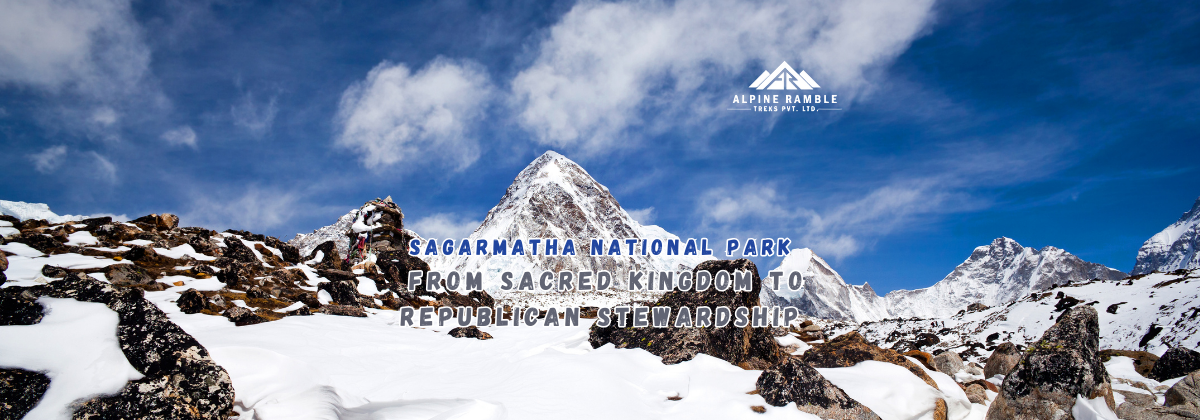
It is imperative that trekkers entering the Sagarmatha National Park obtain a standard entry permit. It can be obtained from the Nepal Tourism Board in Kathmandu or in the Everest region, Monjo or Lukla. 


As the national park is listed as a UNESCO world heritage site, a portion of its proceeds goes for the conservation efforts, community development and environment. 


Pasang Lhamu Rural Municipality Permit 

There has been an addition to the permit for Everest Base Camp or any destination inside the Khumbu region, so trekkers must now obtain the local municipality permit, known as the Pasang Lhamu Rural Municipality Permit. 


This permit supports the local communities and ensures funding for trail management and other community development projects. 


Gaurishankar Conservation Area Permit (optional) 

This is a very optional permit that is only required if you are doing the “classic Everest Base Camp Trek” via Jiri or Salleri. As the trail passes through the Gaurishankar Conservation Area, getting the permit for the protected area is crucial. 


Documents Required for EBC 2025 

Apart from the permits, these are the required documents for the Everest Base Camp trek in 2025: 

  • Valid Passport

  • Passport-Sized Photos

  • Travel Insurance


Every foreign trekker must carry a valid passport, as Nepal’s Department of Immigration verifies your identity and visa status before issuing trekking permits. The passport-sized photos are for issuing the TIMS card and local entrance permit into the Khumbu Region. It is to match your permit details with your identity. 


Aside from passport and photos, travel insurance is another equally important requirement. It is crucial that your travel insurance include high-altitude coverage and helicopter evacuation so that it can be used in case of emergencies.


When it comes to itineraries for the Everest Base Camp, even in 2025, the standard is the classic route that has been followed by trekkers for decades. However, there have been additions of multiple routes with flexible options suited to match the requirements of the trekkers, such as timeframe and budget. 


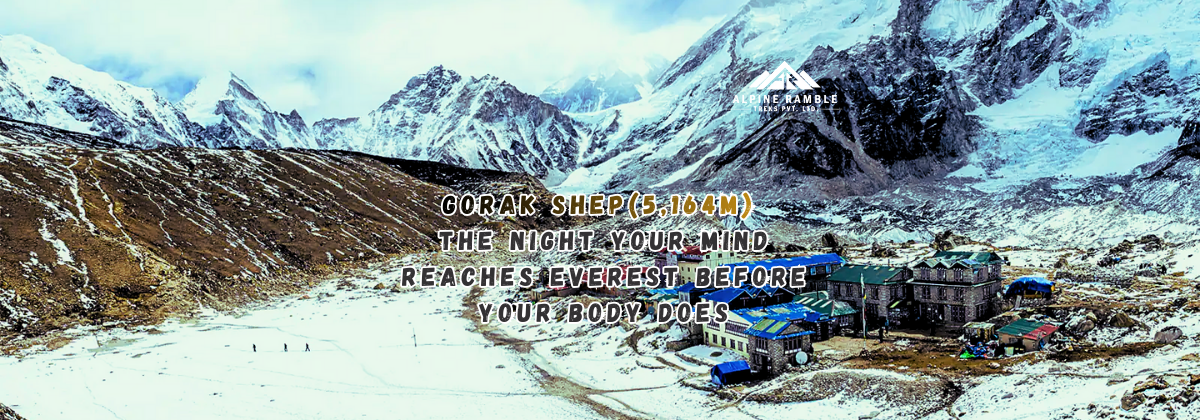
You can find a standard Everest Base Camp Trek that usually takes anywhere from 12-14 days depending on transportation choices and acclimatization needs. This includes important overnight stops in places like Namche Bazaar, Tengboche, Dingboche, and Gorak Shep. 


The route gives you plenty of time for rest days, which are important at higher altitudes to get used to the altitude safely. Trekkers walk for 5 to 7 hours a day at a steady pace. The last push to Everest Base Camp and Kala Patthar is often the most memorable part of the trip.

There are also alternatives for people who prefer not to walk as much, seek a luxurious experience, or choose a different route. Some possible itineraries include trekking to the Everest Base Camp via Gokyo and returning by helicopter. 

Permit and Entrance Fees

As we have previously established, permits are an essential part of the Everest Base Camp trek. Altogether the Sagarmatha National Park Entry Permit and the Khumbu Pasang Lhamu Rural Municipality Permit are required, and their fees are regulated by Nepal’s tourism authorities.


And as of 2025, the entry permit to Sagarmatha NP costs NPR 3,000 for foreign trekkers (with discounted rates for SAARC & Nepali nationals).


Guide and Porter Cost

Porters, while not mandatory, and trekking guides are absolutely necessary to accompany you during the trek to the Himalayas. They are an essential part of trekking safely and responsibly in the Everest region.


For legal and safe trekking, guides must be registered professionals with valid credentials verified through the Nepal Tourism Board and related agencies. Licensed trekking companies usually also set up porters and other support staff, making sure that the conditions are fair and that the companies follow industry standards.


In practice, licensed guides typically earn a daily rate that reflects their training, experience, route knowledge, and safety responsibilities. Porters also receive daily wages set by the hiring trekking agency, based on load capacity, route difficulty, and duration of the trek.

TAAN’s oversight ensures that agencies follow ethical hiring practices, comply with national tourism regulations, and support fair working conditions for trekking staff, even though the exact wages vary from company to company.


General Trek Package Cost

The cost of the package for the itinerary depends on the itinerary, choice of transportation, and the overall service taken. It also depends on the company itself based on the services they provide. The standard itinerary will have a similar price range for most trekking companies. 


  • Local teahouses provide simple, clean rooms for trekkers on the Everest Base Camp trek.

  • Lower villages like Lukla and Namche Bazaar have more comfortable lodges, while higher-altitude villages have simpler ones.

  • Warm, filling, energy-packed trail food includes rice, lentils, noodles, soups, and bread.

  • Menus are broader at lower elevations and more limited closer to Everest Base Camp due to transport and storage challenges.

  • Lower elevations have fresher food, while higher elevations have dried, packaged, or preserved ingredients.

  • Meat dishes are scarce at higher altitudes, but vegetarian and vegan meals are readily available.

  • Overall, food and accommodation in 2025 remain practical and reliable, well suited to the demands of trekking at high altitude rather than luxury travel.

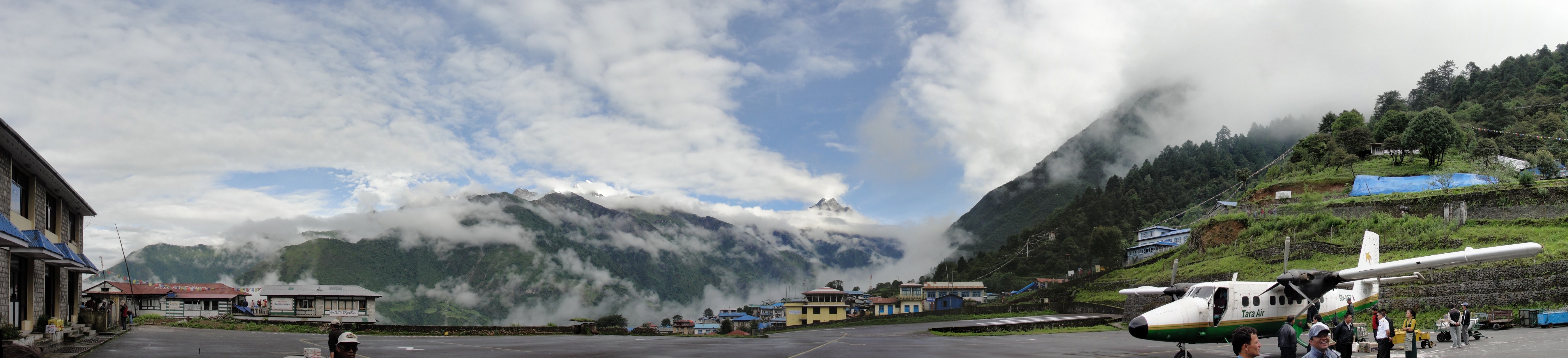
Tenzing-Hillary (Lukla) Airport is in Khumbu Pasang Lamhu-2 Rural Municipality of Solukhumbu District, Koshi Province. It is known for being the busiest Short Take-Off and Landing (STOL) airport and is considered the major airport for earning foreign currency. 


Flight Time & Early Morning Schedules

As per the information provided by the Civil Aviation Authority of Nepal (CAAN), the flight operation hours are from 06:00 to 18:45 (local time) between February 16 and November 15 and from 06:30 to 18:00 between November 16 and February 15.


Delays and Cancellations

Because of unpredictable mountain weather, delays and cancellations are something that can happen regularly. But delays are usually sorted out once the weather clears, while cancellations will have to wait for the next day. 


This is why it's best to have an extra day or two in case of flight delays or cancellations. The trekking company you have chosen usually will sort everything out for you if these types of scenarios arise. 


Other Alternatives (Helicopter, Road Access)

While the most common way to reach the park from Kathmandu is a direct flight to Lukla from either Kathmandu or Ramechhap airport, there are other alternatives, such as taking a bus to Jiri and walking the classic route, reaching Monjo, the entry point of Sagarmatha National Park. or a flight to Phaplu and drive to Tham Dada. 


Weather plays a big role in how enjoyable and safe the Everest Base Camp trek can be, and 2025 follows the same pattern seen in recent years. The Everest region experiences cold temperatures year-round, with clearer skies and more stable conditions during spring (March–May) and autumn (September–November). 


These two seasons continue to be the best for trekking, offering comfortable daytime temperatures at lower elevations and the highest chances of good visibility. 


At the same time, long-term climate studies from WWF Nepal show that the Khumbu region is experiencing gradual changes in temperature and precipitation patterns. These shifts can sometimes lead to more unpredictable weather, especially at higher elevations, where storms or sudden cold spells may develop faster than expected.


Overall, trekkers can expect the classic Himalayan weather pattern: clear and stable conditions in spring and autumn, colder winter months, and rainy summer monsoon periods. With good preparation and awareness of changing conditions, 2025 remains an excellent year to experience the Everest Base Camp trek.


Weather Trends Throughout 2025

  • Showcase weather patterns throughout 2025 based on this link 


Preparing the right gear is one of the most important parts of getting ready for the Everest Base Camp trek. Weather in the Himalayas shifts quickly, with warm sun at lower elevations and freezing winds in higher valleys, so having a well-planned packing list ensures safety, comfort, and a smoother trekking experience. A good packing system also reduces unnecessary weight, helping you conserve energy throughout the 12–14 days on the trail.


Required Packing Essentials

For the Everest Base Camp trek, having the right essentials makes a big difference in safety and comfort. The goal is to stay warm, dry, and well-prepared for rapidly changing mountain conditions. Trekkers should focus on lightweight but reliable gear that handles cold mornings, strong winds, and long days on the trail.

Key essentials include:

  • Thermal base layers (top and bottom)

  • Insulated jacket (down or synthetic)

  • Waterproof and windproof shell jacket and pants

  • Warm hat, gloves, and neck gaiter

  • Sturdy, broken-in hiking boots

  • A warm sleeping bag suitable for sub-zero nights

  • Sunglasses and high-SPF sunscreen

  • Water purification tablets or filter

  • Headlamp with spare batteries

  • A 30–40 L daypack and a 60–80 L duffel bag

Bringing the right essentials ensures you stay comfortable across different altitudes and weather zones throughout the trek.

Layering System

The layering system is the most effective way to manage temperature changes on the EBC trek. As you move from warm lower valleys to freezing high-altitude environments, layering allows you to adjust quickly and avoid both overheating and getting too cold.


A simple three-layer system works best:

  • 1. Base Layer

  • 2. Mid Layer

  • 3. Outer Layer


With this system, you can easily remove layers when you heat up during a climb and add them back on during rest stops or when higher winds pick up at altitude.


While there are definitely an overwhelming number of good experiences that range from spectacular views of the giant Himalayas to colorful cultures and traditions, it is easy to overlook the safety aspect of trekking to the Everest Base Camp. 


But when it comes to trekking in the mountains, health and safety should be the primary priority. High-altitude environments mean lower oxygen levels, colder temperatures, and higher physical demand, so adapting and acclimatizing are extremely crucial. 


In 2025, safe trek planning will include knowing how altitude affects the body, how to prepare for EBC, getting ready physically and mentally, and getting the right insurance.


Altitude Sickness (AMS)

The most common health problem for people who are trekking to Everest Base Camp is acute mountain sickness (AMS). Headache, nausea, dizziness, trouble sleeping, and tiredness are common symptoms that start above 2,500 meters. AMS happens because the body needs time to get used to lower levels of oxygen.


Gaining elevation too quickly can trigger AMS and the symptoms include: 

  • Headache (the most common symptom)

  • Nausea and vomiting

  • Loss of appetite

  • Fatigue, even when resting

  • Trouble sleeping.

  • Dizziness or lightheadedness, etc.


If you start to feel sick, the best thing to do is stop climbing and let your body get used to it. If symptoms worsen, descending even a few hundred meters can bring rapid relief.


HACE and HAPE

Beyond mild altitude sickness, there are more severe, potentially life-threatening conditions:


High-Altitude Cerebral Edema (HACE) happens when fluid builds up in the brain. Symptoms include confusion, loss of coordination, severe headache, and extreme lethargy.


High-Altitude Pulmonary Edema (HAPE) is fluid accumulation in the lungs, causing shortness of breath at rest, persistent coughing (sometimes with frothy sputum), and difficulty breathing.


Acclimatization Practices

The best way to avoid getting sick from high altitude on the EBC trek is to acclimatize properly. The best approach is to let your body adapt to the low oxygen level of the high altitude. Typical acclimatization practices include:


  • Slow ascent, gaining 300–500 meters per day above 3,000 meters.

  • Plan rest days at key points like Namche Bazaar and Dingboche to adjust your body.

  • Maintaining hydration and diet.

  • Alcohol and heavy exertion should be avoided early in altitude exposure.


Physical and Mental Fitness

The Everest Base Camp is a physically demanding trek. While technical climbing skills are not required, you still have to hike up and downhill for an average of 6–7 hours over almost two weeks. 


Trekking for multiple days, carrying a daypack, and coping with uneven terrain all demand cardiovascular endurance and strength. Therefore, physically preparing yourself at least 4-6 weeks before the trek is highly recommended. 


In addition to physical fitness, mental health is equally important. Challenges such as cold weather, long hiking days, and altitude discomfort can put you in an uncomfortable situation. Being mentally ready for slower progress, variable weather, and physical strain helps trekkers stay focused and safe throughout the journey.


Updated Insurance Requirements for 2025

Travel insurance for an Everest Base Camp trek in 2025 should include:

  • Emergency helicopter evacuation

  • Coverage for high-altitude trekking (up to at least 5,500 meters)

  • Medical treatment in Nepal

  • Trip delay or cancellation benefits


As costs for helicopter rescue and high-altitude medical care rise, many trekking operators now require evidence of high-altitude evacuation coverage before issuing permits. This helps ensure trekkers have financial protection if they encounter serious health issues during the trek.

Over the years, safety and emergency support in the Everest Base Camp area have gotten better and better to keep trekkers, climbers, and local communities safe. 


In 2025, rescue systems are even better organized. This includes medical aid posts, helicopter evacuation services, and coordinated emergency responses. The Nepal Tourism Board has actively supported the enhancement of rescue equipment and capabilities to ensure greater safety for visitors to the Himalayas. 


In the remote terrain of the Khumbu region, road access is limited or nonexistent above certain elevations, so rescue and evacuation systems rely heavily on well-trained local responders, medical aid posts, and helicopter evacuations when conditions allow.


Access to Nearest Health Posts/Hospitals

Along the Everest Base Camp trekking route, trekkers have access to a network of established health posts, clinics, and hospitals that support both local communities and visitors. These facilities provide basic medical care, emergency support, and coordination for evacuation when needed.


Health posts and hospitals along the EBC trail include:

Lukla – Local health post/basic medical services

Monjo – Village health clinic (Kunde Hospital outreach)

Namche Bazaar – Health post and medical clinics

Khumjung – Village clinic (Kunde Hospital outreach)

Khunde / Kunde – Kunde Hospital (regional community hospital)

Thame – Village clinic (Kunde Hospital outreach)

Phortse – Village clinic (Kunde Hospital outreach)

Dingboche – Seasonal medical clinic (operational during peak trekking seasons)

Pheriche – Himalayan Rescue Association Aid Post

Everest Base Camp – Seasonal medical clinic during peak seasons


These facilities form an important safety network for trekkers in the Everest region, ensuring access to medical care at various elevations before evacuation to larger hospitals becomes necessary.


The Everest Base Camp trek remains one of the most iconic journeys in the world, and 2025 is still a great time to plan it if you go in with the right knowledge and preparation. The trail through the Khumbu region feels timeless, but things like permits, flights, safety measures, and travel requirements continue to evolve, which makes it important for trekkers to stay updated before they begin.

Knowing the current regulations, expected costs, weather conditions, and altitude risks makes the entire experience smoother and much safer. Improvements in rescue support and medical access, along with better awareness about acclimatization and insurance, also bring extra reassurance to anyone heading toward the high Himalayas.

With careful planning, an open mindset, and genuine respect for local culture and mountain conditions, the Everest Base Camp trek in 2025 offers a beautiful mix of adventure, breathtaking scenery, and meaningful cultural moments. When you are well informed, you can worry less about logistics and fully enjoy what matters most: walking among the highest peaks on earth and connecting with the people who live in this extraordinary region.

Our content is based on reliable, verified sources including government data, academic research, and expert insights. We also reference reputable publishers and primary sources where appropriate. Learn more about our standards in our editorial policy.

No sources listed for this article yet.

Frequently asked questions

Quick answers based on this article.

Is the Everest Base Camp trek open in 2025?

Yes, the Everest Base Camp trek is open in 2025, and trekking is operating normally with required permits and regulations in place.

What is the best time to trek to Everest Base Camp in 2025?

The best seasons are spring (March to May) and autumn (September to November) due to stable weather and clear mountain views.

Do I need a guide for the Everest Base Camp trek in 2025?

Hiring a licensed guide is strongly recommended for safety, navigation, and local knowledge, even though the route is well marked.

What permits are required for the EBC trek in 2025?

You need the Sagarmatha National Park Permit and the Khumbu Pasang Lhamu Rural Municipality Permit. TIMS requirements may apply depending on trekking arrangements.

How difficult is the Everest Base Camp trek?

The trek is physically demanding but does not require technical climbing skills. Physical fitness and steady pacing are essential.

How long does the Everest Base Camp trek usually take?

Most itineraries take 12 to 14 days from Lukla to Lukla, including acclimatization days.

What is the highest altitude reached on the trek?

Everest Base Camp sits at approximately 5,364 meters above sea level.

Is altitude sickness common on the EBC trek?

Mild altitude symptoms are common, but serious conditions can usually be avoided with proper acclimatization and gradual ascent.

Are there medical facilities along the EBC route?

Yes, there are health posts, clinics, and aid stations in villages such as Namche Bazaar, Pheriche, and near Everest Base Camp during peak seasons.

Is helicopter rescue available on the EBC trek?

Yes, helicopter evacuation is available in emergencies, weather permitting, and requires appropriate travel insurance.

What type of accommodation is available during the trek?

Accommodation is mainly in teahouses offering basic rooms, shared bathrooms, and dining facilities.

What kind of food is available on the trek?

Meals are simple and energy-focused, including rice, lentils, noodles, soups, and bread. Menus are more limited at higher elevations.

Can vegetarians or vegans do the EBC trek?

Yes, vegetarian meals are widely available. Vegan options are possible with advance communication and simple adjustments.

How cold does it get on the Everest Base Camp trek?

Daytime temperatures can be mild in lower areas but drop significantly at higher elevations. Nights are often below freezing.

How much does the Everest Base Camp trek cost in 2025?

Costs vary based on services, duration, and comfort level, but typically include permits, guides, accommodation, food, and transportation.

Are flights to Lukla reliable in 2025?

Flights are weather dependent and often operate early in the morning. Delays and cancellations are common, especially in peak seasons.

Can I trek to EBC without flying to Lukla?

Yes, alternative routes using road access and longer walking days are possible but add extra time to the itinerary.

What insurance is required for the EBC trek?

Travel insurance must cover high-altitude trekking and emergency helicopter evacuation.

Is internet or phone service available on the trek?

Mobile networks and Wi-Fi are available in many villages, though connections can be slow or unreliable at higher altitudes.

Is the Everest Base Camp trek suitable for first-time trekkers?

Yes, with good preparation, fitness, and realistic expectations, many first-time trekkers successfully complete the EBC trek.

Didn’t find your answer? Contact us

Prefer WhatsApp or a quick call? We reply fast.

ART Experience Reviews

Share your ART experience

Add media, drop your rating, and write a few words. Submissions go to the Review Manager for approval.

Related articles

More reading selected from the same theme.