The Festival of Nepal is a vibrant tapestry woven from the threads of various traditions, beliefs, and communities. Each festival reflects the rich cultural heritage of Nepal, showcasing the diversity of its people. Major festivals include Dashain, Tihar, Holi, Janai Purnima, ChitraGupt Puja, Lhosar, and Buddha Jayanti, each celebrated with unique customs and rituals.
**Dashain** is the most significant Hindu festival in Nepal, celebrated over 15 days in honor of the goddess Durga. Families reunite, worship, and share meals, emphasizing the importance of family bonds.
**Tihar**, also known as the festival of lights, follows Dashain and lasts for five days. Each day is dedicated to different animals, culminating in the worship of Laxmi, the goddess of wealth.
**Holi**, the festival of colors, celebrates the arrival of spring. Participants throw colored powders and water at each other, symbolizing joy and the victory of good over evil.
**Janai Purnima** marks the end of the monsoon season and is observed by the Hindu community. During this festival, men change their sacred threads, and families gather for rituals and feasting.
**ChitraGupt Puja** honors ChitraGupt, the deity responsible for maintaining the records of human deeds. This festival is significant for the Kayastha community, who perform rituals to remember their ancestors.
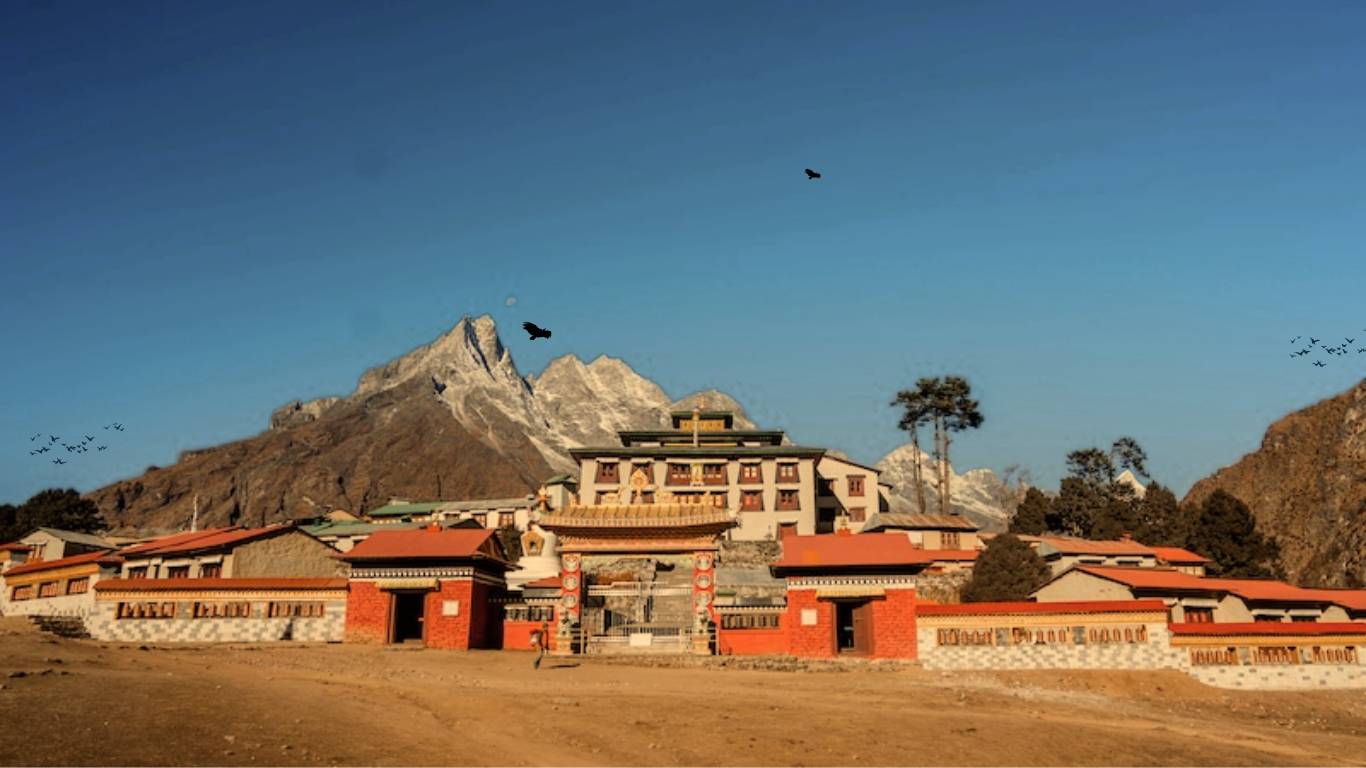
**Lhosar**, celebrated by various ethnic groups, marks the Tibetan New Year. It involves traditional music, dance, and feasting, showcasing the rich cultural heritage of the Sherpa and Tamang communities.
**Buddha Jayanti** commemorates the birth, enlightenment, and death of Siddhartha Gautama, known as Buddha. Celebrations include prayers, offerings, and processions, reflecting the importance of Buddhism in Nepalese culture.