Loading Alpine AI
The Kingdom of Upper Mustang: A Living Memory of a Lost Civilization

The Kingdom of Upper Mustang: A Living Memory of a Lost Civilization

Alpine RambleCultural InsightsPublished: Jan 10, 2026Updated: Jan 20, 2026
PostLinkedInFacebookWhatsApp
The Birth of a Kingdom

The Kingdom of Upper Mustang emerged in the 15th century, nestled in the arid landscapes of the Himalayas, where the rugged mountains acted as both shield and barrier. Its geographic isolation, positioned strategically between Tibet and the Indian subcontinent, allowed it to cultivate a distinct identity. The harsh terrain dictated not just the survival strategies of its inhabitants but also shaped their governance and cultural practices. Here, the natural world was both a sustainer and a teacher, fostering a community that thrived in harmony with its environment. As the world outside transformed, Upper Mustang remained a bastion of continuity, where the echoes of the past lingered in the winds that swept across its valleys.

Lo Manthang and Royal Legacy

At the heart of Upper Mustang lies Lo Manthang, the walled capital that encapsulates the essence of its royal heritage. The walls, built from local stone and mud, were more than mere fortifications; they represented a sanctuary where culture and governance intertwined. Rulership in Lo Manthang was not defined by conquest but by the delicate balance of power and survival. The monarchy, deeply embedded in the daily lives of its people, symbolized stability and continuity in a land where nature often dictated the terms of existence. Power here was a responsibility, a commitment to protect a way of life that thrived in the shadows of towering peaks.

Tibetan Cultural Continuity

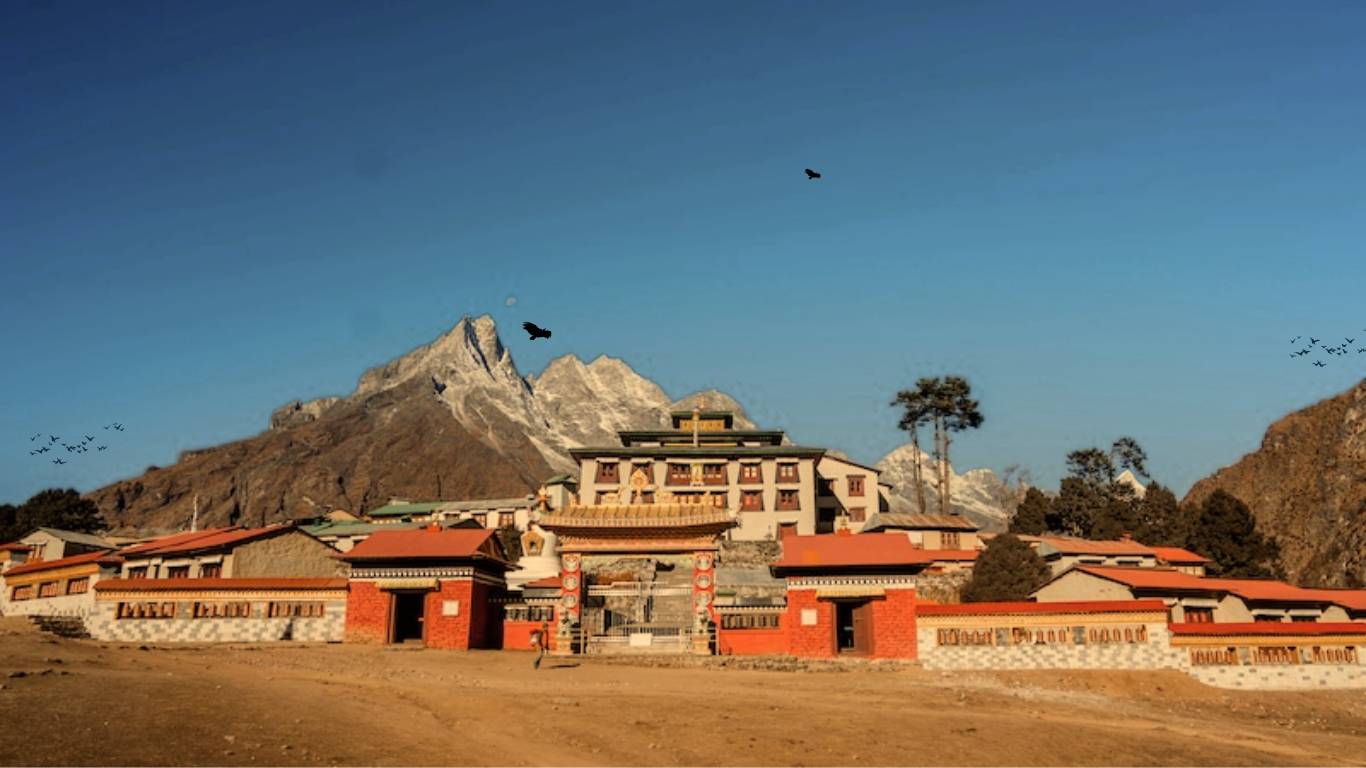
Upper Mustang stands as one of the last sanctuaries of Tibetan Buddhist culture, a living testament to a way of life that has remained largely untouched by the modern world. The language spoken, the vibrant dress, the intricate architecture, and the deeply rooted belief systems are all markers of an unbroken lineage. Despite the political upheaval in Tibet, Upper Mustang managed to preserve its traditions, rituals, and practices, creating a cultural oasis in a rapidly changing landscape. Here, the past is not merely remembered; it is lived, woven into the fabric of daily existence, where each prayer flag fluttering in the wind carries whispers of ancient wisdom.

Life Before the World Arrived

Before roads and permits dictated the rhythm of life, Upper Mustang thrived on ancient trade routes that linked it to distant lands. The salt caravans that traversed these paths were lifelines, sustaining communities that relied on seasonal migration and the generosity of the land. Life was dictated by the elements—wind, altitude, and scarcity shaped daily routines and community bonds. In this world, existence was not primitive but profoundly connected to the cycles of nature. The people of Upper Mustang lived with a deep awareness of their environment, a relationship that fostered resilience and adaptability in the face of challenges.

Closure, Borders, and Silence

For decades, Upper Mustang remained shrouded in silence, deliberately closed off to outsiders. This closure was born from a desire to protect cultural integrity and political sensitivity, a shield against the erosion that often accompanies external influence. The decision to remain hidden was not merely about isolation; it was a conscious choice to safeguard a way of life that had endured for centuries. In this silence, the kingdom found a sanctuary, a space where traditions could flourish untainted by the rapid changes occurring beyond its borders.

Opening to the Modern World

The gradual opening of Upper Mustang to limited tourism marked a significant turning point in its narrative. Roads began to carve through the once-remote landscapes, and permits allowed outsiders to catch glimpses of this hidden world. With this access came both opportunity and loss; cultural exchanges blossomed alongside the risk of erosion. The introduction of modern conveniences altered the fabric of daily life, yet the essence of Upper Mustang remained resilient. The challenge now lies in navigating the delicate balance between progress and preservation, ensuring that the kingdom's rich heritage is not overshadowed by the encroaching modernity.

Preservation, Identity, and Responsibility

Efforts to preserve the cultural heritage of Upper Mustang are rooted in local stewardship rather than external interventions. Monasteries, ancient caves, manuscripts, and oral traditions are safeguarded by the very people who embody this rich tapestry of history. The struggle for preservation is an internal one, a reflection of the community's commitment to maintaining their identity amidst external pressures. This responsibility is not merely about conservation but about honoring a legacy that continues to shape their lives and values. It is a quiet revolution, one that emphasizes resilience over rescue, continuity over spectacle.

The Kingdom Today

Today, the concept of 'kingdom' in Upper Mustang transcends the political realm. While monarchy may no longer govern, the cultural legacy persists, echoing through the lives of its people. The kingdom is not defined solely by rulers but by the memories and traditions that continue to thrive. The question arises: does a kingdom end when power fades, or does it live on in the hearts of those who remember? Upper Mustang exists in a space between, where the past is not forgotten, nor is it fully modernized—a living memory that breathes with dignity and grace.

Our content is based on reliable, verified sources including government data, academic research, and expert insights. We also reference reputable publishers and primary sources where appropriate. Learn more about our standards in our editorial policy.

  1. Nepal Tourism Board. “Cultural Heritage of Upper Mustang”
  2. UNESCO. “Buddhism and Cultural Heritage in Upper Mustang”
  3. International Journal of Himalayan Studies. “The History of Upper Mustang”

Frequently asked questions

Quick answers based on this article.

What is Upper Mustang known for?

Upper Mustang is known for its rich Tibetan Buddhist culture, stunning landscapes, and historical significance as an independent kingdom.

How did Upper Mustang maintain its cultural identity?

Upper Mustang maintained its cultural identity through geographic isolation, strong community ties, and a commitment to preserving traditions.

What was the role of Lo Manthang in Upper Mustang?

Lo Manthang served as the walled capital of Upper Mustang, representing governance, cultural heritage, and community stability.

Why was Upper Mustang closed to outsiders for so long?

Upper Mustang was closed to outsiders to protect its cultural integrity and political sensitivity, allowing traditions to flourish without external influence.

What changes occurred with the opening of Upper Mustang to tourism?

The opening of Upper Mustang to tourism brought both opportunities for cultural exchange and risks of cultural erosion, altering the landscape and daily life.

How are preservation efforts managed in Upper Mustang?

Preservation efforts in Upper Mustang are primarily managed by local communities, focusing on safeguarding monasteries, manuscripts, and oral traditions.

What does 'kingdom' mean in the context of Upper Mustang today?

In Upper Mustang today, 'kingdom' reflects cultural heritage and memory rather than political power, embodying a living legacy.

How does geography influence life in Upper Mustang?

Geography influences life in Upper Mustang by shaping survival strategies, governance, and cultural practices in a harsh environment.

What are some traditional practices in Upper Mustang?

Traditional practices in Upper Mustang include Tibetan Buddhist rituals, seasonal migration, and community-based activities that reflect their cultural heritage.

How has modernity affected Upper Mustang?

Modernity has introduced new conveniences and challenges in Upper Mustang, creating a balance between progress and the preservation of cultural identity.

Didn’t find your answer? Contact us

Prefer WhatsApp or a quick call? We reply fast.

ART Experience Reviews

Share your ART experience

Add media, drop your rating, and write a few words. Submissions go to the Review Manager for approval.

Related articles

More reading selected from the same theme.