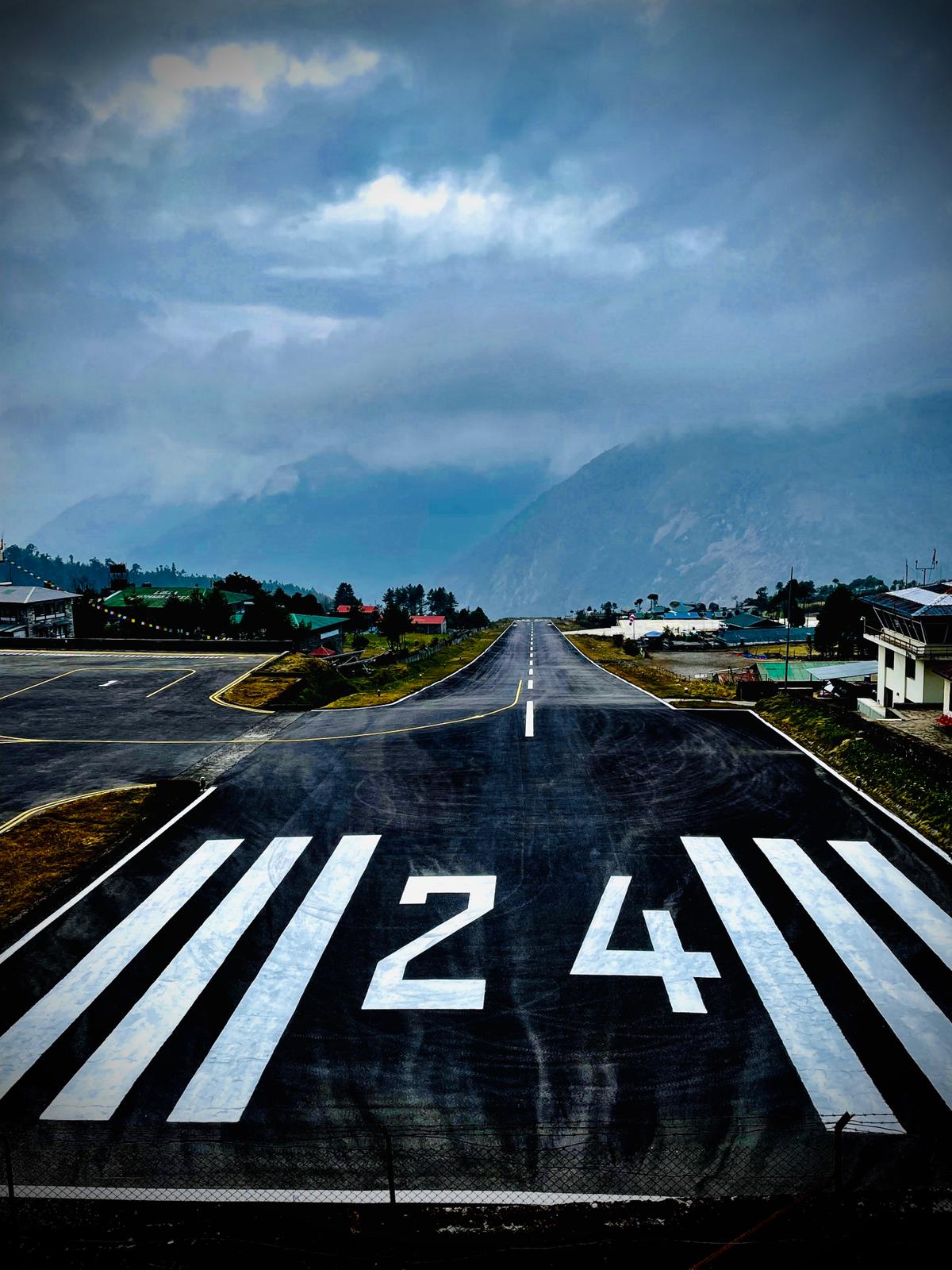
Everest Base Camp stands as a testament to the indomitable human spirit, attracting adventurers from across the globe. This iconic site, nestled at an elevation of 5,364 meters (17,598 feet) in the Khumbu region of Nepal, has transformed from a remote gathering place for Sherpas and Tibetan traders into a bustling hub for trekkers and climbers. The trek to Everest Base Camp is not merely a physical journey; it represents a pilgrimage that resonates deeply with individuals seeking purpose, challenge, and connection.
The allure of Everest Base Camp is deeply rooted in its cultural significance. For the Sherpa people, who originally migrated from eastern Tibet, the mountain is more than a peak; it is a sacred entity intertwined with their identity and spirituality. The Sherpas have long inhabited the region, with a rich history of trade and migration that predates modern tourism.
As trekkers traverse the trails, they walk in the footsteps of generations who have revered this majestic landscape. As global tourism has flourished, the experience of reaching Everest Base Camp has evolved. Trekkers often find themselves in a diverse community, sharing the journey with fellow adventurers from various backgrounds.
This melting pot of cultures fosters a unique camaraderie, where shared silence and mutual exhaustion create connections that transcend language and nationality. The trek serves as a mirror reflecting individual ambitions, as people confront their limits and seek clarity in the solitude of the Himalayas.
Yet, the experience is not without its complexities. The commercialization of Everest Base Camp has sparked discussions about the ethical implications of trekking and the impact on local communities. Sherpas, once viewed primarily as support staff, have become integral to the climbing narrative, their stories interwoven with those of the climbers.
This shift has elevated the Sherpas' role, yet it also raises questions about the sustainability of such a tourism-driven economy. In conclusion, the journey to Everest Base Camp encapsulates a profound human story, marked by aspirations, challenges, and connections.
As trekkers contemplate their motivations and the significance of their journey, they contribute to a narrative that honors the past while navigating the complexities of the present. Ultimately, Everest Base Camp is not just a destination; it is a reflection of our collective human experience.
%22%2F%3E%3Cpath%20d%3D%22M0%20620c140-120%20260-180%20360-180s220%2060%20360%20180%20260%20180%20480%20180V800H0z%22%20fill%3D%22%23bfdbfe%22%2F%3E%3Ccircle%20cx%3D%22980%22%20cy%3D%22170%22%20r%3D%2272%22%20fill%3D%22%2393c5fd%22%2F%3E%3C%2Fsvg%3E)