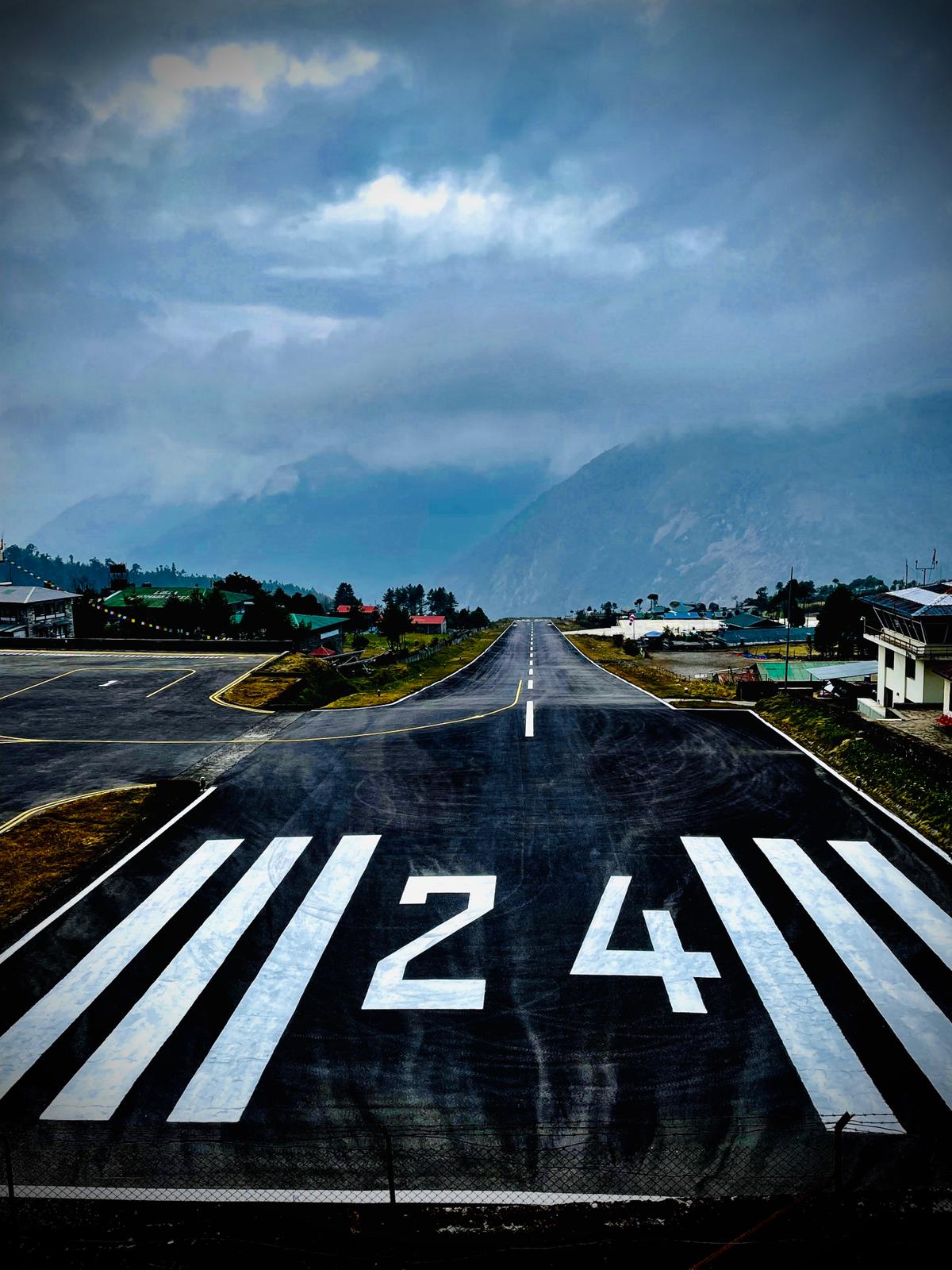
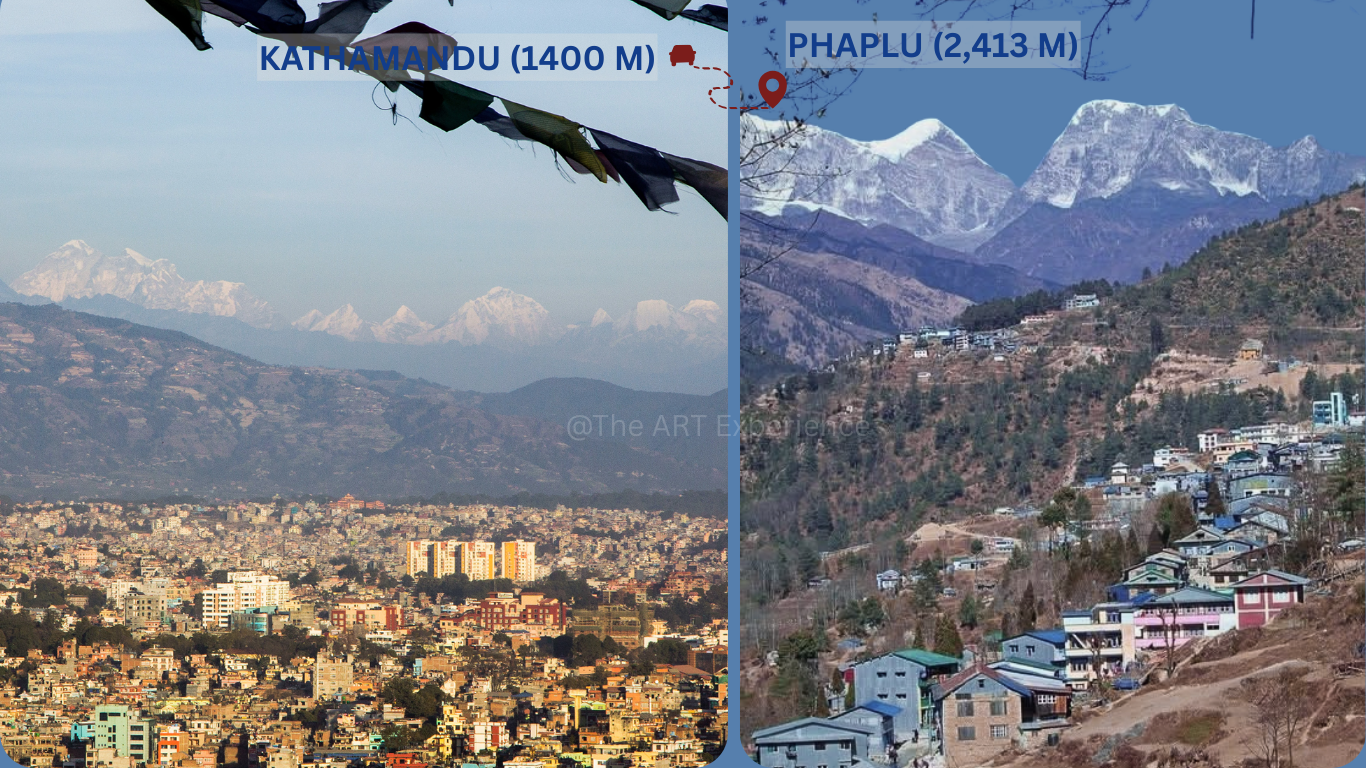
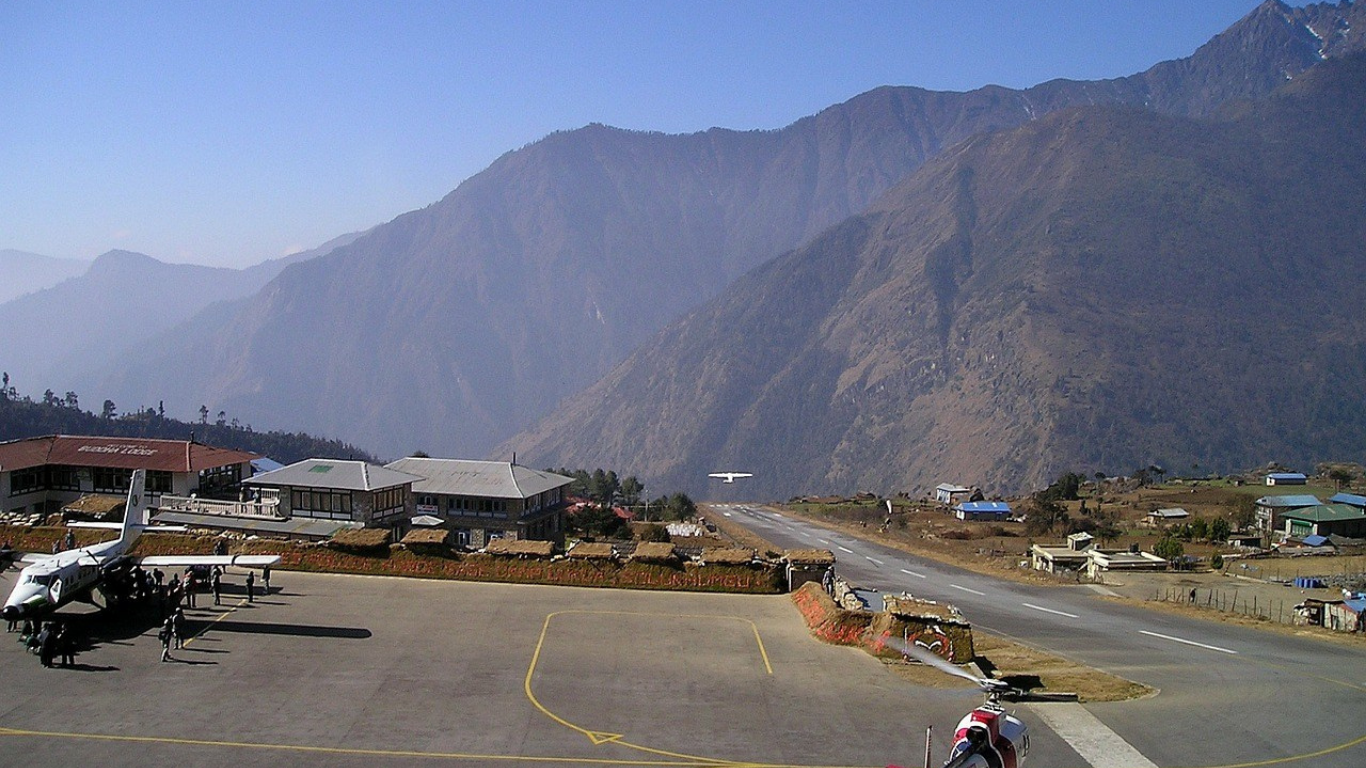
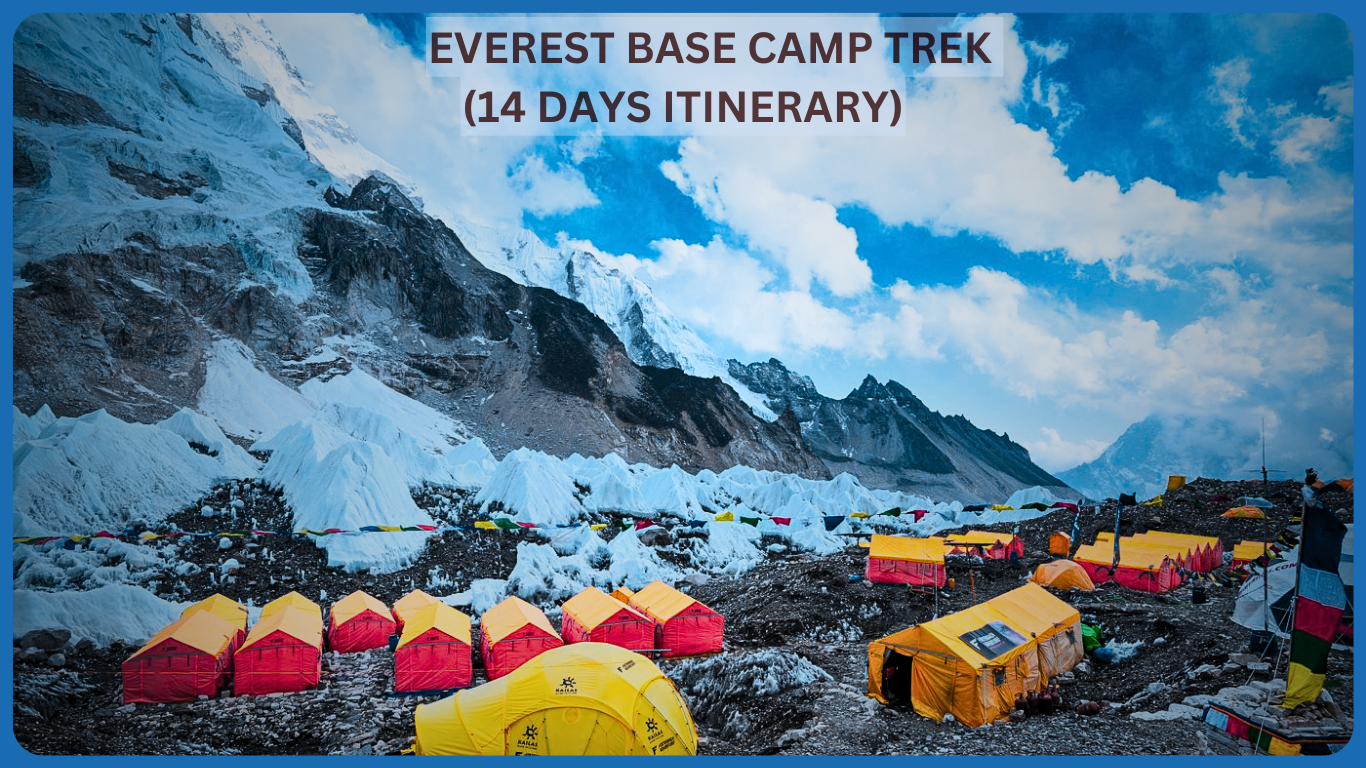
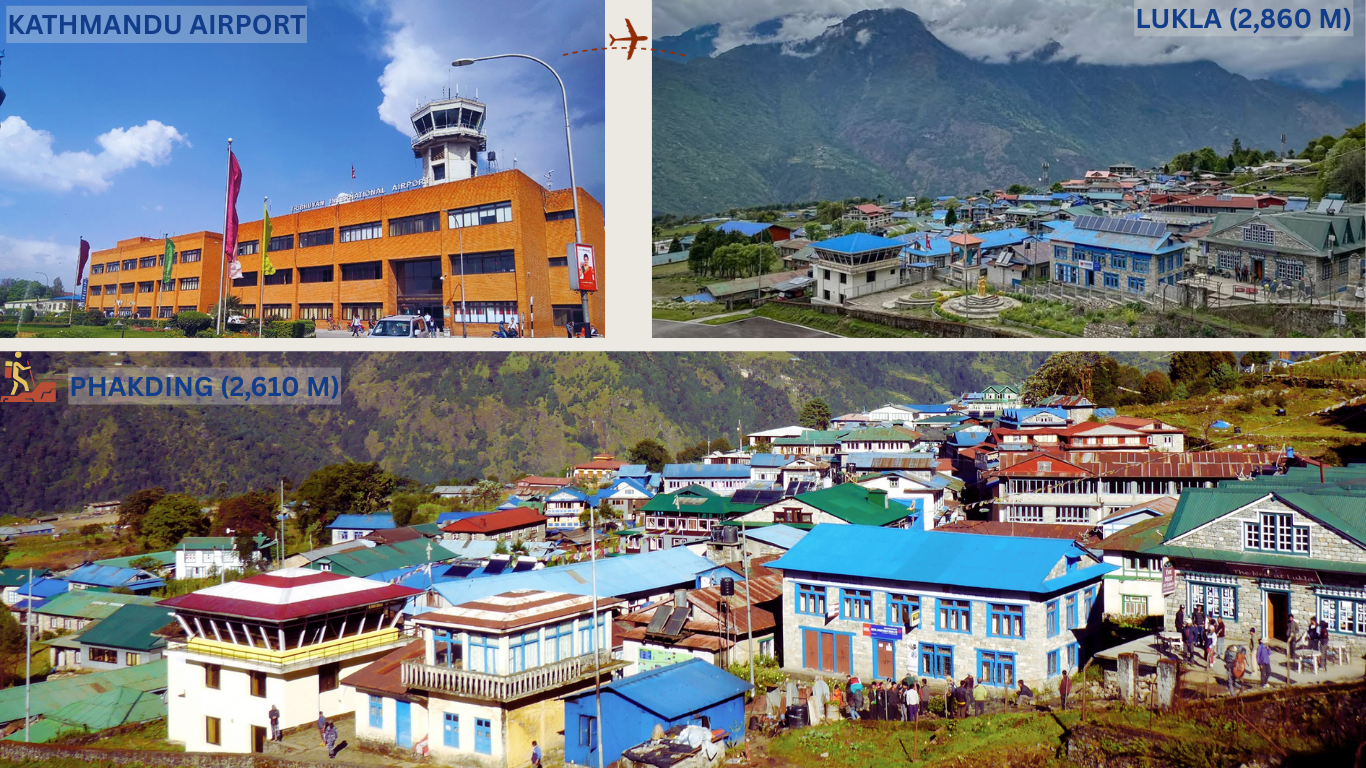
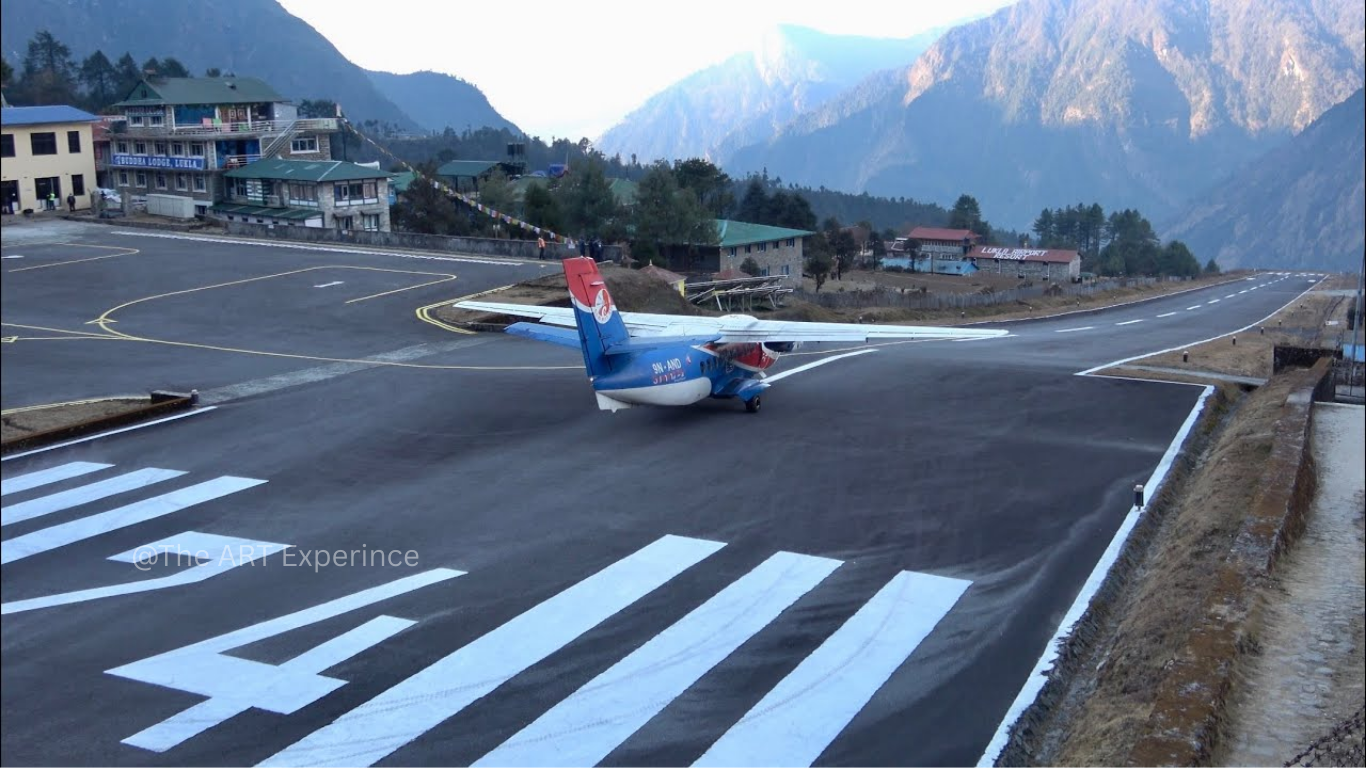
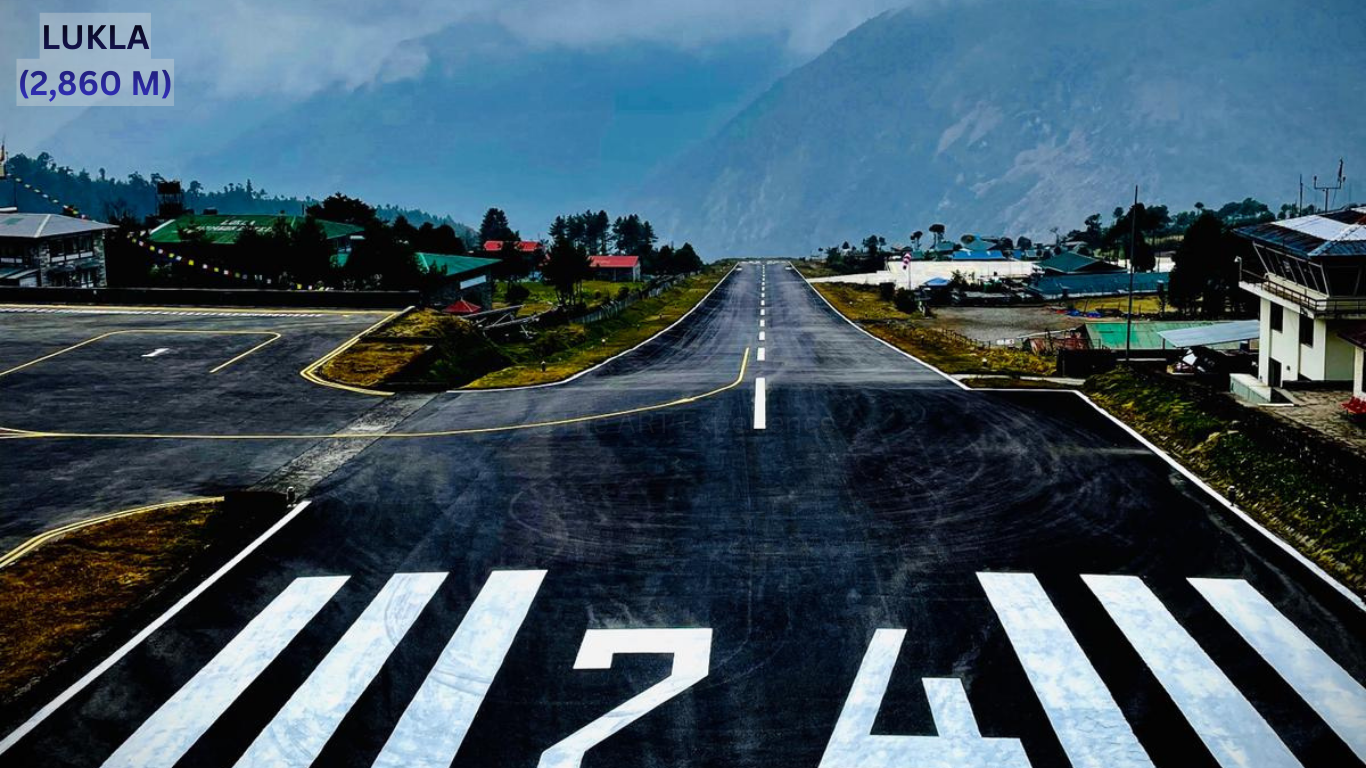
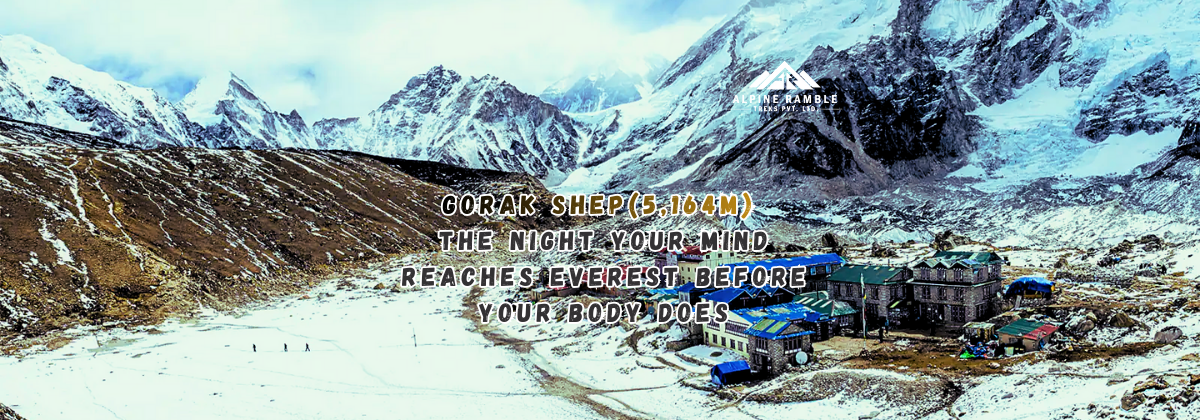
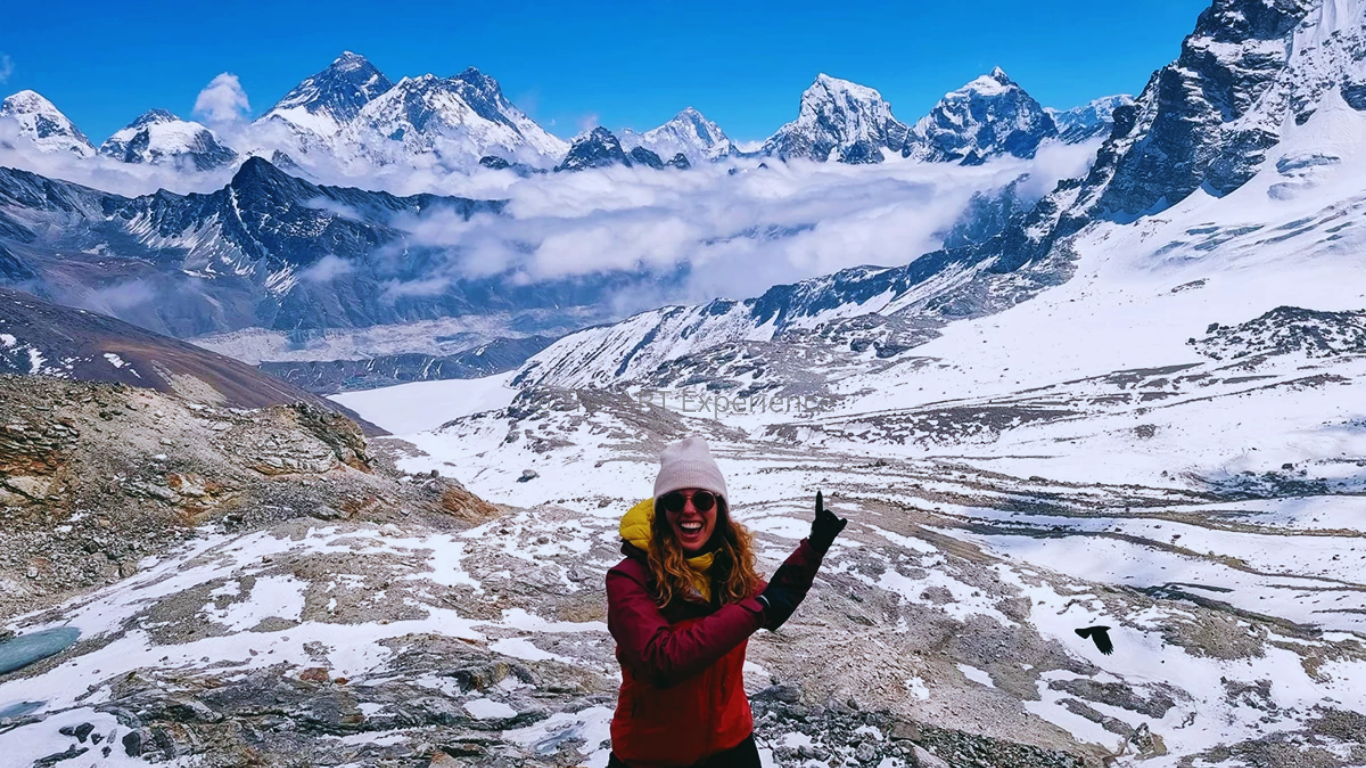
The Khumbu Region of Nepal, nestled in the lap of the Himalayas, offers a striking contrast to the modern world. Its geographical isolation is profound, with the region located at the eastern end of Nepal, bordering Tibet. The elevations here range from about 2,800 meters in Lukla to the towering heights of Mount Everest at 8,848 meters. This extreme altitude creates a landscape where the challenges of life are dictated by the very mountains that surround it.
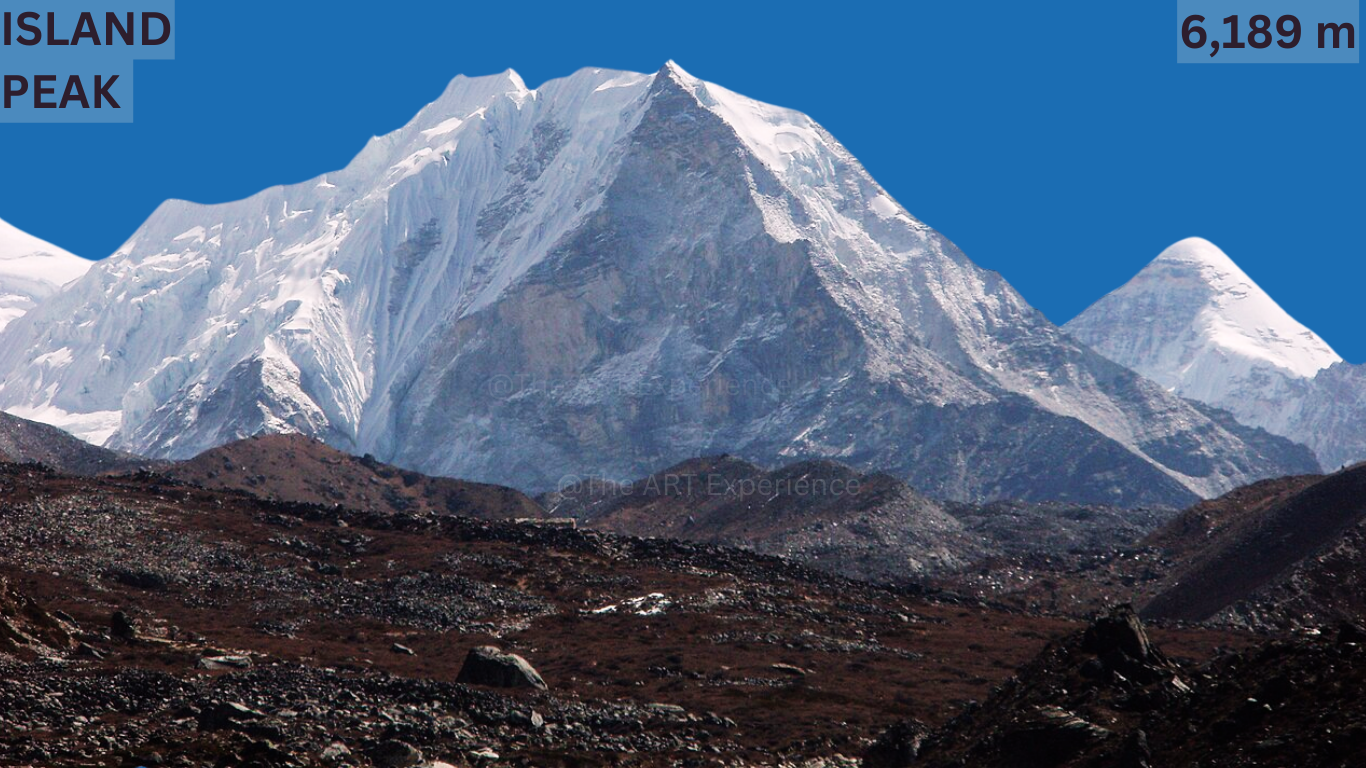
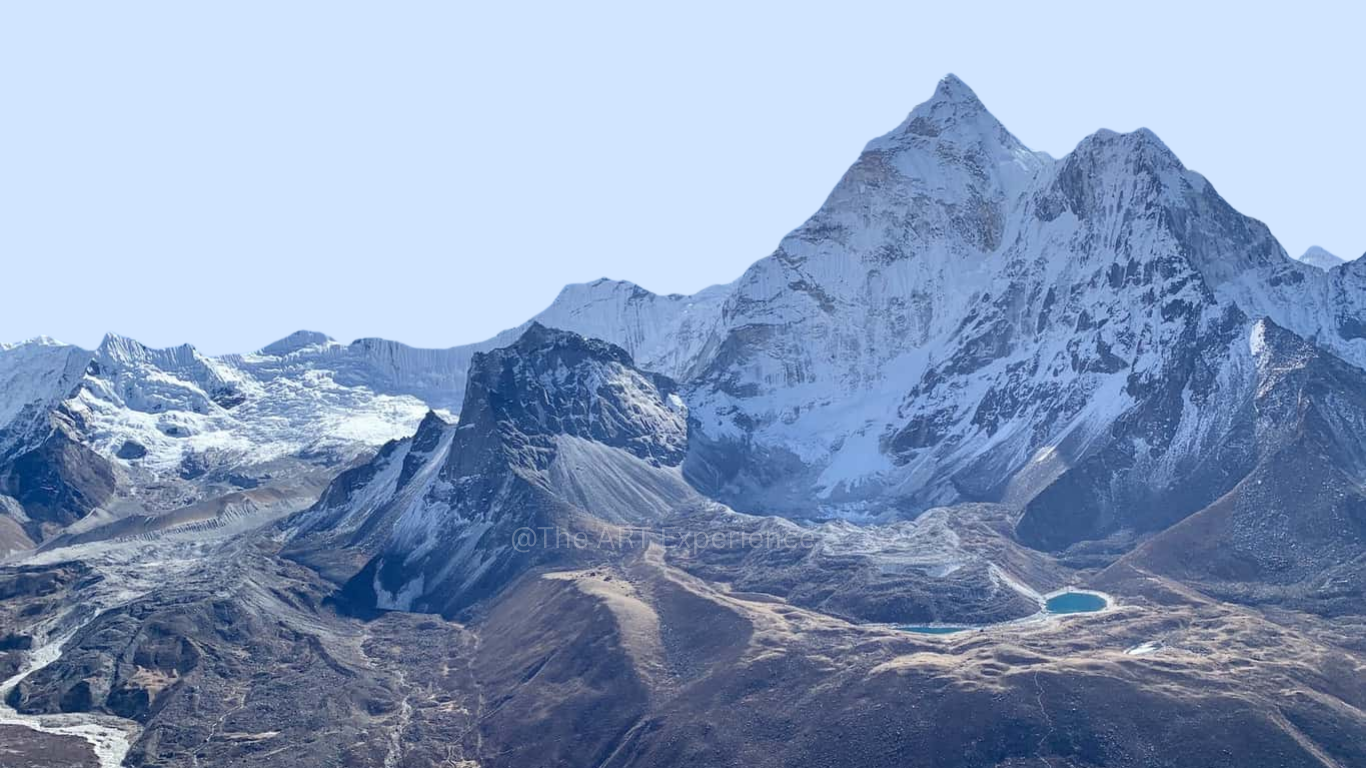
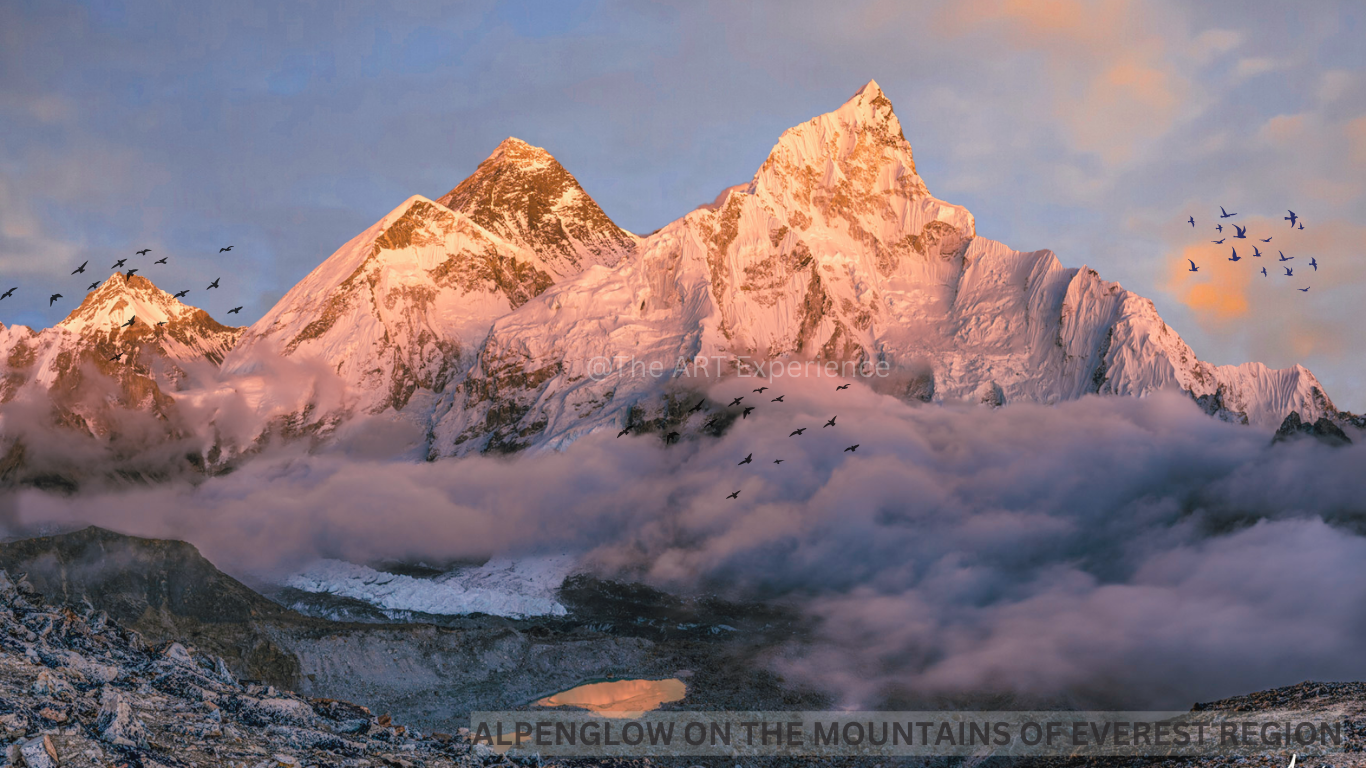
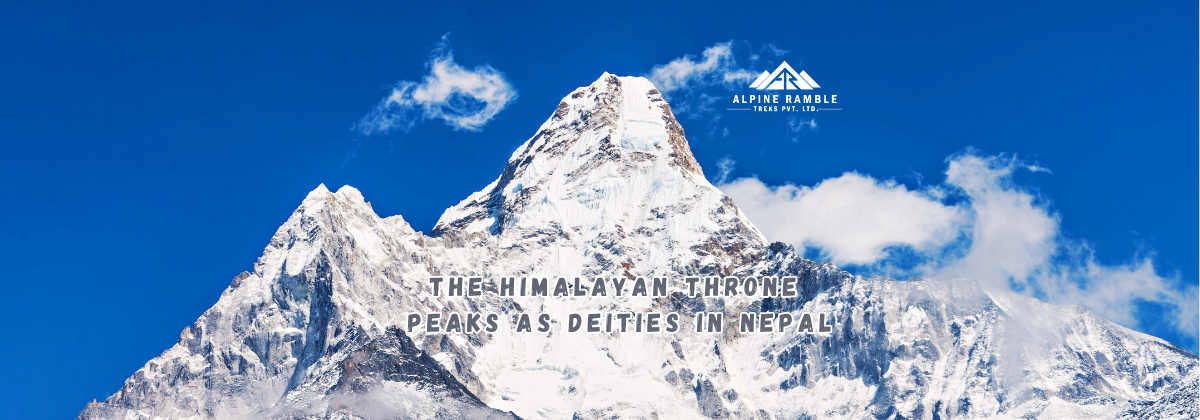
In this region, major peaks such as Lhotse (8,516 meters), Nuptse (7,861 meters), and Ama Dablam (6,812 meters) dominate the skyline. Living among these colossal formations alters human perception of scale and time. The sheer mass of these mountains instills a sense of awe that is difficult to comprehend from the comfort of urban life. For the local communities, the presence of these peaks is not just a backdrop; they shape daily existence, influencing everything from cultural practices to economic activities.
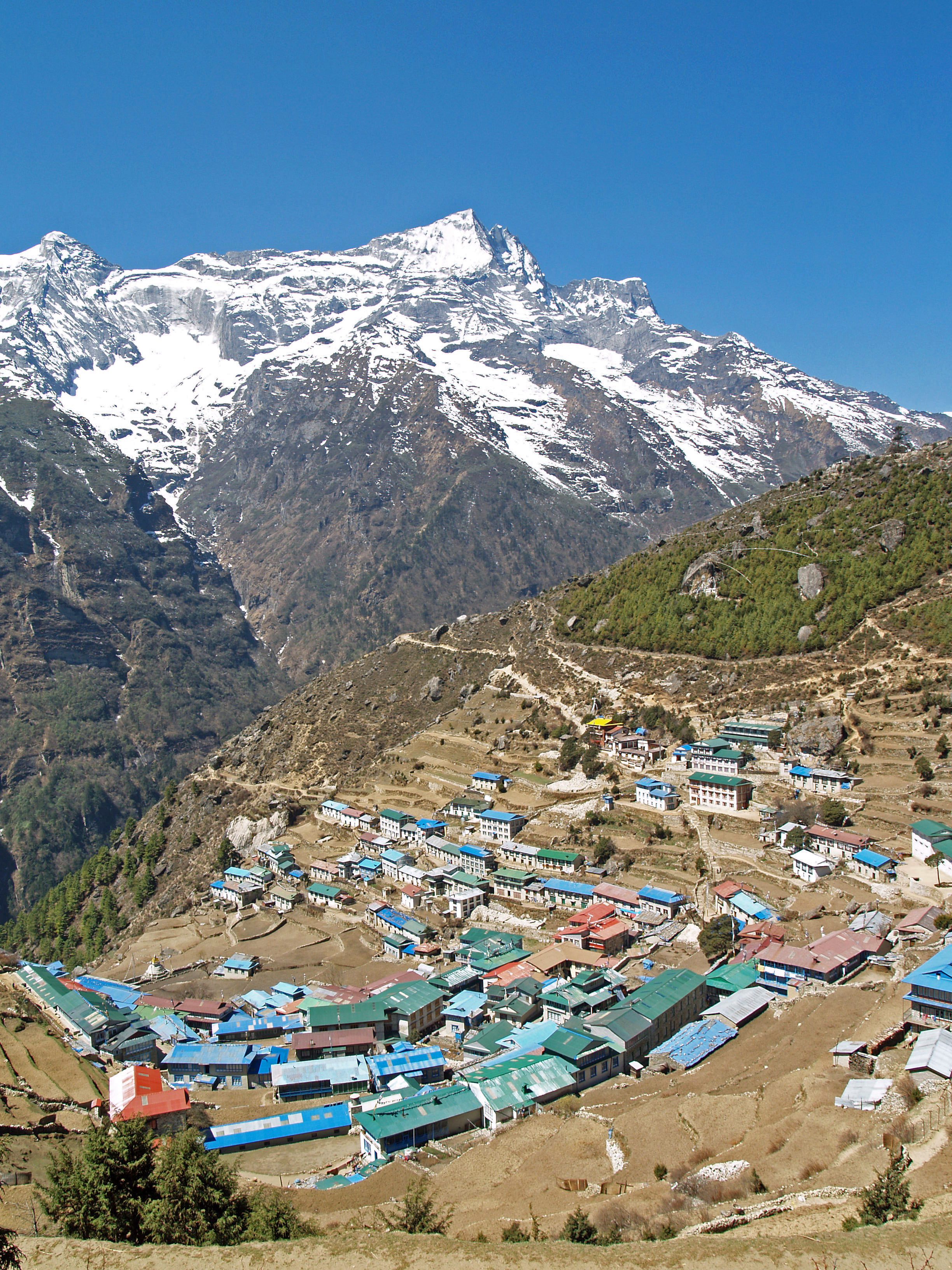
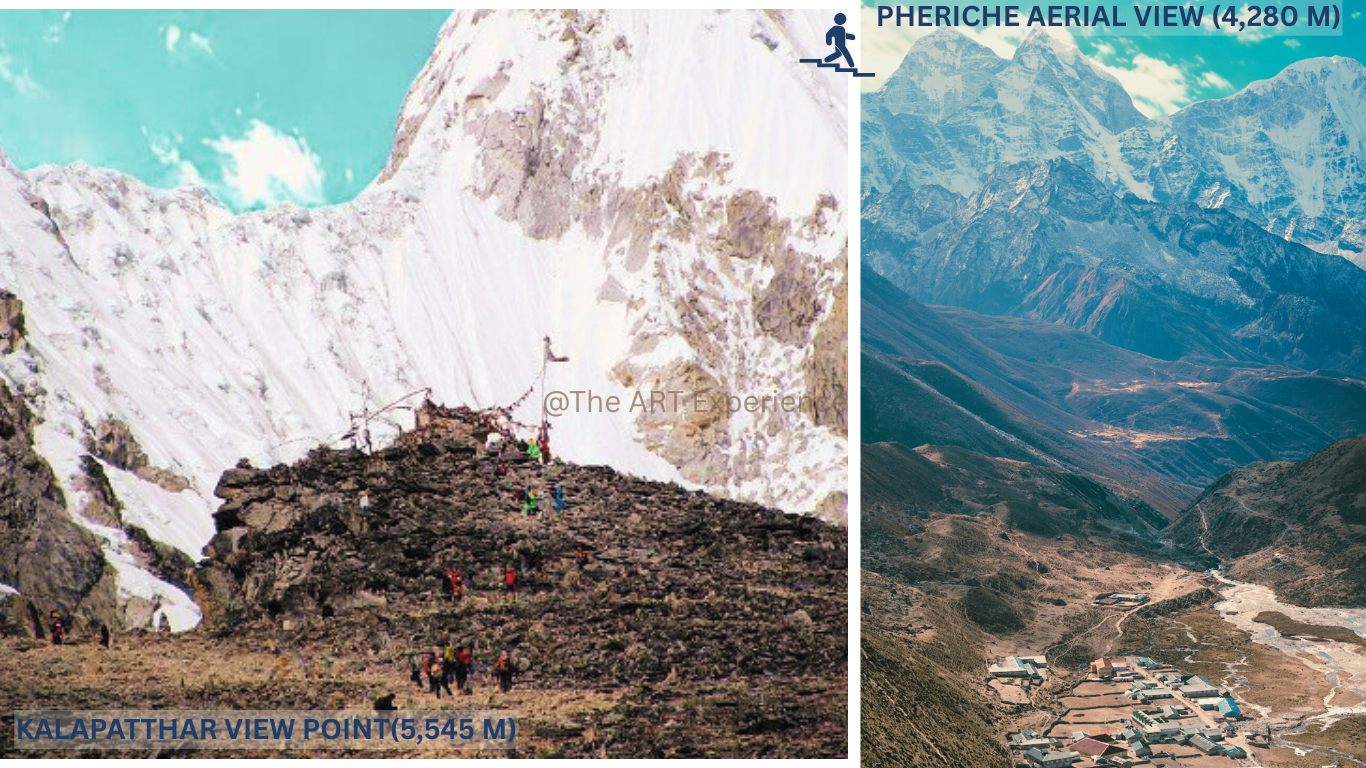
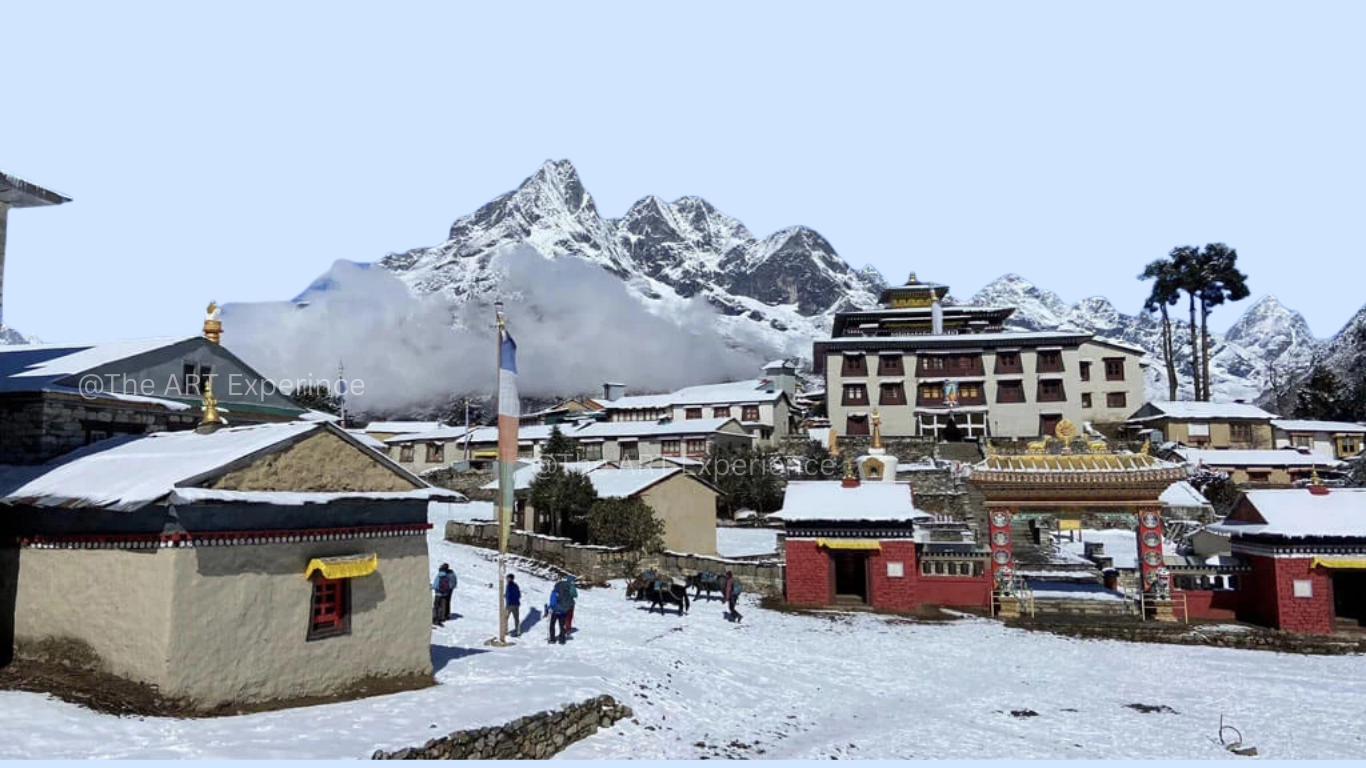
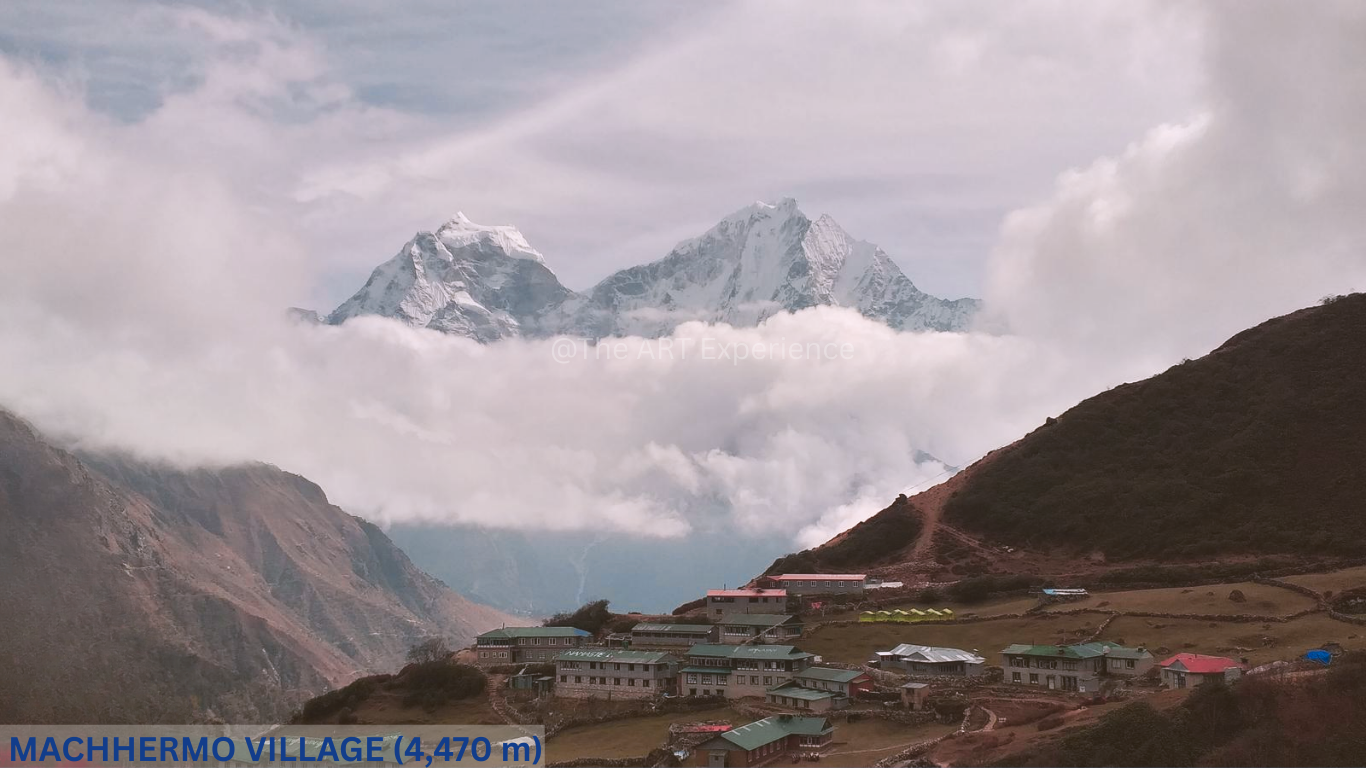
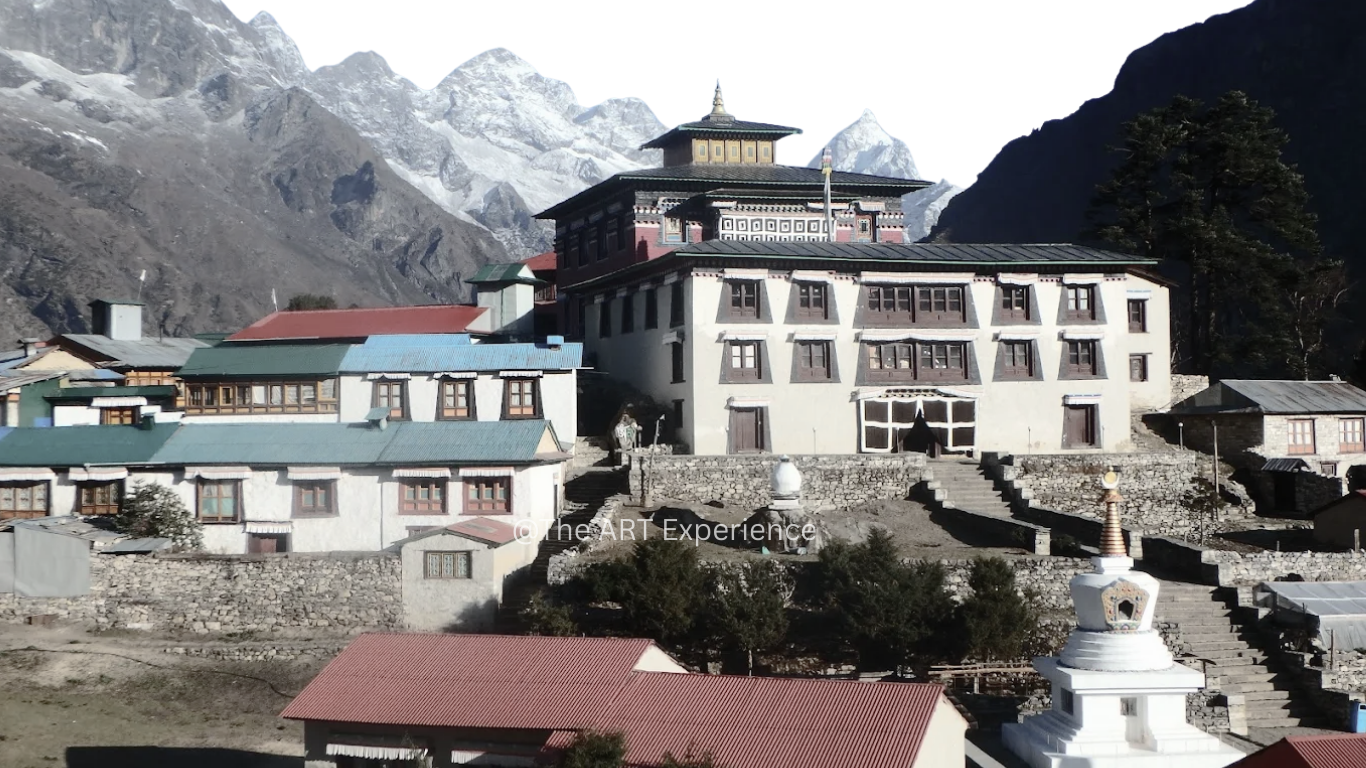
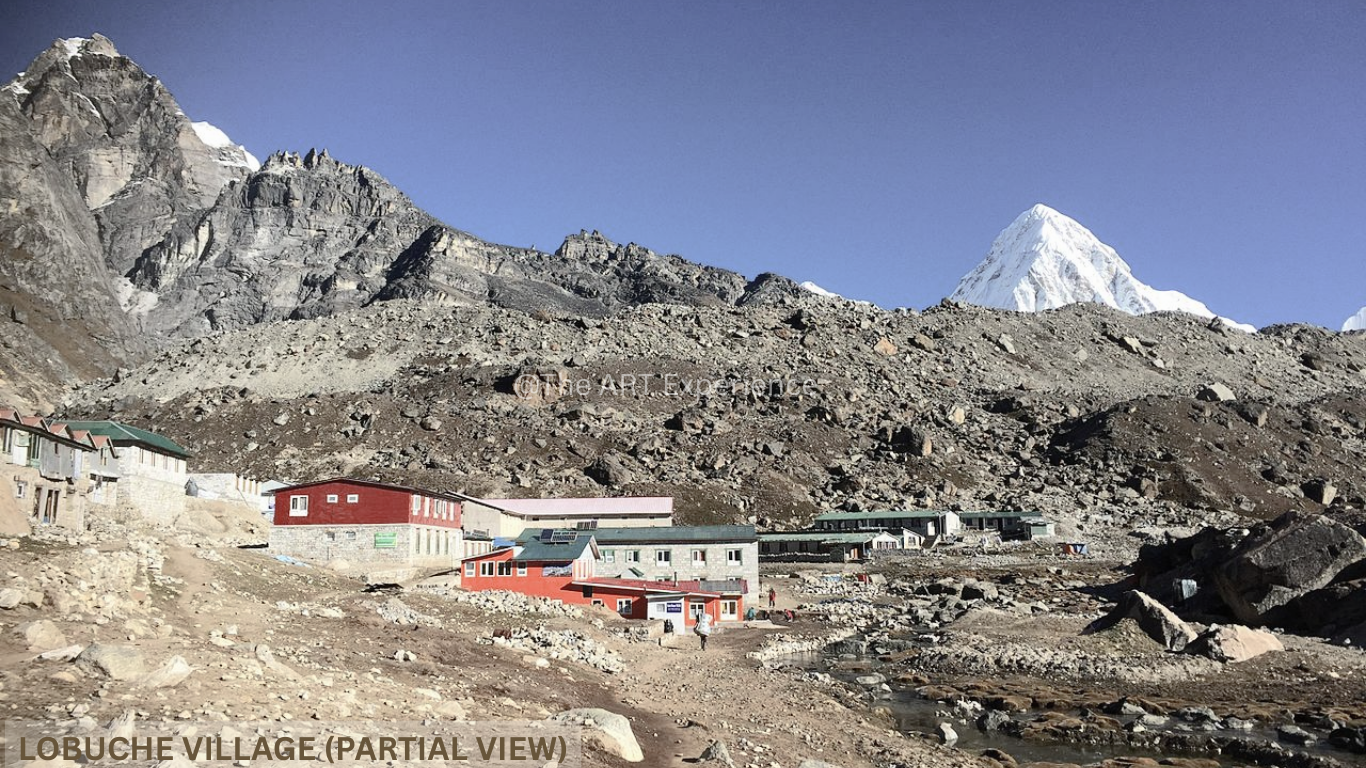
Villages like Namche Bazaar (3,440 meters) and Tengboche (3,867 meters) are prime examples of human settlement at extreme altitudes. The population density is low, with estimates suggesting around 1,500 people in Namche during peak seasons. Most of these settlements are permanent, yet the harsh conditions of high altitude limit the viability of year-round habitation. This rarity of life at such elevations is a stark reminder of the resilience required to thrive in this environment.
The Sherpa people, who have lived in the Khumbu for centuries, are an integral part of this landscape. Their migration from eastern Tibet brought them to this harsh yet beautiful region. The Sherpas have developed a unique culture, with a language distinct from Nepali and a belief system deeply entwined with the mountains. Notable figures such as Tenzing Norgay, who first summited Everest in 1953, highlight the Sherpas' enduring legacy in the history of high-altitude mountaineering.
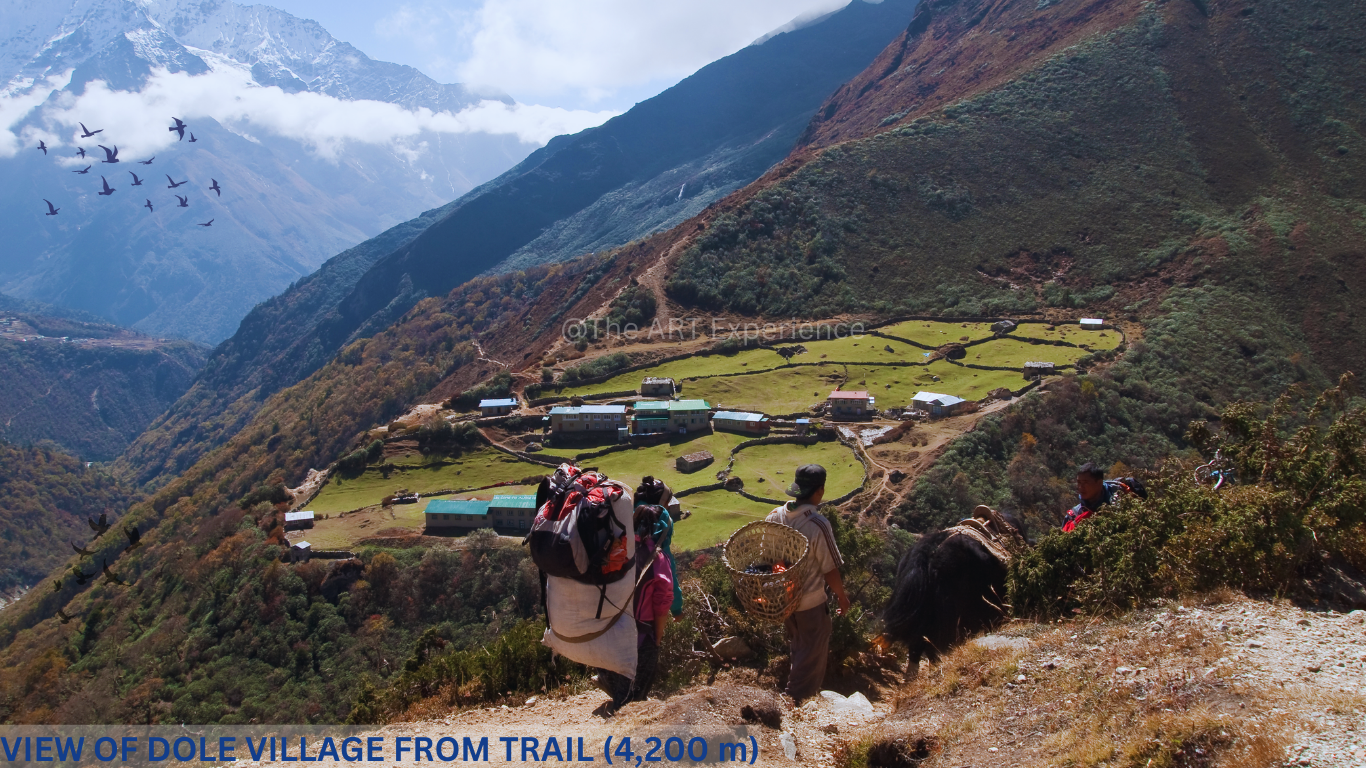
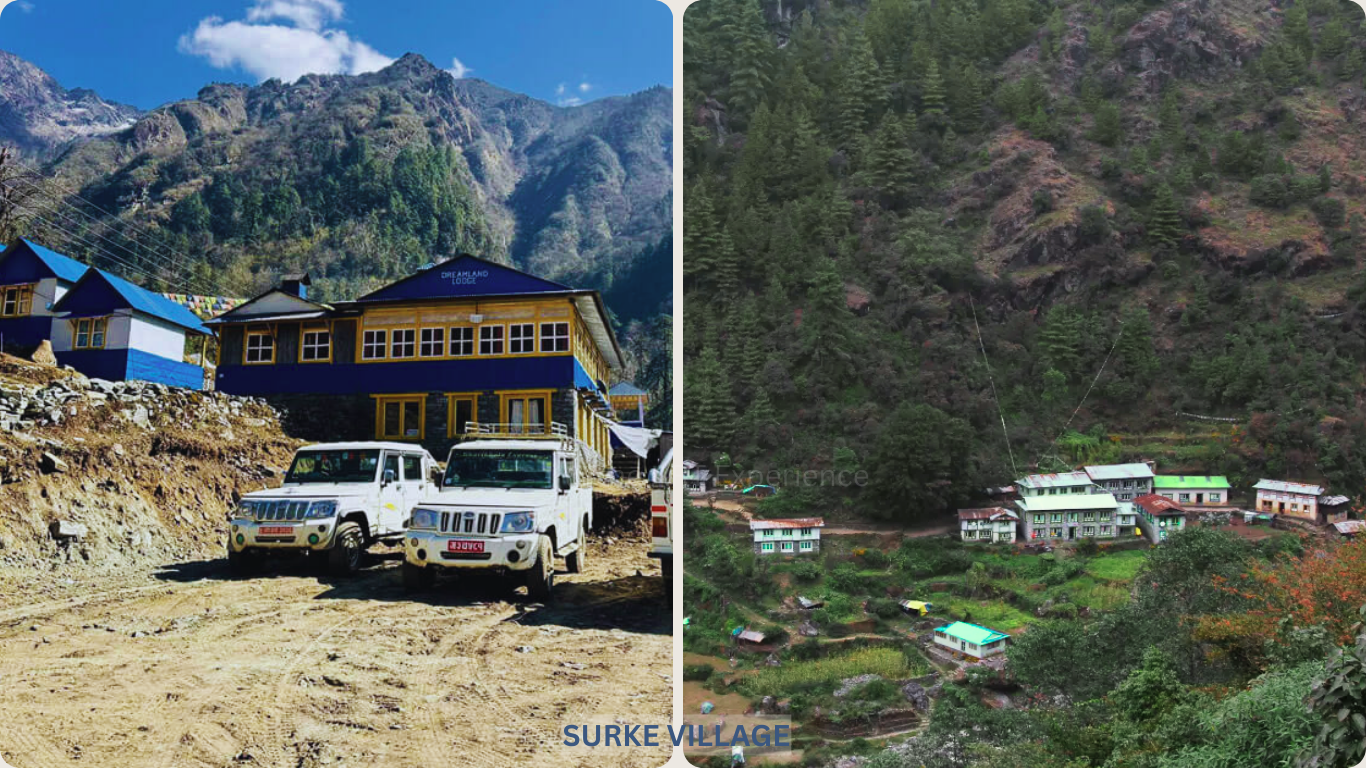
Unlike modern urban environments, the Khumbu lacks significant infrastructure. There are no roads leading beyond Lukla, and transportation relies heavily on porters, yaks, and mules to carry goods. This absence of modern conveniences shapes daily life significantly, with limited access to electricity and the internet. Daily activities are dictated by the rugged terrain and the natural rhythms of the environment.
The establishment of Sagarmatha National Park in 1976, recognized as a UNESCO World Heritage site, has played a crucial role in preserving this unique ecosystem. Covering an area of 1,148 square kilometers, the park's conservation efforts have helped maintain the delicate balance of nature and the cultural practices of the Sherpa people. This protection allows visitors to experience a way of life that has remained largely unchanged.
Tourism plays a complex role in the Khumbu, with approximately 40,000 trekkers visiting the Everest region annually. This number, while significant, pales in comparison to mass tourism hotspots around the globe, ensuring that the region retains its sense of authenticity and cultural richness. The seasonal influx of trekkers creates a rhythm of life that intertwines with the natural cycles of the mountains.
In Khumbu, time is experienced differently. Days are measured in walking hours rather than driving minutes, with weather patterns often dictating schedules. The altitude itself slows the pace of life, fostering a deep connection to the surrounding environment.
Ultimately, the Khumbu Region feels fundamentally different from the modern world due to its geography, culture, and history. This unique blend of elements creates an experience that is both humbling and transformative, inviting visitors to reflect on their place within the vastness of nature. Discover more about the enchanting qualities of the Khumbu as we delve deeper into its captivating stories.
%22%2F%3E%3Cpath%20d%3D%22M0%20620c140-120%20260-180%20360-180s220%2060%20360%20180%20260%20180%20480%20180V800H0z%22%20fill%3D%22%23bfdbfe%22%2F%3E%3Ccircle%20cx%3D%22980%22%20cy%3D%22170%22%20r%3D%2272%22%20fill%3D%22%2393c5fd%22%2F%3E%3C%2Fsvg%3E)